

Hand tools
Hand Tools
An essential part of any professional or home toolkit
Hand tools are essential for both professionals and DIY enthusiasts engaged in various repair and construction activities. They offer flexibility, precision, and control that electric or cordless tools often cannot provide.
Advantages of hand tools
One of their main advantages is the control and precision they provide, as they allow users to perform delicate and precise operations. This is particularly important for tasks requiring high accuracy, such as crafting details or finishing fine surfaces.
Convenience and flexibility are also among their advantages. They do not require an electrical power source or batteries, making them ideal for working in places where access to electricity is limited. Furthermore, hand tools are typically lightweight and compact, making them easy to carry and use even in tight spaces.
They also offer great durability. If properly maintained, these tools can withstand many years of heavy use. They do not rely on complex mechanisms or electrical components that can break down, making them a reliable choice for professionals and craftsmen.
Main Types of Hand Tools
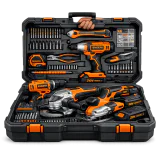
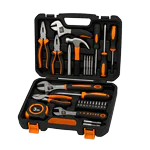
They include a wide range of products used in various professions and activities. Among the most popular and frequently used hand tools are the following:
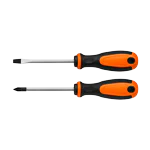
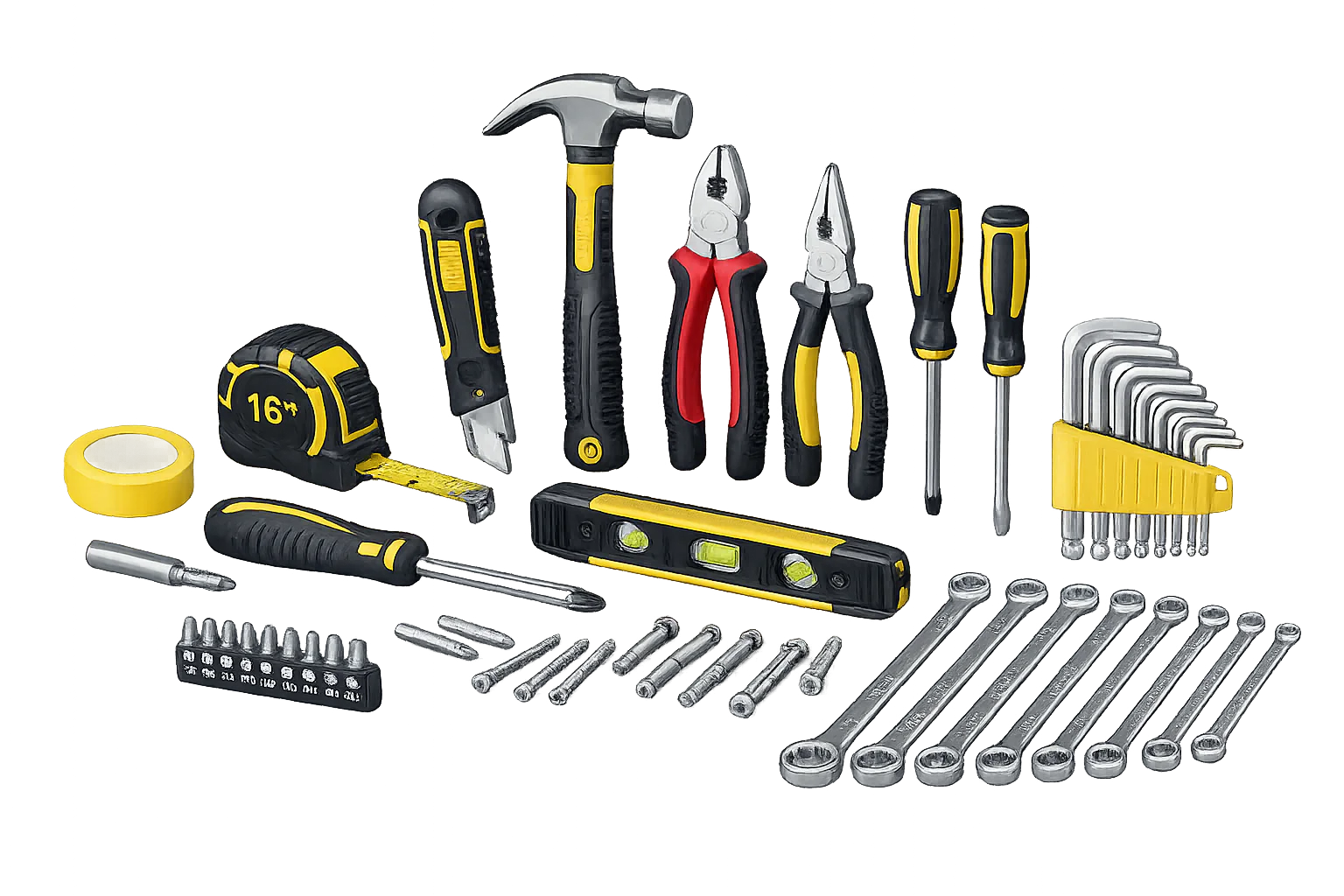
- Screwdrivers: These are tools used for tightening and loosening screws. They come in various sizes and shapes, with some designed for specific types of screws, such as flat or Phillips. Screwdrivers are a staple in any workshop and are frequently used in both household and professional settings.
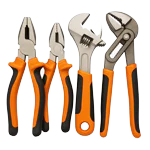
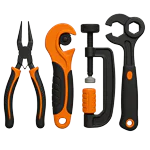
- Pliers: These are multifunctional tools used for gripping, cutting, bending, and pulling various materials. They also come in various forms, including combination pliers, wire cutters, round-nose pliers, and bending pliers. These tools are indispensable for electricians, mechanics, and builders.
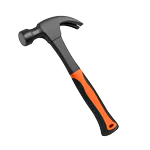
- Hammers: These are an essential tool for any construction or repair work. They are used for driving nails, breaking materials, and even for pulling out driven nails. Hammers come in various types, such as classic models with wooden handles or modern versions with ergonomic handles and anti-vibration systems.
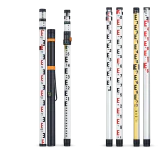
- Tapes and measuring tapes: hand-held measuring tools that are indispensable for all types of construction and renovation work. They allow for precise measurement of distances, which is essential for any installation and construction tasks. Measuring tapes are compact and easy to carry, making them the preferred choice for many craftsmen.
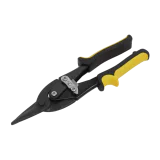
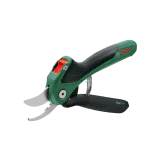
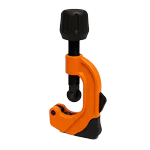
- Pipe and material cutters: these tools are ideal for precision cutting of pipes, metal, and other hard materials. Depending on the material being worked with, cutters can be manual or specialized for specific tasks, such as cutting PVC pipes, metals, or cables.
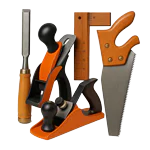
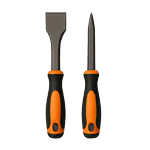
- Awls and chisels are essential tools for woodworking professionals. They are used for cutting out details, carving shapes, or for other woodworking operations. An awl is a sharp tool often used for piercing small holes in wood or leather.
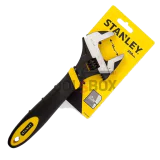
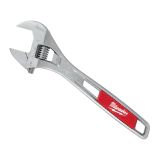
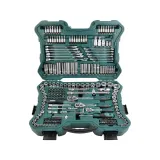
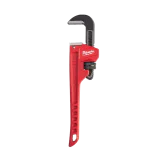
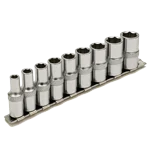
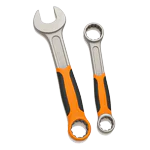
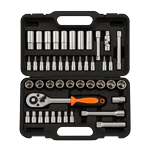
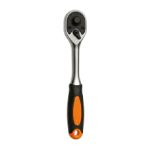
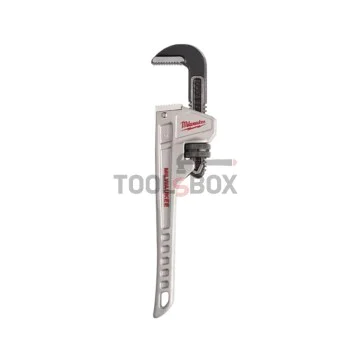
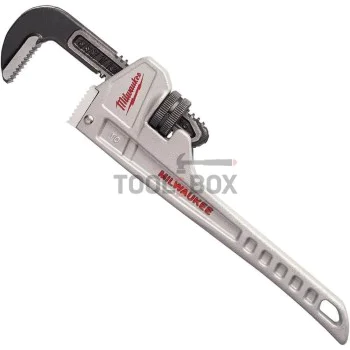
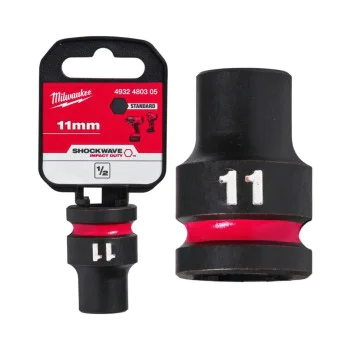
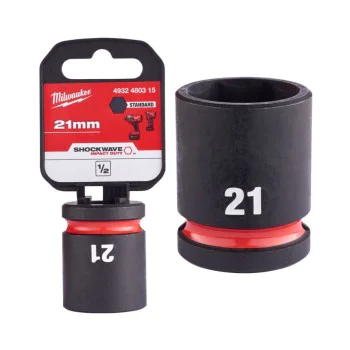
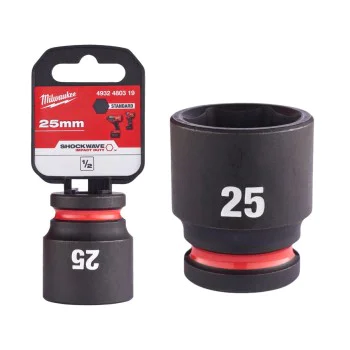
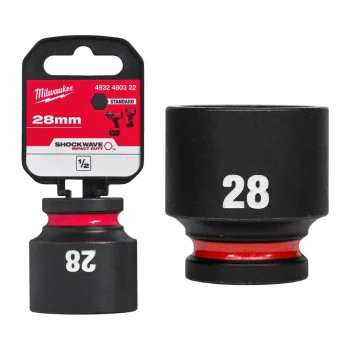
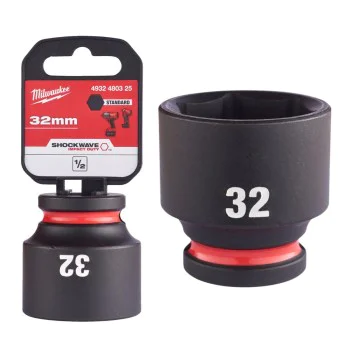
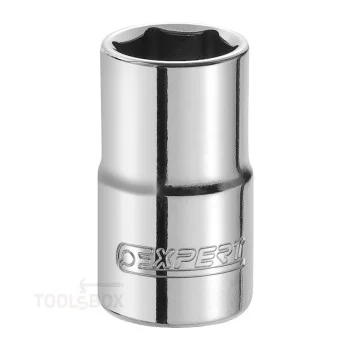
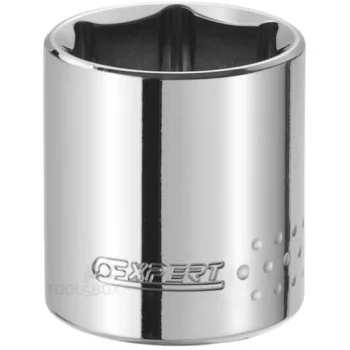
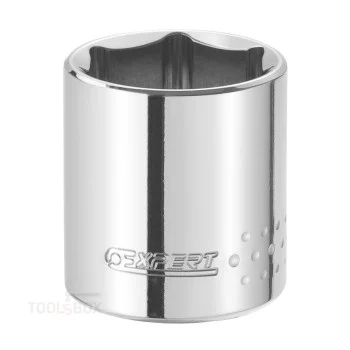
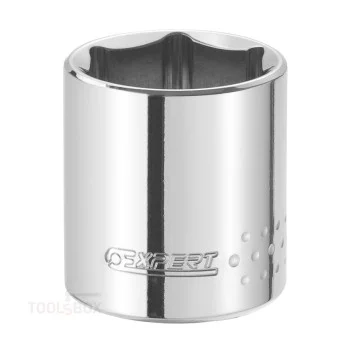
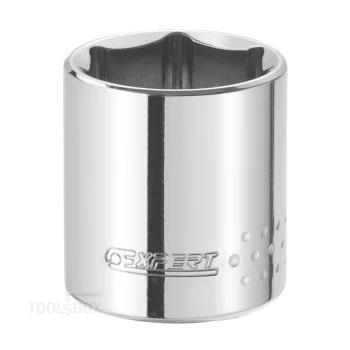
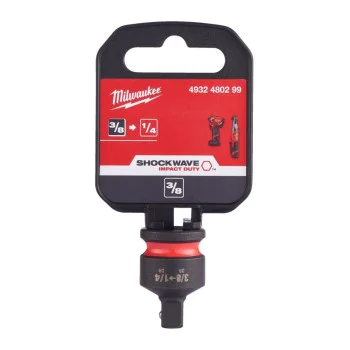
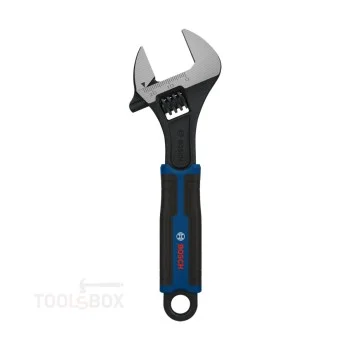
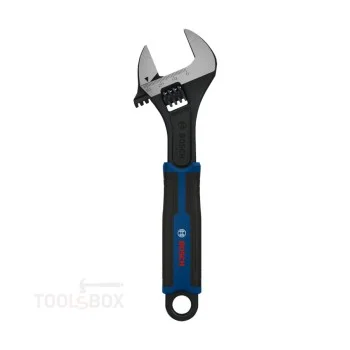
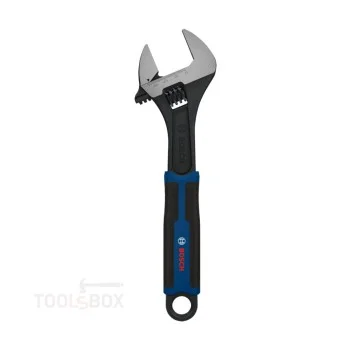
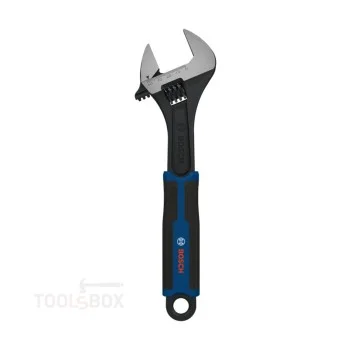
- Wrenches are an essential part of any mechanic's or engineer's toolkit. They are used to tighten and loosen nuts and bolts and come in various sizes and configurations, including socket wrenches, ratchet wrenches, and adjustable wrenches.
When selecting hand tools, it is important to consider several key factors to choose the ones best suited to your needs. First, you need to determine the type of project for which you will be using the tools. Different tools are designed for specific tasks. If you're working on woodworking projects, a chisel and a gouge will be essential tools, as they're specialized for precise woodworking. For mechanical work, however, pliers and wrenches are indispensable, as they provide a secure grip and the necessary force for working with bolts and nuts.
Another important aspect when choosing hand tools is the quality of the materials they are made from. Tools made of hardened steel are more resistant to wear and corrosion, making them more reliable and durable. Additionally, the handles must be sturdy and durable while providing a comfortable grip, which is essential for prolonged and safe use.
The ergonomics of hand tools are also key, especially when tools are used for extended periods. Tools with ergonomic handles reduce hand fatigue and minimize the risk of injury by providing better comfort and control.
Hand tools are essential tools in the worlds of craftsmanship, construction, and everyday repairs. They not only provide users with complete control and precision when performing tasks but are also extremely reliable due to their simple yet effective design. Whether for professional craftsmen or DIY enthusiasts, hand tools are always the go-to choice for performing various tasks that require strength, attention, and precision.
Advantages of Hand Tools
Hand tools offer a number of advantages that make them the preferred choice in many situations. One of their main advantages is the precision and control they provide. Unlike automatic or power tools, hand tools allow for a better sense of control while working. This makes them particularly suitable for tasks that require fine adjustments or detailed work. When delicate operations need to be performed, hand tools often outperform their electric counterparts because they allow for greater precision.
Another important factor is that hand tools are easy to use and affordable. They do not require batteries or a power source, making them suitable for use in any conditions, including remote locations where there is no access to electricity. This makes them more versatile and independent of external power sources. Furthermore, they are typically more affordable than their electric counterparts, making them a popular choice for home projects and repair work.
Finally, hand tools are known for their durability. If maintained properly, they can last for decades. Their simple and reliable design reduces the risk of breakage or damage. Unlike power tools, they have no electrical components that can wear out or require replacement. This makes them exceptionally durable and reliable in the long run. Many are even passed down from generation to generation, a testament to their durability and value.
Hand Tool Maintenance
Proper maintenance is key to the long life and effective performance of your tools. Here are a few tips on how to keep your tools in good condition:
- Regular cleaning:
After each use, tools should be cleaned of dust, dirt, and grease. This prevents corrosion buildup and extends the life of the tools. - Lubrication:
Many hand tools, especially pliers and wrenches, should be lubricated regularly to ensure smooth operation of moving parts and to prevent friction. - Storage:
Tools should be stored in a dry, protected place to keep them safe from moisture and corrosion. Toolboxes are an excellent way to keep tools organized and protected. - Checking Sharp Edges:
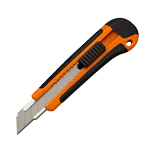
Tools with cutting edges, such as knives and chisels, must be sharpened regularly to maintain their effectiveness. The edges must be sharp and in good condition to ensure safety and precision.
Hand tools play a key role in performing a wide range of tasks related to repairs, construction, mechanical work, and woodworking. They provide users with control, precision, and convenience, while also being easy to maintain and durable with proper care. Choosing the right tools, tailored to the type of project, materials, and quality, will ensure efficient and safe work at all times.