
Sharpening of drill bits
Drill bit sharpening for precision work and longer service life
Drill bit sharpening combines tools, attachments, guides, grinding stones, and replacement parts for restoring the cutting edge of drill bits. A well-sharpened drill bit cuts cleaner, generates less heat, and puts less strain on the drill, drill press, or column machine. This is a practical set of consumables and accessories for workshops, construction sites, service centers, and home repairs, where drill bits are used regularly and replacing them every time they become dull is not cost-effective.
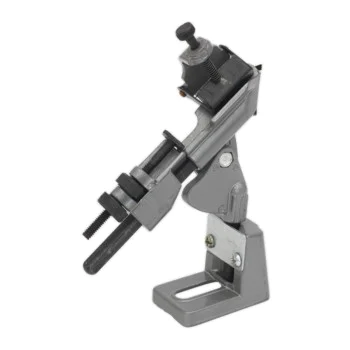
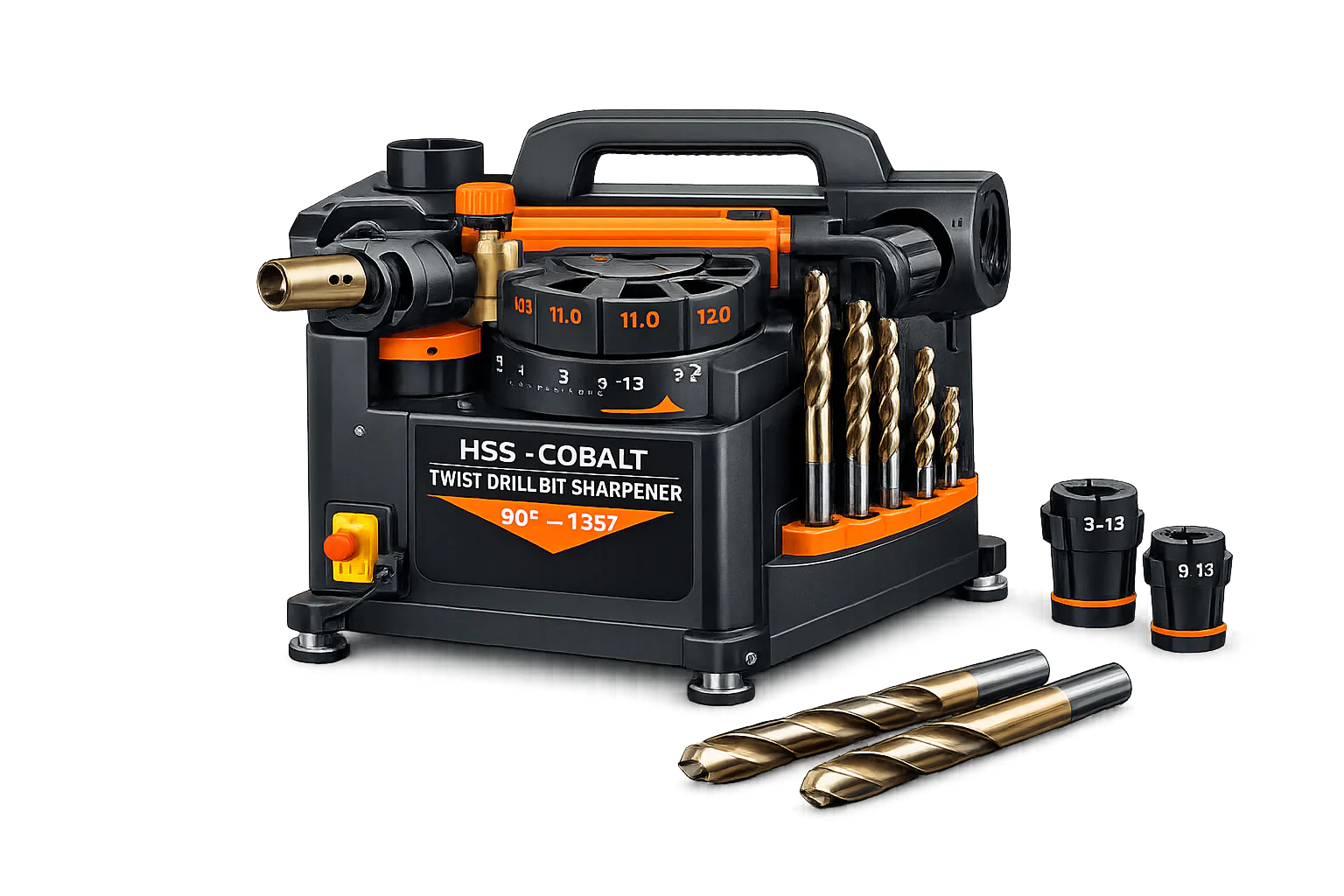
Sharpening tools are designed to service drill bits of various diameters, geometries, and materials. Some are used with an electric machine, others are mounted on a drill or grinder, and still others are used to guide the drill bit at the correct angle. Their common purpose is to restore the sharpness of the tip, form uniform cutting edges, and reduce deviation during drilling.
What do drill bit sharpening accessories include?
This group includes compact sharpening tools, drill attachments, holders, guide templates, abrasive discs, stones, and replacement consumables. Some solutions are designed for quick sharpening of standard twist drills, while others offer finer control over the angle and pressure. During service work and frequent drilling, the precision of the guide is crucial, as uneven sharpening leads to an enlarged hole, vibrations, and faster wear.
Sharpening attachments are compact and convenient for mobile repair work. Bench-top units provide stability and repeatable results when processing multiple drill bits. Grinding stones and discs vary in abrasive material, shape, and purpose-corundum variants for steel, silicon carbide stones for hard materials, and diamond elements for more durable cutting surfaces. The choice of abrasive is directly related to the type of drill bit and the desired finish.
Applications in the workshop, installation, and maintenance
A dull drill bit can be identified by slower drilling, increased heat, a grinding sound, a bluish tint at the tip, or the need for excessive pressure. With metal parts, this leads to increased machine load and a rougher hole. With wood, torn fibers result, and with plastic, melting along the edge. Regular maintenance of the cutting tip maintains precision and extends the service life of drill bit sets.
For HSS metal drill bits, a straight tip with even cutting edges and symmetrical centering is typically desired. For wood drill bits, the focus is on clean cutting and preserving the centering tip when the design allows it. Masonry drills with carbide tips require an abrasive that is compatible with the hard tip, without aggressive material removal. For specialized drills with coatings, stepped shapes, or complex geometries, it is necessary to select equipment that does not damage the tip profile.
Selection Criteria
The right choice starts with the diameter and type of drill bit to be used. Each tool or attachment operates within a specific range, so checking the minimum and maximum sizes prevents incompatibility. For sets with many different diameters, a solution with a precision guide and clear angle adjustment is practical. For one-off repair jobs, a compact attachment is often sufficient, while for a workshop with a constant workload, a more stable tool offers better repeatability.
- Diameter range: matches the drill bits in the available sets.
- Abrasive type: corundum, silicon carbide, or diamond, depending on the tip material.
- Drive type: hand-held attachment, drill accessory, or standalone tool.
- Angle adjustment: useful when working with different materials and drill bits.
- Replacement consumables: discs, stones, and holders for replacement after wear.
The sharpening angle affects the drill bit's performance. A sharper tip facilitates penetration into softer materials, while a blunter angle is more stable when working with hard metals. The uniform length of the two cutting edges is equally important, because if they are unbalanced, the drill bit begins to "wander" in the hole. Guides and templates reduce the risk of incorrect angling, especially for users without experience in freehand sharpening with emery.
Materials, Compatibility, and Precision
Drill bits differ in steel type, coating, and tip shape. HSS, HSS-Co, titanium-coated, wood twist drills, and concrete drill bits with carbide tips are not processed in the same way. Therefore, compatibility between the abrasive and the drill bit is crucial for a good result. An abrasive that is too coarse removes excess material and shortens the drill bit's life, while an unsuitable abrasive wears out quickly or causes the tip to overheat.
When sharpening metal drill bits, it is advisable to work in short strokes and with cooling to avoid compromising the hardening. Overheating is indicated by a change in the steel's color and leads to rapid dulling. A clean abrasive disc, secure clamping, and even pressure yield a more controlled result. After processing, it is helpful to check the tip's symmetry and test it on scrap material.
Safe operation and maintenance of consumables
When working with grinders, attachments, and abrasives, use safety goggles, a stable support, and moderate pressure. Position the drill bit so that the edge lies flat against the stone, without twisting or side loading. Cracked, heavily worn, or contaminated grinding elements must be replaced promptly. Dust and metal shavings must be removed from the guides, as they interfere with precise adjustment and accelerate wear on moving parts.
Proper maintenance of sharpening accessories saves time during subsequent use. Storing stones and discs in a dry place protects the abrasive from contamination and damage. For adjustable tools, it is helpful to periodically check the clamping screws and supports. This ensures that every sharpening operation remains controlled, and the drill bits retain their working geometry for longer.
Choosing sharpening solutions from Toolsbox.bg
At Toolsbox.bg, you'll find practical drill bit sharpening solutions for service, installation, repair, and home workshops. Choose a tool, attachment, or consumable based on the drill bit's diameter, tip material, and frequency of use. This way, you keep your sets ready to go, reduce the cost of new drill bits, and achieve cleaner holes with less effort.