
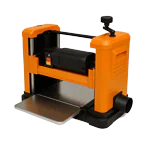
Straichmus
Strichmus
How it works and how to choose the right model
The planer is an essential tool in woodworking, designed to provide precise planing and smoothing of wooden surfaces. It is indispensable for both professional carpenters and hobbyists, as it offers high precision and uniformity in woodworking. Its primary role is to ensure that every surface or board is planed to the exact thickness and smoothness required. Different types are designed for different needs and types of projects, making them a versatile and valuable tool in woodworking shops.
How does a planer work?
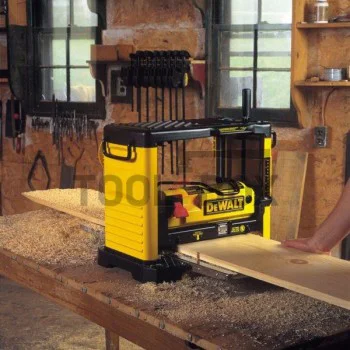
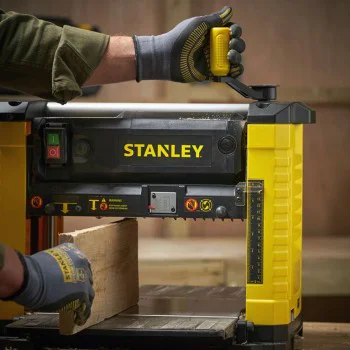
This machine is a combined woodworking tool that operates via a system of rotating blades that remove thin layers from the surface of the wood. This process ensures a smooth and even surface while simultaneously allowing for precise thickness control of the material being processed. The machine can be adjusted for different cutting depths, depending on the specific project and the type of wood. This makes it suitable for a variety of tasks, including planing boards, preparing materials for assembly, and fine-sanding surfaces.
It consists of a cylindrical drum in which cutting blades are mounted. These blades rotate at high speed and remove thin layers of wood as it passes through the machine. The wood is fed manually or via an automatic system into the drum, where the blades remove unwanted irregularities. A key feature of the planer is the ability to adjust the height of the blades, which allows for control over the cutting thickness. This ensures that each board can be processed to the exact thickness required by the project.
Setup and Adjustment
To achieve maximum efficiency, the machine can be adjusted according to the type of wood and the project requirements. Harder woods require more careful adjustment, as cutting hard wood requires more power and shallower cutting depths. Softer wood allows for faster cutting and can be processed with a greater removal depth.
These planing and jointer machines are equipped with cutting height adjustment features, which determine how much material will be removed from the wood's surface. Most modern machines have precise control panels that allow for easy height adjustment. This ensures precision during processing, especially when a specific final material thickness is required.
Structure and Components
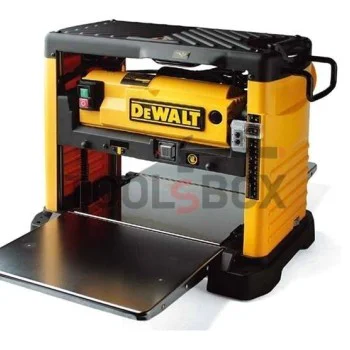
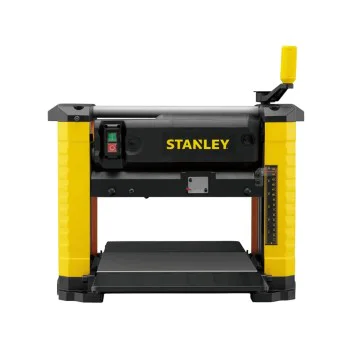
The main components of a planer include the cutting drum with the blades, a feed table, and mechanisms for moving the wood through the machine. The work table keeps the wood stable during the planing process, and the feed mechanism moves the material through the machine at a uniform speed. The blades on the cutting drum are made of high-quality steel, which ensures a clean and smooth cut while minimizing the risk of damaging the wood. The planer table plays a crucial role in the quality of the finish. It must be well-maintained and perfectly level so that the wood can move smoothly and without resistance. An improperly adjusted or faulty table can lead to unevenness and cutting errors.
The planer is a versatile machine widely used in woodworking for various tasks, including surface leveling and finishing operations where high precision and smoothness are required. Thanks to its precise adjustments, it can process both soft and hard woods, making it suitable for a variety of projects-from furniture making to large wooden structures.
The main advantages of planing with this machine include the precision with which wood can be processed down to the millimeter, as well as the ability to achieve a perfectly smooth surface, which is essential for finishing processes such as varnishing or painting. In addition, the machine ensures consistent material thickness, which facilitates the process of assembling parts and achieving precise results.
This makes it an indispensable tool both for professionals who demand high performance and accuracy, and for hobbyists seeking a reliable solution for woodworking with excellent results.
Types of planers
They vary in size, power, and functionality depending on the specific needs of users. Various models are available on the market that meet the needs of both hobbyists and professionals.
- Bench-top planer-a compact model ideal for small and medium-sized projects. It is particularly suitable for hobby woodworkers and those with limited workspace. It is easy to transport and can be placed on any workbench. Despite its compact size, the bench-top model offers excellent precision and efficiency in woodworking. While it lacks the power of larger models, it is sufficient for home and hobby projects.
- Planer-jointer-a combination machine that combines the functions of a planer and a jointer. This model allows not only planing but also leveling of wood surfaces, providing versatility in a single machine. These types are preferred in professional workshops where there is a need for faster and more efficient work with large volumes of wood. They save time and space by allowing two main operations to be performed with a single machine. The planer levels the surface, while the jointer calibrates the thickness of the wood.
- Thick planer-type thicknessers-designed for rougher processing of thick wood materials. They are ideal for removing large amounts of wood before final smoothing. These models are particularly useful when working with solid wood and heavy materials, offering high performance and durability. Thick-planer models are equipped with powerful motors that allow for continuous operation under heavy loads and ensure high-quality wood processing.
How to choose the right planer?
To choose the right planer, you need to consider several key factors, including the type of projects you'll be undertaking and the materials you'll be working with. For home projects and small jobs involving lighter woods, a bench-top model is a good choice. It is compact, easy to use, and powerful enough for most hobbyist needs. If you have larger projects or are looking for versatility, a combination machine that combines the functions of a jointer and a planer is an excellent choice. It saves space and increases work efficiency.
For professionals who need a powerful tool for working with solid wood or thick boards, the heavy-duty planer model is ideal. It is designed to process large quantities of material and handle heavy loads, ensuring maximum efficiency when planing thicker pieces.
Planer Maintenance
Maintenance is essential for the longevity and efficiency of this versatile woodworking tool. Regularly cleaning the machine of wood shavings and dust is mandatory to prevent jamming and damage to the blades and other components. The planer blades must be sharpened or replaced regularly to ensure precise cutting and smooth wood finishing.
Lubricating the machine's moving parts is also an important part of maintenance. Lack of lubrication can lead to increased friction and wear on components, which will reduce the planer's performance. Regularly check the machine's electrical components and safety features to ensure it operates smoothly.
Advantages of planers
They offer numerous advantages, the main one being their precision. They ensure precise thickness and smoothness of the processed materials, which is particularly important in the manufacture of furniture, doors, frames, and other wooden structures. They reduce woodworking time compared to hand tools and significantly increase efficiency, especially on large projects.
Furthermore, these machines offer versatility, as they can process various types of wood-from softwoods like pine to hardwoods like oak. Models with adjustable cutting depth allow users to adapt the machine to the specific needs of the project, making them exceptionally flexible.
The planer is a key tool for any woodworking shop, providing precision, efficiency, and flexibility in woodworking. Whether for small projects at home or professional tasks involving large volumes of material, choosing the right machine is crucial for achieving high-quality results. Bench-top models are an excellent choice for hobbyists and small workshops, while combination and more powerful machines offer greater functionality for professional use. With regular maintenance and care, this type of equipment can remain reliable and productive for a long time.