
Hydraulic jack
Hydraulic jack for auto repair shops, garages, and roadside assistance
A hydraulic jack is used to lift cars, vans, trailers, and other vehicles during service work, repairs, or tire changes. It is an essential piece of equipment for auto repair shops because it operates using hydraulic pressure and reduces the physical effort required to lift heavy loads. Toolsbox.bg offers solutions for professional use in service shops, mobile roadside assistance, workshops, and well-maintained home garages.
A well-chosen hydraulic jack facilitates access to the undercarriage, brake system, wheels, sills, and other areas of the vehicle. The various models differ in load capacity, minimum and maximum lifting height, piston stroke, base size, handle type, presence of wheels, and lifting platform design. These characteristics determine which vehicles the tool will work with and how conveniently it will be positioned under the vehicle.
What to Consider When Choosing a Hydraulic Jack
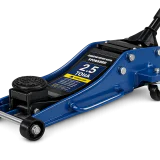
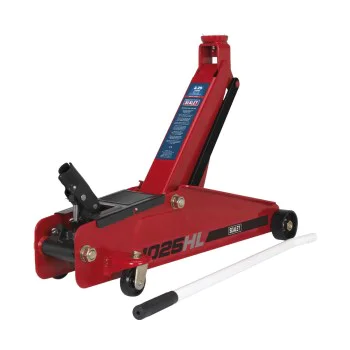
The range of hydraulic jacks includes several practical types, each with its own application. Alligator-style service models are frequently used in auto repair shops and garages because they glide easily across the floor and allow for precise positioning under the lifting point. Low-profile variants are valuable for cars with low ground clearance, sport sills, or lowered suspension.
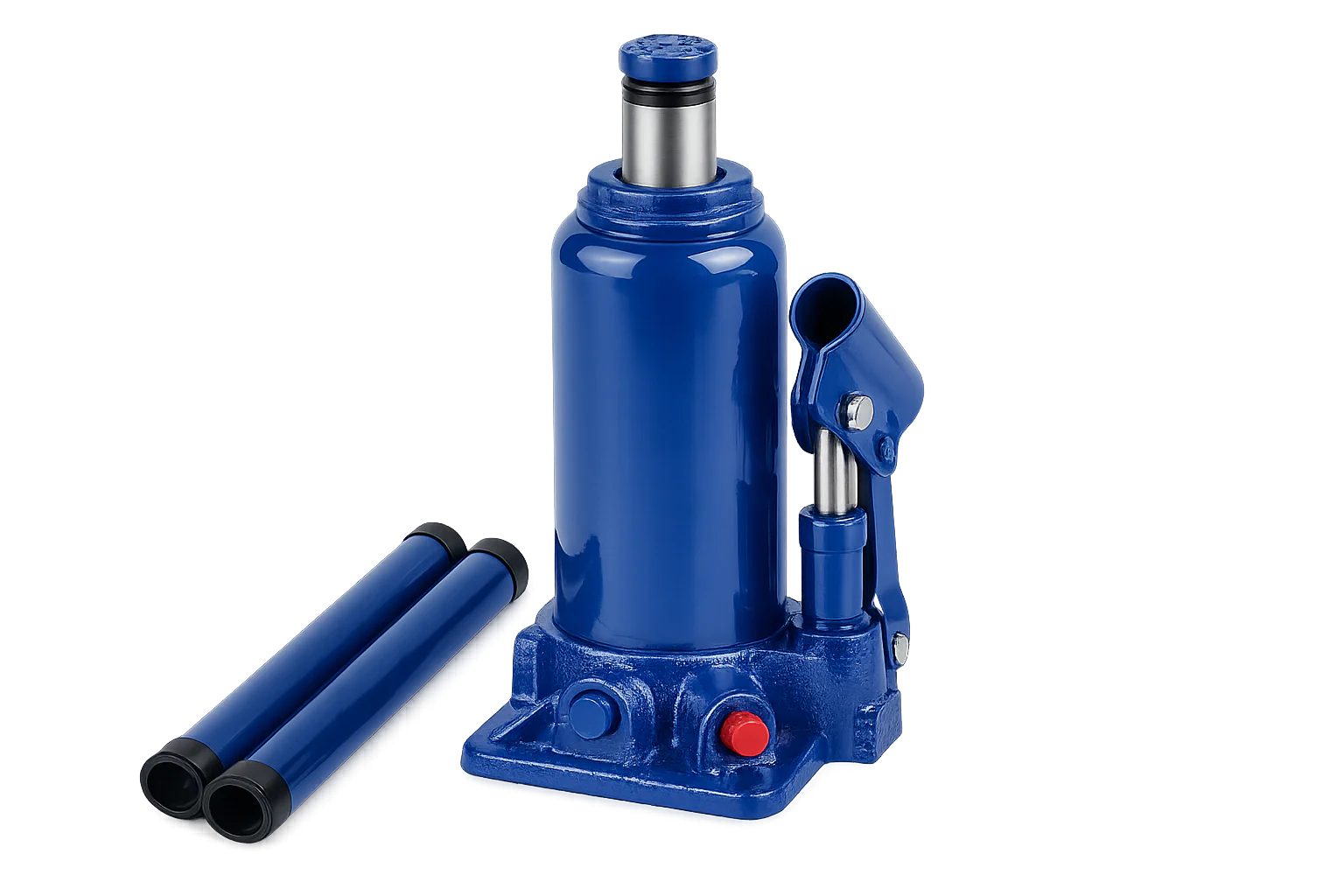
The bottle-type hydraulic jack is compact, with a vertical design and good load capacity relative to its size. It is practical for vans, SUVs, trailers, and vehicles with a higher lifting point. Pneumatic-hydraulic solutions are commonly found in service environments where a faster work cycle and reduced operator strain are desired. Each type behaves differently during operation, so the choice depends on the vehicle, frequency of use, and available space in the work area.
Main applications in service shops and garages
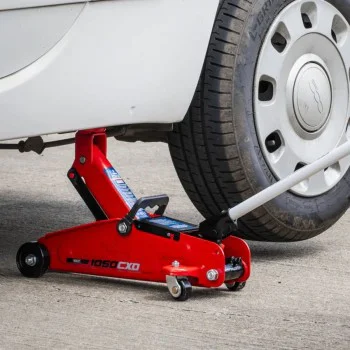
A hydraulic jack is used for tire changes, wheel mounting, brake system inspections, suspension maintenance, exhaust system repairs, and visual inspection of the vehicle's undercarriage. In a service environment, it is often used in conjunction with car stands, wheel chocks, rubber pads, mats, and hand tools. This makes lifting more controlled and keeps the work area tidier.
For home use, a hydraulic jack is useful for seasonal tire changes, light repairs, and emergency situations. For more intensive professional work, models with a higher load capacity, a stable base, a comfortable long handle, and smooth pressure release are preferred. In a service setting, the size of the wheels, maneuverability on the floor, access to lifting points, and lifting speed are also important.
How to Choose the Right Hydraulic Jack
The first criterion is load capacity. It must match the vehicle's weight and the actual work to be performed. For passenger cars, more compact solutions are often sought, while vans, SUVs, trailers, and agricultural machinery require a higher capacity. Do not operate at the limit of the permissible load; a margin in load capacity ensures safer and more controlled operation.
The next criterion is the lifting height. The minimum height indicates whether the jack will fit under the vehicle, while the maximum height determines how high the load can be lifted. For low-profile vehicles, a low-profile hydraulic jack is more practical, while for off-road vehicles and vans, a longer stroke is more valuable. The size of the lifting platform and the shape of the contact area also affect stability.
- Construction type: alligator, bottle, low-profile, or pneumatic-hydraulic variant.
- Capacity: tailored to the vehicle's weight and operating conditions.
- Working height: minimum access height and maximum height for safe service reach.
- Convenience: handle length, lifting stroke, wheels, size, and weight.
- Compatibility: vehicle lifting points, rubber adapters, and available garage space.
Comparison of the main types
| Type | Practical use | Distinctive features |
|---|---|---|
| Service jack | Auto repair shop, garage, frequent tire changes | Maneuverability, low center of gravity, comfortable handle |
| Low-profile | Cars with low ground clearance | Easy access under sills and sports cars |
| Cylinder | Vans, SUVs, trailers, higher lifting points | Compact size and high load capacity |
| Pneumatic-hydraulic | Intensive service work | Air-assisted operation and less effort |
Safety, maintenance, and accessories
Working with a hydraulic jack requires a level and firm surface, proper positioning under the factory lifting points, and securing the vehicle against movement. The jack lifts the load but does not replace service stands when working under a vehicle. After lifting, the load is supported with stands of sufficient load capacity, and the wheels remaining on the ground are secured with chocks.
Regular maintenance extends the life of the mechanism. It is helpful to check for oil leaks, the condition of the seals, the movement of the wheels, the cleanliness of the piston, and the operation of the release valve. Contaminants on the hydraulic components can accelerate wear, so the device should be kept clean and protected from moisture. For models with moving parts, periodic lubrication of the joints and axles maintains smooth operation.
Hydraulic jacks are often accompanied by rubber pads to protect the sills, car stands, wheel chocks, and trays or carts for more organized work around the vehicle. These accessories are not just a convenience but part of a tidy and safe service process.
Hydraulic jack for precise and controlled operation
The right hydraulic jack saves time when servicing vehicles and provides better control when lifting. The choice between an alligator, bottle, low-profile, or pneumatic-hydraulic model depends on the type of vehicles, working height, load capacity, and frequency of use. Browse the offerings at Toolsbox.bg and choose a hydraulic jack that suits your service shop, garage, or mobile work.