
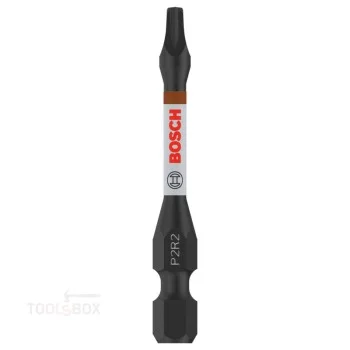
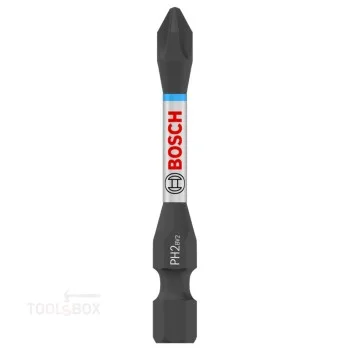
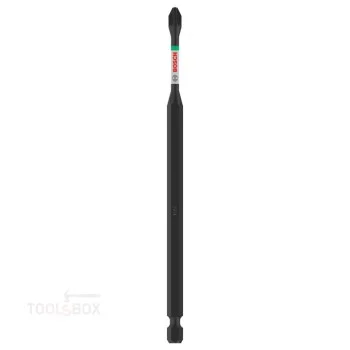
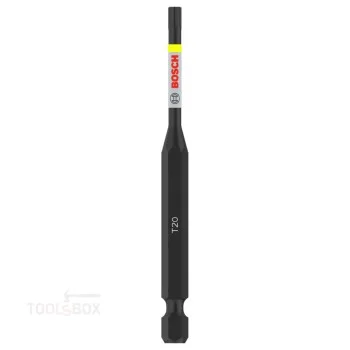

Impact bits
Impact bits for screwdrivers, impact wrenches, and heavy-duty applications
Impact bits are used with screwdrivers and impact drivers where torque is higher and the load on the tip is significantly greater than during standard fastening. They are designed for installation, repair, assembly of structures, working with fasteners in wood, metal, drywall, profiles, furniture, machinery, and service work. A properly selected bit reduces slippage in the screw head, protects the fastener, and helps ensure more precise power transfer from the tool to the screw.
In impact mode, a standard bit often wears out quickly, bends, or breaks under peak load. Impact bits are designed to absorb the sudden impulses from the machine. In many models, this is achieved through a torsion zone that absorbs part of the stress and protects the tip from premature damage. Such bits are a practical choice for professional installers, technicians, construction crews, carpenters, auto mechanics, and demanding DIYers.
What do impact bits include?
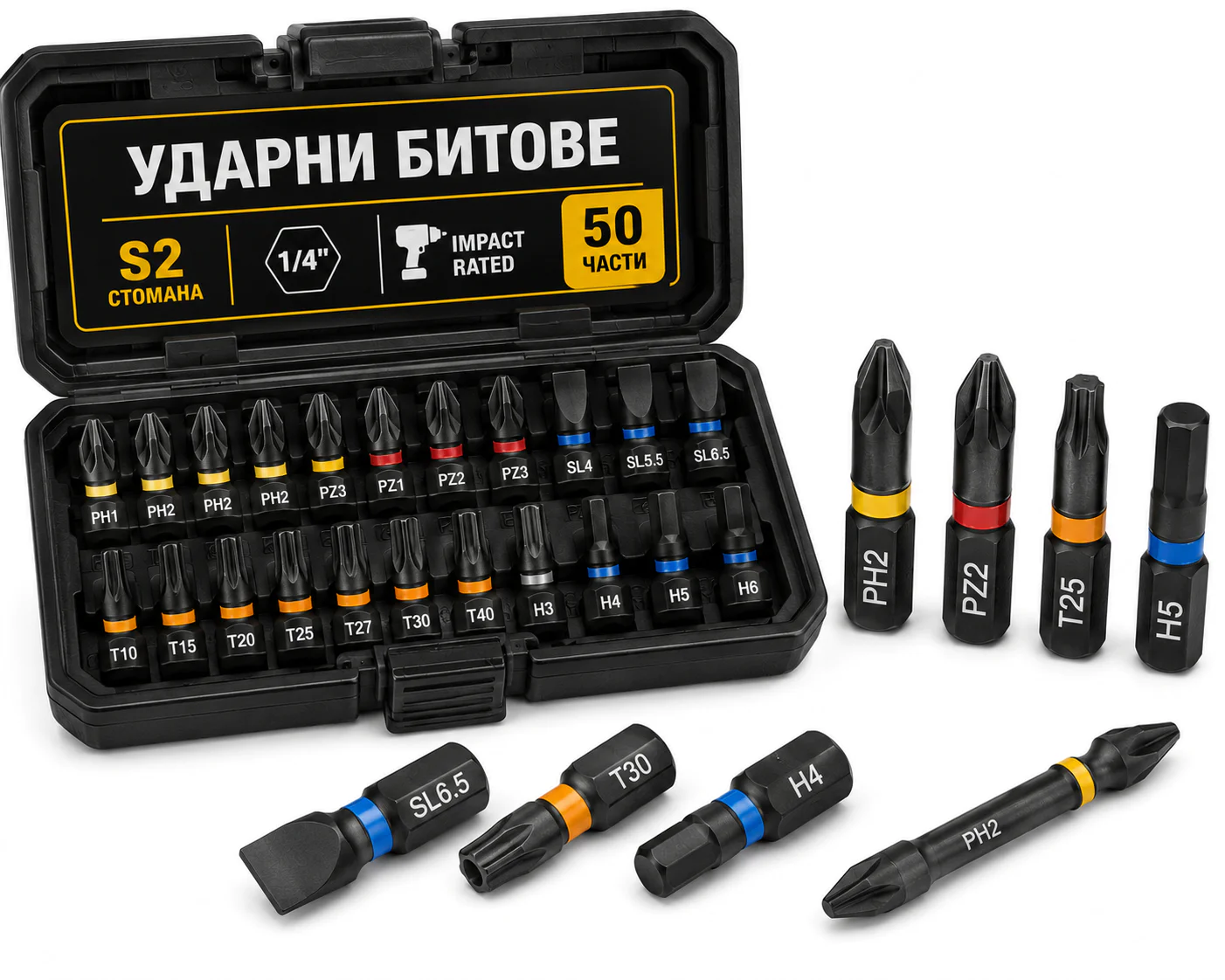
The range includes bits for various types of fasteners and tasks. Options range from individual bits to small sets for everyday installation and more comprehensive sets for workshops or service centers. When selecting, consider the profile shape, size, length, material, fit with the holder, and compatibility with the power tool being used.
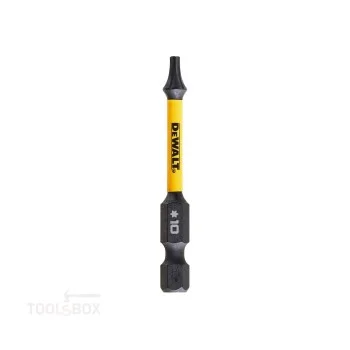
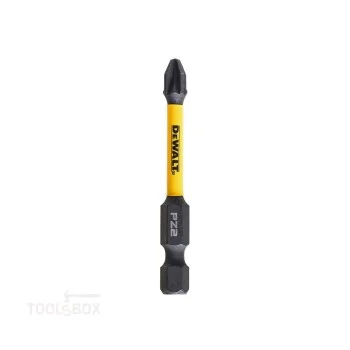
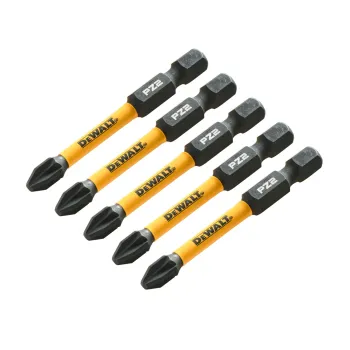
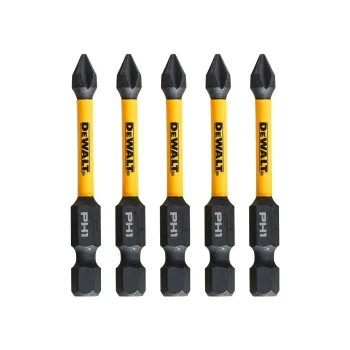
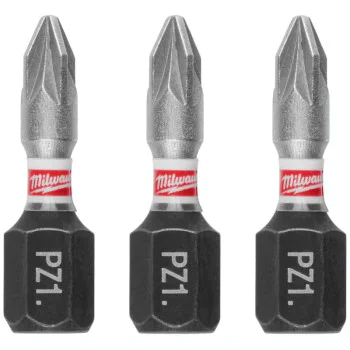
- PH and PZ bits-for Phillips-head screws used in furniture assembly, woodworking, paneling, and light-duty construction.
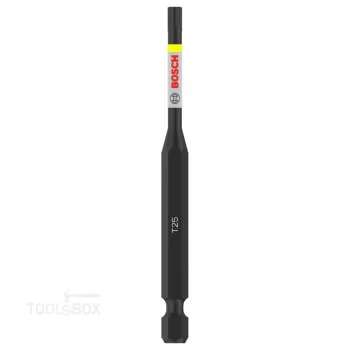
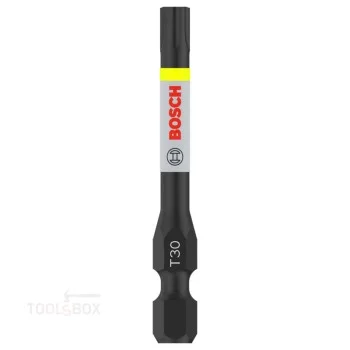
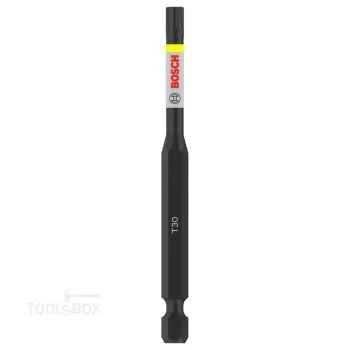
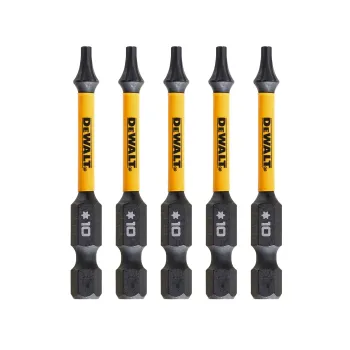
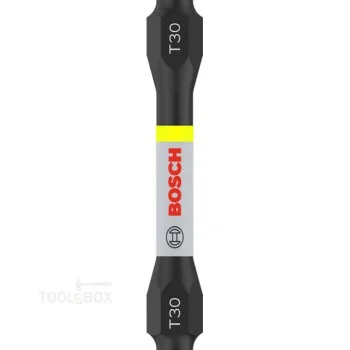
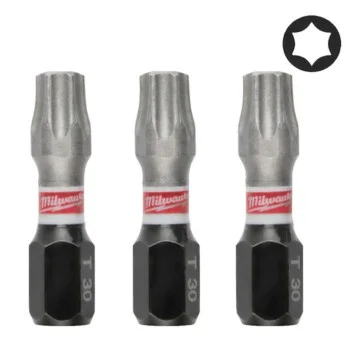
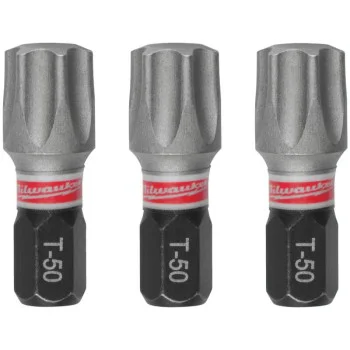
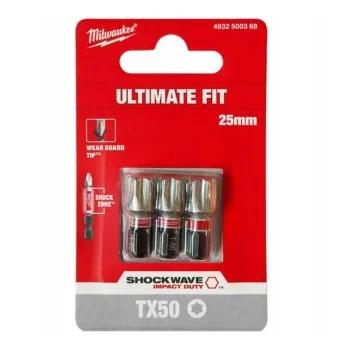
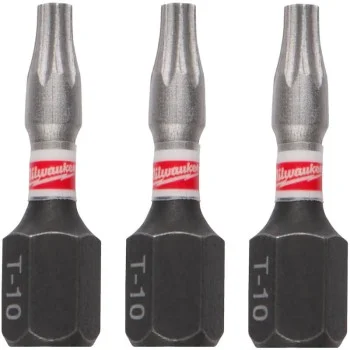
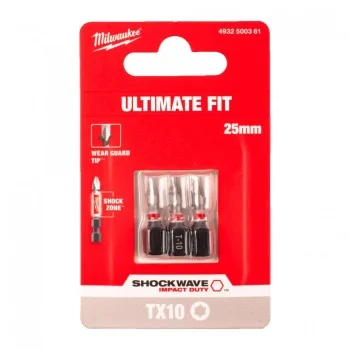
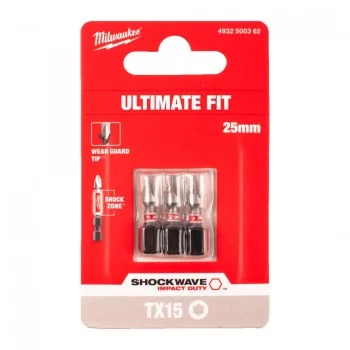
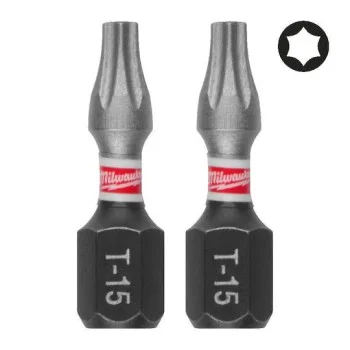
- Torx bits-for six-point star screws used in machinery, automobiles, metal assemblies, and wooden structures.
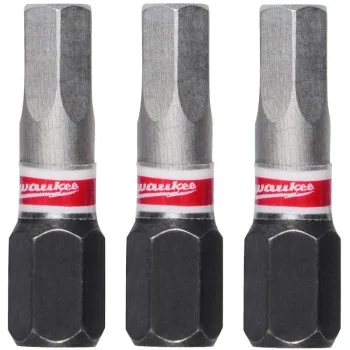
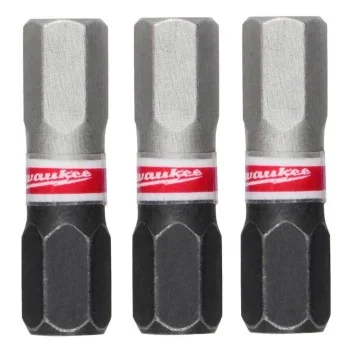
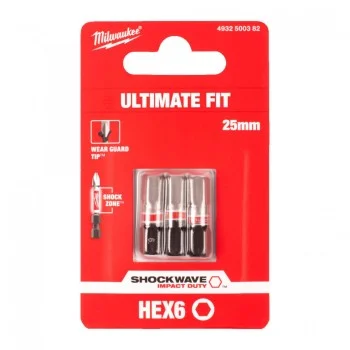
- HEX bits-for internal hex heads on fasteners, furniture screws, mechanical assemblies, and service operations.
- Flat bits - for standard slotted screws in repair and assembly work.
- Long impact bits - for deeper access, working in profiles, corners, housings, and hard-to-reach places.
- Short bits - for compact work with a holder, extension, or directly in a chuck with a 1/4'' hex drive.
Differences between the various types
Impact bits differ not only in the shape of their tips. The profile must match the screw exactly, because even a slight mismatch accelerates wear and increases the risk of damaging the head. For example, PH and PZ look similar but are designed for different cross-head fasteners. The Torx profile transmits torque more reliably when the size is correct, while HEX is required for screws with an internal hexagon.
Length also affects performance. Short bits are more stable for direct tightening and take up little space in a toolbox or pocket organizer. Bits measuring 50 mm, 75 mm, or longer facilitate access when working in recesses, channels, and assembled components. In tight spaces, a long bit often eliminates the need for an additional extension.
The material and heat treatment are important for long-term use. Tool steel is often used, including S2 steel for heavier-duty series. Coatings such as black oxide, phosphate coating, or a titanium finish can help protect against corrosion and reduce wear on the working part. Magnetized tips facilitate screw positioning, especially when working with one hand or overhead.
Selection Based on the Tool and Task
When working with an impact driver, it is advisable to choose a bit designed for impact loads. Such bits are designed for high torque and are better suited for driving long screws, self-tapping fasteners, screws for wood construction, and metal profiles. Impact bits can also be used with a standard cordless screwdriver, provided the shank and size match.
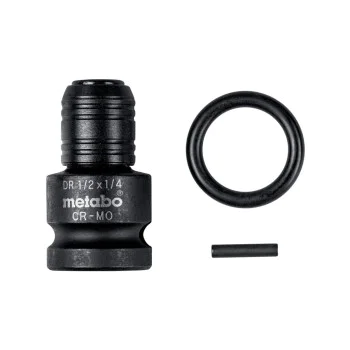
The most common bit shank is 1/4" hex, compatible with most holders, magnetic adapters, extensions, and bit sockets. For impact wrenches with a square drive, an adapter is often required. When using a holder, it is best for the bit to fit securely without excessive play, as this improves control and reduces wear on the tip.
For serial tightening of the same fasteners, it is better to select several identical bits in the exact size rather than working with an unsuitable profile. For mixed tasks, sets of impact bits with different profiles and lengths are a practical option. This way, the toolbox contains ready-to-use bits for furniture assembly, building wooden frames, fastening metal strips, repairing appliances, or workshop maintenance.
Practical criteria when buying
Good compatibility between the screw, bit, and tool is crucial for clean work. A bit that is too small will slip in the screw head, while one that is too large will not fit into the profile. For Torx fasteners, sizes T10, T15, T20, T25, T30, and T40 cover various applications, while PH2 and PZ2 Phillips screws are very common in assembly work. Smaller sizes are also used for furniture and appliances.
- Check the screw head type-PH, PZ, TX, HEX, or flat slot.
- Match the size-the tip must fit snugly into the fastener head.
- Choose the length-a short bit for stability, a long bit for access.
- Check for impact drive marking-required for impact drivers and heavy-duty tightening.
- Consider the drive-1/4" hex or use an adapter.
- Plan for spares-in continuous use, bits are consumables and wear out over time.
Operation, Safety, and Maintenance
Even a sturdy impact bit needs to be used correctly. The tool must be guided along the screw's axis, without tilting sideways. The pressure should be sufficient to prevent the tip from slipping, but not excessive. With hard materials and long fasteners, pre-drilling often protects the screw, the bit, and the workpiece. A worn bit with rounded edges should be replaced, as it begins to damage the fasteners and makes removal difficult.
After use, it is best to clean the bits of shavings, dust, and coating residue. Storing them in a holder, case, or box protects the tips from impact and prevents mixing up sizes. When working outdoors or in a damp environment, dry storage reduces the risk of corrosion. This keeps the bits organized and ready for the next task.
Impact bits for precise and secure installation
The impact bits selected at Toolsbox.bg assist with daily installation, construction, service, and repair tasks. Choose the right profile, size, and length based on the fastener and the tool you're using. This will give you better control when tightening, fewer damaged screws, and a more organized workspace in the workshop, on the job site, or at home.