
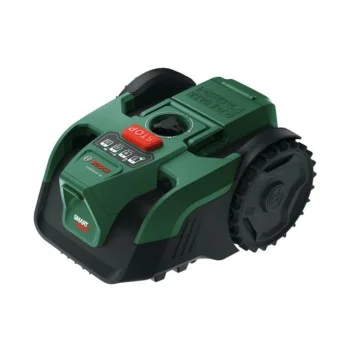
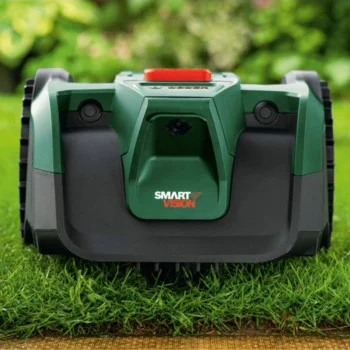
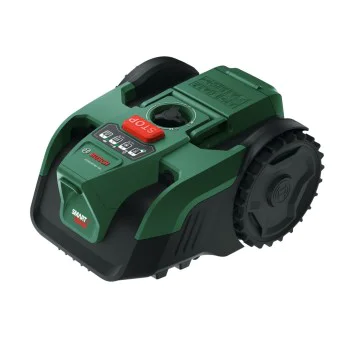
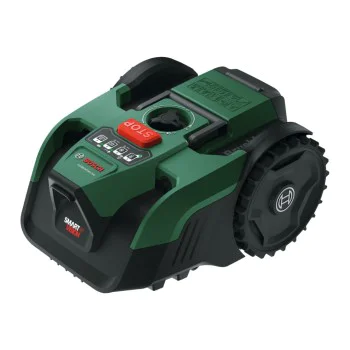
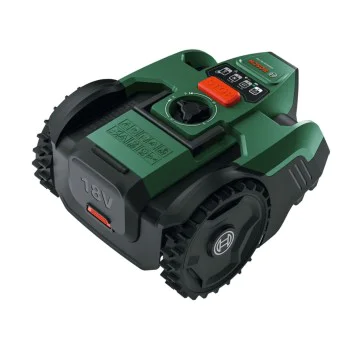
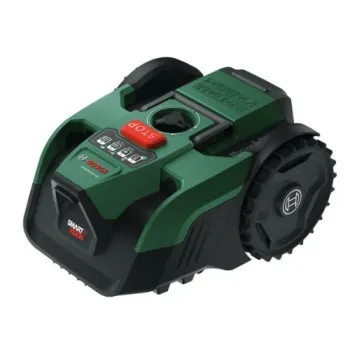
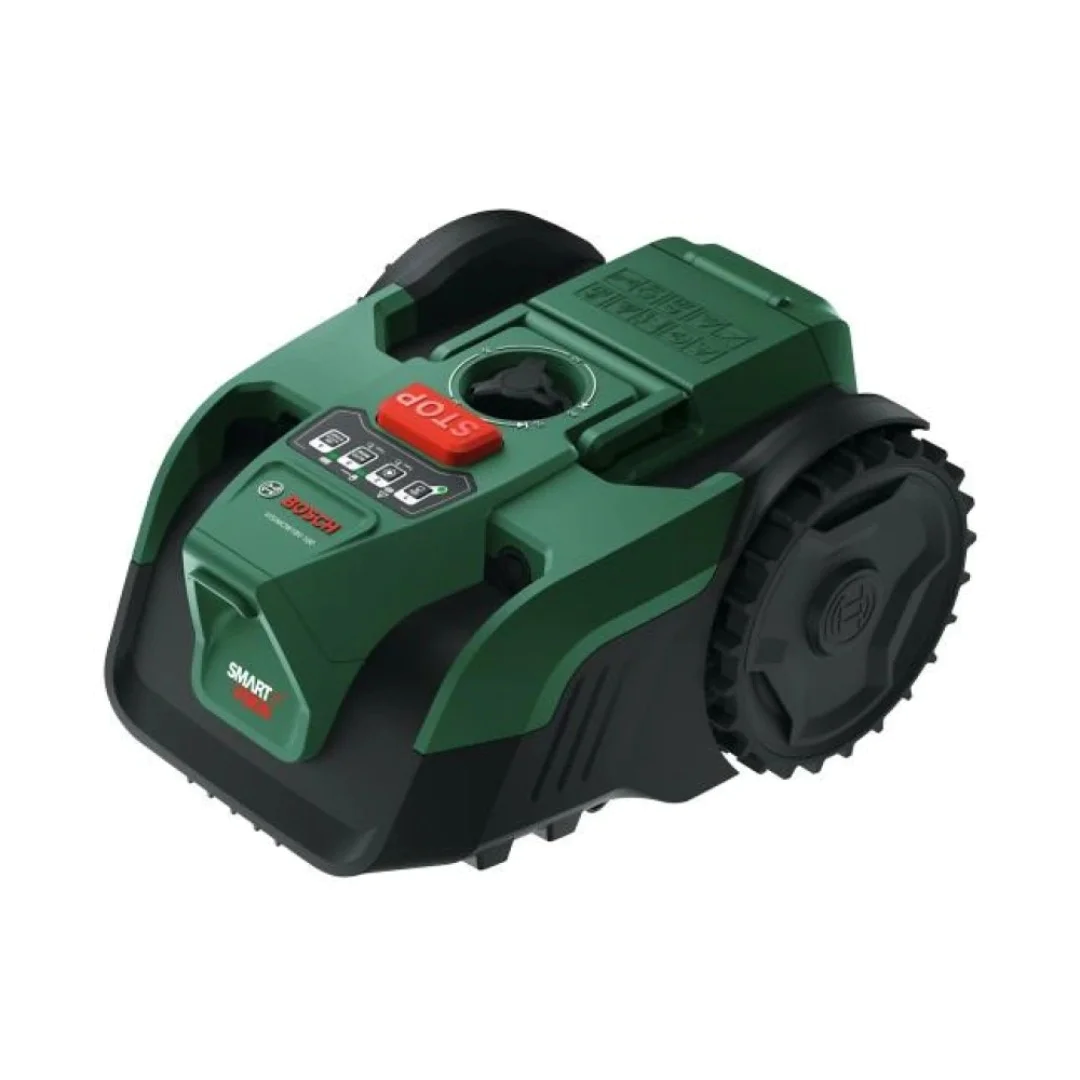
Robot mower
Robotic lawn mower for maintaining lawns with minimal manual labor
A robotic lawn mower is a practical solution for regularly mowing a yard, garden, or green space around a house, office, hotel, or other property. These machines operate autonomously on a set schedule, return to the charging station depending on the model, and keep the grass short through frequent, precise cutting. This keeps the lawn looking neat without the need to push a standard mower, collect clippings, or spend hours working on weekends.
This section includes robotic lawn mowers with varying coverage areas, cutting widths, cutting heights, navigation types, controls, and equipment levels. Some models use a boundary wire, others rely on more advanced navigation systems, and some offer control via a mobile app, rain sensors, theft protection, or settings for individual work zones. The choice depends on the size of the yard, the slope, the shape of the garden, the type of grass, and the expected frequency of use.
What Do Robotic Lawn Mowers Include?
A robotic lawn mower is a battery-powered garden machine designed for maintenance mowing. Instead of cutting tall grass all at once, it passes over the area multiple times and removes a small portion of the blades. The fine clippings remain on the lawn and decompose, helping to naturally nourish the grass. This method of operation differs from traditional mowing with a grass catcher and is very convenient for yards that are maintained regularly.
The standard package for many models includes the machine itself, a charging station, a power supply unit, and mounting hardware. For models with a boundary loop, a cable, stakes, and connectors are required, though their inclusion in the package depends on the specific model. For more complex terrain, additional accessories may be needed to define work zones, navigate narrow passages, or separate flower beds, walkways, pools, and other areas that should not be mowed.
Applications in the Yard, Garden, and Around the Building
Robotic mowers are valuable for lawns that need to look well-maintained throughout the season. They are used in private yards, vacation homes, green spaces in front of offices, small hotel courtyards, gardens around restaurants, and other locations with flat or moderately sloped lawns. For professional lawn maintenance, robotic mowers save time on routine mowing, while for home use, they offer greater convenience and consistent results.
For areas with trees, decorative zones, paths, and narrow passages, it's important to consider not only the maximum coverage area but also how the machine handles obstacles. Some models perform better in complex yards thanks to more precise navigation, multi-zone settings, or obstacle sensors. For open, simple-shaped lawns, a model with more basic controls is often sufficient, as long as the capacity and slope rating match the terrain.
Key differences between models
When choosing a robotic lawn mower, there are several technical parameters that directly affect its performance. The mowing area indicates the size of the lawn the model is designed for. It's a good idea to allow for some extra capacity if the yard is complex, the grass grows quickly, or there are many obstacles. The cutting width affects the mowing speed, and the height range allows for adjustment based on the season and grass type.
- Area capacity: selected based on the square footage of the lawn and the complexity of the terrain.
- Maximum slope: indicates the machine's ability to operate on slopes and uneven terrain.
- Navigation type: boundary wire, zone control, GPS, or other systems depending on the equipment.
- Battery and charging: affect operating time, pauses, and return to base.
- Height adjustment: manual or electronic, depending on the machine's class.
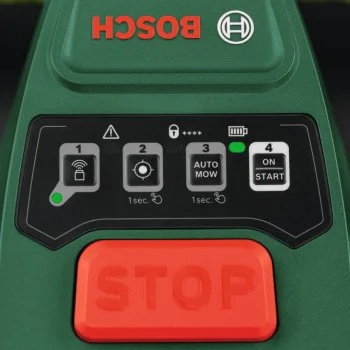
- Control: via a control panel, app, PIN code, schedules, and additional settings on some models.
Criteria for selecting a robotic lawn mower
First, measure the actual grass area, not the entire lot. Paths, patios, flower beds, structures, and pavements are not included in the working area. Next, assess the shape of the terrain-a large rectangular area is easier to maintain than a yard with several separate zones, narrow passages, and many obstacles. On uneven terrain, check the maximum slope and wheel traction.
The height of the grass also matters. Robotic mowers work best on well-maintained lawns, so when starting it up for the first time after a long period without mowing, it is advisable to trim the grass with a regular mower or trimmer. After that, the robot maintains an even height according to a schedule. For yards with an irrigation system, wet areas, or frequent rainfall, models with a rain sensor and adjustable operating times are useful.
Compatibility with accessories is another practical consideration. Spare blades, boundary wire, stakes, connectors, clamps, and consumables for seasonal maintenance make servicing easier. For larger areas or complex contours, it is wise to plan for additional installation materials. When replacing blades, ensure the correct blade type and follow the manufacturer's recommendations for the specific machine.
Safety, Maintenance, and Seasonal Operation
Robotic mowers typically feature lift, tilt, and obstacle sensors, and the blades stop if the body is in an unusual position. However, the work area must be prepared: cables, toys, garden hoses, stones, and small objects should be removed from the lawn. Access by small children and pets during mowing should be restricted according to the manufacturer's instructions.
Maintenance is relatively light but regular. The body is cleaned of grass clippings, the blades are inspected for wear, the wheels are checked for accumulated mud, and the charging contacts are kept clean. At the end of the season, the machine and battery should be stored according to the instructions, typically in a dry place and at an appropriate charge level. This preserves the battery's and electronics' performance for the following spring.
Choose a robotic lawn mower based on your terrain and mowing needs
At Toolsbox.bg, you can explore robotic mowers for various lawn sizes-from small home yards to larger green spaces with more zones and obstacles. Compare the service area, slope, control type, mowing settings, and necessary accessories and consumables. This way, you'll select a machine that matches the actual conditions in your yard and will keep the lawn clean, even, and ready for daily use.