
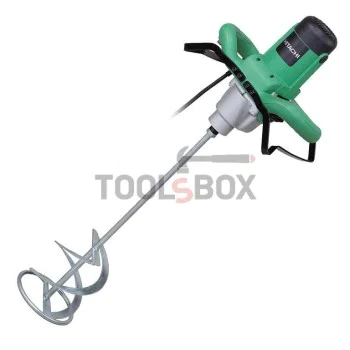
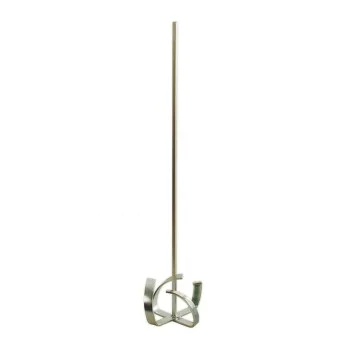
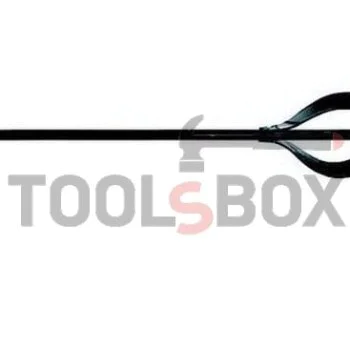
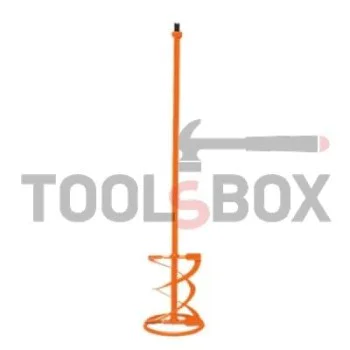
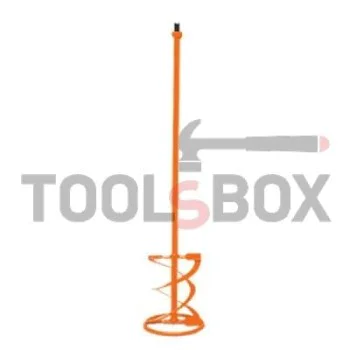
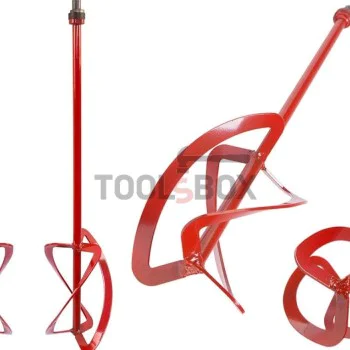
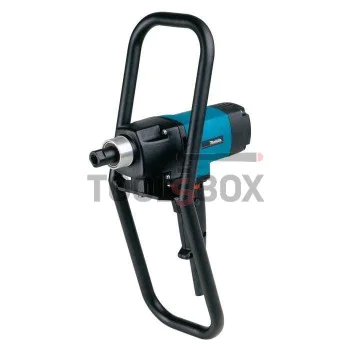
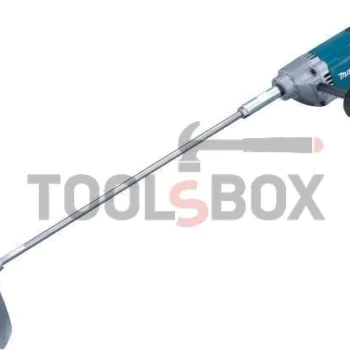
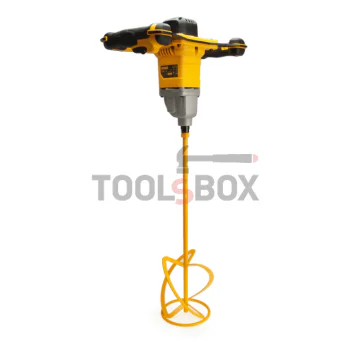
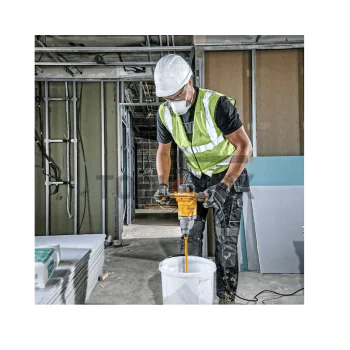
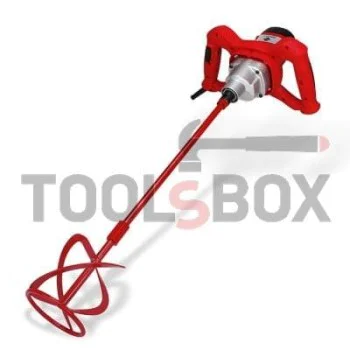
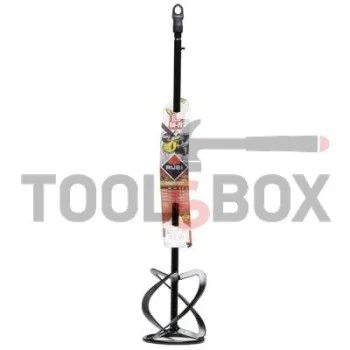
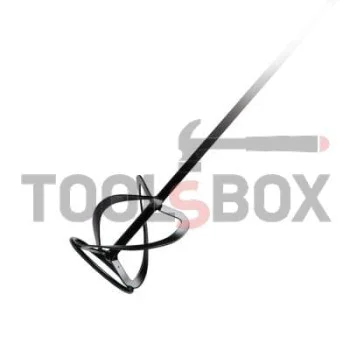
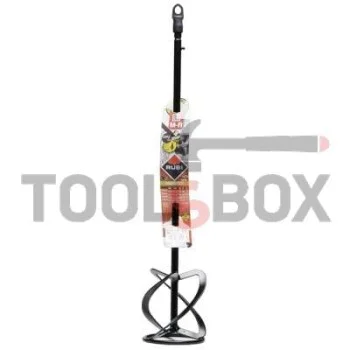
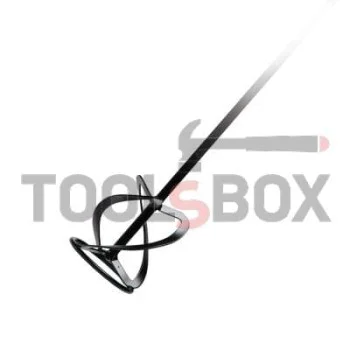
Stirrer for putty
Plaster Mixer - Uniform Mixing of Fine Construction Materials
A plaster mixer is a working attachment for a construction mixer, designed to homogenize plaster compounds, gypsum mixtures, adhesives, fine plasters, low-viscosity fillers, and other construction mortars. A well-chosen attachment breaks up dry patches, reduces lumps, and maintains a consistent consistency, which directly results in smoother application on walls, ceilings, joints, and prepared substrates.
When applying joint compound, the mixture requires controlled mixing without introducing too much air and without splashing around the container. A putty mixer with the correct spiral shape and a compatible shaft protects the power tool, makes the craftsman's work easier, and helps achieve a smooth surface after application. Toolsbox.bg offers a selection of tools for repair, construction, finishing work, installation, and workshop maintenance.
What tasks is the mixer used for?
A plaster mixer is used to prepare paste-like and powder-based mixtures, which are mixed with water or a ready-made additive according to the material manufacturer's instructions. It is needed for interior renovations, drywall construction, tile installation, substrate preparation, filling in uneven surfaces, and fine finishing operations.
For professional use, durable attachments are valuable, featuring a sturdy weld between the shaft and the working part, balanced geometry, and a size suitable for longer mixing cycles. For home use, compact solutions are typically sought that work comfortably in standard buckets and containers without overloading the mixer.
Types based on shape and movement of the mixture
Different blade shapes direct the material in different ways. One putty mixer pulls the mixture upward, another pushes it downward, and a third works more gently with liquid materials. This choice affects the speed of homogenization, cleanliness around the work area, and the load on the machine.
| Nozzle type | Working with material | Practical benefit |
|---|---|---|
| Spiral upward | Thick fillers, adhesives, fine mortars | Draws the mixture from the bottom and breaks up dry spots |
| Spiral down | Lighter mixtures, primers, more fluid materials | Reduces splashing and keeps the material in the container |
| Basket or ring-shaped | Fine fillers, paints, decorative mixtures | Works smoothly and maintains a smooth texture |
| Double spiral | Heavier mixtures with a powerful mixer | Mixes a larger volume in less time |
How to choose a putty mixer
A plaster mixer is selected based on the type of material, the container's volume, the mixer's power, and the attachment. The diameter of the working part affects the mixing range: smaller diameters are suitable for containers with limited volume and finer mixtures, while larger diameters are for more material and more powerful machines. The length of the shaft is also important because it allows for work in deeper containers without an awkward posture for the operator.
The attachment is another key factor. Tips are available with M14 threads, a hexagonal shank, or other standard connections depending on the specific mixer and chuck. Before purchasing, it is advisable to check compatibility with the machine, the permissible diameter of the mixer, and the RPMs specified for the specific power tool. If the attachment is too large, the weaker mixer becomes overloaded, and if the attachment is too small, mixing slows down and remains uneven.
Material, coating, and durability
The working part of the mixers is usually made of steel with a protective coating, which limits corrosion and facilitates cleaning after contact with plaster, cement, adhesive, or polymer additives. For abrasive mixtures, it is advisable to opt for a sturdier shaft and well-formed spirals, as bending and vibrations affect the uniformity of the mixture. The smooth surface retains fewer residues and is easier to wash off before the material sets.
Compatibility with a construction mixer
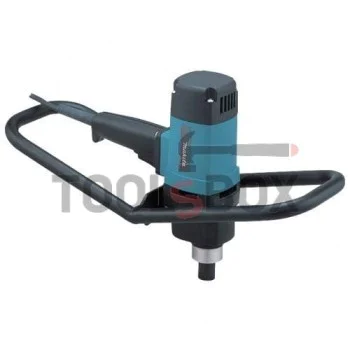
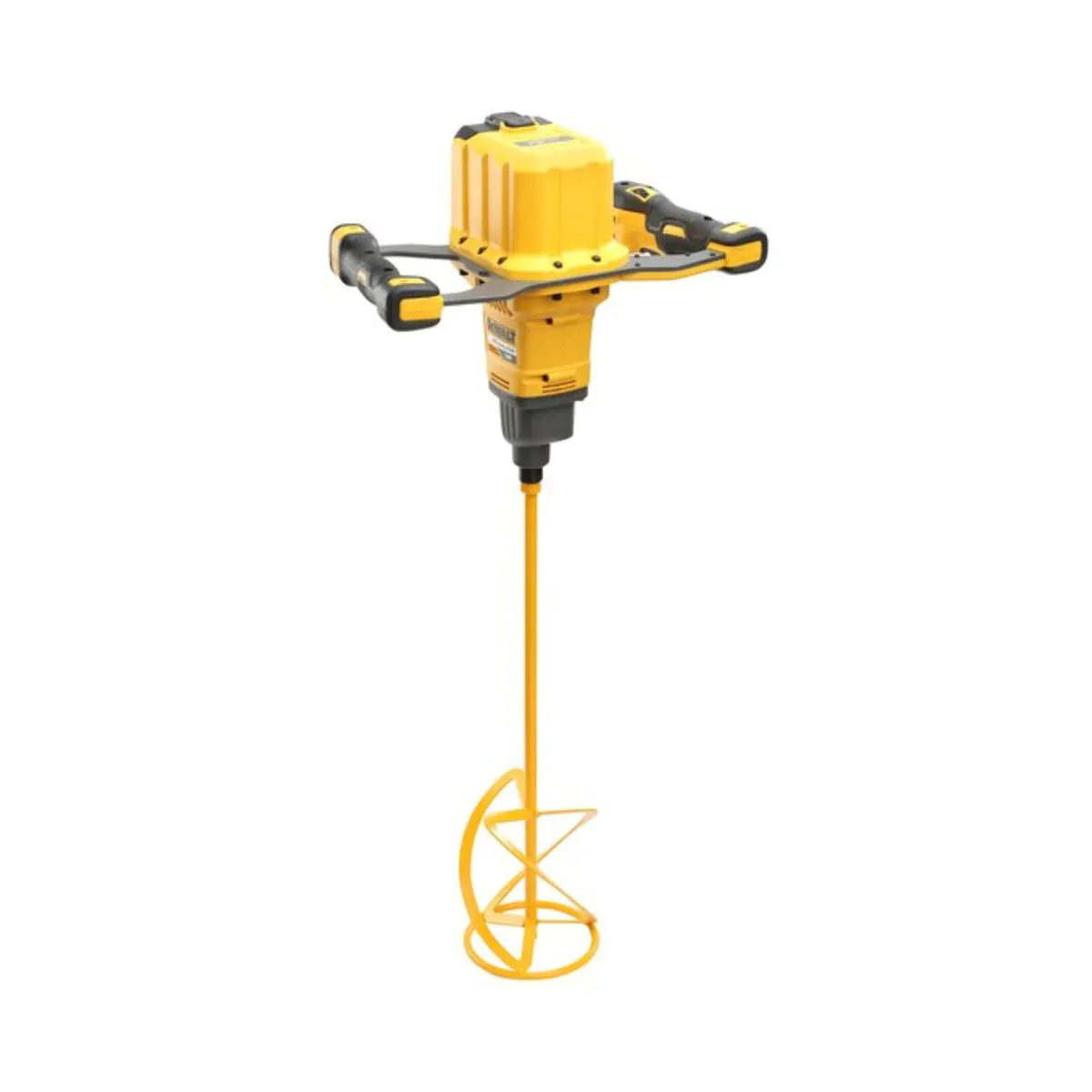
A plaster mixer works best with a machine that maintains speed control and sufficient torque for the specific mixture. Low speeds are preferred for thicker materials because they limit splatter and prevent the mixture from foaming excessively. For fine plastering, a smooth start helps ensure a clean start to mixing, and a stable grip reduces hand vibrations.
When choosing between several models, pay attention to the maximum recommended mixing volume, the impeller diameter, the shaft length, and the type of tail. When working on a site with different materials, it is practical to keep separate attachments for fillers, adhesives, and more liquid mixtures, so that residues from previous work do not alter the structure of the new mixture.
Operation, Safety, and Maintenance
Before mixing, place the container on a stable surface and immerse the mixing head in the material before turning on the mixer. This reduces splashing and protects surrounding surfaces. Do not use a damaged, bent, or visibly cracked mixer, as vibrations strain the machine and can result in an uneven mix. To protect the operator, safety goggles, gloves, and work clothing are required, especially when working with dry, powdery mixtures.
After finishing work, wash the mixer immediately with water or a cleaning agent suitable for the specific material. Dried-on residue increases the weight of the nozzle, disrupts balance, and makes the next mixing operation difficult. Storing the mixer in a dry place protects the finish and extends its service life.
Choose the right mixer for your job
A putty mixer is a small accessory that directly affects the pace and results of finishing work. Select a model based on the mixture, container, grip, and power of the mixer to achieve a uniform consistency and cleaner work. Browse the selection at Toolsbox.bg and get your equipment ready for precise mixing during repairs, construction, and professional use.