
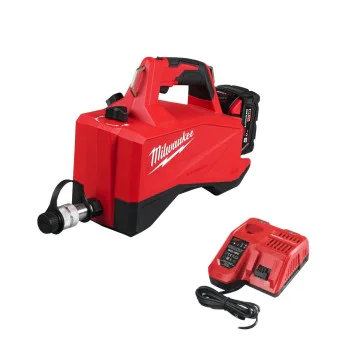
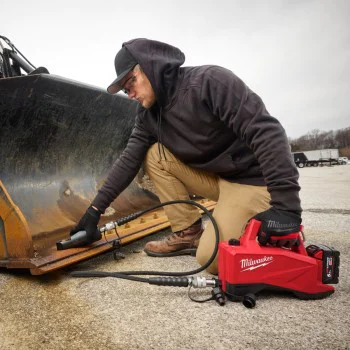
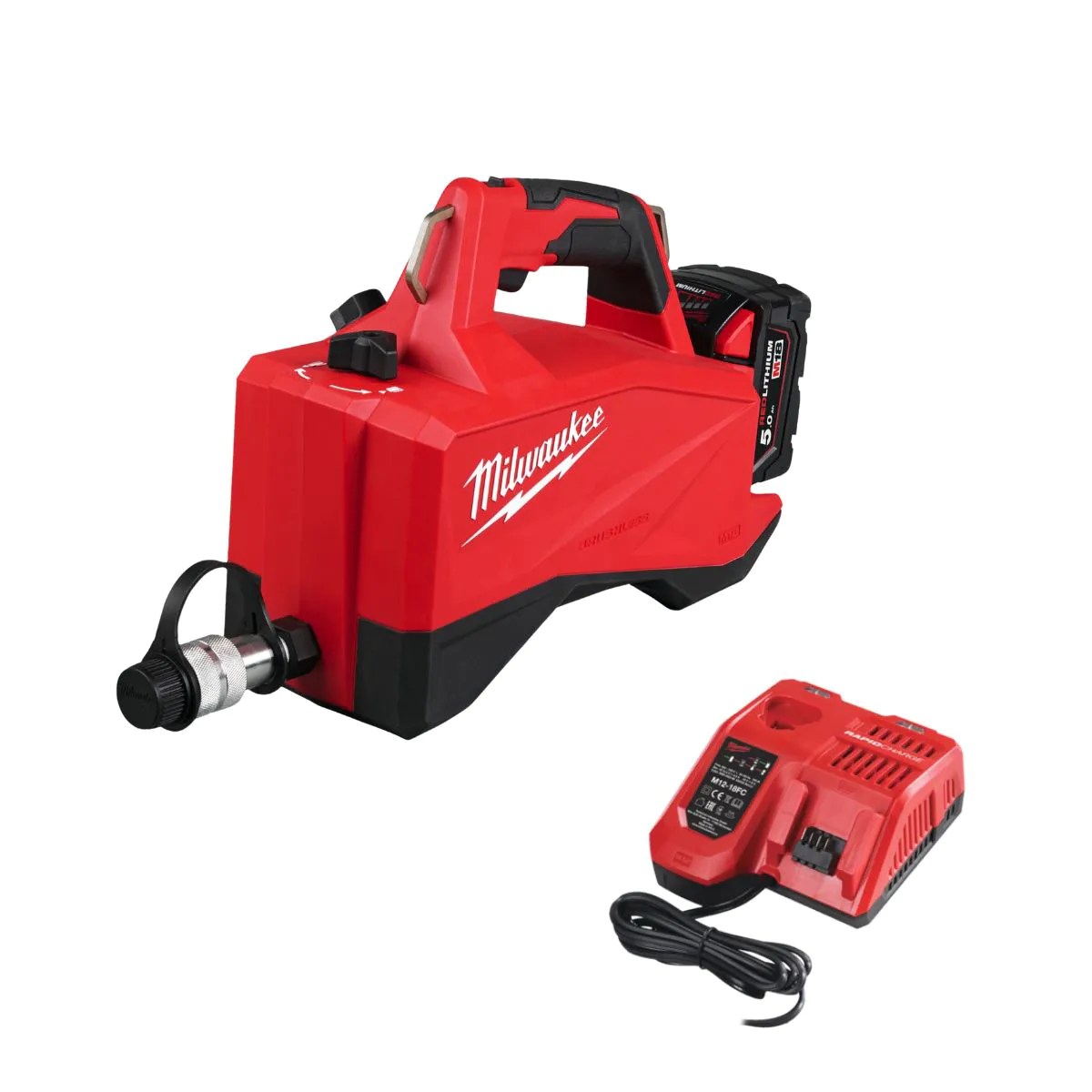
Electric hydraulic pump
Electric hydraulic pump for heavy-duty hydraulic operations
An electric hydraulic pump supplies pressurized oil to hydraulic cylinders, presses, crimping heads, nut runners, pullers, and other power tools. It replaces manual pumping for tasks involving heavier loads, repetitive operations, or the need for smoother movement of the working tool. Such pumps are valuable in service shops, installation teams, production areas, construction, metalworking, and machine maintenance, where pressure control and stable flow are critical for precision and safe operation.
This section features electrohydraulic pumps for professional and heavy-duty home use, designed for lifting, pressing, stretching, pulling, cutting, crimping, and other hydraulically driven operations. Some models are compact and portable, while others are designed for heavier-duty applications with a larger reservoir, higher flow rate, or control via a foot pedal, button, remote control, or distribution valve. With the right model, the operator gains better control over the cylinder's stroke, reduced physical strain, and a more consistent workflow.
What does the range of electro-hydraulic pumps include?
An electro-hydraulic pump combines an electric motor, an oil reservoir, a pump assembly, flow control valves, and ports for connecting hydraulic hoses. Depending on the specific model, it operates with single-acting or double-acting cylinders, with single or dual hydraulic lines, and features manual, foot, or remote control. Some models include a pressure gauge or a port for mounting a pressure gauge, which facilitates pressure monitoring during operation.
The various models differ in operating pressure, flow rate, tank capacity, power source, dimensions, weight, load class, and control method. For short service operations, a more compact, easily portable pump is convenient, while for prolonged work with large cylinders, a model with a larger oil capacity and stable performance is a better choice. For operations requiring both hands free, foot control is very practical, while remote control via a handheld unit provides better control and greater safety for the operator.
Typical applications in service, installation, and construction
Electric hydraulic pumps are used in the repair of heavy equipment, maintenance of industrial facilities, installation of metal structures, and work with hydraulic presses, bearings, bushings, axles, bolted joints, and cable lugs. They are useful for tasks where a manual pump would slow down the work or place an excessive burden on the operator.
- Service operations: powering cylinders, presses, pullers, spreader sets, and removal tools.
- Installation and construction: positioning, lifting, clamping, and aligning metal components.
- Electrical installation: working with hydraulic crimping heads for cable lugs and connectors.
- Metalworking: bending, punching, cutting, or pressing using compatible hydraulic heads.
- Machine maintenance: controlled release, tensioning, or pulling of components under load.
Selection based on pressure, flow rate, and hydraulic compatibility
When purchasing an electric hydraulic pump, the most accurate approach is to match the pump's parameters to the tool it will power. The operating pressure must match the cylinder or hydraulic head, and the flow rate affects the speed of movement. A higher flow rate reduces the piston travel time, but for precision operations, smooth control is necessary to prevent excessive stress on the workpiece.
The tank volume is selected based on the required stroke and the oil volume of the connected cylinders. With large cylinders or a long stroke, a small tank limits operation. The type of hydraulic circuit also matters: single-acting cylinders return the piston via a spring or load, while double-acting cylinders require oil supply in both directions. The compatibility of quick-connect fittings, threads, hoses, and hydraulic fluid must be verified before commissioning.
| Criterion | What to Consider | Practical significance |
|---|---|---|
| Operating pressure | Pump and tool pressure | Prevents overload and insufficient power |
| Flow rate | Amount of oil per unit of time | Determines the speed of the cylinder or head |
| Tank | Volume relative to the cylinder and stroke | Provides sufficient oil for the full operating cycle |
| Control | Manual, foot-operated, or remote | Affects operator comfort, control, and positioning |
| Connections and hoses | Size, thread, coupling, pressure | Ensures proper connection without leaks |
Materials, control, and operating environment
In electric hydraulic pumps, the housing, reservoir, valves, and seals are subjected to pressure, vibrations, temperature changes, and contact with hydraulic oil. Therefore, when selecting a model, pay attention to the tank design, the protection of the electric motor, the stability of the base, the quality of the couplings, and access to service points. For mobile teams, models with a handle, a compact body, and lower weight are convenient, while for a stationary workshop, more powerful versions with a larger oil capacity are preferred.
The control method directly affects operation. The foot pedal frees the operator's hands when positioning the workpiece. Push-button control is convenient for standard service operations. The remote control keeps the operator in a safer position when working with loaded structures or large workpieces. For presses and cylinders used in precision operations, smooth pressure relief is beneficial, as the return of the piston must be controlled.
Safety, Maintenance, and Consumables
The hydraulic system operates under high pressure, so the connection of hoses, couplings, and tools must be clean, tight, and within the specified parameters. Damaged hoses, contaminated quick-connect fittings, or unsuitable oil shorten the pump's service life and increase the risk of leaks. Before operation, it is advisable to inspect the connections, oil level, condition of the seals, and movement of the control elements.
Regular maintenance includes changing or topping off the recommended hydraulic oil, cleaning around the couplings, storing hoses without kinks, and protecting electrical components from moisture and dust. When working with cylinders and presses, it is best to apply the load along the tool's axis to reduce lateral force on the seals and piston. This ensures the electro-hydraulic pump maintains stable operation for more service cycles.
Electric Hydraulic Pump from Toolsbox.bg
At Toolsbox.bg, you'll find a selection of electric hydraulic pump models for service, installation, construction work, and use with hydraulic tools. Compare pressure, flow rate, tank capacity, control options, and compatible accessories to choose a model that fits your cylinders, hoses, and specific work task.