
Hats
Hats for work, maintenance, and everyday protection
Hats are a practical part of workwear when tasks require protection from cold, sun, dust, or light soiling. They are worn in construction, service, warehouses, workshops, gardens, installation work, and outdoor maintenance. The right model protects the head and ears from cold temperatures, reduces discomfort in windy conditions, and helps make work more pleasant throughout the day.
When choosing hats for the workplace, the season, fabric, cut, size, and how they pair with other clothing are important factors. For winter tasks, thick knit or fleece options are preferred, while models with a visor are more practical when working in the sun. For service and warehouse activities, lightweight fabrics are preferred, as they do not restrict movement and do not trap excess heat.
What do work hats include?
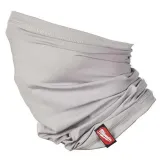
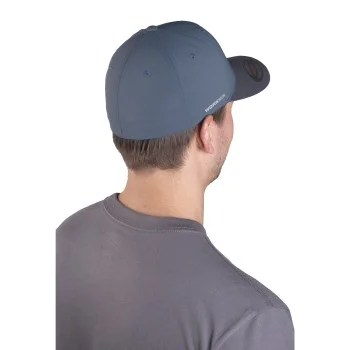
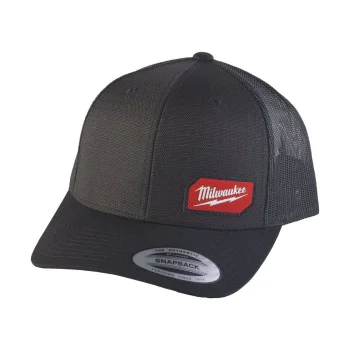
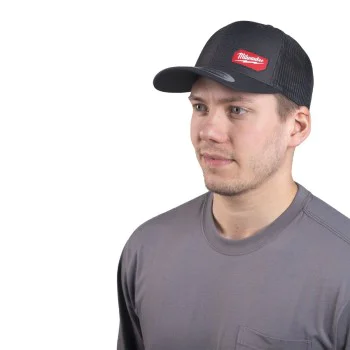
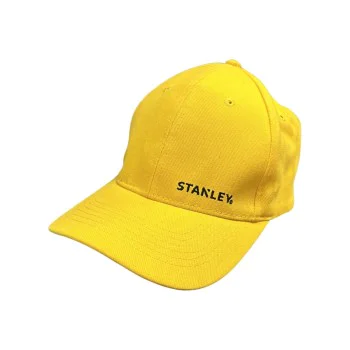
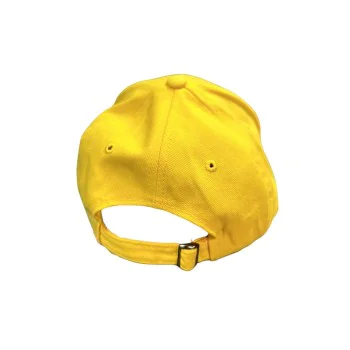
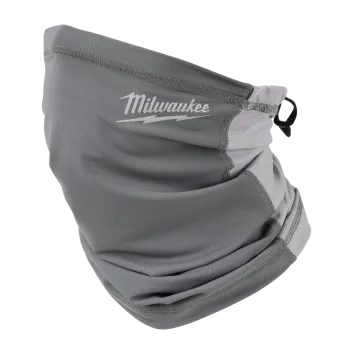
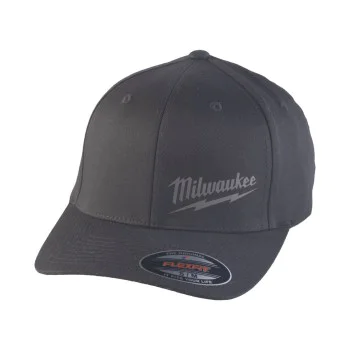
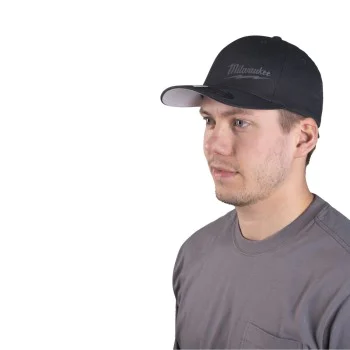
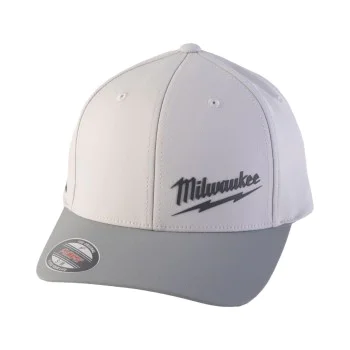
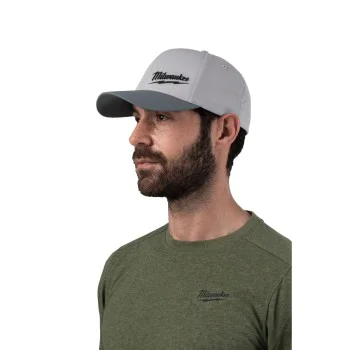
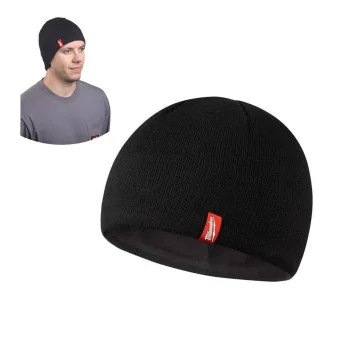
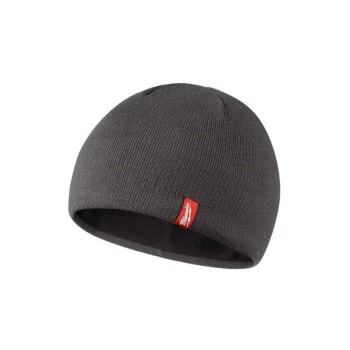
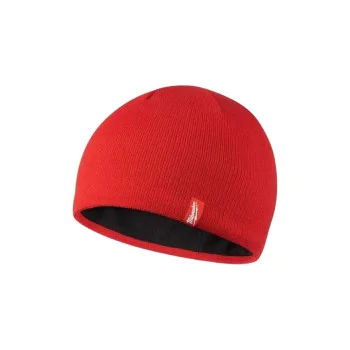
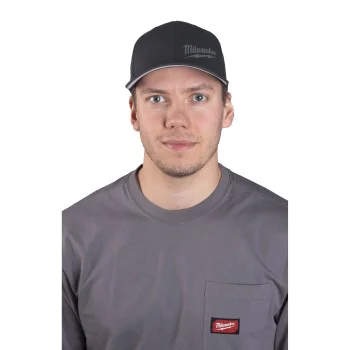
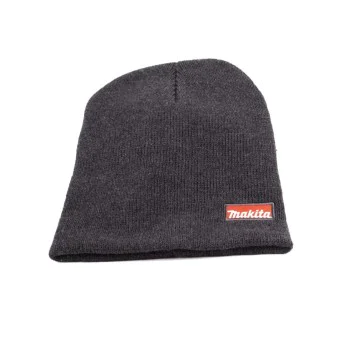
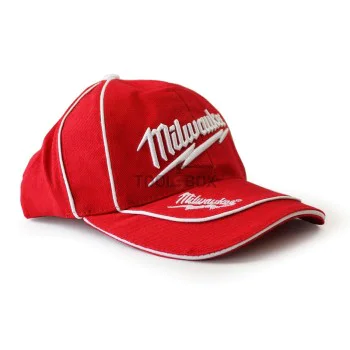
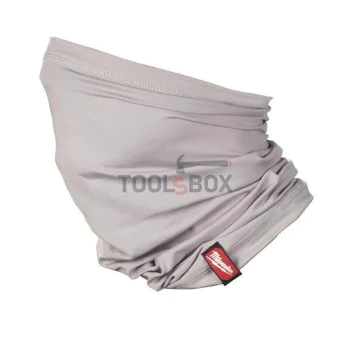
Work hats come in various styles designed for seasonal protection and comfort. These include winter knit hats, fleece options, lined models, visor hats, beanie-style hats, lightweight summer options, and practical choices for everyday wear. Some models are designed for outdoor work, while others are suitable for workshops, warehouses, or service centers where lighter protection is needed.
Materials may include cotton, polyester, acrylic, fleece, or blended fabrics. Cotton styles are comfortable against the skin and wear well during milder seasons. Synthetic fibers dry faster and retain their shape after washing. Fleece and thick knits retain heat and are valued when working in cold rooms, on a construction site, or outdoors in the winter.
Main Applications at Work
Workwear hats are selected based on the specific activity. During outdoor construction and renovation, they protect against cold air, wind, and light dirt. For gardening and yard maintenance, models with a visor shield the face from the sun and improve visibility in bright light. In warehouses, service centers, and production facilities, lightweight caps keep hair out of the way and create a more professional appearance.
When working with machines and tools, it is desirable for the cap to fit snugly and have no loose parts that could get caught. Models without hanging elements are more practical around power tools, hand tools, lifting equipment, or workbenches. For cold mornings, outdoor shifts, and transportation activities, a thicker hat with ear flaps provides better thermal protection.
Types of hats according to season and conditions
| Model type | Advantages | Work environment |
|---|---|---|
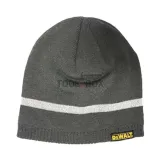
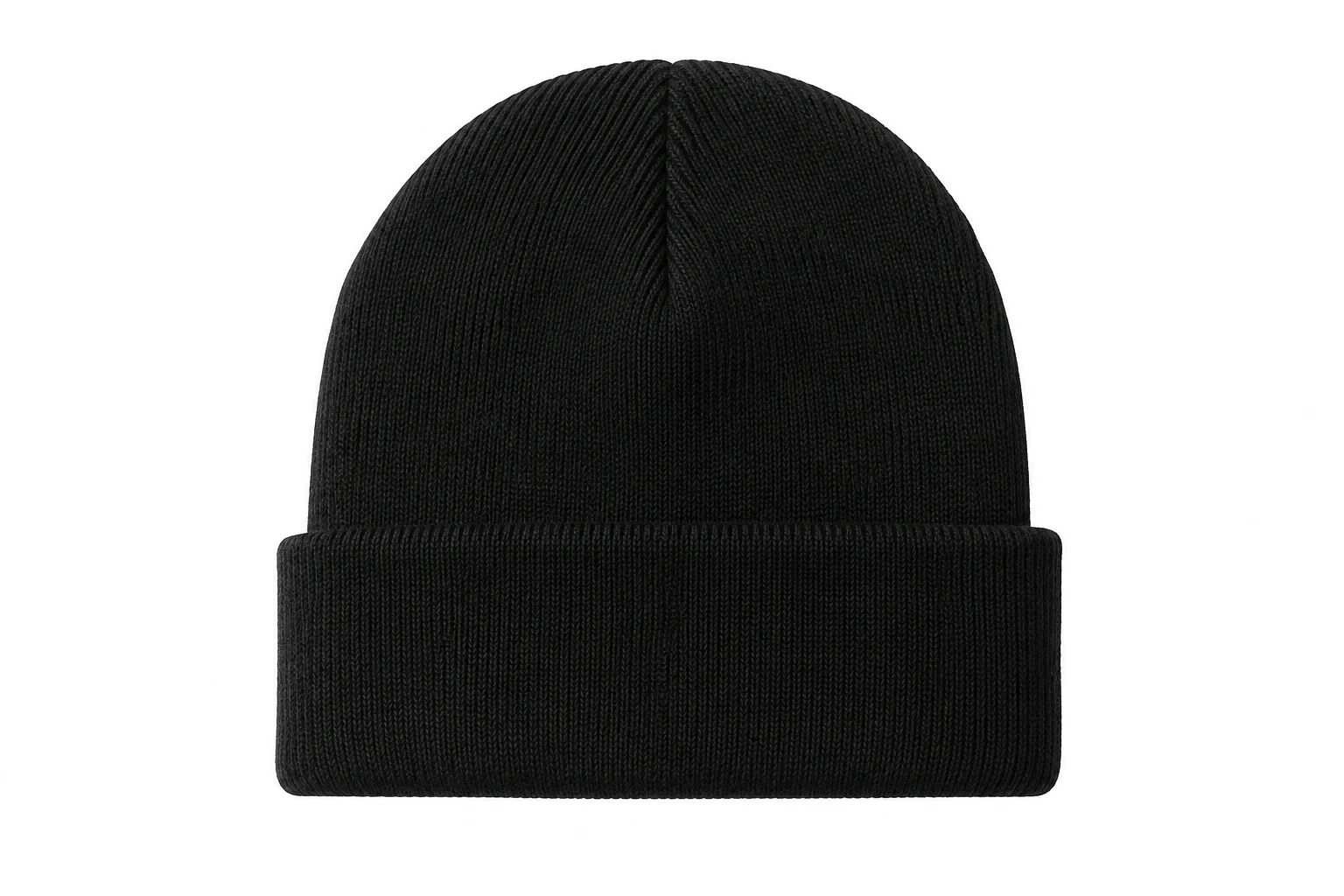
| Winter knit hats | Warmth, soft texture, easy to store in a pocket or backpack | Construction, warehouses, outdoor installation, winter maintenance |
| Fleece hats | Lightweight, warm, quick-drying, and compact | Maintenance, gardening, outdoor work in cold weather |
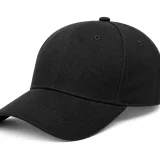
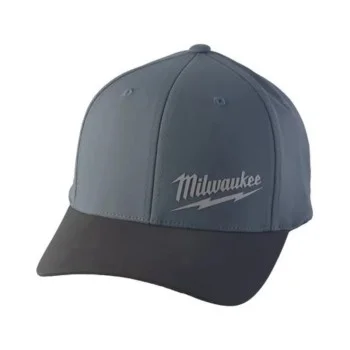
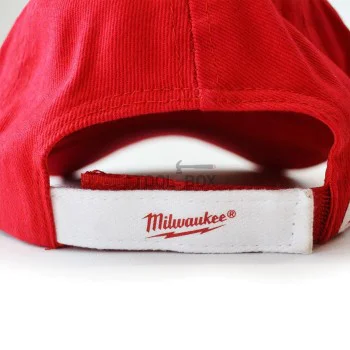
| Caps | Sun protection, better visibility, everyday work look | Yard, transportation, warehouse, outdoor sites |
| Lightweight textile models | Comfort in warmer weather and good breathability | Workshop, installation, light repair work |
How to choose the right model
When buying hats, check a few practical factors. Size is the first consideration-a model that's too tight creates tension, while one that's too loose shifts when you bend over or work actively. Elastic knit options fit a range of head sizes, while adjustable models offer more control for hats with a brim.
The fabric depends on the season and the intensity of your work. For cold weather, fleece, acrylic knit, and models with an inner lining are suitable. For warmer days, cotton or blended fabrics with better breathability are practical. For daily work use, look for hats that are easy to wash, retain their shape, and do not require complicated maintenance.
The cut also affects comfort. Low-profile styles fit well under a jacket hood. Deeper winter hats cover the ears and are a better choice in windy conditions. Styles with a brim help when working in the sun, operating machinery, or during activities where direct sunlight impairs visibility.
Compatibility with other workwear
Hats are often worn with jackets, sweatshirts, work vests, gloves, and safety goggles. When combined with a hood, the hat should not be too bulky. When wearing glasses, the brim of the hat should not press against the frames. When a hard hat is required, the hat does not replace personal protective equipment; only thin models should be used if the hard hat manufacturer permits this method of wear.
For professional teams, uniform hats maintain a clean and neat appearance. In warehouses, service centers, and installation crews, this facilitates staff recognition and gives the uniform a more polished look. For home use, the same models are useful for repairs, chopping wood, shoveling snow, working in the garage, or gardening.
Durability and Long Service Life
Work hats are exposed to dust, sweat, moisture, and mechanical friction. Washing according to the label instructions preserves the fabric, color, and elasticity. Knitted and fleece models should be dried without placing them directly on a strong heat source to prevent deformation. Caps with a brim should be cleaned carefully around the stiff part to maintain their shape.
For intensive work, it's wise to have more than one style-one for cold weather, one for transitional seasons, and one with a brim for sunny days. This way, workwear adapts to the temperature, environment, and tasks without compromising on comfort.
Hats for professional and home use from Toolsbox.bg
At Toolsbox.bg, you can choose hats for outdoor work, service activities, warehouses, workshops, construction, repairs, and gardening. Consider the model based on temperature, material, size, and how it pairs with the rest of your workwear. Choose a practical solution that protects your head, stays secure, and fits into your daily work routine.