

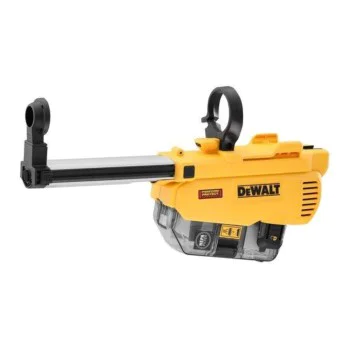
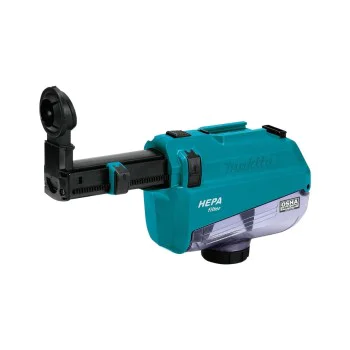
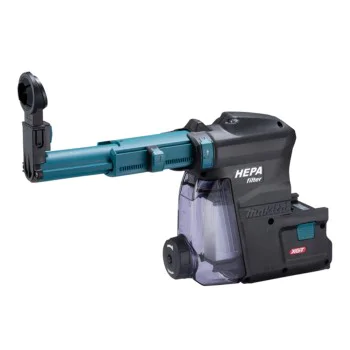
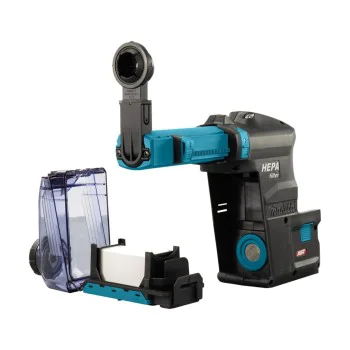
Dust collectors for punch
Dust collectors for hammer drills for cleaner drilling and chiseling
Hammer drill dust collectors limit the spread of fine dust when working in concrete, brick, stone, plaster, and masonry. They are attached to the machine, around the drill bit, or to a construction vacuum hose, capturing the particles near the drilling area. This keeps the work area cleaner, improves visibility of the hole, and reduces the time needed for cleanup after repairs, installations, or maintenance work.
This type of accessory is valuable when installing anchors, dowels, brackets, pipe clamps, cable trays, suspended ceilings, HVAC equipment, and various construction and installation elements. When working indoors, drilling dust can quickly spread onto furniture, flooring, equipment, and power tools. Hammer drill dust collectors help keep the work area organized and reduce mess during single-hole drilling, batch drilling, and light chiseling operations.
What do hammer drill dust collectors include?
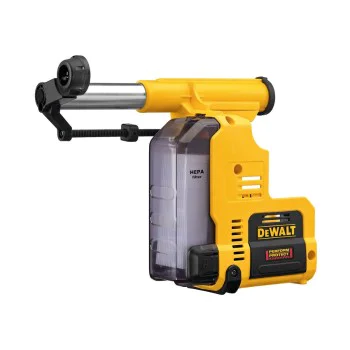
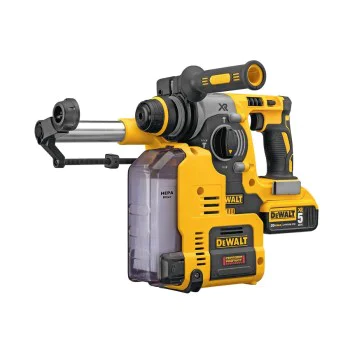
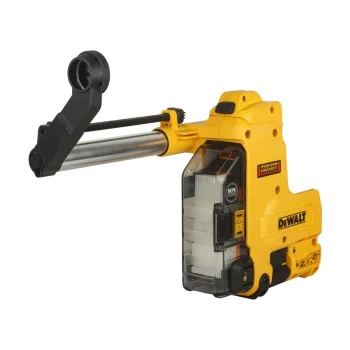
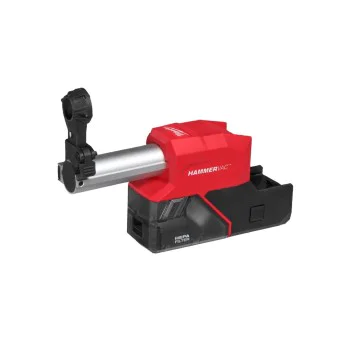
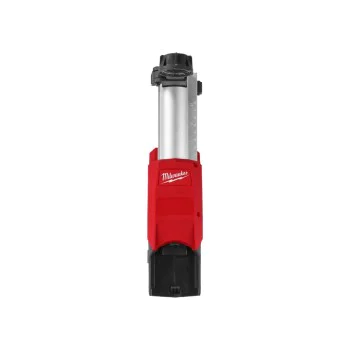
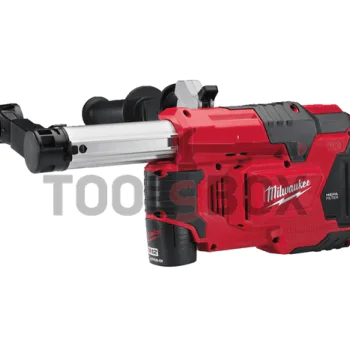
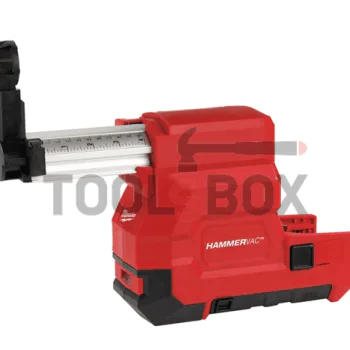
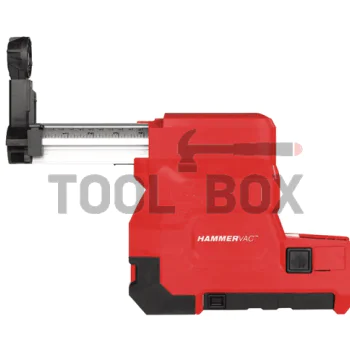
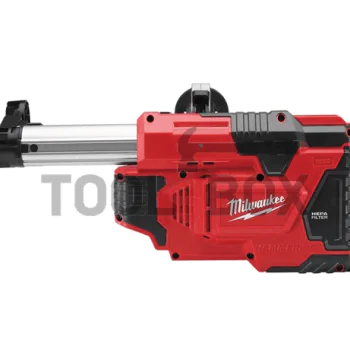
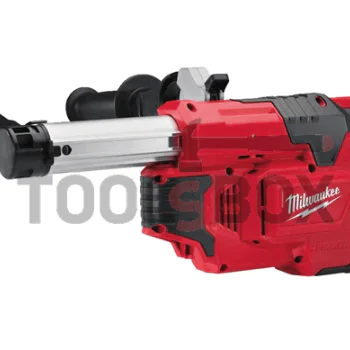
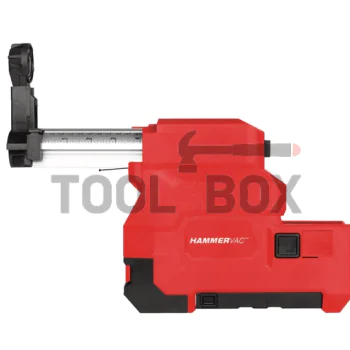
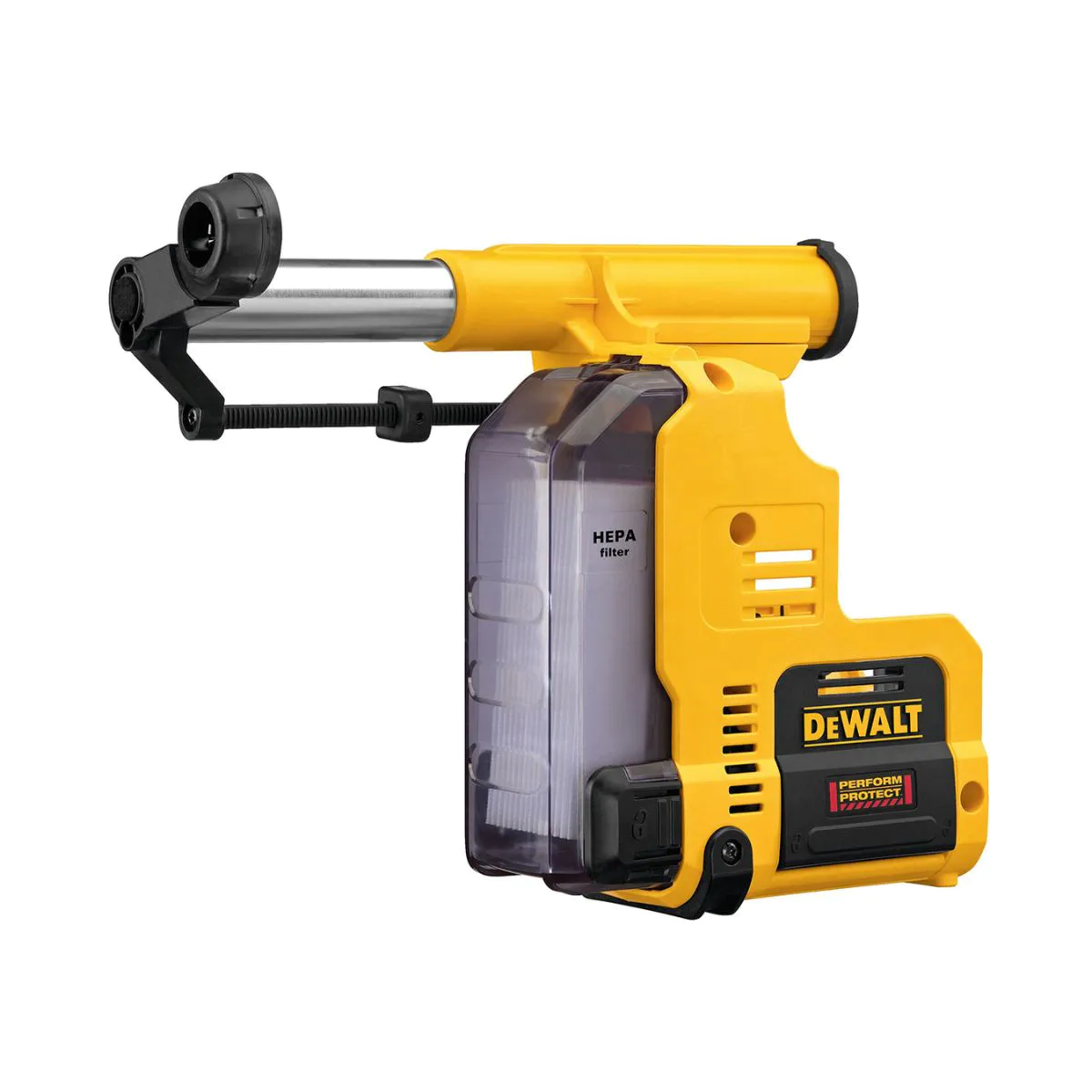
Hammer drill dust collectors can be compact attachments, drill bit cups, vacuum cleaner adapters, attachments with a telescopic guide, or modular systems for direct mounting on compatible power tools. The differences between the individual models relate to the mounting method, the hole diameter, the drill bit length, the vacuum cleaner connection, and the permissible operating mode.
Cup-type attachments encircle the drill bit and are practical for overhead drilling or in walls with finished surfaces. Models with a hose outlet direct dust to an external dust collector or a construction vacuum cleaner. Guide systems keep the drill bit stable, minimize splatter, and are convenient for drilling repetitive holes of the same depth. Some solutions work with various drill bit diameters, while others are designed for a specific size or series of machines.
Applications in construction, renovation, and installation
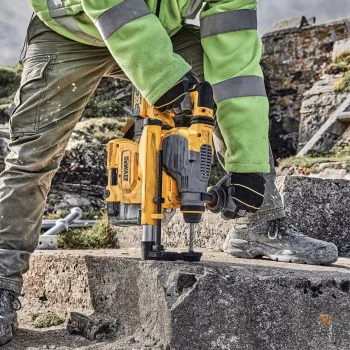
Hammer drill dust collectors are used for drilling in homes, offices, workshops, commercial spaces, and construction sites. They are useful for finishing work when walls, floors, or furnishings are already in place and dust must be minimized. In professional use, they save time when drilling multiple holes and help keep the area around the work zone tidier. For home use, they make small repairs, as well as the installation of shelves, curtain rods, lighting, cabinets, and racks, much easier.
When drilling into concrete and brick, fine particles can get into the machine's mechanism, onto accessories, and onto surrounding surfaces. A well-chosen dust collector reduces dust buildup around the hole and helps with more precise positioning of the fastener. When working with hollow bricks or crumbly materials, capturing debris close to the drill bit is particularly useful because the area remains visible and pressure control is better.
Types of dust collection solutions
| Type | Practical application | Selection based on the job |
|---|---|---|
| Dust cup | Single holes in walls and ceilings | Check the drill bit diameter and ensure a tight fit against the surface |
| Vacuum cleaner adapter | Continuous drilling with dust extraction | Compare the hose diameter and the shape of the connection |
| Telescopic attachment | Serial holes with depth control | Adjusts to the guide's stroke and the maximum drill bit length |
| Module for a specific machine | Professional use with specific hammer drill models | Compatibility with the brand, chuck, and design of the power tool is required |
Compatibility with the hammer drill, drill bits, and dust extractor
Dust collectors for hammer drills are best selected after comparing them with the specific machine and drilling accessories. The hammer drill's chuck, the shape of the housing around the chuck, the drill bit length, the working diameter, and the attachment point for the accessory are all important factors. For models designed to connect to a vacuum cleaner, the hose diameter, the type of nozzle, and the ability to secure the attachment firmly during operation must be taken into account.
For SDS-plus hammer drills, compact solutions are typically sought for drilling holes for dowels and anchors. For heavier machines and larger diameters, an attachment with a sufficiently large opening and a secure fit is required. For overhead work, it is best if the dust collector fits snugly against the ceiling without obstructing the drill's movement. For deep holes, telescopic guides and modules with a stop are preferred.
Materials, Durability, and Ease of Use
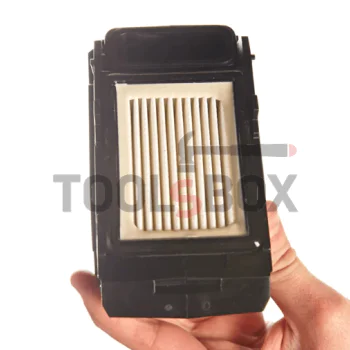
Hammer drill dust collectors are exposed to vibrations, abrasive dust, and contact with rough construction surfaces. Therefore, the material of the housing, the flexibility of the sealing edge, and the durability of the joints are directly relevant to performance. Rubber and elastic elements conform better to uneven walls, while rigid plastic housings retain their shape during more intensive use. For models with a filter or container, maintenance should be easy to avoid wasting time between holes.
Ease of use also depends on the weight of the attachment. Lighter solutions put less strain on the arm during prolonged use, while larger modules offer better guidance and dust collection during continuous drilling. When installing in finished rooms, it is helpful if the dust collector leaves no marks on the surface and allows for precise work near corners, edges, and already installed elements.
Maintenance and Safe Use
Regular cleaning extends the dust collector's service life and maintains free airflow. Accumulated cement or brick dust can reduce suction and hinder the movement of the drill bit. After use, it is advisable to clear the container, seal, and hose connection of any residue. For attachments with filters, follow the manufacturer's instructions for cleaning or replacement.
Dust collectors for hammer drills do not replace personal protective equipment. When drilling into concrete, brick, and plaster, safety goggles, a suitable dust mask, and a secure grip on the tool are required. When connected to a vacuum cleaner, the hose must not restrict movement or create tension on the attachment. This allows the power tool to operate more controllably, and the operator maintains a good position relative to the hole.
Selecting the Right Dust Collector
When selecting dust collectors for a hammer drill, consider compatibility with the machine, drill bit diameter, surface type, and frequency of use. For occasional home repairs, a compact dust cup or universal adapter is often sufficient. For installation teams, service technicians, and construction professionals, solutions with a vacuum cleaner connection, a depth guide, and a secure attachment to the hammer drill's body are more practical.
At Toolsbox.bg, you can select hammer drill dust collectors based on your work method, required compatibility, and specific task. Compare the dimensions, mounting options, vacuum cleaner connection, and compatibility with your power tools to equip your workspace with a solution for cleaner and more organized drilling.