
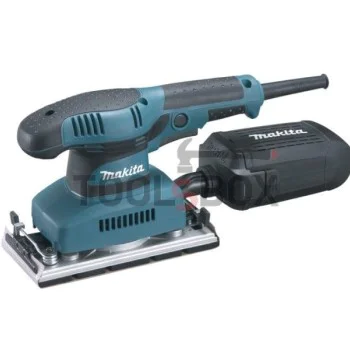
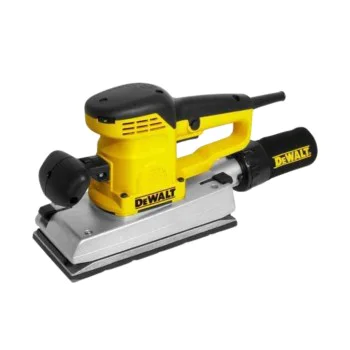
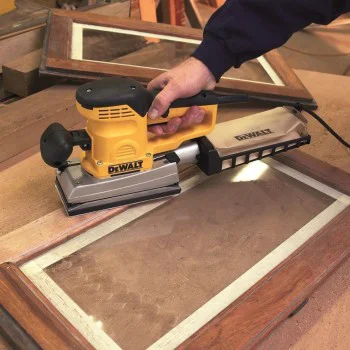
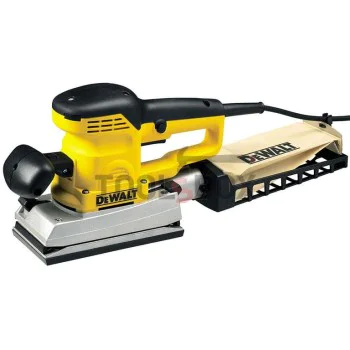
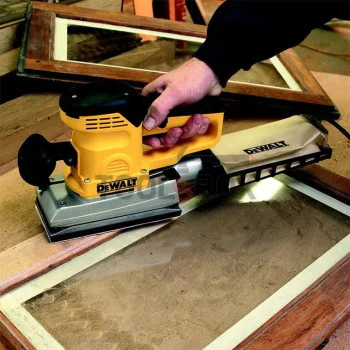
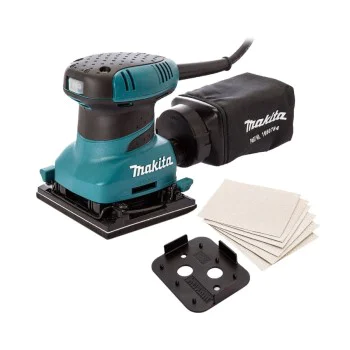
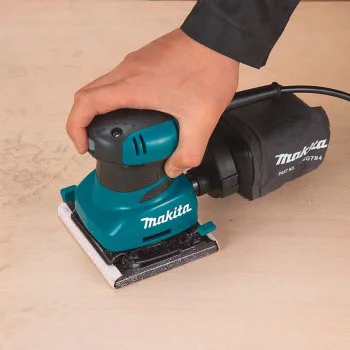
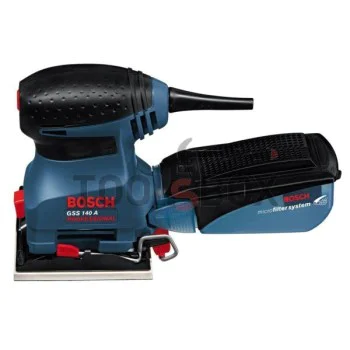
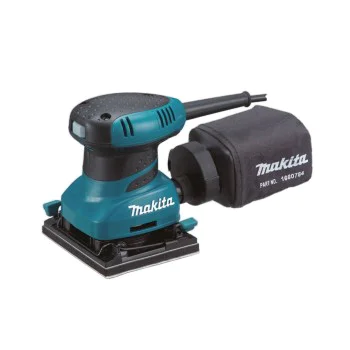
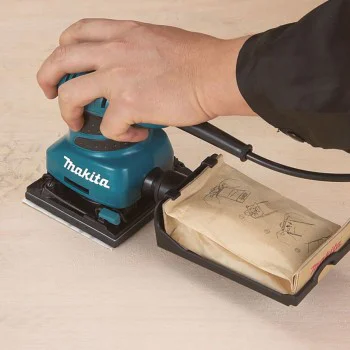
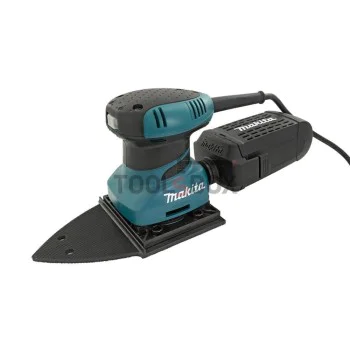
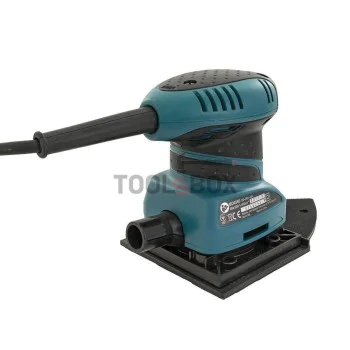
Vibratory Grinder
Orbital sander for even sanding and fine surface preparation
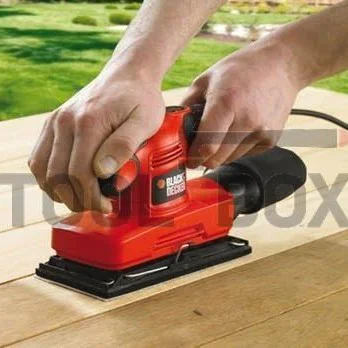
An orbital sander is a practical sanding tool for working with wood, painted parts, putty, metal components, and other materials where a smooth, clean, and controlled surface is required. This type of power tool operates with rapid vibrations of the sanding pad, which remove unevenness, old coatings, cutting marks, or rough areas before painting, varnishing, assembly, or finishing work.
In this section, you will find models for workshops, construction finishing work, installation, furniture manufacturing, service work, and home use. The orbital sander is valued for tasks where pressure control, smooth guidance, and a clean finish matter. It is suitable for both large flat surfaces and more precise areas around edges, corners, and joints, depending on the shape of the workpiece and the sandpaper used.
What does the orbital sander section include?
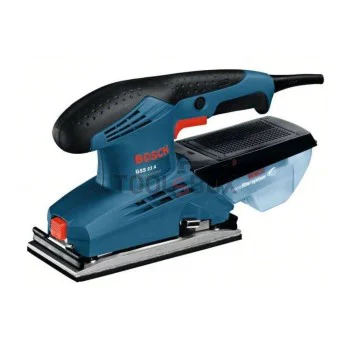
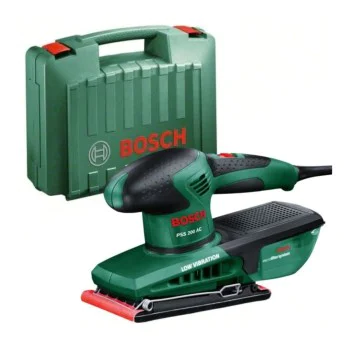
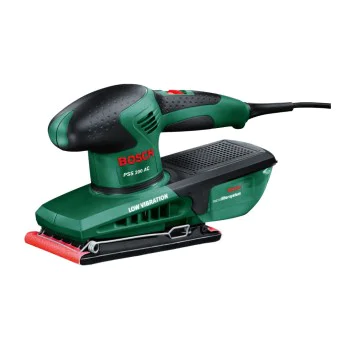
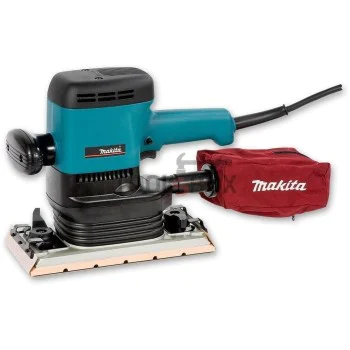
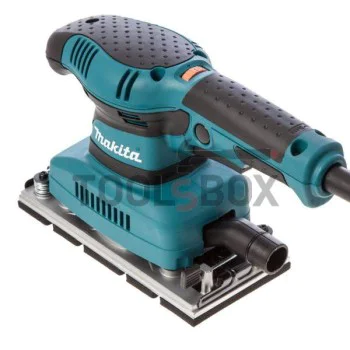
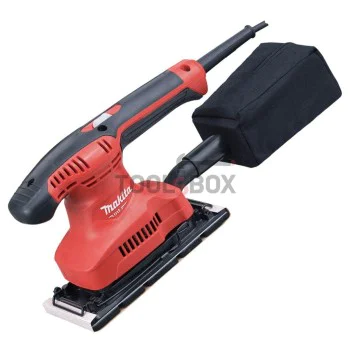
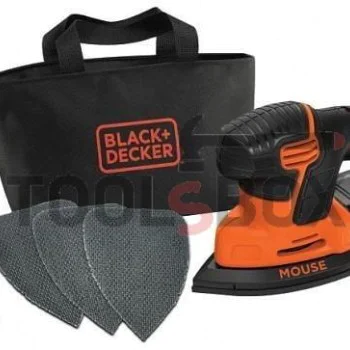
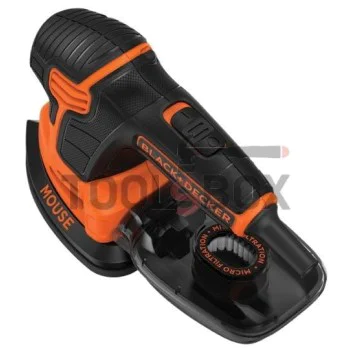
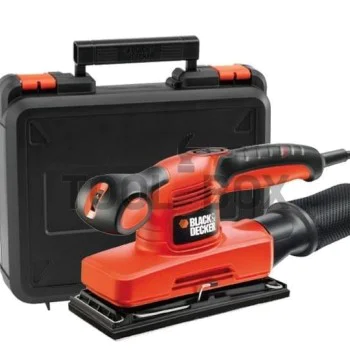
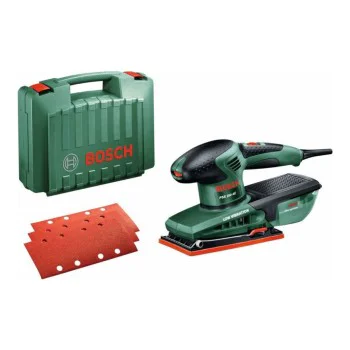
The various machines differ in pad shape, power, speed, or vibration frequency, abrasive attachment method, weight, ergonomics, and dust extraction system. The classic orbital sander with a rectangular base is preferred for doors, countertops, boards, panels, and other flat surfaces. Models with a triangular or delta-shaped base fit more easily into corners, tight spaces, and around profiles. Compact machines offer better control for fine work, while more powerful models are better suited for extended sanding sessions and larger areas.
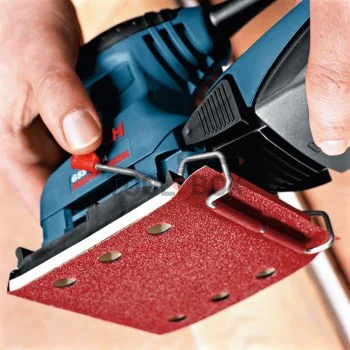
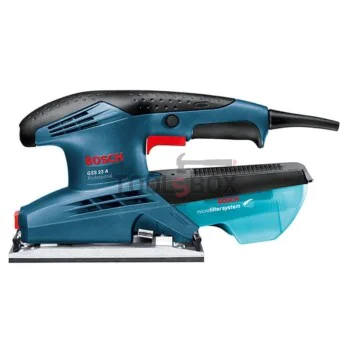
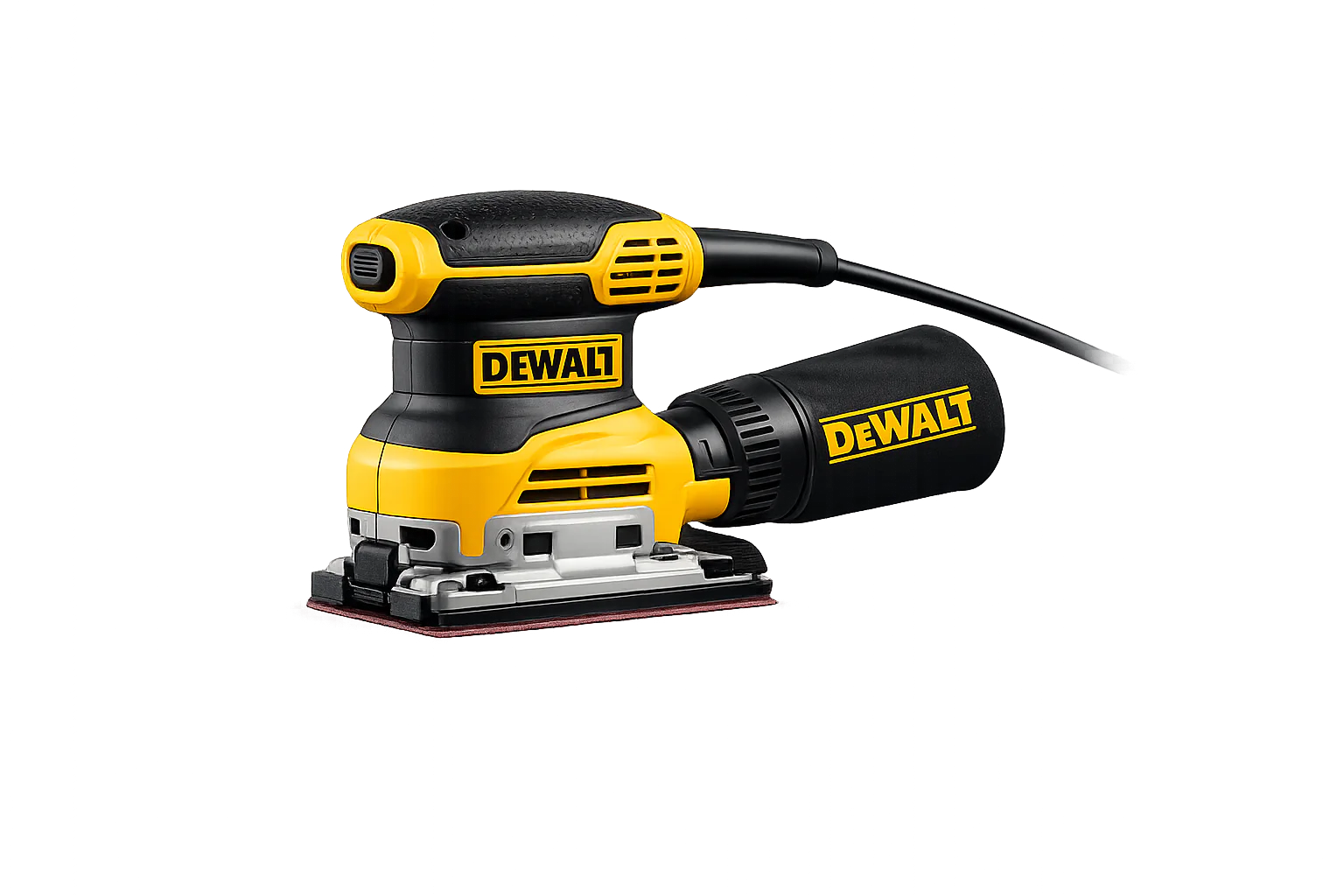
On some models, the sanding sheet is secured with clamps; on others, with a Velcro backing. The Velcro system makes it easy to change the sanding sheet and is convenient for frequent work with different grits. Clamps are practical when using standard sheets cut to size. Some machines feature a dust collector, filter box, or vacuum hose connection, which keeps the work area cleaner and maintains visibility of the workpiece.
Applications in repair, installation, and workshop
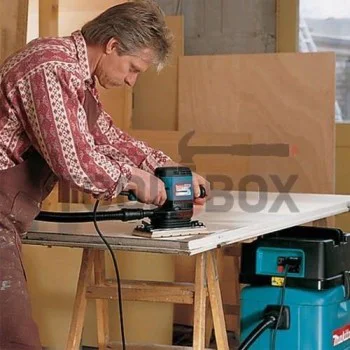
A orbital sander is used for preparing wooden surfaces before varnishing, oiling, or painting; smoothing putty; removing old varnishes and paints; fine-sanding metal; finishing furniture; and making adjustments to parts after cutting. In construction and renovation, the machine saves time on finishing operations where manual sanding is slow and uneven. In the furniture workshop, it helps achieve a clean finish on surfaces, edges, and wooden elements.
For the DIY enthusiast, the orbital sander is useful for refreshing tables, chairs, cabinets, window frames, decorative details, and small metal structures. Professional users appreciate machines with a comfortable grip, stable operation, vibration control, and the ability to connect to a dust extraction system. In daily use, the weight, handle shape, and ease of changing accessories directly affect comfort.
Types by base shape
| Base type | Application | Practical benefits |
|---|---|---|
| Rectangular | Surfaces, doors, boards, countertops | Even sanding of larger surfaces |
| Delta | Corners, tight spaces, details with edges | Better access to hard-to-reach areas |
| Compact plate | Fine adjustments, hobby repairs, small details | Smoother glide and more precise control |
| Multi-purpose | Mixed tasks in the workshop or at home | Versatility on various surfaces |
Criteria for choosing an orbital sander
When choosing an orbital sander, consider the material you'll be working on, the size of the workpiece, and the desired finish. For large wooden surfaces, the rectangular base speeds up the work and maintains a straight line. For frames, furniture with corners, and profiles, the delta version is more convenient. When working on putty and painted surfaces, it is helpful for the machine to have good dust extraction, as fine particles quickly clog the abrasive and contaminate the area.
- Power and vibration frequency: higher values help with more intensive material removal, while speed control makes it easier to work on more delicate surfaces.
- Base size: a larger plate covers more area, while a smaller one offers maneuverability for detailed work.
- Sandpaper attachment: the Velcro base allows for quick changes, while the clamps enable use with standard abrasive sheets.
- Dust collection: a dust box, filter, or vacuum hose connection keeps the work area cleaner.
- Ergonomics: the comfortable handle, moderate weight, and sturdy body reduce fatigue during prolonged use.
Abrasives, accessories, and compatibility
Working with a orbital sander depends not only on the machine but also on the correctly selected abrasive. Coarse grit is used for removing old coatings and rough leveling, medium grit for intermediate processing, and fine grit for preparation before varnish, paint, or oil. When sanding wood, the sandpaper should be moved smoothly in the direction of the grain, without excessive pressure, to avoid leaving marks. When working with metal and painted parts, it is advisable to control the pressure to prevent the surface from overheating.
Check the size of the sanding pad, the dust extraction ports, and the sheet attachment type. Incompatible accessories reduce the quality of the finish and hinder dust extraction. For models with a dust collector, it is helpful to clean the filter regularly, and when using a vacuum cleaner, use a suitable hose or adapter. Replacement pads, sanding sheets, filters, and other accessories extend the tool's service life and simplify maintenance.
Safe and Clean Operation
When sanding, always wear safety goggles, a dust mask, and ensure the workpiece is securely clamped. The machine should be placed on the surface gently, without applying excessive pressure, as its own weight and the vibrating motion do the bulk of the work. Excessive pressure wears down the abrasive faster and leaves marks. After finishing work, clean the ventilation openings, the base, and the dust collector to maintain proper cooling and smooth operation.
Browse the orbital sander options at Toolsbox.bg and choose a machine suited to your tasks-from fine finishing of furniture to surface preparation for repairs, installation, and maintenance work. A well-chosen sander, paired with the right abrasive, delivers a clean result and a more comfortable workflow.