
Welding equipment
Welding Equipment
Precision and reliability for every project
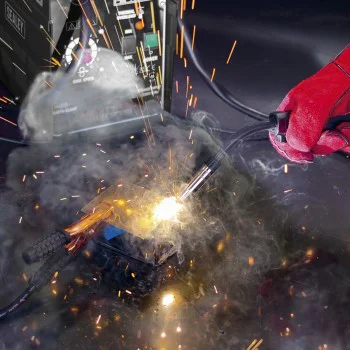
Welding technology is an integral part of the industrial and craft sectors, offering solutions for joining different types of metals using heat and electric current. The technologies and machines in this category ensure stable and reliable joints that are used in a wide range of industries, including construction, the automotive industry, repairs, and the manufacture of metal structures.
Whether for large-scale industrial projects or smaller tasks in home or workshop settings, welding equipment provides the necessary power and precision to create durable joints. It is accessible not only to professionals but also to hobbyists working on DIY projects and repairs, ensuring that the final result will be strong and durable.
What is welding technology?
This technology includes tools and equipment designed to join metals or other materials through heat treatment. Through the welding process, materials are heated to their melting point, allowing for the creation of a strong and durable bond between them. This is achieved by using welding machines that generate the heat and pressure required for the process.
Depending on the type of material to be joined and the specifics of the task, there are various types of welding methods and machines. Each type of equipment offers different advantages that make it suitable for specific projects and materials.
Types of Welding Machines and Processes
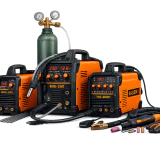
There are several main types of welding equipment on the market, each used for specific tasks and materials. The main types include:
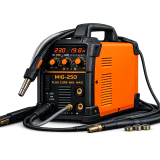
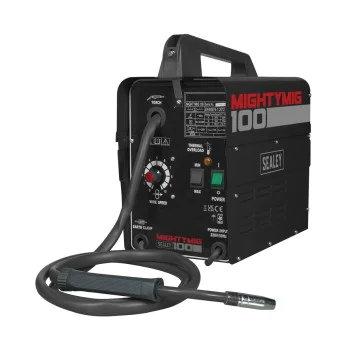
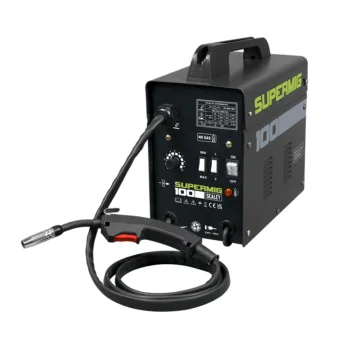
- MIG/MAG welding machines (metal inert gas or metal active gas welding): These machines use a shielding gas that protects the weld from oxidation. They are suitable for working with mild steels, stainless steels, and aluminum. They are often used in the automotive industry and in metal fabrication.
- TIG welding machines (tungsten inert gas welding): These machines are ideal for tasks requiring high precision, such as working with thin metal sheets. TIG welding machines use a non-consumable tungsten electrode and are suitable for stainless steel, aluminum, and magnesium.
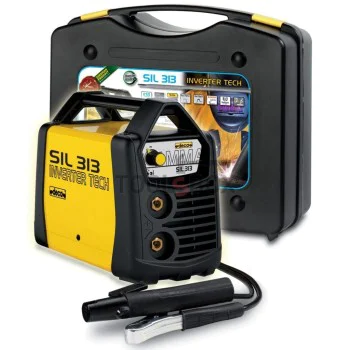
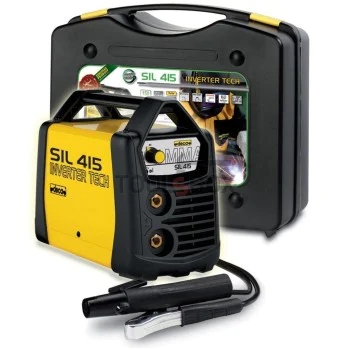
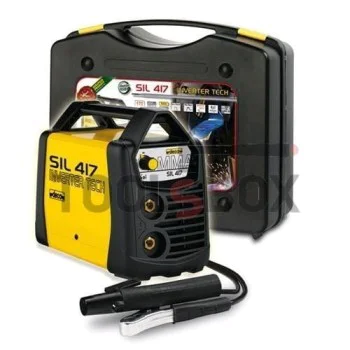
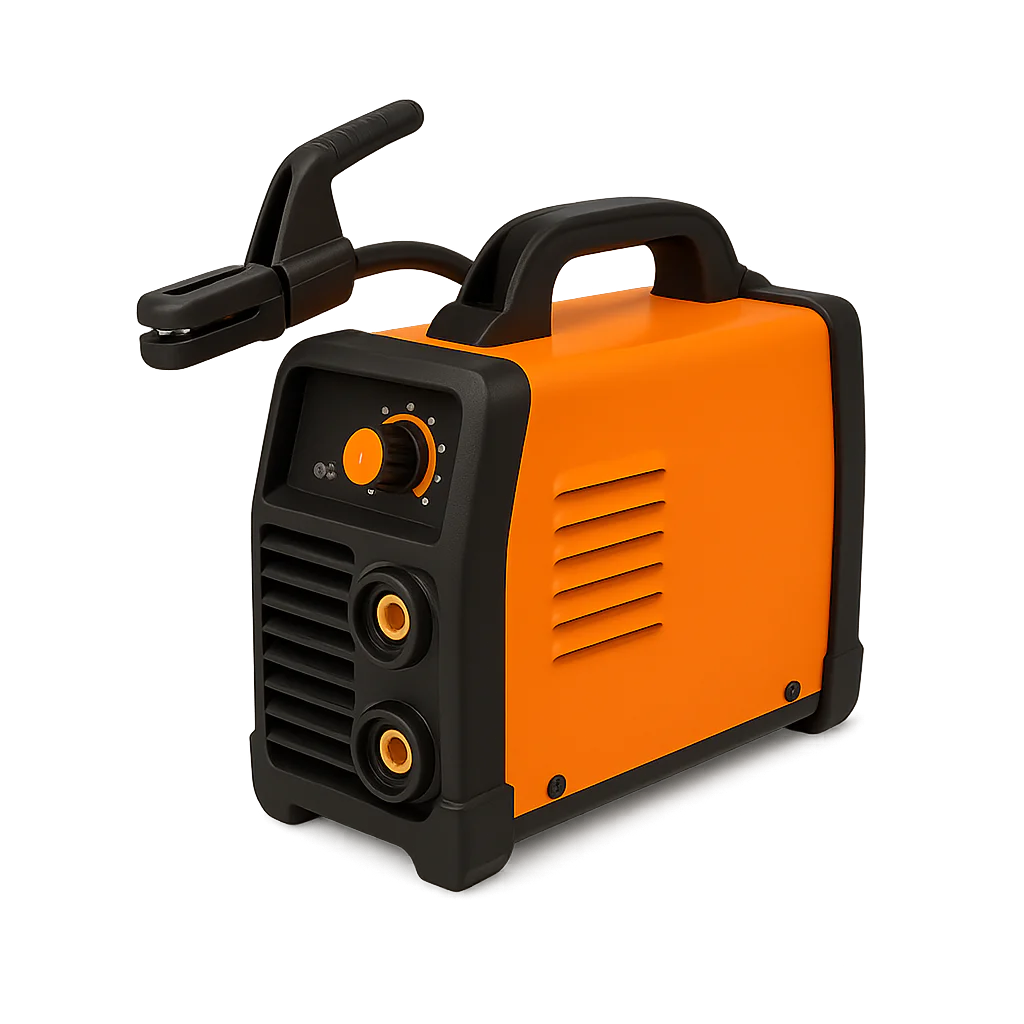
- Arc welding machines: These use an electrode that generates an electric arc between itself and the material being welded. This is one of the most versatile welding methods, used for various metals, including carbon steel and cast iron.
- Plasma welding machines: This method uses a plasma jet for welding and is suitable for working with metals that require very high processing temperatures.
- Soft and hard soldering irons: Used for joining materials with a lower melting point, such as in electronics or craft projects.
Key Features and Advantages of Welding Technology
- Power and performance
One of the key features of this technology is its power. Depending on the scale of the project and the thickness of the materials, machines with different power ratings are selected. For professional and industrial projects, it is important to choose high-power equipment that ensures fast and high-quality welding. Household welding machines typically have lower power but are sufficient for small projects such as repairing fences, furniture, and other household metal structures. - Adjustability and Precision
Many welding machine models offer the ability to adjust parameters such as amperage and wire feed speed, allowing for precise control of the welding process. This is particularly important when working with different metals and thicknesses, as each material has different requirements for welding temperature and speed. - Mobility and Compactness
Welding equipment can be either compact and lightweight or heavy and stationary, depending on the user's needs. For smaller projects or mobile tasks such as on-site repairs, lighter and portable models are preferred. For larger and industrial projects, stationary machines with higher power are used. - Safety
Welding is a process that can be dangerous if safety rules are not followed. Modern welding equipment is typically equipped with various safety systems, such as overheating protection, automatic shut-off in case of overvoltage, and protection against electric shock. In addition, it is important to always use appropriate protective equipment such as masks, gloves, and specialized clothing that protect against sparks and radiation.
Applications of Welding Technology
It plays a key role in numerous industries where the strength and reliability of metal joints are essential. The applications of this technology are diverse and include both heavy industry and smaller tasks in home or hobby projects. Welding machines ensure a secure bond between metals, which is necessary for building complex structures, repairs, and manufacturing processes.
Construction
Welding technology plays a key role in construction, especially in the creation of stable and durable metal structures that form the foundation of modern infrastructure. Welded joints ensure the stability and durability of structures, including buildings and bridges, by joining key elements such as beams and columns. Construction projects often use metal beams, steel, and pipes, which must be securely joined to ensure the longevity of the structure. Welding machines are an essential tool for achieving these strong connections.
The reliability of this technique makes it the preferred method for working with heavy metals, providing joints that withstand immense loads and natural forces, such as earthquakes and winds. During the welding process, it is essential to achieve precise joints, as the quality of the welds is directly linked to the safety and stability of the entire structure. This makes welding technologies critical in the construction of load-bearing elements in building projects.
In addition to core infrastructure, welding plays a key role in the installation of pipelines, which are also a major component of construction projects. Welding machines ensure secure and seamless pipe joints, which are critical for the construction of water supply, gas, and heating systems. This is essential for ensuring safe and reliable systems in modern construction.
Welding machines are also used in various construction repairs where metal components need to be adjusted, joined, or replaced. They play a vital role in maintaining the structural integrity of existing structures by enabling quick and reliable repairs.
The welding processes used in construction include MIG and TIG welding, which ensure high strength and precision of the joints. This technique is also indispensable for repairing damaged structures or replacing worn parts in industrial facilities, ensuring the safety of buildings and facilities.
Automotive Industry
In the automotive industry, welding technology plays a key role in the production of various types of vehicles. It is used to join key components such as metal panels and frames, which ensure the strength and stability of vehicles. Welding machines are indispensable in the process of joining critical elements that contribute to structural integrity and crashworthiness. In addition to manufacturing, welding is widely used in repair shops, where it is employed to repair and restore automotive parts such as exhaust systems and frames that require reinforcement.
Metal Machining
Welding machines are an essential tool in industries related to metalworking. Metallurgical and machine-building enterprises use welding technology to manufacture various metal parts, components, and tools. From heavy machinery to precision parts, welding machines provide flexibility and precision in joining metal elements.
In mechanical engineering, welding technology is used to manufacture engines, gears, and other parts that are critical to the proper functioning of mechanical systems. In the metallurgical industry, welding technologies are applied to the fabrication of complex metal structures that must withstand high loads and temperature fluctuations.
Home repairs and hobby projects
Welding technology is not limited to large industrial projects or construction sites. Many hobbyists and DIY enthusiasts use these machines for various home and hobby tasks, such as repairing metal structures or creating decorative projects in their workshops. Thanks to their precision and durability, welding machines offer opportunities for creative expression in the creation of unique metal products and sculptures.
For hobbyists engaged in metalwork, welding technologies ensure stable connections between different metal components. This allows for the creation of projects such as fences, furniture, and even artistic metal pieces that can withstand the test of time and be visually appealing. In addition, welding techniques are often used for home repairs, where metal elements such as stairs, fences, and metal structures can be easily fixed with minimal effort.At the same time, it allows for the execution of complex tasks with high precision, which is important for hobbies such as modeling and the restoration of metal elements.
Welding Technology in the Energy Sector
In the energy sector, welding technology also plays a vital role. In the construction of power plants, gas pipelines, and oil refineries, welding machines are indispensable for joining pipes and other components that ensure the transmission and processing of energy resources. Welding technologies are important not only for the construction of new facilities but also for the maintenance and repair of existing infrastructure, ensuring that systems operate smoothly and safely.
Welding Equipment Maintenance
Proper maintenance of welding machines is essential for their longevity and efficiency. Here are some basic maintenance tips:
- Cleaning after use
After each use of the machine, it is important to clean it of any residual welding materials and dust. This will prevent the buildup of dirt that could affect the machine's performance. - Regular inspection of cables and connections
Regularly check the condition of the cables and connections to prevent the risk of a short circuit or electric shock. - Lubrication and replacement of worn parts
Lubricate the machine's moving parts and regularly check the condition of the electrodes and ground cables. Worn parts must be replaced to ensure optimal performance.
Welding equipment is indispensable for anyone working with metal-whether you're a professional in the industry or a DIY enthusiast looking for a reliable and efficient tool for your projects. Choosing the right welding equipment, tailored to the needs of the specific project, will ensure high-quality results and the durability of the welds. It is important to pay attention to the power, precision, and safety of the machines to achieve the best results.