
Putty knife
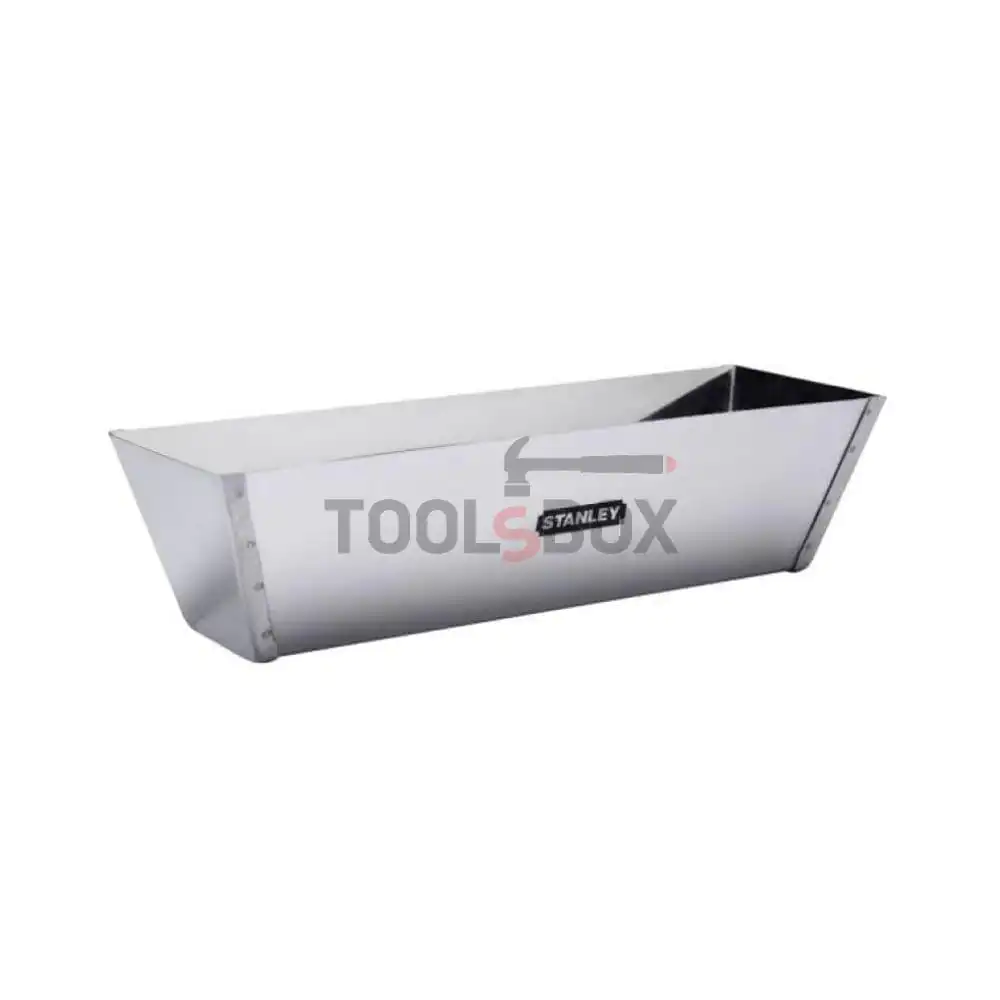
Plaster mixing tray for clean and convenient work during finishing repairs
A putty tray is a practical container for holding, transporting, and dispensing putty mixtures, grouting materials, plaster mixes, and ready-to-use pastes during work. It sits stably in the hand or on the work surface and allows the craftsman to scoop up material with a trowel, putty knife, or drywall knife without unnecessary spillage. When repairing walls, ceilings, corners, and joints, such a tray reduces material waste and keeps the work area cleaner.
In construction and interior renovations, a plastering tray complements standard construction buckets because it is more compact and convenient for fine work. The bucket is used for mixing and storing larger quantities of material, while the tray facilitates the application of small portions directly to the wall. This allows for more precise work when filling cracks, leveling surfaces, finishing drywall joints, and applying thin layers of spackle.
Applications in renovation, construction, and installation
A putty tray is used by professional crews, drywall installers, painters, installers, and discerning DIYers. It is convenient for working on ladders, making adjustments around doors and windows, performing minor post-installation repairs, and carrying out finishing work in rooms where keeping the floor and furniture clean is important.
The trowel is used with various hand tools: putty knives of different widths, scrapers, joint knives, trowels, and spatulas. When applying ready-to-use joint compound, the trowel allows for smooth scooping of the material along the length of the tool. With thicker mixtures, the stability of the sides and the comfortable grip are valuable because the pressure when scooping is greater.
- For drywall-for jointing, applying tape, filling screw holes, and final smoothing.
- For walls and ceilings-for filling minor defects, cracks, and unevenness before painting.
- For maintenance repairs-for touch-ups after electrical and plumbing installations, installing trim, or other finishing work.
- For home use-when refreshing a home, renovating a single room, or preparing surfaces.
How the different models differ
When choosing a putty tray, size, material, shape, and ease of cleaning are important factors. Smaller containers are lightweight and easy to carry, while larger ones hold more mixture and reduce the need for frequent refilling. Depth affects control when scooping, and width should match the tools being used.
The material also has practical significance. Plastic trays are lightweight, easy to wash, and convenient for short repairs or working with ready-mix compounds. Metal versions withstand more intensive professional use and are preferred for frequent work with joint compound. On some models, the edges are shaped so that the material can be scraped off the putty knife more easily, and the rounded corners make cleaning up easier once the job is done.
| Characteristics | Practical significance |
|---|---|
| Size and capacity | A smaller container for light touch-ups; a larger container for longer work sessions without frequent refilling. |
| Material | Plastic for low weight and easy cleaning; metal for heavy-duty work and harder mixtures. |
| Base shape | A stable base reduces the risk of tipping over on the floor, scaffolding, or workbench. |
| Edges and corners | Smooth surfaces make it easier to scoop out the mixture and clean up afterward. |
Criteria for choosing a putty tray
The best choice depends on the type of work. For fine adjustments and home repairs, a compact container that doesn't strain the arm is practical. For working on more joints or larger areas, a tray with a larger volume and a stable body is more convenient. When working with long drywall knives, the width of the container must allow for even scooping of material across the entire working surface of the tool.
A putty tray must also account for the consistency of the mixture. Liquid and ready-to-use pastes require a container with sufficiently high sides, while thicker putties are easier to scoop from firm and smooth edges. When working at heights, low weight and a comfortable grip are crucial for control and reducing fatigue. When working in a workshop or on a construction site, a more durable material is a practical solution for daily use.
Compatibility with tools and mixtures
A well-chosen putty tray works in conjunction with standard putty knives, trowels, and joint knives. Before purchasing, it is wise to consider the width of the tool you will use most often. If the knife is longer than the tray, the scoop becomes uneven and the material is harder to spread. When working with different mixtures, it is helpful for the inner surface to be smooth so that it does not retain residue.
The method of application is also important for a clean finish. The container should allow excess material to be scraped off the tool without a sudden movement and without dripping onto the floor. This is particularly useful when filling visible areas, where an even layer saves additional sanding.
Cleaning, Storage, and Safe Operation
After finishing the repair, the putty tray should be cleaned as soon as possible, before the mixture hardens on the walls and corners. Scrape off any residue with a putty knife, and wash the container according to the type of material. Dried particles prevent smooth application during subsequent work and leave marks on the fine layer.
When using gypsum and cement mixtures, it is best not to bang the container hard against hard surfaces, as deformations make it difficult to scrape the mixture evenly. Storing the container in a dry place protects metal parts from corrosion and plastic containers from contamination with dust and old mixtures. Wearing gloves and safety goggles is a sensible precaution when mixing, scooping, and applying materials that irritate the skin or eyes.
Choose a practical putty tray for precise finishing work
A putty tray is a small but very useful tool for any repair project involving leveling, grouting, and final smoothing. At Toolsbox.bg, you'll find options for jobs of varying sizes-from small home repairs to heavy-duty construction projects. Browse our selection and choose a container that fits your tools, mixture, and work style.