
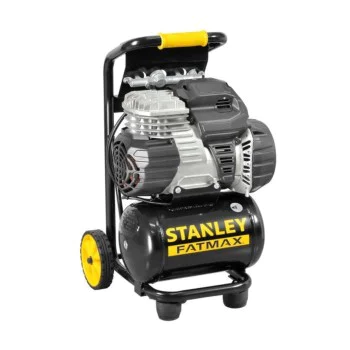
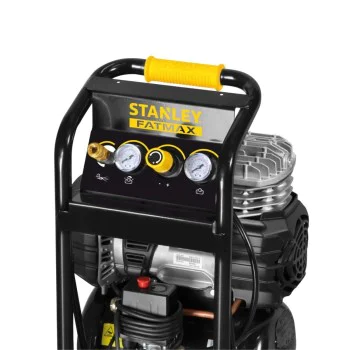
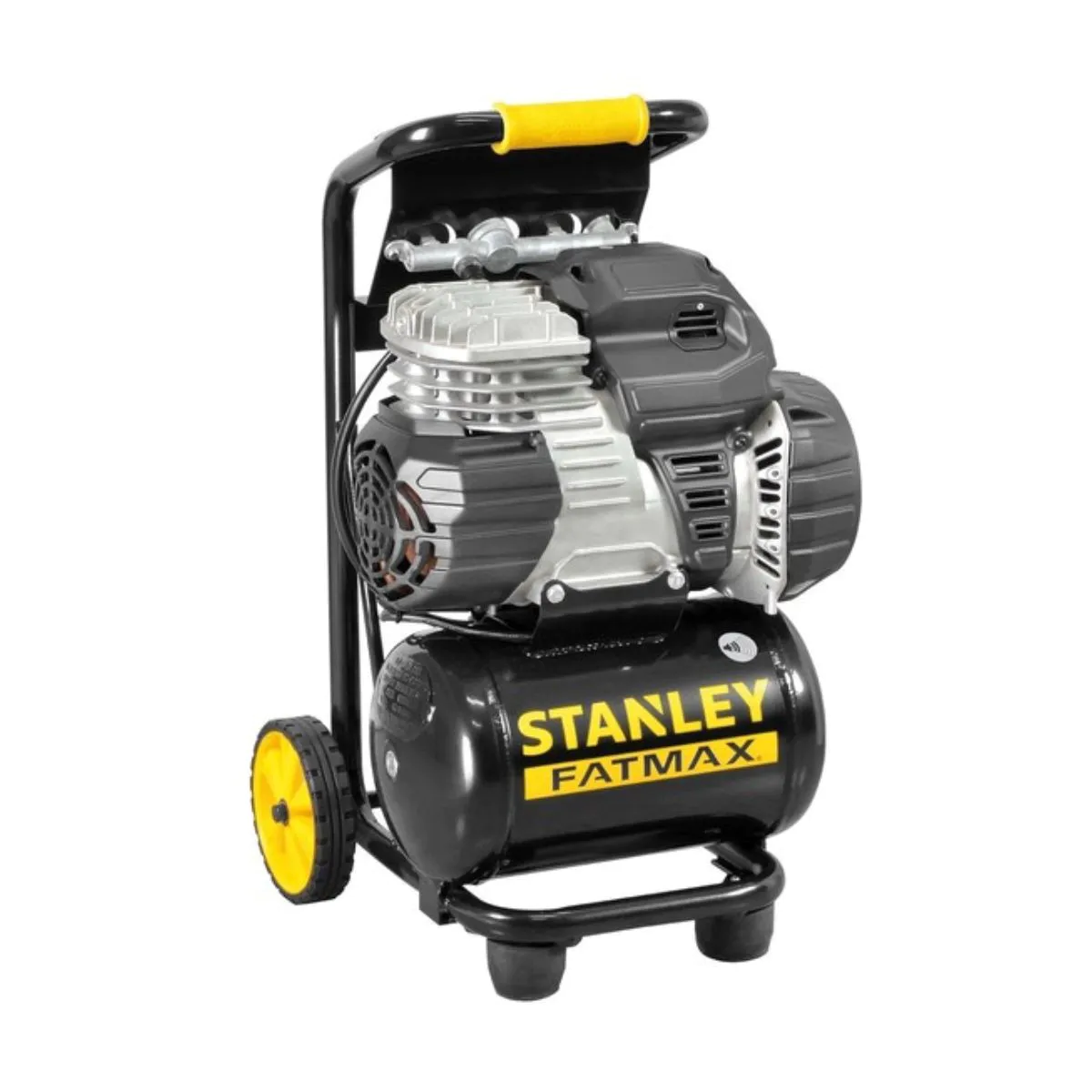
Air compressors
Air compressors for compressed air used in repair, installation, and maintenance
Air compressors are machines designed to generate and store compressed air, which is essential for operating pneumatic tools, blowing, painting, pumping, cleaning, and various maintenance operations. They are used in auto repair shops, construction sites, manufacturing facilities, workshops, and garages, where a constant air flow facilitates daily tasks and reduces the operator's workload. A properly selected compressor delivers the required flow rate and pressure to the tool without unnecessary interruptions and without overloading the machine.
Air compressors differ in design, receiver tank capacity, operating pressure, flow rate, motor power, drive type, and noise level. These parameters determine whether a particular model is suitable for short-term home projects, intensive service work, or prolonged production cycles. When making a selection, it is not only the numbers in the technical specifications that matter, but also the actual connection between the compressor, the hose, the quick-connect fittings, and the pneumatic tool.
What Air Compressors Include
The models available include oil-free, oil-lubricated, direct-drive piston, belt-driven compressors, and more powerful units for demanding environments. Oil-free air compressors are preferred for light assembly work, hobby projects, blowing out parts, and tasks where clean air is important. They are easy to maintain and practical for mobile use.
Oil-lubricated compressors are in demand for extended use with pneumatic tools, painting, automotive maintenance, and service operations. Lubrication supports the operation of the compressor head and allows for smoother operation under heavier loads. Belt-driven air compressors are typically chosen for workshops and service centers where higher flow rates, better cooling, and more consistent operation are required.
| Air Compressor Type | Practical use | Key feature |
|---|---|---|
| Oil-free | Blowing, pumping, light assembly tasks, hobby work | Easier maintenance and cleaner air |
| Oil-lubricated piston | Maintenance, painting, pneumatic tools, repairs | Good durability with regular use |
| Belt-driven compressor | Workshop, auto repair shop, longer work cycles | Higher flow rate and smoother operation |
| Compact portable model | Home maintenance, on-site installation, mobile service | Easy to move and store |
Applications in workshops, construction, and home maintenance
Air compressors power pneumatic wrenches, ratchets, paint spray guns, tackers, blow guns, sandblasting attachments, tire pumps, and various service tools. In auto repair shops, the compressor assists with wheel removal, cleaning parts, checking tire pressure, and working with lubrication systems. In construction and finishing work, compressed air is used for nailing, blowing off surfaces, painting, and powering individual pneumatic tools.
For a home workshop, a smaller compressor with a moderate-sized air tank is often sufficient for inflating, blowing, minor repairs, and short operations with pneumatic accessories. For professional use, a higher actual flow rate, a larger air tank, and a design capable of withstanding longer cycles are required. When painting, a constant air flow is of great importance, as pressure fluctuations can affect the uniformity of the finish.
Criteria for selecting an air compressor
The selection process begins with the required air flow rate, measured in liters per minute. Each pneumatic tool has its own consumption rate, and the compressor ensures it supplies enough air for normal operation. For impact wrenches, grinders, and paint spray guns, the flow rate is higher, while for blowing or pumping, the requirements are lower. The working pressure is selected according to the tool and is usually regulated by a pressure-reducing valve.
The receiver tank's capacity affects the frequency of the motor's activation and the stability of the air flow. A larger tank is useful for painting, working with nail guns, service tools, and repetitive operations. A compact receiver is convenient when the machine is moved between different workstations or stored in a limited space. Motor power, RPM, compressor head type, and cooling complete the picture when comparing individual models.
Noise level is important when working indoors, in garages, and at sites with limited workspace. Oil-free, quiet models are suitable for lighter tasks, while more powerful piston and belt-driven units are chosen for heavy-duty work where performance is paramount. For mobile work, the wheels, handle, weight, and location of the controls are important.
Compatibility, Accessories, and Consumables
The compressor performs at its best when paired with the right hoses, quick-connect fittings, nozzles, regulators, and filters. The diameter and length of the hose affect pressure loss, and the connectors must be compatible with the pneumatic system. For painting and finer operations, moisture separators and filters are required to reduce moisture and contaminants in the air line.
For oil-lubricated compressors, monitor the oil level and use oil designed for compressor units. Regularly draining condensate from the receiver prevents moisture buildup in the tank. The air filter is cleaned or replaced depending on the load, and the hoses and connections are inspected for air leaks. This ensures the machine maintains stable operation and a longer service life.
Safe Operation and Long Service Life
Compressed air requires careful handling of pressure gauges, safety valves, pressure switches, and pressure regulators. Exceeding the permissible pressure for a given tool or accessory poses a risk of damage and injury. For blowing, painting, and cleaning, use safety goggles, gloves, and a mask depending on the specific task. Place the compressor on a stable surface with sufficient space around the ventilation openings.
Browse the air compressors at Toolsbox.bg and select a model based on the required flow rate, pressure, tank capacity, and type of work. This will ensure a reliable power supply for your pneumatic tools for service, construction, repair, or your home workshop.