
-350x350.jpeg.webp "Cordless Drill Driver - Bosch, GSR 18V-50, kit with GBA 2Ah, GBA 5Ah, GAL1880 and L-CASE, 06019H5003")
-350x350.jpeg.webp "Cordless Drill Driver - Bosch, GSR 18V-50, kit with GBA 2Ah, GBA 5Ah, GAL1880 and L-CASE, 06019H5003")
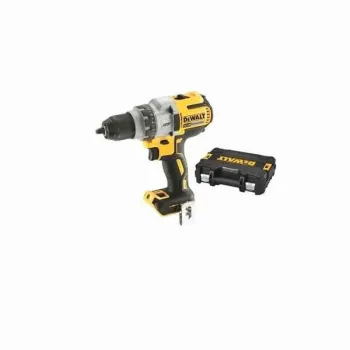
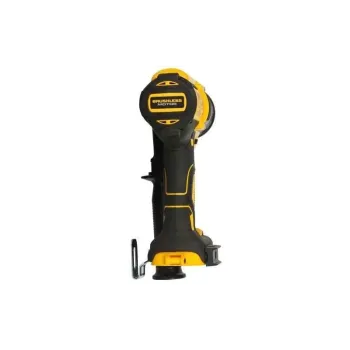
Cordless screwdrivers
What is a cordless screwdriver, and why is it so popular?
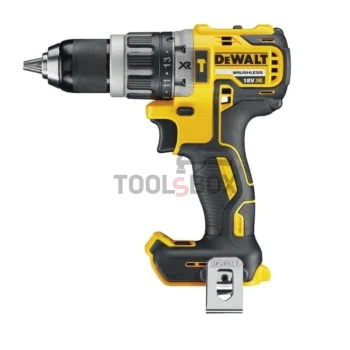
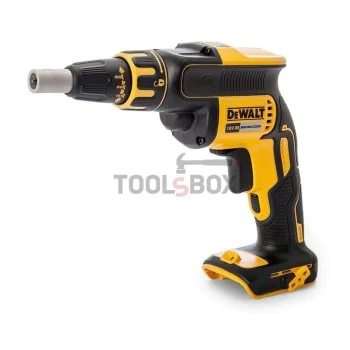
A cordless screwdriver is one of the most versatile power tools for construction, repair, and DIY projects. It replaces the manual screwdriver, offering greater speed, control, and mobility-cordless and powered by modern lithium-ion batteries. It is suitable for both tightening and loosening screws, as well as for drilling (in models with a drill function). From assembling furniture to installing drywall, wood structures, and working with metal profiles-the cordless screwdriver makes tasks easier and faster, even in tight and hard-to-reach places.
Key functions of a cordless screwdriver
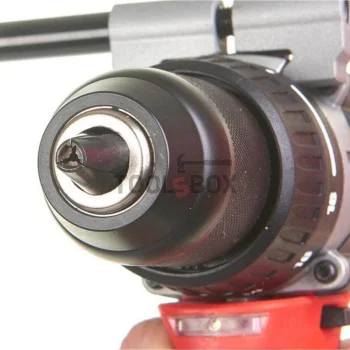
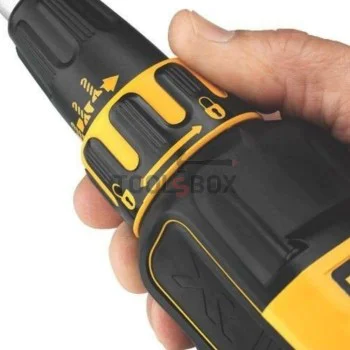
The primary function of a cordless screwdriver is tightening/loosening, but many models also offer drilling. The adjustable torque (Nm) allows for precision-especially with soft materials such as wood, drywall, particleboard, or MDF. Useful extras include LED lighting for working in dark areas, a quick-release chuck for easy bit and drill bit changes, and electronic overload protection.
Advantages of a cordless screwdriver
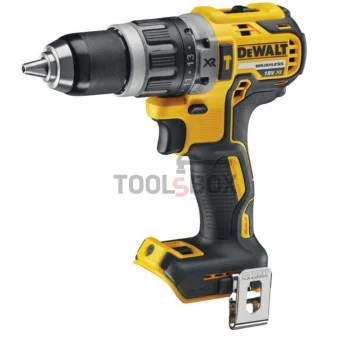
The biggest advantage is freedom of movement-no need for a power outlet or extension cords. Lithium-ion batteries charge quickly and have a long service life, and the capacity (Ah) determines how long you can work on a single charge. The compact design makes it easy to work in cabinets, corners, and tight spaces. Models with brushless motors offer a longer tool life, less heat buildup, and better battery efficiency.
Choosing a cordless screwdriver: key parameters
To choose the right cordless screwdriver, consider the tasks you'll perform most often-home repairs, installations, woodworking, metalworking, or construction. The most important parameters are voltage (V), torque (Nm), battery capacity (Ah), and additional features.
Voltage (V): 12V or 18V?
12V models are lightweight and convenient for household tasks, furniture assembly, and installations. 18V/20V models are more powerful and suitable for heavier work-long screws, hardwood, drilling into metal, and intensive installations. For professional use, the 18V class is most often chosen.
Torque (Nm): How much power do you need?
Torque indicates the force applied when tightening. For home repairs, a range of around 30-50 Nm is often sufficient. For more demanding tasks (long screws, hardwood, structural installations), it's helpful to have a higher Nm rating. Multi-stage adjustable torque is key to preventing the screw from stripping, avoiding material splitting, and ensuring clean work.
Battery capacity (Ah): how long you can work
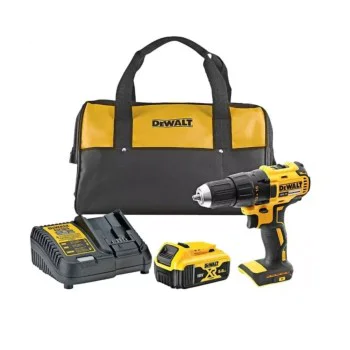
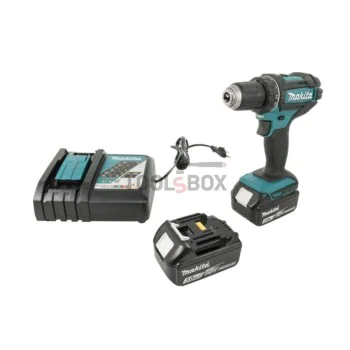
Batteries typically range from 1.5Ah to 5Ah+. For short tasks, 1.5-2Ah is perfectly sufficient. If you're working for extended periods (on a job site, installing drywall, or working with wood structures), 4-5Ah and a spare battery are highly recommended. A fast charger is also a real advantage when time is of the essence.
Impact vs. Standard Cordless Screwdriver
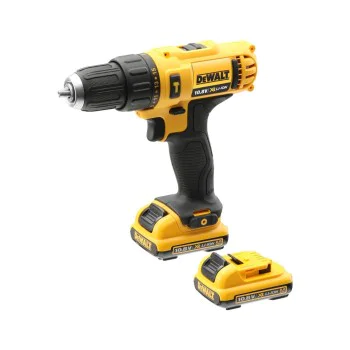
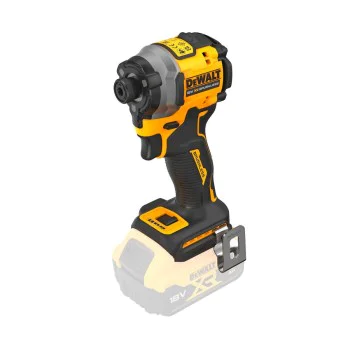
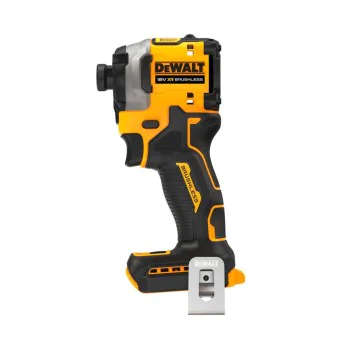
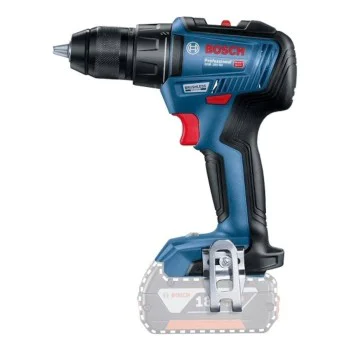
The standard cordless screwdriver is versatile-screwing + drilling-and suitable for household and most installation tasks. The impact cordless screwdriver adds a tangential impact that increases torque for heavy-duty fasteners. It is excellent for long screws, hardwood, and "stubborn" bolts, but it is not a substitute for a drill (many models lack a drill chuck).
When is which one more suitable?
If you mainly assemble furniture, install shelves, and work on standard repairs, the standard model offers the best balance. If you frequently drive long screws or work on structures, decks, beams, or metal profiles, the impact driver is more practical and faster.
Cordless Screwdriver Maintenance: How to Extend Its Life
Proper care preserves the performance of a cordless screwdriver for a long time. Clean the chuck and the area around the ventilation openings of dust and shavings, especially after working with wood, drywall, and metal. Replace worn bits and drill bits-they reduce the risk of slipping and damaging the screws.
Battery Care
Lithium-ion batteries don't like extremes. Avoid fully discharging the battery and don't leave it in extreme heat or cold. If you won't be using the tool for a long time, store the battery partially charged (around 40-60%) in a dry place.
Best Practices for Working with Wood, Metal, and Drywall
When working with wood, it's often a good idea to drill a pilot hole, especially near edges or in hardwood-this reduces the risk of splitting. For metal, use appropriate HSS/cobalt drill bits and moderate speeds to prevent overheating. For drywall, set a lower torque and use appropriate bits to avoid tearing the drywall and ensure a clean installation.
Accessories for cordless screwdrivers
Good bits and drill bits make a huge difference. PH/PZ are most commonly used for wood screws and installations, while Torx is used for a more secure grip and less slippage. Extension bars, angle attachments, and compact bits are useful for working in tight spaces. A spare battery and a storage case add convenience, especially if you work frequently.
Safety Precautions
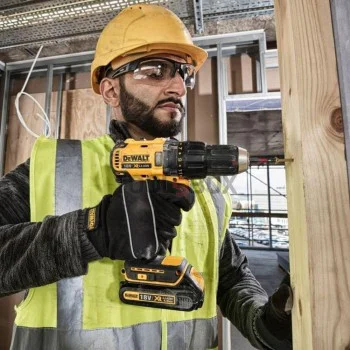
Wear safety goggles when drilling and working with metal. Hold the tool steadily, set the correct speed and torque according to the task, and turn off the tool when changing bits or drill bits. Work in a well-lit area and do not overload the screwdriver, especially during long drilling sessions.
Why choose a cordless screwdriver?
A cordless screwdriver offers convenience, speed, and real efficiency-from home repairs to professional installations. With the right choice of voltage, torque, and battery, you'll work more easily, more precisely, and with less effort. Whether you're assembling furniture, installing drywall, or building a wood and metal structure, this is a tool that saves time and delivers visibly better results.