
Vacuum pumps
Vacuum pumps for servicing, installation, and maintenance of systems
Vacuum pumps are used to remove air, moisture, and residual gases from closed systems prior to charging, testing, or commissioning. In HVAC, refrigeration, laboratory, or service applications, proper vacuuming protects the system from corrosion, ice plugs, unstable pressure, and poor compressor performance. The section on Toolsbox.bg is aimed at installation teams, mobile service providers, workshops, and discerning DIY enthusiasts seeking clean and controlled system preparation.
What Do Vacuum Pumps Include?
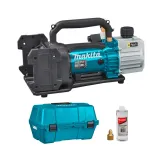
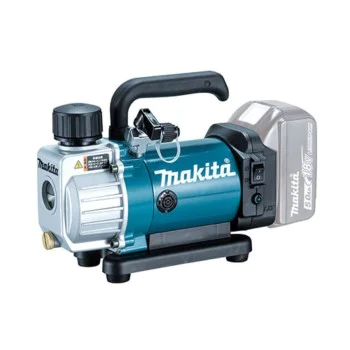
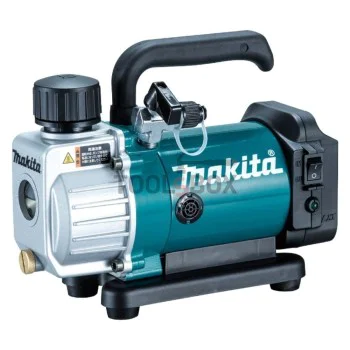
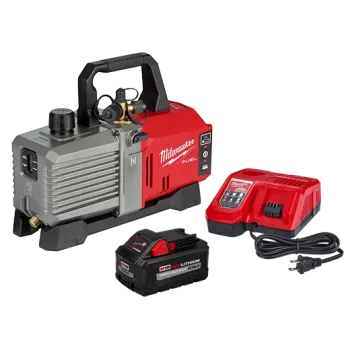
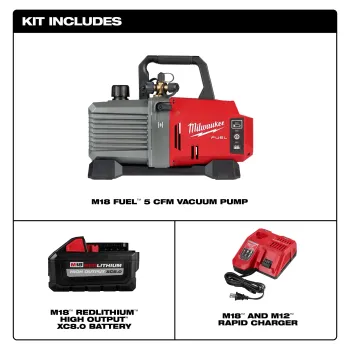
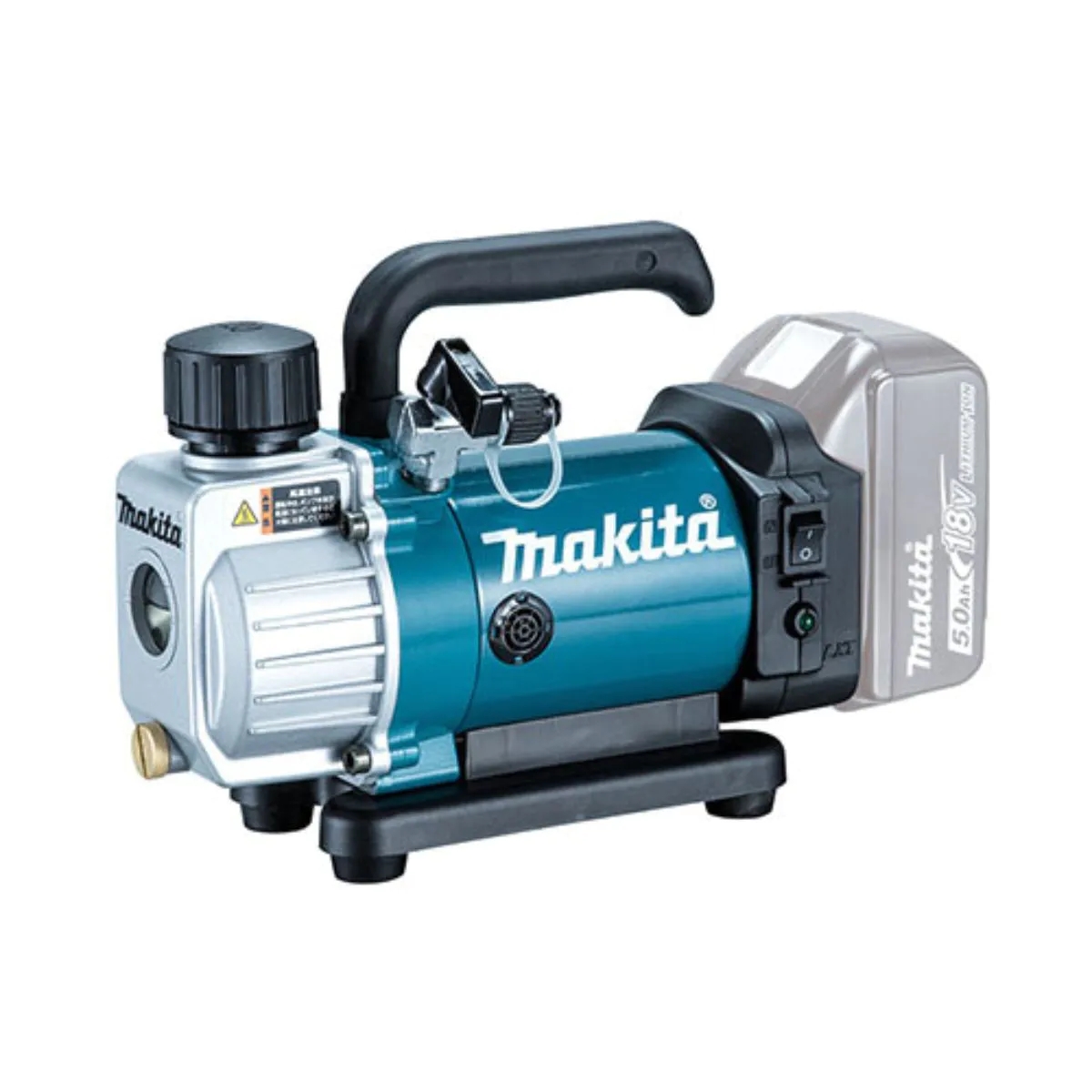
The range includes battery-powered vacuum pumps, compact service pumps, oil-lubricated models, single-stage and two-stage units, along with accessories compatible with specific kits. Cordless models are valuable at sites where power outlets are far away, power is limited, or cables get in the way around exterior units, roofs, and service shafts. Mains-powered machines remain a practical choice for stationary workshops and extended operations.
In professional installations, the pump works in conjunction with a pressure gauge assembly, vacuum gauge, hoses, adapters, Freon scales, and service accessories. The precise compatibility of the threads and connection ports determines the tightness of the connection and the stable pressure reduction. Well-selected hoses with sufficient inner diameter reduce vacuuming time and limit line losses.
Practical Applications in HVAC and Refrigeration
Vacuum pumps are used in the installation and servicing of split systems, heat pumps, refrigerated display cases, cold rooms, automotive air conditioning systems, and small industrial installations. After repairing a pipe run, replacing a compressor, filter-drier, or other component, vacuuming removes residual moisture and air from the circuit. This allows the refrigerant to operate in a cleaner environment, and startup measurements are more accurate.
For more sensitive refrigeration systems, it is practical to monitor the final vacuum with a separate vacuum gauge rather than relying solely on the pressure gauge cluster. The technician gains a more accurate understanding of the actual pressure in the system and can assess whether there is residual moisture, a leak, or insufficient vacuuming time.
Parameters for selecting a vacuum pump
When purchasing, match the machine to the system volume, the required vacuum depth, the frequency of use, and the type of power supply. For single-unit residential air conditioners, a compact machine with a comfortable handle and easy maintenance is preferred. For a service center with high volume, a higher flow rate, a sturdy metal base, good motor protection, and easy access to the oil are valuable.
- Flow rate-indicates how quickly the pump extracts air from the system; a higher flow rate reduces the time required for larger systems.
- Ultimate vacuum-an indicator of vacuum depth, valuable for refrigeration systems with sensitive components.
- Number of stages-single-stage pumps are lighter and easier to transport, while two-stage pumps achieve a deeper vacuum.
- Power supply-battery-powered for mobile service or mains-powered for long operations in a workshop.
- Ports and threads-1/4 SAE, 3/8, or other standards are selected based on the hoses and pressure gauge assembly.
- Oil reservoir-the level window, convenient filling, and easy draining simplify maintenance.
The single-stage vacuum pump is lightweight and convenient for standard installations, while the two-stage design is preferred for deeper vacuum and more precise service work. For battery-powered models, check the battery platform, voltage, capacity, and charger to plan your on-site working time.
Battery-powered vacuum pumps for on-site use
Battery-powered vacuum pumps offer freedom for off-site installation, finishing construction work, roof installations, and service in buildings without convenient access to an electrical outlet. They are valuable for technicians who work with battery-powered tools from a single platform and want fewer cables around the work area. For longer operations, it is advisable to have a charged spare battery or a power source for the charger on hand.
Compatibility, Oil, and Safe Operation
The vacuum pump is connected to the system using the correct hoses, fittings, and adapters. In HVAC systems, various threads and standards are encountered, so the port sizes must be checked before operation. For oil-sealed pumps, the level and condition of the vacuum oil directly affect the achievable vacuum and the protection of the internal mechanisms. Contaminated oil hinders vacuuming and shortens the pump's service life.
For safer operation, place the machine on a stable surface, protect it from dust and impacts, monitor the oil level through the sight glass (if provided), and keep the ports covered with clean plugs. When servicing, follow the manufacturer's instructions regarding oil, filters, seals, and maintenance intervals. Regular care protects the pump from overheating, wear, and loss of performance.
Who are vacuum pumps intended for?
These machines are valuable for HVAC installers, refrigeration technicians, auto repair shops, laboratories, service workshops, and users who repair their own equipment with the necessary training. For professional use, a sturdy housing, continuous operation, convenient service access, and compatibility with existing accessories are valued. For home use, compact size, easy portability, and straightforward operation are more important.
Browse the vacuum pump offerings at Toolsbox.bg and select a model based on system type, flow rate, ultimate vacuum, power supply, and required accessories. The right pump simplifies installation, reduces service time, and ensures clean, stable operation of the system.