
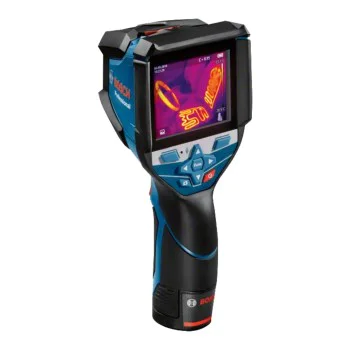

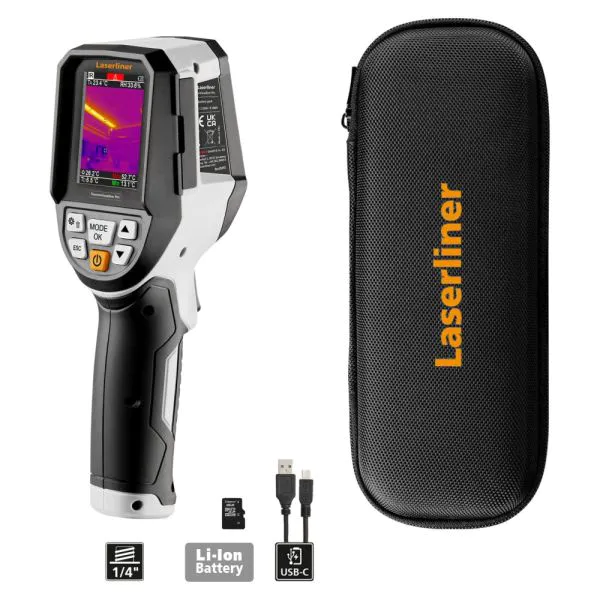
Thermal cameras for leaks
Thermal imaging cameras for leaks - precise thermal diagnostics for repairs, installation, and maintenance
Thermal imaging cameras for leaks are measuring devices that visualize temperature differences on walls, floors, ceilings, pipe runs, and structural elements. Using thermal imaging, they pinpoint areas with moisture, cooling, heating, or compromised insulation without relying solely on visual inspection. This makes leak detection faster, more accurate, and less destructive during subsequent repairs.
These devices are valuable for plumbing technicians, construction crews, service specialists, building inspection firms, and discerning DIYers. When used correctly, the thermal camera detects anomalies around hot and cold water pipes, underfloor heating, radiator systems, roof sections, damp walls, plaster, and facades. Thermography does not completely replace pressure testing, moisture meters, or on-site inspections, but it provides a quick visual guide to where to look for the problem.
What Do Thermal Leak Detection Cameras Include?
This section includes compact and professional thermal cameras, infrared cameras with displays, models with varying thermal resolution, devices with a camera for overlaying real and thermal images, as well as options with the ability to save images and review measurements. Some models are standalone devices with a comfortable grip, while others are more compact solutions for quick site diagnostics.
Their main task is to convert invisible temperature differences into a color image. Cold zones, damp spots, and areas with altered thermal conductivity often differ from dry surfaces. In the case of a hot water leak, one looks for uncharacteristic warming around the route, while for cold water or roof penetration, one looks for an area with a lower temperature and uneven drying of the material.
Applications in leak detection and building diagnostics
Thermal imaging cameras for leaks are used in emergencies, preventive maintenance, and post-repair inspections. In plumbing systems, they help trace routes in walls and floors and locate hidden connections, manifolds, risers, and floor distribution systems. In heating systems, they are useful for inspecting underfloor heating, radiator circuits, and hot spots in the screed.
In construction and finishing work, the thermal camera assists in inspecting wet areas before plastering, painting, or installing flooring or cladding. For roofs and terraces, a thermal inspection identifies areas with trapped moisture, compromised waterproofing, or drainage issues. For facades and window frames, the device identifies thermal bridges, gaps in insulation, and areas at risk of condensation.
- Plumbing emergencies: locating suspicious areas around pipes, connections, and floor lines.
- Heating systems: inspection of underfloor heating, radiator lines, and hot spots in screed.
- Roofs, terraces, and bathrooms: detection of moisture behind cladding, under flooring, or around waterproofing areas.
- Building energy audit: visualization of heat loss, thermal bridges, and uneven insulation.
- Preventive maintenance: documenting the condition before and after repair work.
How to choose a thermal camera for leaks
When selecting a thermal camera, you need to consider the type of work, the size of the sites, the required level of detail, and the method of documentation. For periodic home inspections and one-off repairs, a more compact device with a clear display and easy-to-read temperature zones is usually sufficient. For professional building inspections, maintenance work, and regular diagnostics, models with higher infrared resolution, better thermal sensitivity, and recording capabilities are more suitable.
Sensor resolution and image clarity
Infrared resolution determines how detailed the thermal image will be. Higher resolution makes it easier to distinguish small areas around pipes, joints, corners, and connections. When inspecting larger rooms, facades, or roofs, good detail reduces the risk of missing small temperature deviations.
Temperature Range and Sensitivity
Extremely high temperatures are not always necessary for leaks and moisture, but the device must be able to detect small differences between adjacent surfaces. Thermal sensitivity is particularly important for cold walls, damp areas, minor leaks, and inspections in places where the temperature contrast is small. Higher sensitivity aids in early diagnosis and in rooms where material temperatures are similar.
Display, Color Palettes, and Field Work
The clear screen, comfortable grip, and easy-to-use menu are important for inspections in tight spaces, basements, attics, and service shafts. Color palettes make it easier to identify hot and cold zones. Some devices feature markers for minimum and maximum temperatures, a center measurement point, image storage, and data transfer for reporting.
Power Supply, Housing, and Practicality
When working on a construction site, the device must withstand being carried, dust, frequent power-ups, and movement between rooms. Battery life, runtime, startup speed, and ergonomics are essential for service teams that perform many inspections throughout the day. The compact housing is convenient for quick checks, while larger devices typically offer a more user-friendly screen and more settings.
The thermal camera as part of accurate diagnostics
For good results, surfaces must be evaluated with sufficient temperature contrast. With underfloor heating, the system must have been running long enough for the heat patterns to become visible. When dealing with moisture on walls and ceilings, it is helpful to track the differences between the suspect area and the dry zone around it. Strong sunlight, drafts, recent heating, wet cleaning, or recently opened windows affect the readings and must be taken into account during the inspection.
Combining a thermal camera with a moisture meter, laser thermometer, endoscope, or pressure gauge provides a more complete picture in complex damage cases. The thermal image shows where an anomaly exists, while the additional measurements confirm the cause. This reduces unnecessary demolition of walls and floors, and repairs are targeted at a more specific area.
Accessories, Storage, and Maintenance
When choosing a thermal camera for leak detection, pay attention to the included accessories-a carrying case, charger, data transfer cable, memory card, or software, when provided by the manufacturer. For service work, it is helpful to store the device in a protective case or carrying case, away from heavy impacts, dust, and moisture. The lens must be kept clean, as dirt affects the quality of the thermal image.
At Toolsbox.bg, you'll find thermal imaging cameras for leak detection suited for various levels of use-from practical tools for home repairs to solutions for professional diagnostics of plumbing, heating, and construction issues. Browse the models, compare resolution, temperature range, recording features, and ease of use, then select a device based on the project's requirements and the necessary accuracy.