
Air wrench
Air impact wrench for quickly loosening and tightening bolts
An air impact wrench is a pneumatic tool designed for working with nuts, bolts, and fasteners that require high torque, speed, and consistent load. It is widely used in auto repair shops, tire repair shops, garages, service centers, and for machine maintenance. The compressed air supply allows for continuous operation without an electric motor in the housing, and the impact mechanism helps with tight, dirty, or corroded connections.
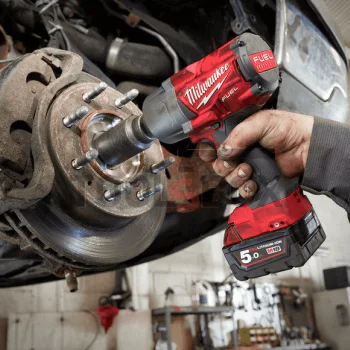
In automotive repairs, the pneumatic impact wrench is used for removing and installing wheels, working on the suspension, servicing brake components, and removing fasteners on suspension components, engine assemblies, and metal structures. When the right model is chosen, the tool reduces service time and minimizes physical effort during repetitive tasks.
What Do Pneumatic Impact Wrenches Include
Pneumatic impact wrenches vary in square drive size, torque, air consumption, operating pressure, weight, body shape, and type of impact mechanism. The most common models for passenger cars and general service work are those with a 1/2-inch drive. For heavier applications, such as trucks, agricultural machinery, and industrial installations, 3/4-inch or 1-inch models are preferred.
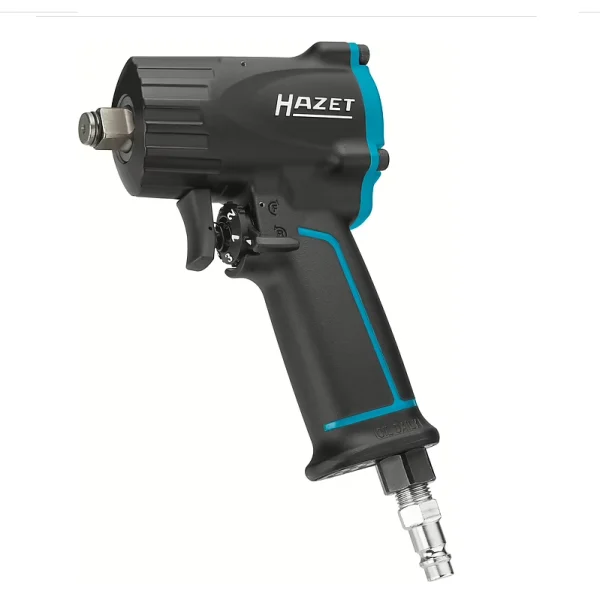
This group of tools includes compact models for tight spaces, standard service impact wrenches for daily use, heavy-duty versions for heavy-duty fasteners, and extended models for hard-to-reach bolts. Some feature torque adjustment, a reverse function for changing direction, and an ergonomic handle for a more comfortable grip during prolonged use.
Main Applications in Service Shops and Garages
When changing tires, the pneumatic impact wrench allows for quick loosening of wheel bolts and even preparation for subsequent tightening with a torque wrench. When repairing the suspension, the tool is invaluable for working on control arms, shock absorbers, hubs, half-shafts, and fasteners exposed to moisture and dust. In metal fabrication shops, it is used for assembly operations involving numerous bolted joints.
For the home garage, the pneumatic impact wrench is practical for seasonal tire changes, servicing trailers, motorcycles, small equipment, and various repair tasks. For professional use, the focus is on durability under load, comfort during long shifts, and compatibility with the existing air system.
Choosing an air impact wrench based on the job
Before purchasing, it is advisable to consider several technical parameters. Torque determines the tool's ability to loosen tight fasteners. Lighter models are convenient for frequent position changes and overhead work, while more powerful variants are designed for larger nuts, rusted bolts, and heavy-duty service.
- Socket size: 1/2 inch for automotive work and general-purpose tasks; 3/4 and 1 inch for heavy-duty equipment and large fasteners.
- Torque: selected based on bolt size, tightening torque, and workshop workload.
- Air consumption: must match the compressor's flow rate and the hose diameter.
- Working pressure: the pneumatic system must deliver the stable pressure specified for the specific tool.
- Weight and balance: A lighter body reduces fatigue during repeated operations.
- Controls: reverse, torque settings, and a comfortable trigger facilitate precise work.
When working on wheels, it is recommended to use an impact wrench for loosening, and a torque wrench for final tightening. This protects the threads, studs, and fasteners. For suspension repairs, a more powerful model is often required, as fasteners are exposed to dirt, temperature changes, and corrosion.
Compatibility with a compressor and air line
An air impact wrench only works properly with a properly sized pneumatic system. The compressor must provide sufficient air flow, and the hoses, quick-connect fittings, and adapters must not restrict the air flow. A hose that is too thin or an unsuitable connector reduces impact force and slows down operation.
In a workshop setting, a moisture separator, pressure regulator, and lubricator are useful when the tool requires them. Clean and properly conditioned air extends the life of the mechanism, reduces wear, and protects internal components. When working with a compressor in a garage, it is wise to check whether the air tank and motor can maintain the required flow during a series of operations.
Impact sockets and accessories
Impact sockets designed to withstand the load of an impact mechanism are used for pneumatic impact wrenches. Standard chrome-plated sockets for manual ratchets are not intended for such work and may be damaged. Impact sockets are distinguished by more durable material, thicker walls, and a shape designed for dynamic loads.
The tool is often paired with extensions, universal joints, adapters for various sockets, protective inserts for aluminum rims, and a set of quick-connect fittings for the air line. When selecting accessories, the socket size, working depth, and access to the fastener are crucial for comfortable and safe operation.
Safe Operation and Maintenance
When working with an air impact wrench, safety goggles and gloves must be worn, and the workpiece must be securely positioned. The tool should not be used as a substitute for precise torque control on fasteners with a specified torque rating. After loosening or pre-tightening, the final torque must be verified with a suitable measuring tool.
Regular maintenance includes cleaning the air inlet, checking connections, periodically lubricating models that require oil, and storing the tool in a dry environment. Hoses must not be kinked, cracked, or contaminated on the inside. Proper care preserves the tool's power and reduces unplanned interruptions during operation.
Air wrenches for service and home use
The choice of a pneumatic impact wrench depends on the frequency of use, the type of fasteners, and the available air supply. For garage tasks, a compact model with a comfortable grip and a standard square drive is sufficient. For auto repair shops or tire repair stations, a tool with higher torque, a durable housing, and quick directional control is more suitable. For heavy-duty equipment, the priorities are power, handle size, and durability under continuous load.
At Toolsbox.bg, you can select an air impact wrench based on the specific task, the available compressor, and the necessary accessories. The organized parameters make it easy to compare models so you can find a pneumatic tool for repair, installation, and service work with the exact specifications you need.