
Pullers
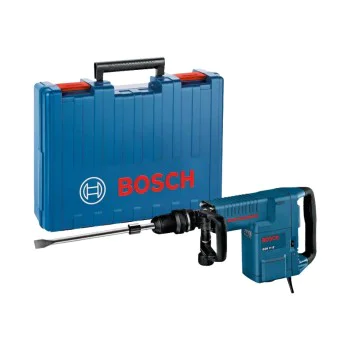
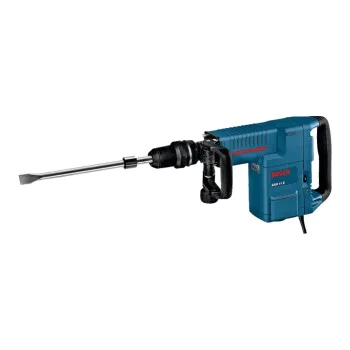
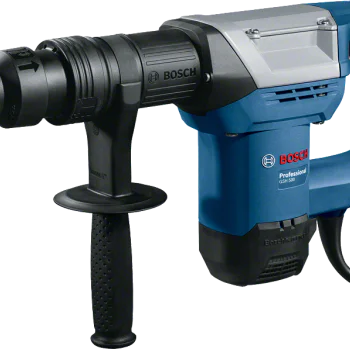
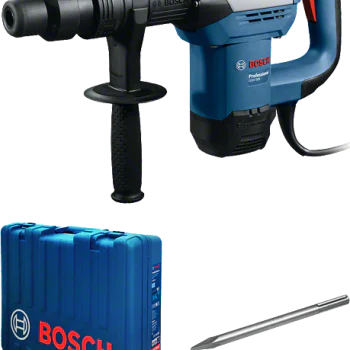
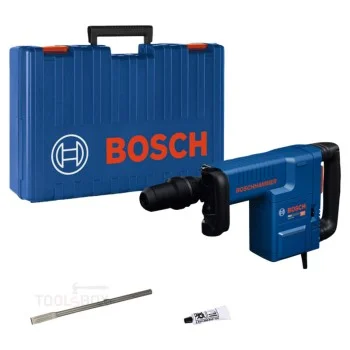
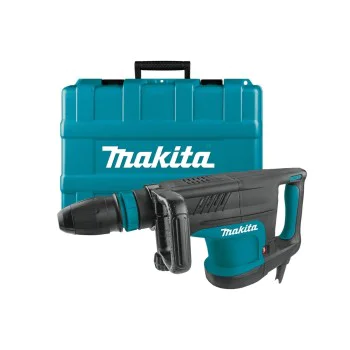
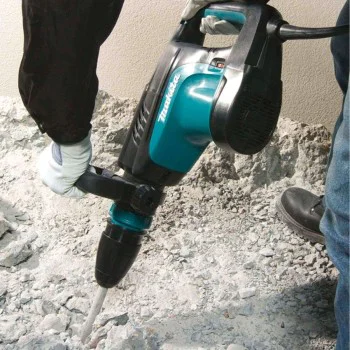
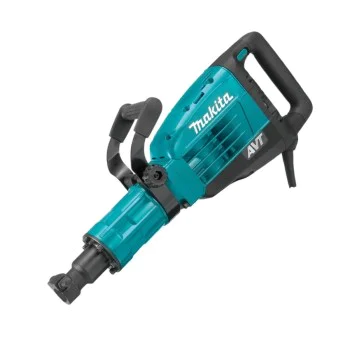
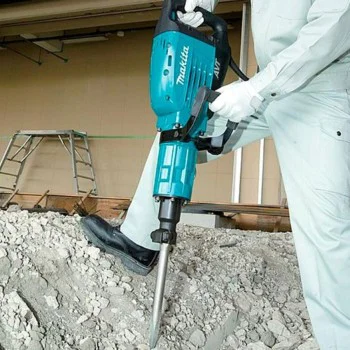
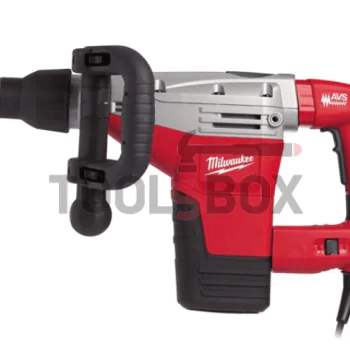
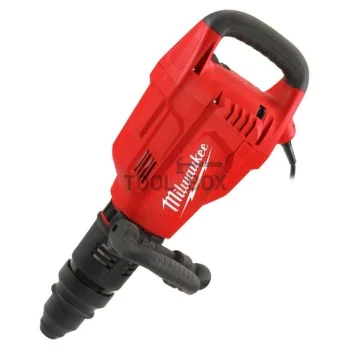
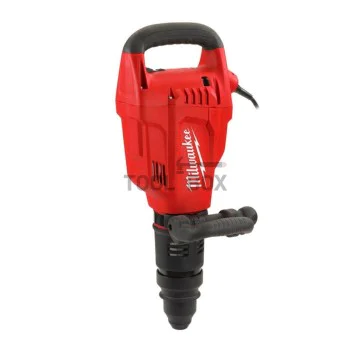
Demolition Hammer
A powerful tool for effectively breaking up hard surfaces
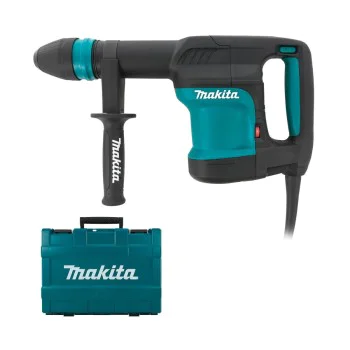
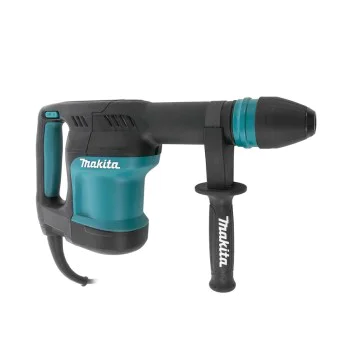
Demolition tools play a vital role in construction and renovation, enabling the quick and efficient breaking up of sturdy materials such as concrete, asphalt, masonry, and other hard surfaces. They are indispensable for performing heavy-duty tasks on construction sites and are widely used by both professionals and DIY enthusiasts. Thanks to their power and efficiency, these tools are among the most powerful power tools used for demolishing walls, floors, slabs, and other structural elements in construction.
What is a jackhammer and how does it work?
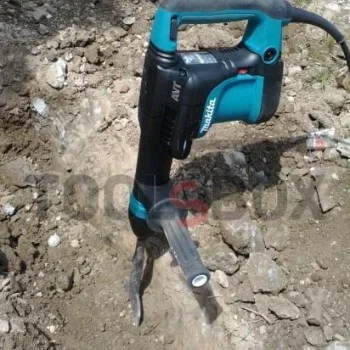
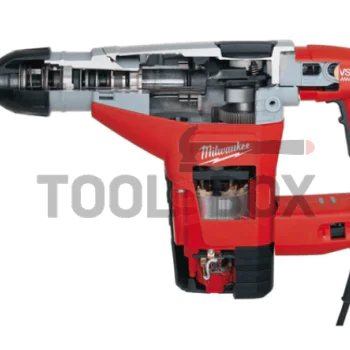
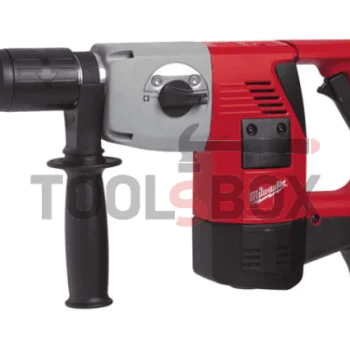
It is a power tool that generates a series of powerful blows through a rotary or linear mechanism. The blows are transmitted to the chisel, which penetrates and breaks up the material. The operation of this tool is based on a vibrating or impact mechanism driven by electricity, compressed air (pneumatic models), or a hydraulic system.
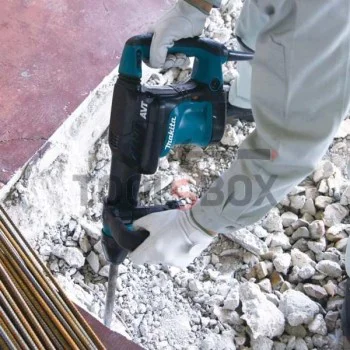
They are used in situations where fast and effective demolition of solid and hard-to-process materials is required. Most often, they are used for breaking up concrete slabs, walls, brick structures, and road surfaces. In addition, they are extremely useful for preparatory work before constructing new structures or removing old ones.
Key features of demolition hammers:
- The tool's power is measured in watts and plays a key role in model selection. More powerful models are designed for larger and more complex tasks, such as breaking up thick concrete slabs and massive structures.
- Impact energy indicates how powerful each individual blow of the tool is and is measured in joules. Higher impact energy is essential when working with hard materials such as concrete and asphalt. For professional construction tasks, models with high impact energy allow for faster and more efficient demolition.
- Impact rate is the number of impacts per minute that the tool can generate. A higher impact rate allows for faster material demolition, as the tool can remove small pieces with less effort.
- Ergonomics and weight. To make the tool easier to use, most models are designed with an ergonomic shape that reduces fatigue and improves control over the tool. The tool's weight also plays an important role, as lighter models are easier to handle and work with in confined spaces.
- Vibration levels are particularly important during prolonged use. Tools with lower vibration levels reduce fatigue and the risk of hand and wrist injuries, ensuring a more comfortable working experience for the operator.
Types of jackhammers:
There are several main types, each designed for specific tasks and working conditions. Choosing the right tool depends on the nature of the project and the material to be demolished.
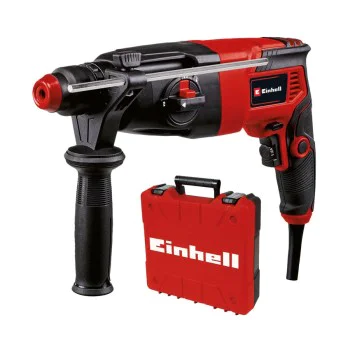
Hand-held breakers are compact and lightweight tools used for smaller demolition tasks such as removing tiles, breaking down small walls, and demolishing masonry. They are easy to carry and can be used in tight spaces. Handheld models typically offer sufficient power for home projects and light-duty tasks without requiring complex adjustments or maintenance.
Electric jackhammers are among the most popular on the market, as they combine high power with ease of use. They are used to break up concrete slabs, brick structures, and asphalt, offering reliability and continuous operation when a power source is available. Corded models provide constant power, while cordless options offer greater mobility.
Pneumatic breakers are primarily used for heavier and longer tasks, as they are capable of operating for extended periods without interruption. They operate on the principle of compressed air and are preferred in professional settings where it is necessary to work with sturdy materials such as thick concrete slabs or asphalt. Pneumatic models require a compressor but offer exceptional durability and efficiency.
Hydraulic breakers are the most powerful and are used for the heaviest and largest-scale projects. They operate using hydraulic pressure and are connected to heavy equipment such as excavators and cranes. These tools are indispensable for demolishing bridges, large concrete structures, and other massive constructions. Their power makes them suitable for industrial projects and large construction sites.
These tools are widely used in various types of construction and renovation projects. They are ideal for demolishing concrete walls and slabs, removing asphalt, as well as for demolishing old buildings and structures. In infrastructure projects, these tools are used to remove road surfaces and other durable materials. For home renovations, these tools are suitable for removing tiles, demolishing small masonry walls, and removing old cladding.
How do you choose the right jackhammer?
The choice depends on several key factors:
- Power: For larger and more complex projects, you need to choose a high-power model that can handle hard materials like concrete and bricks. Smaller handheld models are suitable for lighter tasks, such as removing tiles or small walls.
- Impact rate and impact energy: These two parameters are essential for the tool's effectiveness. A high impact rate ensures rapid material removal, while higher impact energy allows for deeper penetration into solid structures.
- Ergonomics and Vibration: Choosing an ergonomic model with an anti-vibration system will reduce fatigue during use and provide better control over the tool.
- Mobility: If you work in tight or hard-to-reach spaces, you may want to choose a cordless model, which offers greater flexibility. Corded models are better suited for long-term work on construction sites where there is access to a constant power supply.
Additional tips for choosing the right jackhammer
When it comes to choosing the right tool for your needs, there are several additional factors to consider. This includes both the working environment and the specifics of the tasks you'll be performing. For some projects, it will be important to rely on tools that offer not only power but also precision, especially when demolishing more delicate structures.
Working in Confined Spaces
Working in tight spaces can be challenging if you don't have the right tool. In such situations, it's best to choose hand-held breakers or lighter models that are easy to handle. These tools offer enough power to break down masonry or small concrete surfaces without taking up too much space or requiring a lot of maneuverability.
Work Flexibility
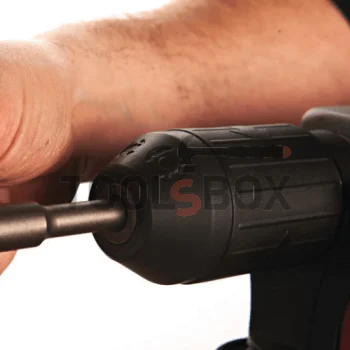
One of the key advantages of modern models is their ability to handle various tasks by using different bits and accessories. Some tools allow for easy replacement of chisels and other accessories, making them suitable for a wide range of projects. This way, the same tool can be used for both breaking tiles and more serious construction work, such as demolishing concrete structures.
Working Environment
It is also important to consider whether the tool will be used indoors or outdoors. If you are working outdoors and do not have access to a power source, cordless models are an excellent choice. They provide freedom of movement and mobility, making them ideal for working in remote locations where a constant power supply is not available. On the other hand, if you're working indoors or in a location with constant access to electricity, corded models will be better suited for longer tasks.
The Role of Demolition Hammers in Professional Construction
In the professional construction industry, these tools play a central role in demolition work. They are used on large construction sites where the demolition of sturdy structures such as bridges, buildings, and road surfaces is required. Professional models are designed to withstand heavy-duty use, offering high power and efficiency during prolonged operation.
Unlike tools intended for home use, professional jackhammers are typically heavier and more powerful. They are used in industrial projects where maximum demolition power is required. Many of these models feature cooling systems that prevent overheating and extend the tool's lifespan during prolonged use.
Technological Innovations in Hammer Drill Manufacturing
In recent years, this type of tool has improved significantly thanks to technological advancements. The incorporation of new materials, electronic components, and ergonomic solutions has made these tools more reliable and comfortable to use. Many modern models feature anti-vibration systems that reduce vibrations during operation and protect the user from fatigue and injury during prolonged use.
Other innovations include brushless motors, which increase the efficiency of power tools and ensure a longer service life for the tool itself. These motors are more reliable because they have fewer moving parts, which reduces wear and the need for maintenance.
Efficiency and Energy Savings When Using a Hammer Drill
With the advancement of modern technology, these tools are becoming increasingly energy-efficient. Many modern models feature load-dependent power optimization functions, which reduce energy consumption during lighter tasks and increase efficiency during heavier projects. This is particularly useful for users working in locations with limited access to electricity or where energy usage needs to be minimized.
Their main advantage is their high efficiency and ability to break down solid materials quickly and with minimal effort. They save significant time compared to manual demolition methods, while also reducing the physical strain on the operator.
Maintenance and Care of Demolition Hammers
To ensure long-lasting and trouble-free operation, regular maintenance of jackhammers is essential. It is important to follow a few basic rules that will extend the tool's lifespan and keep it in good condition. One of the first things to do is to clean the tool regularly after each use. Dust and material debris can get into the tool's mechanism and cause wear or blockage of the moving parts.
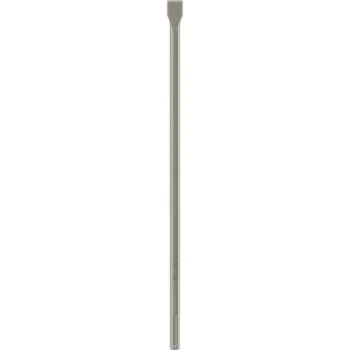
In addition, it is important to monitor the condition of the chisels and other accessories used with the chisel hammer. Worn or dull chisels can reduce the tool's efficiency and make work more difficult. For electric models, the condition of the cord should be checked for damage or exposed wires, which can lead to malfunction or even pose a hazard to the operator.
Regular lubrication of moving parts is also important, especially with more intensive use of the tool. Lubrication prevents wear on parts and ensures smooth operation of the tool. For pneumatic models, it is important to keep the compressor and air hoses in good condition to ensure the tool functions properly.
Safety When Working with Jackhammers
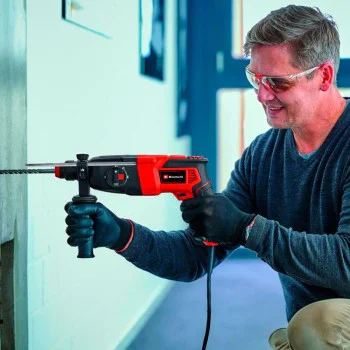
These are powerful tools, so safety is of the utmost importance when using them. To avoid accidents and injuries, it is important to follow basic safety rules. First and foremost, always wear appropriate personal protective equipment, such as safety goggles, gloves, and ear protection. This will protect the operator from flying debris, vibrations, and the noise generated when the tool is in operation.
In addition, you must ensure that the tool is properly adjusted and in good condition before each use. Check that the chisel is properly secured and that all connections and cables are in good working order. Never use a jackhammer in wet or damp areas unless the tool is specifically designed for that purpose, as moisture can lead to electric shocks or damage to the tool.
It is also important to maintain proper body and hand positioning when working with the jackhammer. Always hold the tool with both hands and ensure you are standing firmly to avoid losing control while operating this powerful tool.
Demolition hammers are indispensable tools for demolition tasks in construction and renovation. They offer high power, efficiency, and precision, enabling the quick and effective demolition of hard materials. Whether you're working on small home projects or professional construction sites, choosing the right tool is essential for successfully completing your tasks. With proper maintenance and safety precautions, these power tools will be a reliable partner for any heavy-duty tasks involving the demolition of solid materials.