
Electric Air Compressors
Electric air compressors for workshops, service centers, and installation
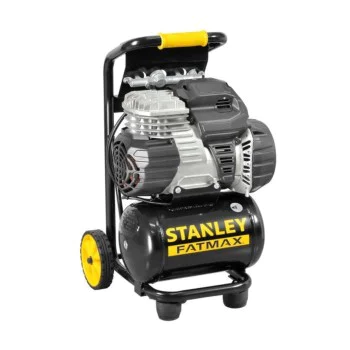
Electric air compressors are machines for producing and storing compressed air, which is needed when working with pneumatic tools, painting, blowing, pumping, cleaning, and various repair activities. They convert electrical energy into air pressure and deliver a steady flow to paint spray guns, impact wrenches, nail guns, pneumatic grinders, tire inflators, and other accessories. Such compressors are used in garages, auto repair shops, construction sites, furniture workshops, manufacturing facilities, and for equipment maintenance.
Different models vary in tank capacity, flow rate, operating pressure, motor power, lubrication type, noise level, and drive type. Small electric air compressors are convenient for mobile tasks and occasional household work, while larger machines with a large-capacity tank support a longer operating cycle and power more demanding pneumatic tools. Proper assessment of these parameters prevents downtime, unnecessary strain on the machine, and incompatibility with the tool.
What does the electric air compressor category include?
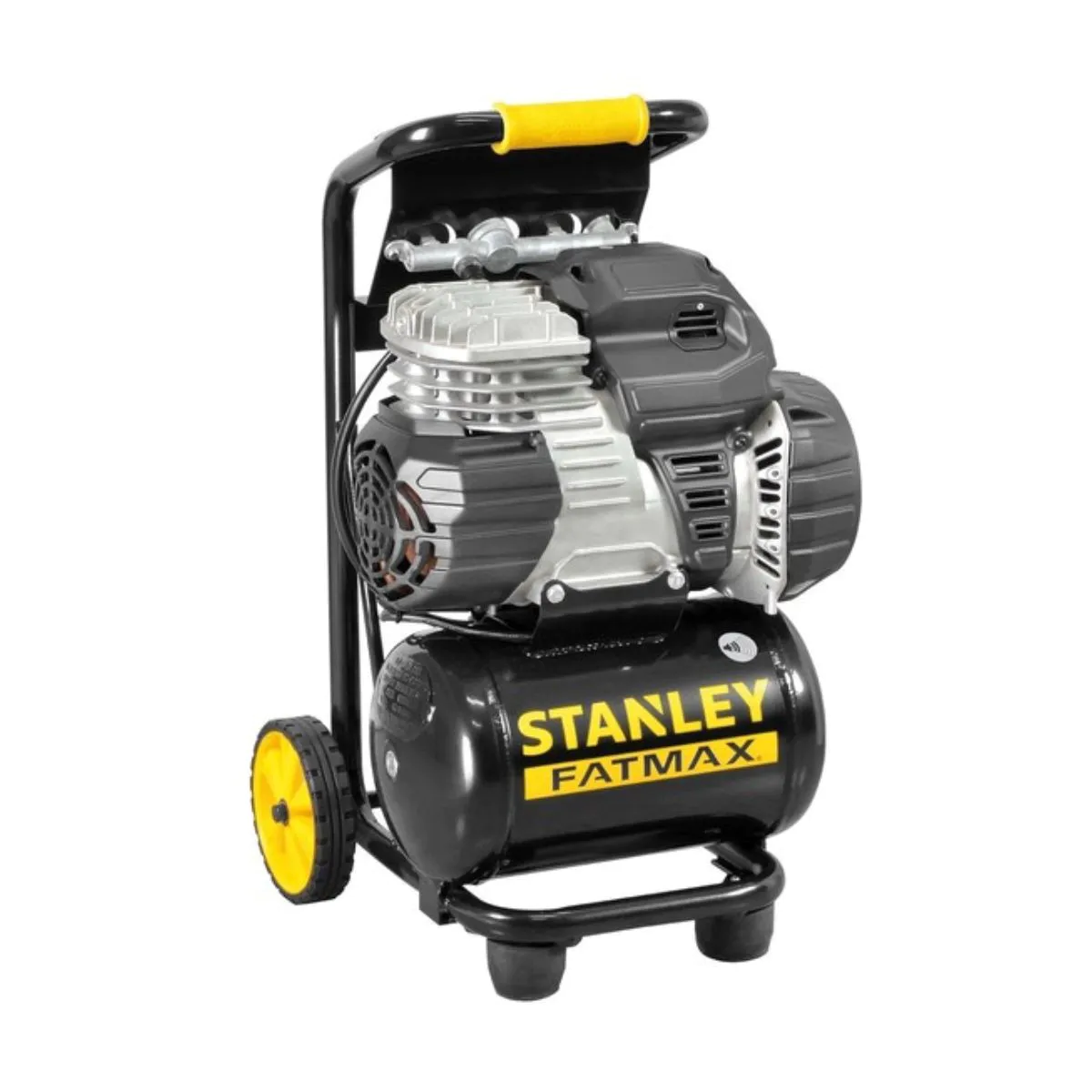
Electric air compressors include compact portable models, stationary compressors with horizontal or vertical receivers, oil-lubricated reciprocating machines, oil-free variants, direct-drive compressors, and belt-driven models. Some are designed for light-duty tasks such as inflating tires, blowing away dust, and powering a nail gun. Others are intended for service work with pneumatic wrenches, sanding, painting, or more intensive workshop use.
The receiver stores compressed air and reduces the frequency of motor cycling. A smaller tank is convenient for portability and limited space, while a larger tank ensures longer operation between cycling intervals. Air flow indicates the amount of air the machine delivers per minute and must be matched to the air consumption of the pneumatic tool. Working pressure is another essential parameter, as different tools operate at specific values set by the manufacturer.
Applications in workshops, construction, and the home
Compressed air is a practical source of power for many tasks where a power tool is not the most convenient option. An electric air compressor is used for car maintenance, tire installation, blowing out filters, cleaning work surfaces, spray painting, varnishing, fastening with a pneumatic stapler, chiseling with pneumatic accessories, and working with small pneumatic tools.
- For garage and home use-compact models for inflating, blowing out, stapling, and minor repairs.
- For auto repair shops-compressors with larger tanks and consistent air flow for impact wrenches, tire guns, and cleaning.
- For painting and varnishing-models with uniform air delivery, a pressure-reducing valve, and moisture filtration capability.
- For workshops-machines to power pneumatic grinders, nail guns, airbrushes, and other tools.
- For construction and installation work-portable compressors with a convenient design for on-site use.
Types of electric air compressors
The type of compressor directly affects maintenance, noise, durability, and operation. Oil-lubricated models feature lubrication of the compressor head and are preferred for extended use. Oil-free compressors do not require oil changes and are suitable for tasks where air purity is important, such as airbrushing, light finishing work, or indoor use.
| Compressor Type | Characteristics | Typical tasks |
|---|---|---|
| Oil-free electric compressor | Easier maintenance, clean airflow, often more compact design | Pumping, blowing, airbrush, tacker, light repairs |
| Oil-lubricated reciprocating compressor | Lubricated compressor unit, performs well under heavy loads | Service, workshop, pneumatic tools, painting |
| Direct-drive compressor | Compact machine, easy to transport and store | Home use, installation, mobile tasks |
| Belt-driven compressor | Smoother operation and design for more intensive use | Service and workshop use |
Factors to consider when choosing a compressor
When selecting an electric air compressor, the first consideration is which tools will be powered. An air gun for inflating and blowing requires a much lower flow rate than a pneumatic impact wrench or a paint spray gun. If the tool's air consumption exceeds the compressor's actual flow rate, operation is frequently interrupted and pressure drops. Therefore, flow rate, pressure, and receiver volume are considered together.
The tank volume affects the duration of operation without restarting. Compressors with small tanks are convenient for short tasks and portability. Medium-sized tanks are practical for garages and hobby workshops. Larger receivers are suitable for service work and tools with constant air consumption.
The electric motor's power must match the load and the electrical grid. Single-phase compressors are suitable for standard power supply in a garage or small workshop. Three-phase models are chosen for more demanding machinery and industrial environments where a three-phase installation is available.
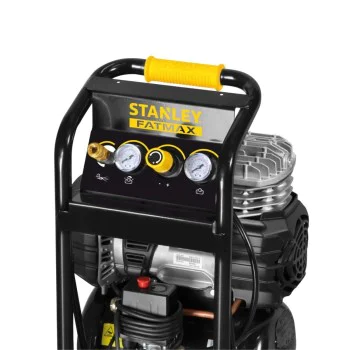
Noise level is important when working in enclosed spaces, small repair shops, or residential garages. Quieter models reduce fatigue during prolonged operation. When installing the compressor, allow sufficient space for cooling, access to pressure gauges, a condensate drain, and service points.
Compatibility, Air Preparation, and Accessories
For optimal performance, the compressor is combined with hoses, quick-connect fittings, a pressure-reducing valve, pressure gauges, a moisture separator, an oiler, and pneumatic tools. The diameter and length of the hose affect pressure loss. When painting and varnishing, the moisture filter is particularly useful because water droplets in the line impair the finish. For tools requiring lubrication, the oiler delivers a fine oil mist to the mechanism and supports normal operation.
Compatibility between the compressor and the tool is determined by operating pressure, air flow rate, and connection size. When multiple tools are connected to a single line, the total air consumption is taken into account. For painting applications, pressure stability is important, while for impact wrenches and impact tools, the machine's ability to restore pressure quickly is key.
Maintenance and Safe Operation
Regular maintenance extends the life of the electric air compressor and maintains stable operating parameters. For oil-lubricated models, monitor the oil level and follow the oil change intervals specified by the manufacturer. Condensate from the receiver tank should be drained periodically, as moisture accelerates corrosion and affects air quality. The air filter should be cleaned or replaced when dirty, and hoses and connections should be inspected for leaks.
Safe operation includes working in a well-ventilated area, ensuring the machine is securely positioned, preventing the maximum pressure from being exceeded, and wearing safety goggles when blowing out the system or using pneumatic tools. The compressor must not be covered during operation, as cooling of the motor and compressor head is necessary to maintain normal operating temperatures.
Choose an electric air compressor based on your actual needs
A well-chosen electric air compressor provides the necessary flow rate, maintains stable pressure, and works comfortably with the selected pneumatic accessories. For light tasks, a compact machine with a small tank is sufficient, while for service work, painting, or prolonged use, it is wiser to look for a larger receiver, higher flow rate, and a design built for heavier loads. Browse the offerings at Toolsbox.bg and choose a model suited to your work environment, available space, and the tools you'll be powering.