
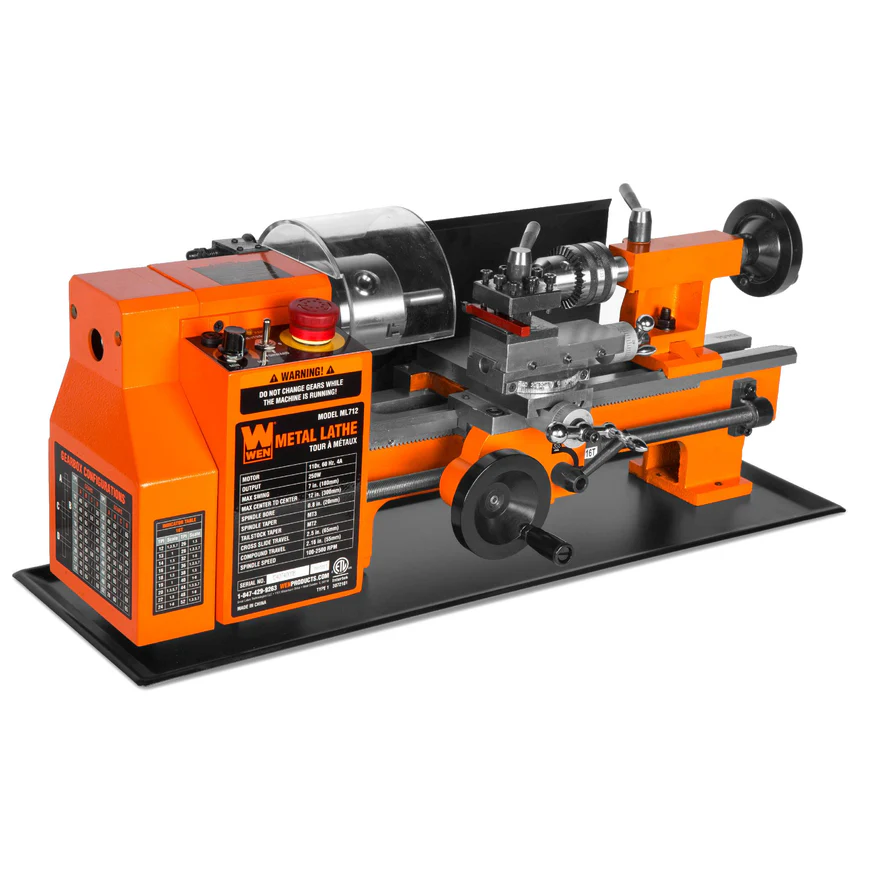
Lathes
Lathes for precision machining in workshops, repair shops, and manufacturing facilities
Lathes are machines for turning workpieces made of metal, wood, plastic, and other materials. They are used for shaping cylindrical and conical surfaces, face milling, drilling, reaming, and manufacturing bushings, shafts, handles, spacers, decorative elements, and small mechanical parts. The Toolsbox.bg product range includes models suitable for educational workshops, hobbyists, repair work, service centers, and more demanding professional applications.
A lathe is a machine in which the workpiece rotates around its axis, and the cutting tool removes material with a controlled feed. This process allows for precise shape, repeatable dimensions, and a smooth surface when the machine is selected according to the material, the workpiece's diameter, and the type of operation. For small workpieces, a compact bench lathe is often sufficient, while larger workpieces require a more stable bed, a greater distance between the centers, and a more powerful motor.
Types of lathes according to material and task
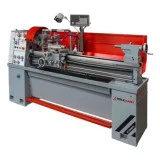
Different lathes differ in design, capacity, speed control, and intended use. Models for metal are designed for precision, rigidity of the guide elements, and feed control. They are used with turning tools, chucks, centers, drills, threading operations, and fine adjustment of the carriage. Such machines are used in the manufacture of repair bushings, shafts, bolted components, small flanges, and parts for mechanisms.
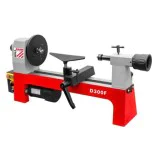
Wood lathes are designed for machining softer materials and allow for the shaping of handles, bowls, furniture legs, decorative profiles, and components for woodworking projects. Key factors here include workpiece stability, the speed range, and a comfortable support for chisels. The work is typically more manual, with the operator guiding the tool to achieve the desired shape.
Bench lathes are popular for limited space, light maintenance work, model-making, and small repairs. They are mounted on a workbench or stand and facilitate the machining of smaller parts without the need for a heavy stationary machine. Larger models are a suitable choice for regular workshop use, where the workload is higher and a longer carriage stroke, a wider range of diameters, and greater stability during cutting are required.
| Lathe Type | Typical applications | Practical criteria |
|---|---|---|
| Metal lathe | Axles, bushings, threads, precision mechanical parts | Bed rigidity, chuck, feed, speed, slide travel |
| Wood lathe | Decorative shapes, handles, furniture, woodworking components | Center distance, tool rest, speed, stable stand |
| Bench lathe | Hobby work, model making, maintenance, small repairs | Compact size, weight, power, easy setup |
How to choose a lathe based on the job
When choosing a lathe, the key factors are the size of the workpieces, the material, and the required precision. The center distance indicates the maximum length of the workpiece that the machine can accommodate. The diameter above the bed and above the tailstock provides a guideline for the largest workpiece that can be safely turned. For metalworking, these parameters are directly related to the actual working range, especially when machining flanges, washers, bushings, and cylindrical bodies.
The motor power affects the machine's ability to maintain stable RPM during cutting. Softer materials and delicate operations require less load, while steel, larger diameters, and deeper cuts place a greater load on the motor and mechanics. Speed control is practical when working with different materials: lower speeds are preferred for larger diameters and hard metals, while higher speeds are used for small parts, wood, and fine finishing operations.
For metal lathes, check the type of chuck, the presence of a slide with longitudinal and transverse movement, threading capabilities, and compatibility with tool holders, centers, drills, and other accessories. For woodworking models, pay attention to the tool rest, spindle clamping, stability with longer workpieces, and ease of speed adjustment. When working in a small workshop, the machine's size, weight, and method of securing it to a table or stand are directly related to safety and convenience.
Accessories, Consumables, and Compatibility
Properly selected accessories expand the lathe's applications and facilitate precise work. For metalworking operations, turning tools, indexable inserts, chucks, centers, drills, countersinks, indicators, coolant, and measuring tools are often required. Woodworking typically involves chisels, planers, centers, sandpaper, and workpiece clamping devices. Compatibility is determined by mounting dimensions, spindle taper, thread, chuck diameter, and permissible working range.
The material of the cutting tool must be suitable for the workpiece being machined. High-speed steel blades are practical for lighter tasks and sharpening, while tools with replaceable carbide inserts are suitable for more frequent use and harder materials. When working with wood, the shape of the chisel, the sharpness of the edge, and a stable support directly affect the cleanliness of the cut and control over the profile.
Safety, Setup, and Maintenance
Turning requires proper workplace preparation. The workpiece must be securely clamped, the chuck tightened, and the tool set at the correct height relative to the spindle. Safety goggles, tucked-in work clothes, and a clean area around the machine reduce the risk of chips, clothing entanglement, or unexpected movement of the workpiece. Gloves should not be worn near rotating parts, as they can become caught.
Regular maintenance of the machine ensures accuracy and smooth operation. Guide surfaces should be cleared of chips, moving parts should be lubricated according to the manufacturer's instructions, and belts, clamping screws, and chucks should be inspected periodically. When machining metal, chips must be removed with a brush or hook, not by hand. When working with wood, dust and fine particles must be cleaned up promptly to prevent them from entering bearings and sliding assemblies.
Lathes for Professional and Home Workshops
A well-chosen lathe saves time on repairs, facilitates the production of custom parts, and provides greater control over the size and shape of the workpiece. For home use, a compact model can handle a variety of tasks for hobby projects and small repairs. For a service shop or workshop, a more robust machine with a larger working range is more practical for regular use and working with different materials.
Browse the lathes available at Toolsbox.bg and select a machine based on the material, the dimensions of the parts, the required precision, and the available workspace. This way, you'll equip your workshop with equipment that meets the real-world demands of repair, installation, fabrication, and maintenance.