
Respirators
Respirators for protection when working with dust, aerosols, and vapors
Respirators are used in activities where the air contains dust particles, fine aerosols, mists, irritating odors, or harmful gases. They are part of personal protective equipment and are necessary for construction, sanding, cutting, painting, gluing, working with chemicals, cleaning, service operations, and workshop maintenance. A properly selected respirator reduces the strain on the respiratory tract and ensures more comfortable work in a contaminated environment.
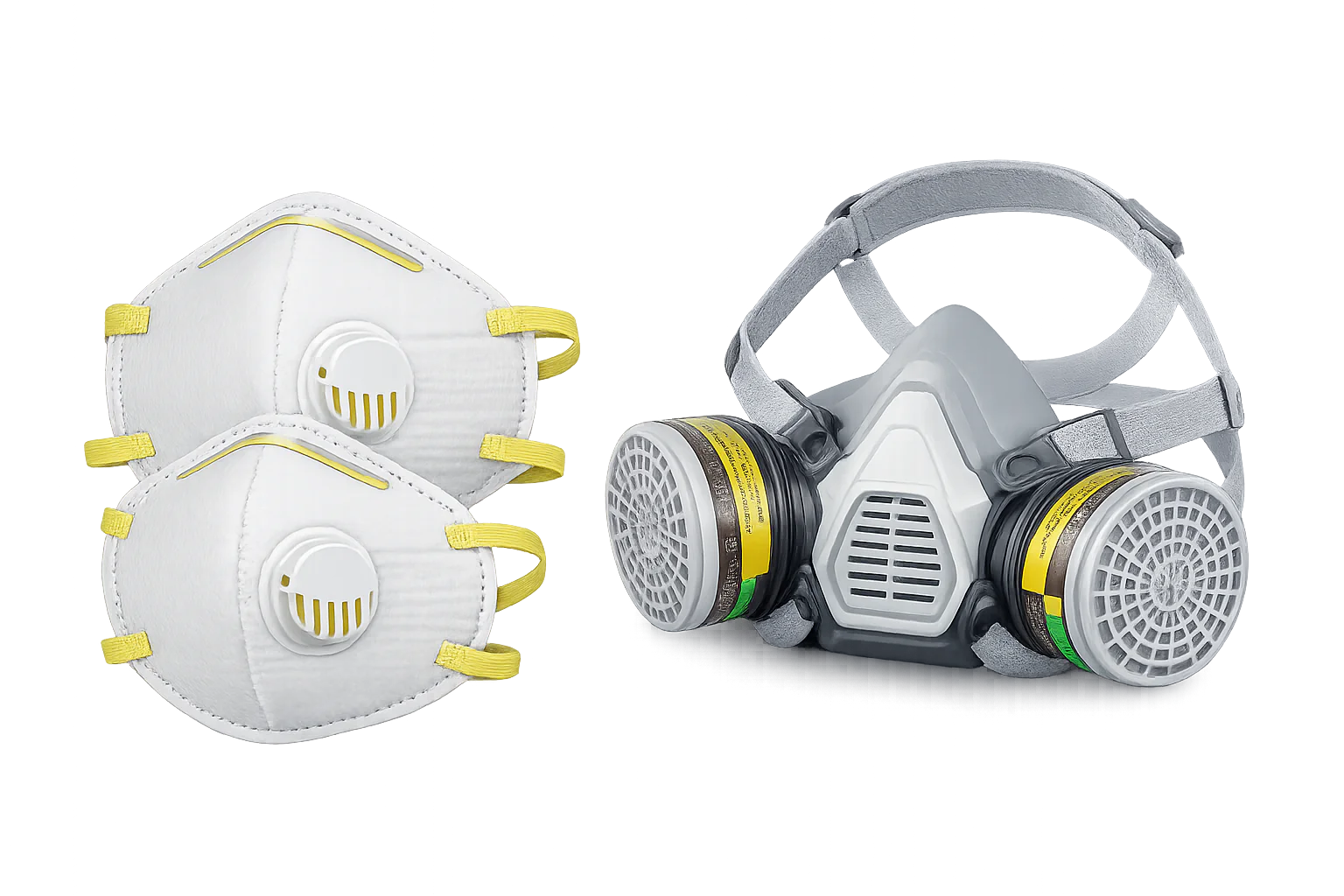
The product range includes disposable filtering masks, reusable half-masks, face masks with filters, models with exhalation valves, and kits with cartridges and replacement filters. The various solutions differ in filtration class, shape, seal type, fastening system, filter compatibility, and comfort level during prolonged use.
Use of respirators in construction, renovation, and maintenance
Dust respirators are in demand for chiseling, drilling, concrete grinding, brick cutting, woodworking, rust removal, and working with dry construction mixtures. Fine particles remain in the air for a long time and easily enter the respiratory tract, so filtering protection is an important part of the equipment, along with goggles, gloves, and work clothing.
When painting, varnishing, or working with solvents, adhesives, chemicals, or pesticides, look for respirators with appropriate gas filters or combined filters for particles and organic vapors. This type of protection is valuable for auto repair shops, furniture workshops, painting operations, facility maintenance, and repair crews. For household tasks such as sanding doors, repairing plaster, or cleaning mold, lighter models with good visibility and a comfortable fit are practical.
Types of respirators and differences between them
Disposable filtering masks
Disposable respirators are lightweight, compact, and comfortable for short-term use. They are available in various filtration classes, including FFP1, FFP2, and FFP3, depending on the level of protection against dust and aerosol particles. Models with a valve facilitate exhalation and reduce heat buildup, which is an advantage during physical exertion or when working in warmer environments.
Reusable half-masks
Half-masks cover the nose and mouth, and the level of protection is determined by the filters installed. They are a practical choice for regular work because they allow the filter elements to be changed depending on the task. The body is usually made of elastic material that fits snugly against the face, and adjustable straps help ensure a secure fit. Respirators of this type are used for painting, woodworking, working with chemicals, and various installation activities.
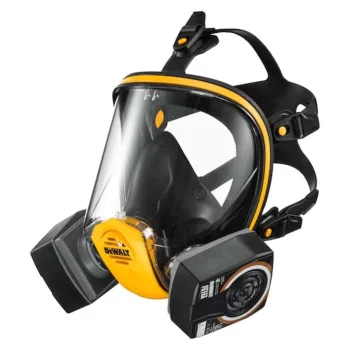
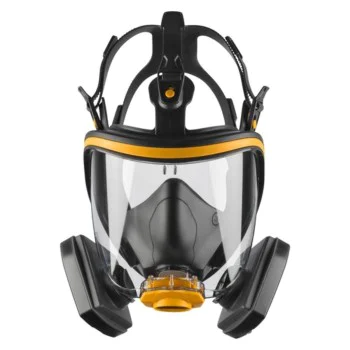
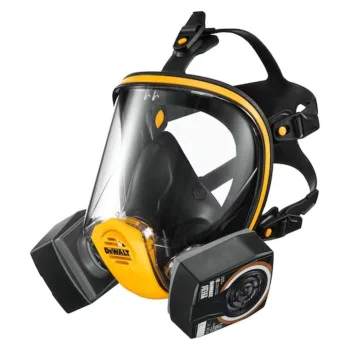
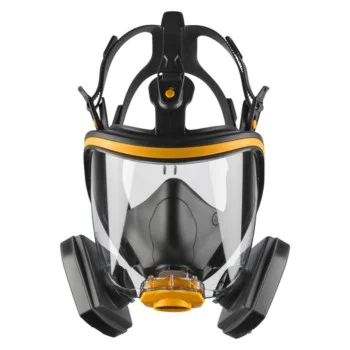
Full-face masks
Full-face respirators protect both the respiratory tract and the eyes. They are valuable when exposed to highly irritating substances, splashes, aerosols, or environments where additional facial protection is required. Key factors include visibility through the visor, seal quality, proper fit, and compatibility with the filter system.
Criteria for selecting a respirator
The selection process begins with the type of contamination. For mineral dust, wood dust, and construction particles, a particulate filter is required. For organic vapors, odors, and chemicals, gas or combined filters are selected. The filter marking and protection class provide guidance on the application, so it is important to align them with the actual work task.
- Filtration class: FFP1, FFP2, and FFP3 for disposable masks; P1, P2, and P3 for replaceable particle filters.
- Type of contamination: dust, smoke, aerosols, organic vapors, acid gases, ammonia, or a combination of factors.
- Duration of use: short tasks, daily professional use, or specialized operations.
- Comfort: lightweight, valve, soft seals, adjustable straps, and a shape that does not interfere with safety goggles.
- Compatibility: filters, cartridges, pre-filters, and replacement parts specific to the mask.
A tight seal is crucial for effective protection. A beard, incorrect size, or improperly positioned straps compromise the seal and reduce filtration efficiency. When working with goggles, a helmet, or ear muffs, the respirator should fit comfortably with other protective equipment.
Filters, Consumables, and Maintenance
Reusable respirators require proper care. After use, the housing should be cleaned according to the manufacturer's instructions, and the filters should be stored in a dry place and protected from contamination. Filter elements should be replaced if breathing resistance increases, a noticeable odor is present, the filter is damaged, the expiration date has passed, or contamination prevents normal operation.
For cartridge filters, it is important to ensure compatibility with the specific mask model. An unsuitable filter, improper sealing, or a missing pre-filter limits the protective effect. Replacement consumables facilitate regular maintenance and prevent interruptions during professional tasks.
A practical choice for workshops, job sites, and home repairs
Respirators are essential for professional craftsmen, service technicians, and construction crews, as well as for discerning home users. Lightweight dust masks are convenient for one-time repairs, while for regular work with paints, adhesives, or fine particles, half-masks with replaceable filters are a better choice. For tasks involving more severe eye and face irritation, full-face protection is recommended.
At Toolsbox.bg, you'll find respirators, filters, and complementary protective equipment for various work environments. Browse the models, compare filtration classes, shapes, and compatible consumables, and choose a solution that matches your specific job, frequency of use, and required level of protection.