
Abricht
A planer for precise straightening and preparation of lumber
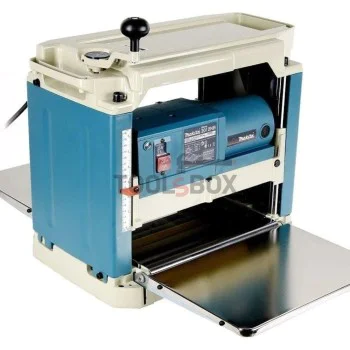
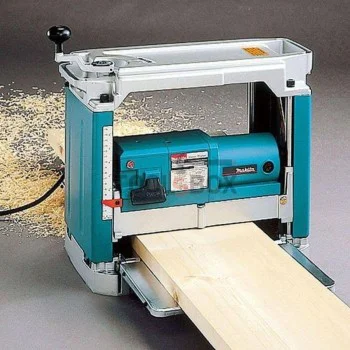
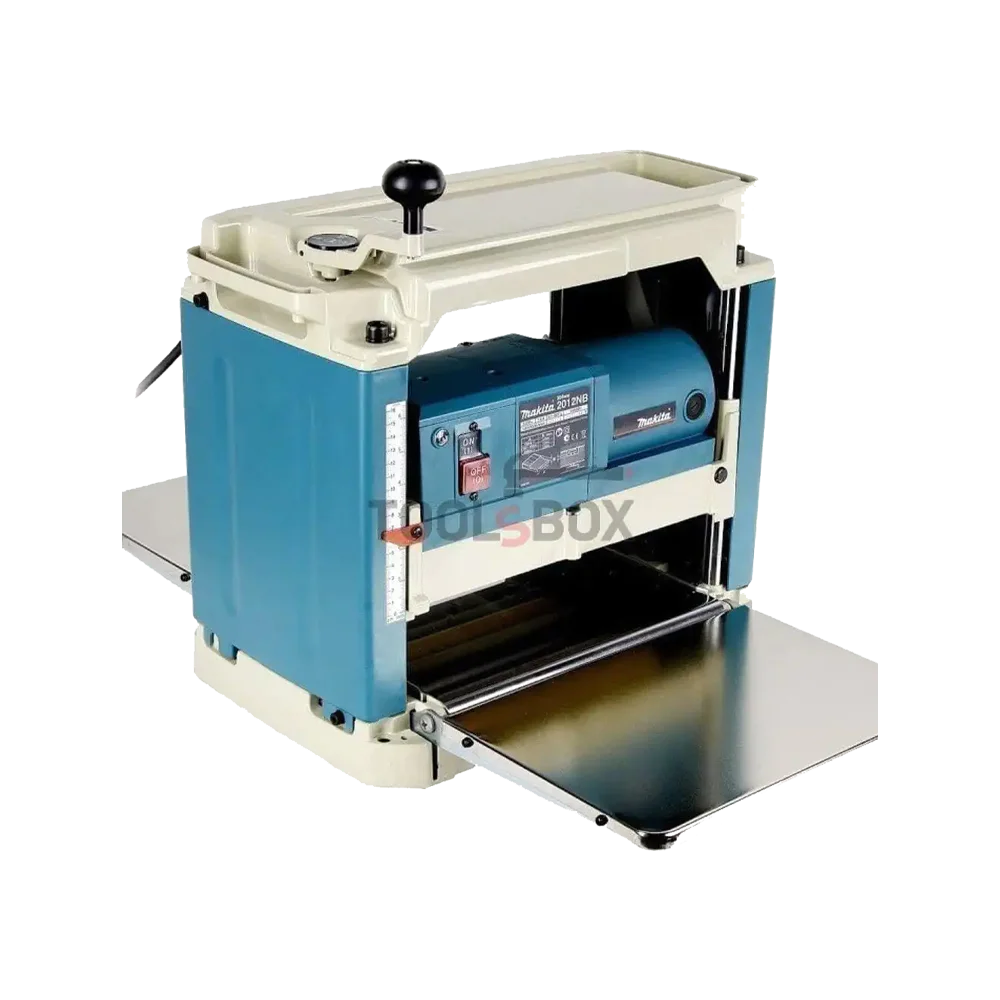
A woodworking planer is a machine for leveling end faces and edging boards, beams, battens, and solid wood components. It prepares the material for subsequent thickness planing, gluing, assembly, or finishing. When working with roughly cut, twisted, or slightly warped lumber, the planer helps create a flat base, making subsequent operations more precise and predictable.
In the group of woodworking machines, the planer occupies a place at the beginning of the production sequence. Using a rotating shaft with blades and two tables-infeed and outfeed-the machine removes a thin layer of material and forms a straight, flat surface. This is important in the manufacture of furniture, doors, frames, steps, countertops, paneling, decorative elements, and structural components, where precise angles and clean surfaces affect the strength of the assembly.
What is a planer used for?
Planers are used in woodworking shops, manufacturing facilities, service workshops, and well-equipped home workshops. They are designed for the initial leveling of wood before processing with a jointer, circular saw, router, or sander. With a properly adjusted table and sharp blades, the planer produces a clean edge and a flat surface, which facilitates the precise assembly of components together.
Typical tasks include straightening a board, shaping a straight edge for gluing, removing unevenness after planing, correcting slight warping, and preparing workpieces for furniture production. The machine is valuable for a series of repetitive parts, where consistent results save time during subsequent assembly.
Difference between a planer and a thicknesser
The planer straightens the first surface and one edge relative to the guide fence. The thicknesser processes the workpiece to a specified thickness, using the previously prepared straight side as a guide. Therefore, the two machines often complement each other. A planer-thicknesser combines both operations in a single unit, which is practical for workshops with limited space. A standalone planer is suitable for intensive work and situations requiring constant adjustment for edging and straightening.
Key considerations when choosing a planer
When purchasing a planer, you should consider the planing width, the length of the tables, the motor power, the type of cutter head, the depth-of-cut adjustment, and the stability of the construction. A wider work table accommodates larger workpieces, while longer tables provide better control when processing long boards and beams.
- Working width: determines the maximum width of the material that can be processed in a single pass.
- Table length: affects workpiece guidance and accuracy when working with longer pieces.
- Motor power: matters when working with hardwood, higher removal rates, and prolonged heavy-duty operation.
- Cutter head: Standard straight blades are widely used, while spiral or segmented blades can reduce noise and marks on the material.
- Ruler: A stable and precisely adjustable parallel guide helps with 90° miter cuts and beveling.
- Dust extraction: The connection to a dust collection system keeps the work area cleaner and protects the machinery from chip buildup.
For a small workshop, a compact bench planer or a combination machine is often sought. For professional use, stationary models with solid tables, greater width, and a motor with higher power reserves are more suitable. When working with oak, beech, ash, or other hardwoods, the stability and sharpness of the blades have a direct impact on the final result.
Construction, blades, and adjustment precision
High-quality planing work depends on the geometry of the tables, the correct level of the feed table relative to the blades, and the precise adjustment of the cutting depth. Cast iron or well-machined steel tables absorb vibrations and facilitate smooth feed. Aluminum tables reduce weight on smaller machines, which is convenient when moving in confined spaces.
The blades must be sharp, properly secured, and uniformly adjusted in height. Dull or unevenly positioned blades leave waves, tears, and burn marks on the wood. When replacing blades, it is advisable to use compatible blades that match the machine model-length, width, thickness, and mounting method. For more intensive work, it is practical to keep a spare set of blades on hand to avoid interruptions during sharpening or replacement.
Safety and Comfort During Operation
The planer operates with an exposed cutting shaft, so the safety guard, push sticks, and proper hand positioning are essential for safe operation. The material must be fed evenly, without applying excessive pressure to the feed table after planing begins. Excessive removal strains the motor, degrades the surface, and increases the risk of kickback.
Before processing, the wood must be cleared of nails, screws, small stones, and other hard inclusions. Damp material is more difficult to process and can clog the cutter shaft or the dust extraction port. Good visibility, a stable machine setup, and regular chip removal contribute to more precise and smooth operation.
Maintenance and Compatible Accessories
Regular maintenance of the planer includes cleaning the tables, checking belts, bearings, and fasteners, verifying levelness, and lubricating the mechanisms according to the manufacturer's instructions. A smooth work surface facilitates board feeding and reduces friction marks. For machines with a dust extraction port, it is advisable to select a dust collector or chip collector with sufficient flow capacity for the specific machine size.
Common accessories for planers include spare blades, adjustment templates, push sticks, dust extraction adapters, stands, table extensions, and personal protective equipment-safety glasses, earplugs, and fine dust masks. The compatibility of accessories must be verified based on the machine's specifications, not just on appearance.
Choose a planer based on the scope of work and the material
For hobby projects and occasional repairs, a compact machine with convenient adjustment and easy maintenance is sufficient. For a woodworking shop with daily use, models with a larger working width, stable tables, a precise fence, and easy connection to a dust extraction system are more practical. When processing long pieces, pay attention to the actual length of the infeed and outfeed tables, as this affects straightness.
Browse the planer options at Toolsbox.bg and select a machine based on the size of the workpieces, the type of wood, the available space, and the planned workload. This way, you'll equip your workshop with a practical woodworking machine for precise material preparation before cutting, gluing, milling, and finishing.