
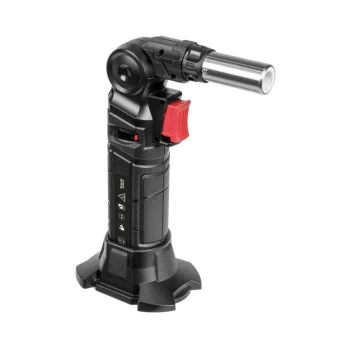
Burner
Gas Torch - Precise Heating, Soldering, and Repair
A gas torch is a practical tool for localized heating, soldering, ignition, heat treatment, and various repair tasks. It is useful in service shops, workshops, construction sites, yards, and garages, wherever a controlled flame is needed without complicated setup. Toolsbox.bg offers models designed for use with gas canisters, cylinders, and hoses, featuring various nozzle shapes, ignition methods, and flame adjustment options.
Gas torches are valued for their portability and wide range of applications. They are used to heat metal parts, thaw pipes, shrink heat-shrinkable tubing, light stoves and barbecues, process bituminous and insulation materials, and perform minor installation tasks. With the right model, the flame is directed precisely at the work area, and the operator controls the temperature by adjusting the gas flow and the type of nozzle.
Main Types of Gas Burners
Different burners vary in design, power, gas source, and intended use. Compact handheld models are convenient for small service tasks and home repairs. Larger burners with a hose and connection to a gas cylinder are in demand for construction, roofing, and installation work, where a stronger flame and longer operation without frequent cylinder changes are required.
| Type of burner | Typical use | Key features |
|---|---|---|
| Handheld canister torch | Minor repairs, soldering, ignition, heating small parts | Compact body, direct connection to a gas cartridge, comfortable one-handed operation |
| Burner with piezo ignition | Service and installation work, outdoor activities | Ignition without a separate lighter, faster start-up, and better control during frequent use |
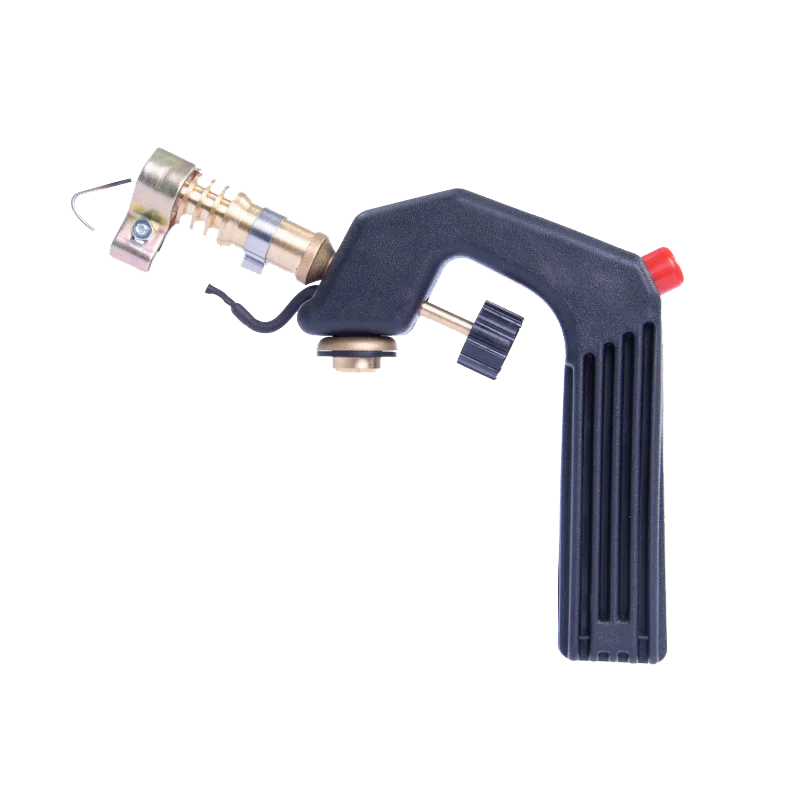
| Hose-mounted torch | Roofing work, insulation, heating larger areas | Connection to a gas cylinder, higher flow rate, greater distance from the gas source |
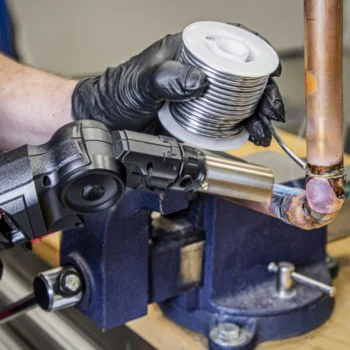
| Soldering torch | Soft soldering, pipe joints, repair of metal parts | More concentrated flame and precise targeting of the work area |
Practical applications in workshops, construction, and maintenance
When repairing metal parts, the torch accelerates heating before bending, loosening seized fasteners, or removing old coatings. In plumbing and heating work, it is used for soldering pipes, heating fittings, and processing joints. In construction, more powerful gas torches are used when working with bitumen membranes, waterproofing, drying surfaces, and locally heating materials.
For home use, the compact torch is convenient for lighting a fireplace, barbecue, or stove, for thawing metal parts, and for small repair jobs in the garage. For professional use, a stable flame, an ergonomic handle, hose length, compatibility with a pressure-reducing valve, and the strength of the connections are of greater importance.
Criteria for choosing a torch
The selection process begins with the tasks that will be performed most frequently. For short operations and work in tight spaces, a compact gas cylinder torch is practical. For prolonged heating, working on larger areas, or roofing tasks, a model with a hose and cylinder connection is a better choice. For soldering and precision heat treatment, a nozzle with a concentrated flame is preferable, while for ignition and heating large areas, a wider nozzle is more useful.
- Gas type and connection: consider the thread, the type of cartridge or cylinder, the need for a hose, a pressure-reducing valve, and additional fittings.
- Flame adjustment: The gas control valve helps when switching from gentle heating to more intense work.
- Ignition: The piezo mechanism makes ignition easier during installation and outdoor work.
- Nozzle and flame shape: the narrow flame is for precision, the wide flame is for surfaces, membranes, and ignition.
- Handle and weight: A comfortable grip reduces fatigue during longer operations.
- Working environment: For service, construction, or yard work, choose a design that can withstand the workload and frequency of use.
Compatibility, accessories, and consumables
The proper functioning of a gas torch depends on the correct combination of a canister, cylinder, hose, pressure regulator, and nozzles. Some models attach directly to a gas canister, while others operate via a hose and a separate cylinder. For more powerful burners, the pressure regulator ensures a stable gas supply, while a high-quality hose with secure connections reduces the risk of unintended leaks.
When selecting spare parts and accessories, check the thread size, seal type, and maximum operating pressure. If the burner will be used for various tasks, interchangeable nozzles expand its capabilities without requiring a separate tool for each operation. For regular maintenance, spare seals, suitable gas cartridges, and hoses of sufficient length are useful.
Safe Operation and Burner Care
Gas equipment requires careful handling and proper storage. Before ignition, inspect the connections, hose, and seals. Work away from flammable materials, in a well-ventilated area, and on a stable surface. After finishing, turn off the gas supply, let the nozzle cool down, and store the burner away from heat sources.
Regular cleaning of the nozzle maintains a steady flame and reduces interruptions during operation. Do not allow the nozzle to be struck, and do not allow dirt to accumulate on the threaded connections. If there are signs of wear on the hose or gasket, replace the affected part before the next use.
Choose a burner based on the task
A properly selected torch saves time during repairs, installation, construction work, and maintenance. Browse the models at Toolsbox.bg and choose an option with the right connection, a comfortable handle, the necessary nozzle, and flame control for your job.