
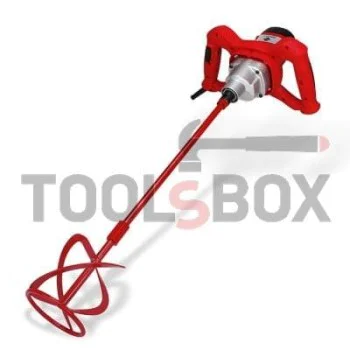
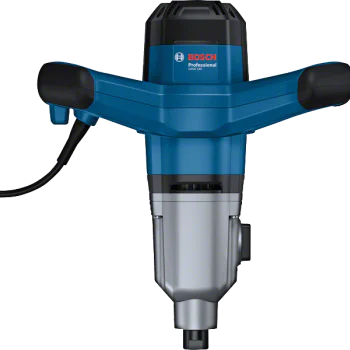
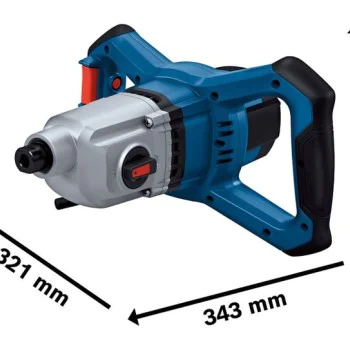
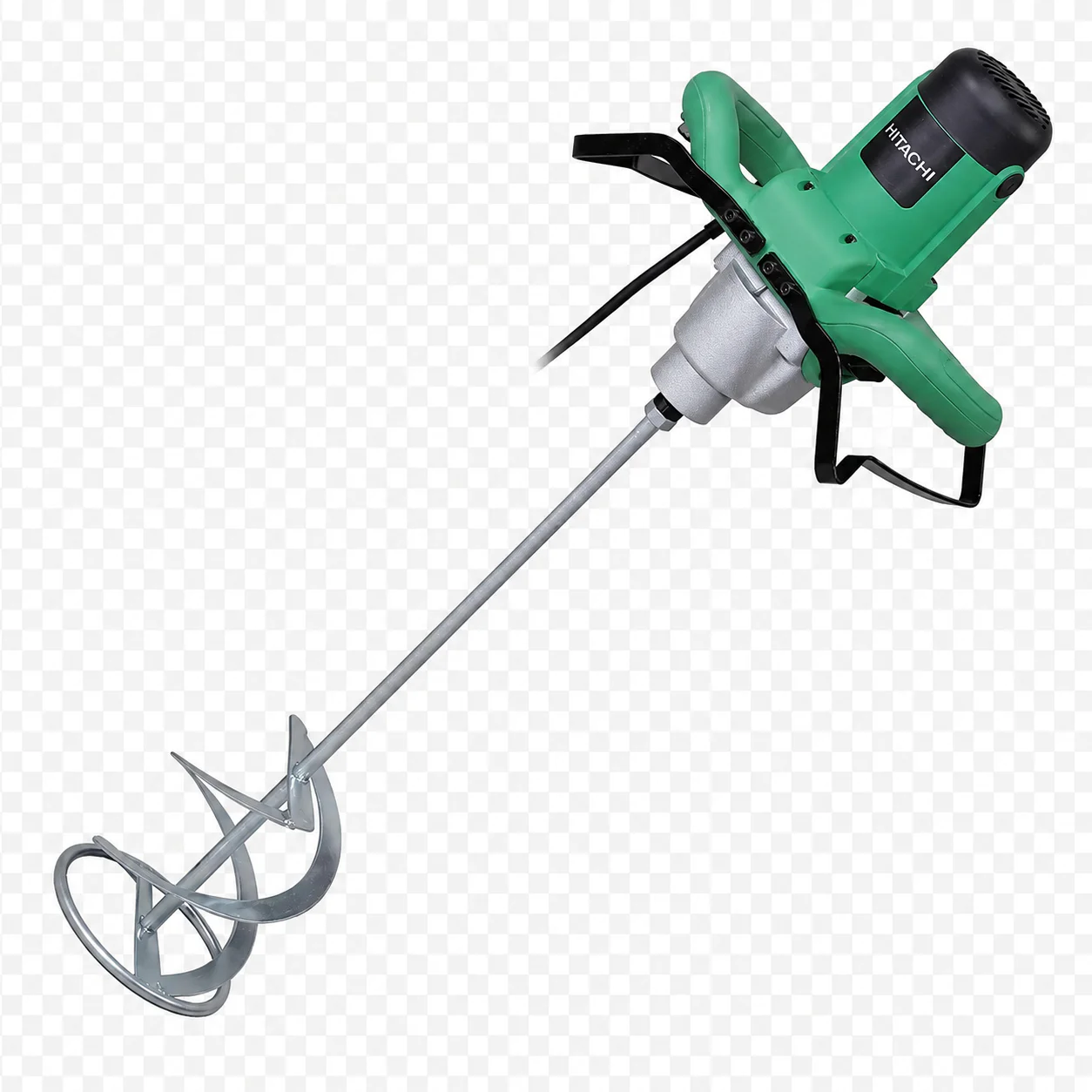
Agitators for construction mixtures
Construction mixers for the uniform mixing of mortars, adhesives, and plasters
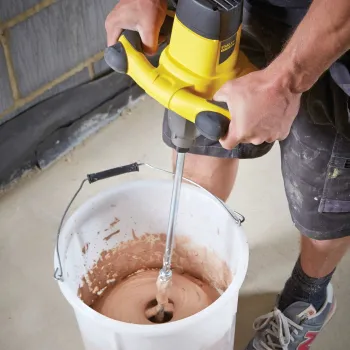
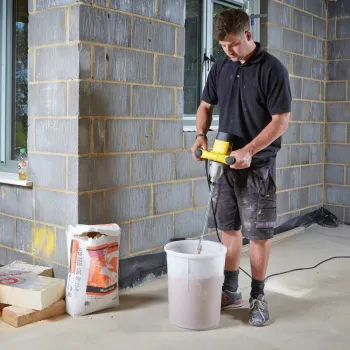
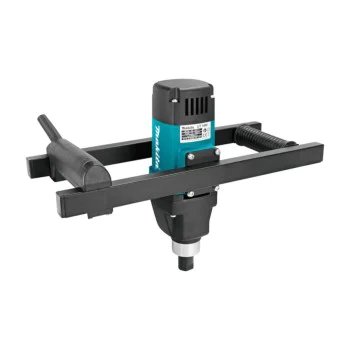
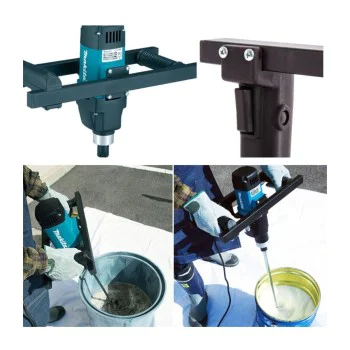
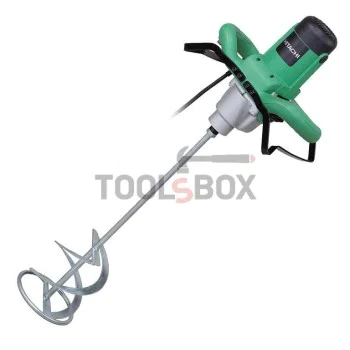
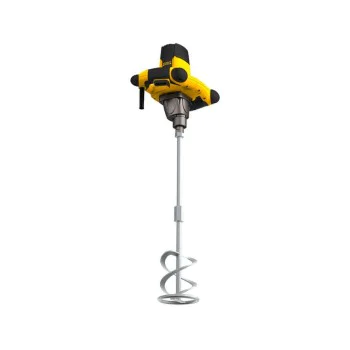
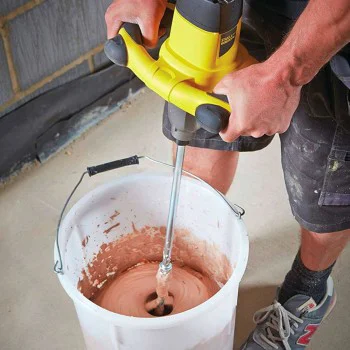
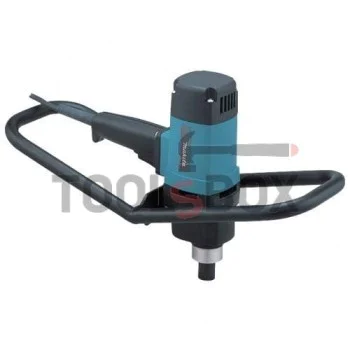
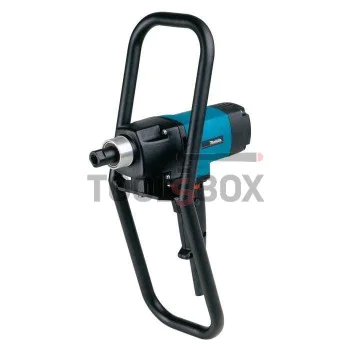
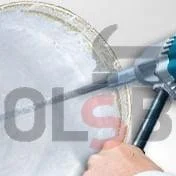
Construction mixers are attachments for electric mixers and powerful drills, designed for homogeneous mixing of materials with varying densities. They are used in the preparation of tile adhesives, joint fillers, grout, plaster, putty, paints, primers, waterproofing, and other construction mixtures. A properly selected mixer reduces the formation of lumps, facilitates the machine's operation, and helps the mixture achieve a uniform consistency before application.
In this section, you will find mixers with different working head shapes, shaft lengths, diameters, and attachment types. These parameters determine the mixing speed, the load on the mixer, the movement of the material in the container, and the final result of the work. The selection is important for both professionals in construction and renovation work and for home users who prepare materials for tiling, painting, spackling, or small installation tasks.
What Do Construction Mixer Blades Include?
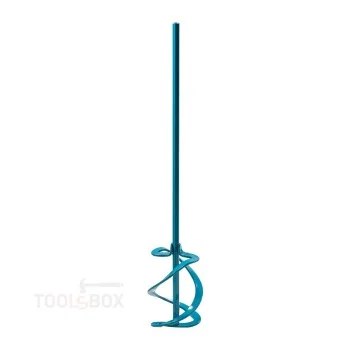
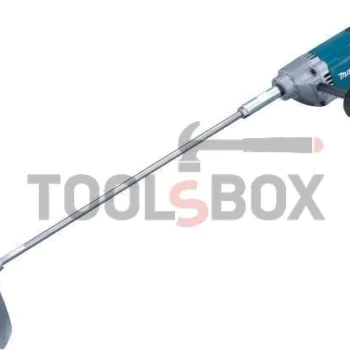
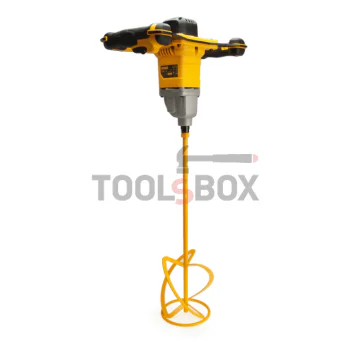
Construction mixers are available in several designs depending on the type of material and how it is moved during rotation. Spiral models are among the most common for thick adhesives, mortars, and plasters because they move the mixture from bottom to top or top to bottom depending on the direction of the spiral. This helps evenly combine the dry material with the water and reduces buildup at the bottom of the bucket.
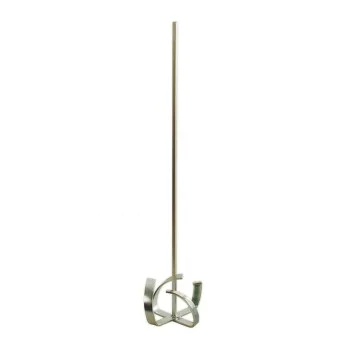
Paddle and blade mixers work well with more liquid materials such as paints, primers, varnishes, and pourable mixtures. They create a more moderate motion, which is valuable for materials sensitive to air entrapment. With some construction mixtures, excessive mixing with an unsuitable head alters the structure, so the shape of the nozzle has a direct impact on the quality of the prepared material.
Main applications in construction and renovation
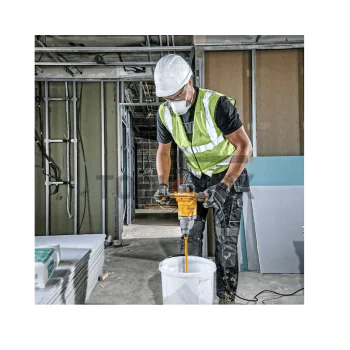
Mixers for construction mixtures are used for a variety of tasks on the job site, in the workshop, and at home. They are useful for laying ceramic tiles, preparing jointing compounds, mixing cement mortars, stirring decorative plasters, and preparing coatings before application. When working with larger quantities of material, the right attachment reduces work time and protects the power tool from excessive strain.
- Tile and stone adhesives-require a mixer with good torque and stable movement of a thick mixture.
- Fillers and fine mixtures-require uniform mixing without dry spots or lumps.
- Plasters and fillers - require a larger diameter and a sturdy metal construction.
- Paints, primers, and waterproofing - work best with a design that doesn't introduce excess air.
Choosing mixers for construction mixtures based on the material
When selecting a mixer, the first consideration is the density of the mixture. Thick materials place a greater load on the mixer and require a sturdier mixing head, a larger diameter, and a stable shaft. Thinner materials are mixed with a lighter design, which results in less splashing and better control over movement within the container.
The diameter of the mixing head must correspond to the amount of material and the size of the container. A small mixer in a large bucket will operate slowly and unevenly, while an overly large mixer in a small container will splash and strain the machine. The length of the shaft affects ease of use in deep buckets, vats, and construction containers.
| Mixer Type | Typical materials | Practical guidance |
|---|---|---|
| Spiral | Adhesives, mortars, plasters, fillers | For thick mixtures and intensive mixing |
| Paddle | Paints, primers, liquid mixtures | For smoother movement and less splashing |
| Twin-blade or reinforced | Heavy mixtures, large quantities | For powerful mixers and heavier loads |
Compatibility with construction mixers
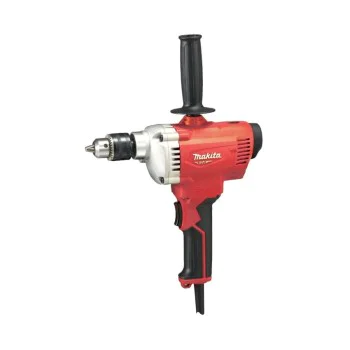
Construction mixers must fit the machine's chuck. Construction mixers often feature an M14 thread, while some drill models have a hexagonal shank or another type of connection. Before ordering, it is advisable to compare the chuck, diameter, and maximum load capacity of the power tool. This helps prevent vibrations, slippage, and premature wear of the machine.
The mixer's power also matters. Larger mixers handle more material and require a steady torque. For light-duty drills, it is wiser to choose a smaller diameter and a lighter mixture, while professional mixers accommodate larger attachments for intensive on-site work.
Materials, Construction, and Maintenance
The quality of the workhead and shaft construction affects the mixer's lifespan. Metal bits with a durable coating withstand abrasive mixtures, cement, sand, and adhesives better. The welds, the geometry of the spiral, and the straightness of the shaft are important for smooth rotation without strong vibrations.
After use, the mixer must be cleaned before the material sets. Residues of adhesive, plaster, or putty increase the weight, alter the shape of the mixing head, and impair subsequent mixing. For paints and primers, cleaning depends on the type of formulation-water-soluble or solvent-based. Storing the tool in a dry place protects the metal parts from corrosion and extends its service life.
Practical criteria for purchase
Mixers for construction mixtures are best selected by comparing several parameters: material to be mixed, mixture volume, machine type, drive, diameter, and length. For thick construction mortars, look for a more robust design and a larger mixing head. For fine coatings, paints, and liquid waterproofing, choose a nozzle with more controlled movement that doesn't over-aerate the material.
For regular professional use, it's worth having more than one size. The small mixer is convenient for finishing work and small quantities, while the larger one meets the needs for tiling, plastering, and rendering. This way, each material is prepared with better control, and the machine operates with less strain.
Mixers for construction mixtures at Toolsbox.bg
Mixers for construction mixtures are a small but essential part of equipment for construction, repair, and installation. Browse the selection available at Toolsbox.bg and choose a mixer head based on the type of mixture, compatibility with your mixer, and the scope of work. This makes material preparation more precise, cleaner, and more convenient for every task.