
Gun for greasing
Grease gun for service, workshop, and home maintenance
A grease gun is used for the precise application of grease to bearings, joints, bushings, axles, universal joints, hinges, and other moving parts. This type of tool belongs to the group of grease guns and is essential for servicing cars, agricultural machinery, construction equipment, trailers, industrial equipment, and workshop machinery. A well-chosen grease gun reduces lubricant consumption, facilitates access to grease fittings, and aids in the regular maintenance of heavily loaded components.
Different models vary in drive type, body capacity, filling method, operating pressure, hose length, nozzle type, and grip comfort. When selecting a tool, it is advisable to ensure it matches the frequency of use, the type of grease, and the accessibility of the work area. For occasional garage use, a manual model is often sufficient, while service applications and the maintenance of multiple machines require faster delivery and greater autonomy.
Types of grease guns based on operating method
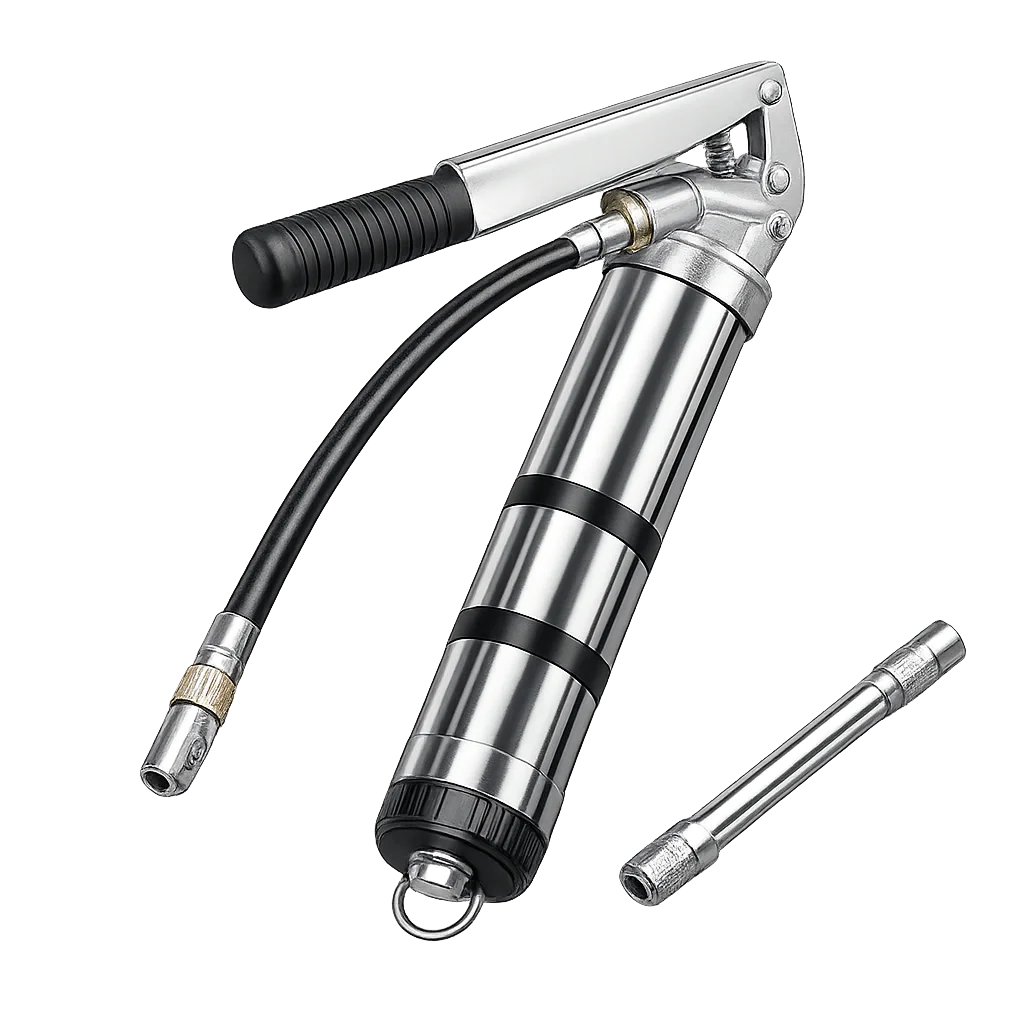
The manual grease gun is a classic option for garages, workshops, and mobile maintenance. It operates via a lever or trigger grip and requires no electricity or compressor. Lever models provide good control with thicker grease, while trigger-grip variants allow for one-handed operation, which is convenient for hard-to-reach nipples.
The pneumatic grease gun is powered by compressed air from a compressor. It is a practical choice for auto repair shops, manufacturing facilities, and workplaces where greasing is performed multiple times a day. Key parameters for this type include operating air pressure, the connection to the compressor, flow rate, and trigger comfort.
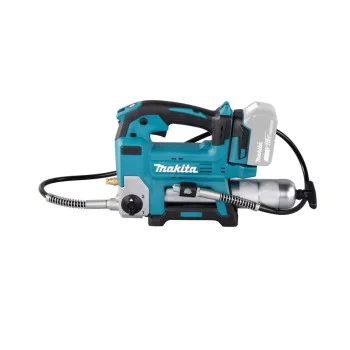
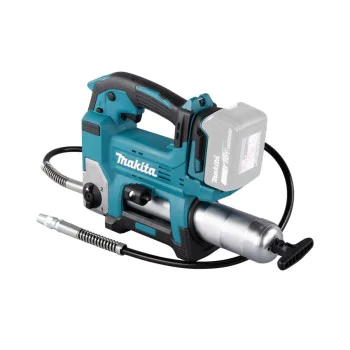
The cordless grease gun is convenient for mobile service operations, agricultural machinery, construction sites, and locations without constant access to a compressor. It saves effort when lubricating a large number of points and allows for a continuous flow of grease. Key factors to consider include battery voltage, capacity, runtime per charge, weight, and the balance of the housing.
A grease gun with a rigid tube or a flexible hose is selected based on access to the grease fitting. The rigid tube is convenient for exposed points and a straight line of pressure, while the flexible hose reaches hidden areas around suspensions, hydraulic assemblies, bearings, and hinge joints.
Choosing a grease gun based on the task
Several practical details are important when purchasing. First is the filling type: cartridge, bulk grease, or suction from a container. Cartridges are clean and convenient for service work, while bulk filling is practical for large quantities of grease. Every grease gun must be paired with grease that meets the requirements of the mechanism being serviced.
- Capacity: a larger volume reduces interruptions during prolonged use but increases weight.
- Pressure: Higher pressure helps with clogged or tighter grease fittings, but requires careful metering.
- Nozzle: Standard, heavy-duty, angled, and quick-connect nozzles facilitate connection to the fitting.
- Hose: A long, durable hose provides freedom of movement around a machine or vehicle.
- Body and seals: a metal body, sturdy threads, and high-quality seals minimize leaks.
- Ergonomics: A comfortable grip, balanced weight, and a clear trigger reduce fatigue.
Compatibility, Consumables, and Accessories
With a grease gun, compatibility with consumables is essential for clean and organized work. Check the cartridge size, the hose thread type, the connection to the nozzle, and the ability to replace seals. For professional use, spare hoses, rigid extensions, nozzles for various nipples, adapters, and storage cases are valuable. When working with multiple types of grease, it is practical to use a separate tool for each type of lubricant to prevent mixing of compounds with different properties.
A grease gun with a transparent flow control or a convenient vent valve facilitates initial filling and reduces interruptions caused by air pockets. For pneumatic models, a clean air supply and proper connection to the compressor are required. For cordless models, the battery, charger, and compatibility with other machines in the workshop are important considerations.
Safe operation and maintenance
Greasing is performed using clean nozzles and a secure connection to the grease gun. It is advisable to remove old grease residue and dirt around the nipple before use, as dust and abrasive particles can damage bearings and bushings. After use, the hose should not be left under tension, and the tool should be stored protected from moisture and mechanical impact.
Regular inspection of seals, threads, the piston, and the hose extends the tool's service life. If there is a leak from the body or difficulty in dispensing, the cause is often air in the system, a dirty nozzle, or improper grease consistency. Maintaining clean grease and proper dosing protects machinery from dry friction, overheating, and premature wear.
Grease gun for various applications
For home use and periodic maintenance of bicycle stands, trailers, garden equipment, or garage tools, a compact handheld model is convenient. For auto repair shops, manufacturing facilities, or agricultural machinery, models with a larger reservoir, a flexible hose, and a sturdy nozzle are more practical. When servicing excavators, loaders, tractors, and trucks, you need good flow rate, comfort during prolonged use, and accessories for hard-to-reach areas.
Browse the selection at Toolsbox.bg and choose a grease gun based on your work method, required capacity, power source, and the accessories needed for your service center, workshop, or garage.