
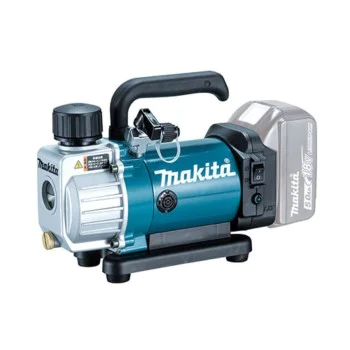
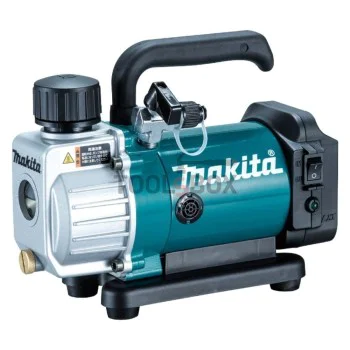
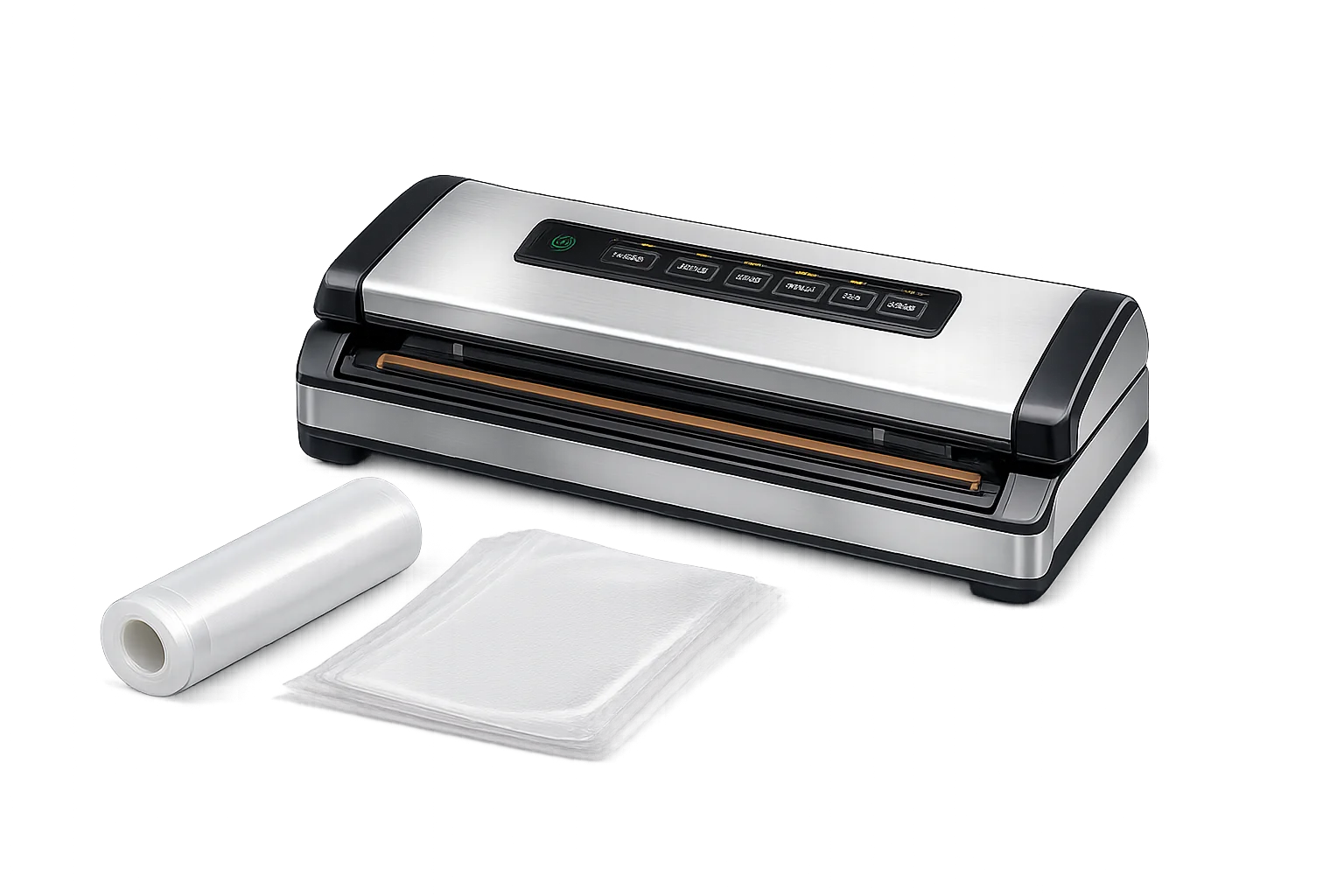
Vacuum machine
Vacuum Cleaner for a Clean Work Environment
A vacuum cleaner is selected for collecting dust, shavings, fine particles, and-with the appropriate equipment-liquids left behind after repair, installation, sanding, drilling, or cutting. This type of power tool is invaluable in workshops, service centers, garages, construction sites, and homes where a standard vacuum cleaner is insufficient for the workload and level of contamination. These machines are designed for more intensive use, feature larger container capacities, and handle waste from wood, concrete, metal, drywall, and other materials more effectively.
At Toolsbox.bg, you'll find vacuum cleaners for dry cleaning, models for wet and dry collection, options with power tool adapters, and machines with various filters, hoses, and attachments. This way, the choice aligns with the actual task-cleaning after renovation, direct dust extraction from a sander, maintaining a workbench, servicing, or periodic maintenance of a garage and warehouse.
What kind of work is a vacuum cleaner used for?
A vacuum cleaner is useful wherever the debris is coarser, bulkier, or finer than standard household dust. In woodworking, it collects sawdust, shavings, and sanding dust. In construction and renovation work, it helps control dust from drilling, chiseling, cutting slabs, spackling, and drywall installation. In a service environment, it is useful for shavings, small debris, sand, mud, and residue around the work area.
Wet and dry models are practical for removing water, spills, and wet debris, provided the machine is designed for such use. When working with very fine dust, it is advisable to pay attention to filtration and compatible bags or filter cartridges, as fine particles put more strain on the motor and filter than larger debris.
Differences Between the Various Types of Vacuum Cleaners
Vacuum cleaners differ in power, airflow, vacuum pressure, container volume, filtration system, hose type, and accessories. Power gives an idea of the electrical load, but suction, airflow, and the design of the air ducts are also important for actual performance. More compact machines are convenient for transport, small repairs, and home use, while larger containers reduce the need for emptying breaks during construction and service work.
Some vacuum cleaners feature a power outlet for connecting a power tool. With this setup, the machine starts up along with the tool and collects dust right at the source. This is particularly practical for grinders, circular saws, routers, wall saws, and other power tools with a dust extraction port. The diameter of the hose and adapters must match the specific tool to prevent loss of suction.
Dry cleaning, wet cleaning, and filtration
Dry cleaning machines are designed for dust, shavings, sawdust, and solid waste. Models for dry and wet collection allow for handling liquids and wet debris when the correct filters are installed or the operating mode specified for the specific model is followed. For fine construction dust, filters with better particle retention are preferred, while for coarser debris, the durability of the container, flow rate, and hose resilience are more important.
The filter must be cleaned regularly, because clogging reduces suction and puts a strain on the motor. Some machines have a filter-cleaning mechanism, while others require manual maintenance. Dust bags facilitate disposal and protect the filter, but for wet work, they should only be used if the specific model allows it.
How to Choose a Vacuum Cleaner Based on the Task
When choosing a vacuum cleaner, it's best to consider not just the power, but the entire configuration. For home repairs and occasional household use, a compact machine with convenient wheels, a sufficiently long hose, and practical attachments is often perfectly adequate. For daily professional use, look for a larger container, a more durable body, a sturdy hose, and good filtration.
- Container volume: a smaller volume is easier to carry, while a larger volume is better for prolonged use.
- Type of debris: fine dust, wood shavings, metal particles, sand, mud, or liquids require different filters and operating modes.
- Compatibility with power tools: check the hose diameter, adapters, and the presence of a tool connector.
- Filtration: For plaster, concrete, and joint compound, the filter and bags are crucial for cleanliness and the machine's lifespan.
- Mobility: wheels, handle, weight, and cable length affect convenience on the job site.
- Accessories: Nozzles for floors, joints, and work surfaces, as well as adapters, expand the machine's range of applications.
Compatibility, Accessories, and Consumables
The vacuum cleaner performs at its best when combined with the right consumables and accessories. Dust bags must match the model and the container's capacity. Filters are selected based on the type of debris-dry dust, fine construction dust, or wet environments. The hose must be sufficiently flexible yet kink-resistant, and the attachments must suit the tasks-floor cleaning, tight spaces, workbenches, machinery, and areas near walls.
When connecting to power tools, a tight seal is required between the tool's outlet and the hose. A poor connection reduces suction and leaves dust around the cutting or sanding area. Adapters, reducers, or flexible connectors are often used for different brands of tools. They are small details, but they make a real difference on the job site.
Safety and Maintenance During Operation
Proper maintenance protects the motor, filter, and dust container. Empty the dust container in a timely manner, clean the filter according to the manufacturer's instructions, and check the hose for clogs. When working with fine dust, it is advisable to use bags if the model allows it. For wet collection, the filters and container must be dried after use to prevent unpleasant odors and contamination of internal parts.
For personal protection against construction dust, a mask, goggles, and room ventilation are recommended. The vacuum cleaner reduces dust dispersion but does not replace personal protective equipment during intensive sanding, cutting, or work with mineral materials. The cord and plugs must be protected from water, sharp edges, and overheating, and the machine must be placed securely on a level surface.
Vacuum Cleaner for Service, Construction, and Home Workshops
A well-chosen vacuum cleaner saves time on cleaning, protects tools from accumulated dust, and keeps the workspace tidier. For professional tradespeople, it's part of the on-site equipment, while for discerning home users, it's a convenient way to maintain the space after renovations, hobby projects, and garage maintenance. Browse the available options at Toolsbox.bg and choose a machine based on the type of debris, workload, required filtration, and compatibility with your tools.