
Spindle for markers
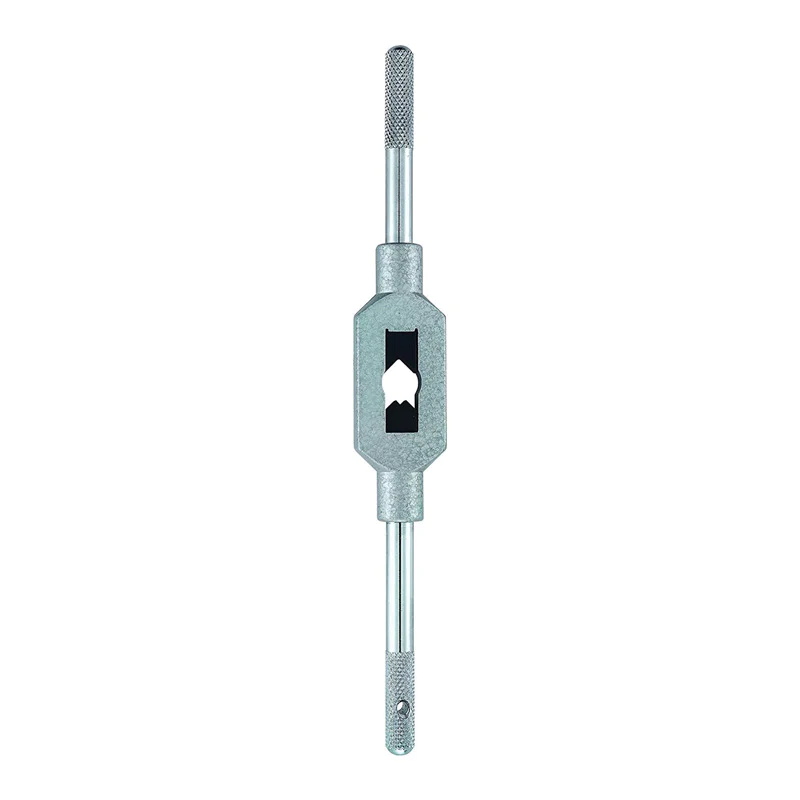
Tapping handle for precise manual cutting of internal threads
A tap wrench is a manual holder that secures the tap and provides consistent control when cutting, cleaning, or restoring internal threads. This type of tool is essential for repairing metal parts, assembly work, service work, workshop fabrication, and machine maintenance. With a properly selected holder, the tap remains stable, rotates smoothly, and reduces the risk of breakage in the hole.
The range includes models for various tap sizes, versions with adjustable jaws, T-shaped holders, straight taps with two handles, and compact solutions for hard-to-reach areas. A tap wrench is used with hand taps for metric, inch, or other threads, depending on the specific task and the holder's compatible working range.
What this type of manual holder includes
Every tap wrench has a mechanism for clamping the square shank of the tap. The clamping must be secure because slippage disrupts centering and damages the thread. With smaller models, the focus is on a precise feel in the hand, while larger ones provide more leverage for working in steel, cast iron, aluminum, brass, and other machinable materials.
Straight two-arm taps are convenient for standard thread cutting in pre-drilled holes. T-handle variants are practical in confined spaces, for installation in enclosures, machine repairs, or working near walls and edges. Models with a ratchet mechanism facilitate rotation in areas where a full turn of the handle is difficult.
Main applications in workshops and service centers
A tap wrench is used for repairing threaded holes, preparing new fastening points, replacing damaged bolts, restoring parts after disassembly, and finishing operations after drilling. It is valuable for mechanics, fitters, lathe operators, maintenance technicians, construction professionals, and demanding DIYers who work with metal, plastic, or composite parts.
When cutting by hand, the operator controls the pressure and direction of rotation. This allows for periodic back-turning to break off chips and better guide the tap. The correct holder helps ensure a clean thread profile, especially for blind holes, thin-walled parts, and repair operations where there is no room for error.
Choosing a Tap Wrench Based on the Task
When purchasing, the key factors are the working range, the type of handle, the clamping force, and access to the hole. A small tap wrench is suitable for fine threads, where excessive torque can easily damage the tap. Longer arms are suitable for larger threads, as they provide more even force and better control on hard materials.
- Working range: select a holder based on the sizes of the taps you use most often.
- Design type: straight model for standard work, T-shaped for tight spaces, ratchet for limited travel.
- Grip: the jaws should grip the square shank of the tap without play.
- Arm length: shorter for precision, longer for greater torque.
- Material and construction: steel body, durable handles, and clean mechanical assembly enhance working comfort.
Compatibility with taps and sets
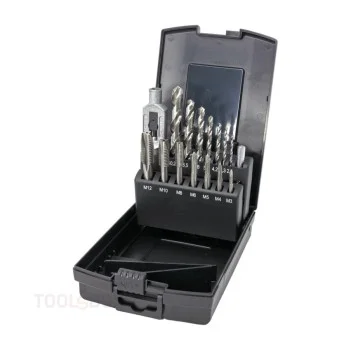
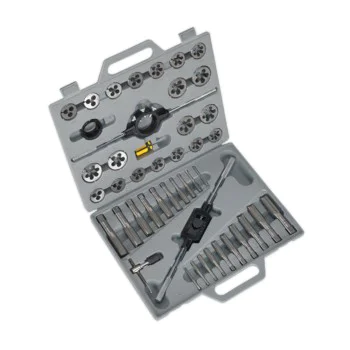
A tap wrench must match the square shank and diameter of the tap. Many wrenches are adjustable and cover a range of several sizes, making them convenient for tap and die sets. When working with small threads, finer adjustment is required, while for larger sizes, a more robust head and secure clamping are needed.
For a precise thread, a properly drilled pilot hole, suitable cutting lubricant, and smooth guidance along the hole's axis are required. When working with steel, proceed at a moderate pace and back up regularly. With aluminum and brass, chips are removed differently, so pressure control remains crucial for a clean result.
Safety, Maintenance, and Long Service Life
Before starting work, the tap must be securely clamped, and the hole must be thoroughly cleaned of chips. Tilting the holder sharply puts lateral stress on the tap and increases the risk of breakage. Gloves, safety goggles, and secure clamping of the workpiece are essential for any thread-cutting operation.
After use, clean the jaws and threaded parts of the holder of metal particles. Lightly lubricating the moving parts prevents the mechanism from seizing up. Storing it in a dry place protects against corrosion and maintains clamping accuracy. This way, the tap wrench remains ready for service, installation, and repair tasks without unnecessary delays.
Choose the right tap holder
A high-quality tap holder makes work easier, protects the cutting tool, and helps create a clean, uniform internal thread. At Toolsbox.bg, you can select a model based on the size of the taps, access to the workpiece, and the workload in a workshop, service center, installation crew, or home repair corner.