
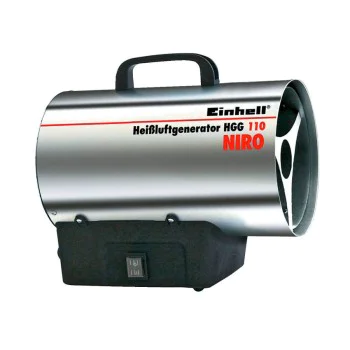
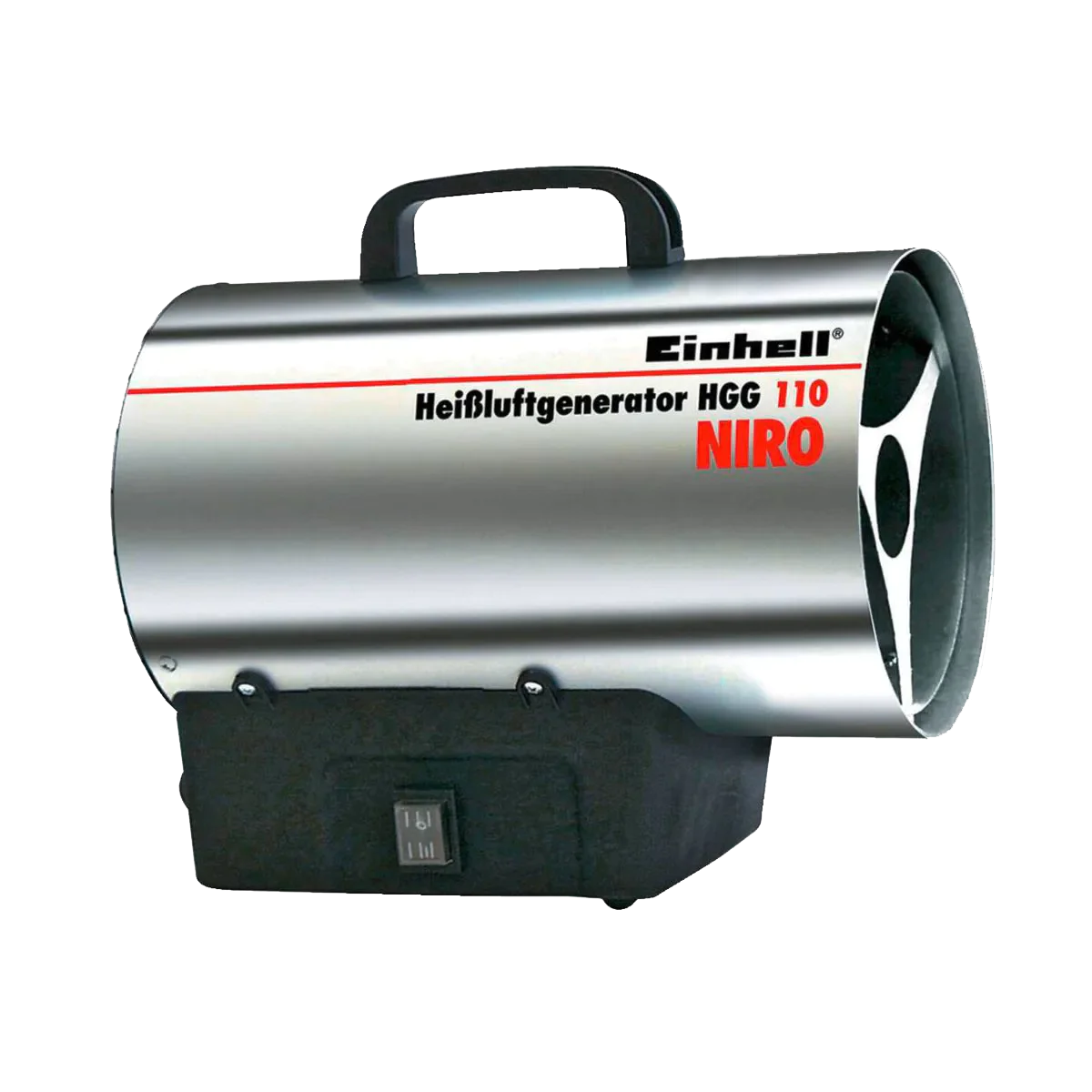
Calorifiers
Heaters for heating work and construction sites
Heaters are a practical choice for quickly heating rooms, work areas, and sites where a powerful flow of warm air is needed. In gas heating systems, these units operate on propane-butane and combine a burner with a fan that distributes heat evenly throughout the selected area. This approach is convenient for renovation, construction, installation work, and operations in warehouses, service centers, garages, sheds, canopies, and other well-ventilated spaces.
Gas heaters differ in terms of heat output, airflow, housing size, ignition method, flame control, safety features, and accessories. Some models are compact and easy to move between different workstations, while others are designed for larger areas and more intensive professional use. When properly sized, the heater ensures a rapid rise in temperature and a comfortable working environment during cold periods.
Where are gas heaters used?
A gas heater is useful where stationary heating is absent, insufficient, or impractical for temporary use. The unit heats the air directly and directs the heat toward the work area, which is convenient for periodic activities, seasonal work, or sites with a changing layout of people and equipment.
- Construction sites-heating during finishing work, installations, repair operations, and drying of materials.
- Workshops and service centers-maintaining a more comfortable temperature around workbenches, machines, and repair areas.
- Warehouses and production facilities-additional heating in areas with active work or loading/unloading activities.
- Garages, sheds, and farm buildings-rapid heating for short-term use and maintenance.
- Temporary work sites-mobile heating for installation crews, field operations, and seasonal tasks.
These types of devices require good ventilation and are not intended for unventilated residential spaces. When using gas heating equipment, follow the manufacturer's instructions, the rules for installing the gas cylinder, and maintain a safe distance from flammable materials.
Selecting a heater for the specific task
The right heater is selected after assessing the room's volume, ceiling height, insulation level, frequency of use, and required mobility. Small work areas typically require more compact units, while large warehouses, storage facilities, and open spaces need higher heat output and a more powerful fan.
Heat output is one of the most important parameters for gas heaters. A higher output is beneficial for larger spaces, low outdoor temperatures, and rooms with frequently opening doors. For local heating around a workbench or machine, a more compact model is often sufficient, as it is easy to position and does not take up much space.
Airflow affects heat distribution. In rooms with great length, height, or uneven temperatures, a unit with a more powerful fan distributes the warm air more quickly. In smaller spaces, an excessively strong airflow is not always comfortable, so it is best to find a balance between power, size, and the working environment.
Ignition and controls contribute to ease of use. Some models feature piezo ignition, flame control, thermal protection, or other safety features. These details simplify daily use and enhance control over the heating.
| Operating Area | Desired feature | Practical note |
|---|---|---|
| Garage or small workshop | Compact body and moderate power | Easy to move and direct the warm air |
| Warehouse or industrial hall | Higher power and strong airflow | Solution for larger spaces and faster heating |
| Construction site | Durable housing and convenient accessories | Practical for frequent transport and use in different locations |
| Service area | Stable operation and easy control | Approach to periodic heating around the workplace |
Compatibility, gas connections, and safety
The gas heater operates correctly only with properly selected accessories and a serviceable gas installation. The fuel type, operating pressure, pressure-reducing valve, hose, clamps, and connections are important. When replacing consumables or accessories, the parameters must be checked against the device's specifications to ensure compatibility between the cylinder, the regulator, and the heater itself.
Working with propane-butane requires ventilation, stable positioning of the appliance, and clear space in front of the hot air outlet. Do not place flammable materials near the unit's housing or the air outlet. Inspect the hoses for cracks, kinks, and signs of wear, and tighten the connections carefully. If you smell gas, turn off the unit, close the gas cylinder, and ventilate the room.
Maintenance and Long Service Life
Regular maintenance ensures stable combustion and good airflow. Clean the air intakes and grilles of dust, construction debris, and dirt. Do not block the fan, as free airflow is necessary for proper cooling of the housing and even heating. After use, allow the unit to cool down, and when storing it, protect it from moisture, impacts, and dirt.
For professional use with frequent on-off cycles, it is advisable to monitor the condition of the burner, ignition, and safety components. Timely replacement of worn hoses, regulators, or other accessories reduces the risk of interruptions during operation and keeps the unit in good working order throughout the heating season.
Heaters for professional and home use
At Toolsbox.bg, you'll find gas heaters for various working conditions-from compact units for garages and small workshops to more powerful models for warehouses, industrial buildings, and construction sites. Consider the required power, the size of the space, portability, and compatibility with gas accessories, then choose a heater that suits the pace and nature of your work.