
Porcelain tile edging
Core bits for porcelain tiles - precise drilling in hard tiles
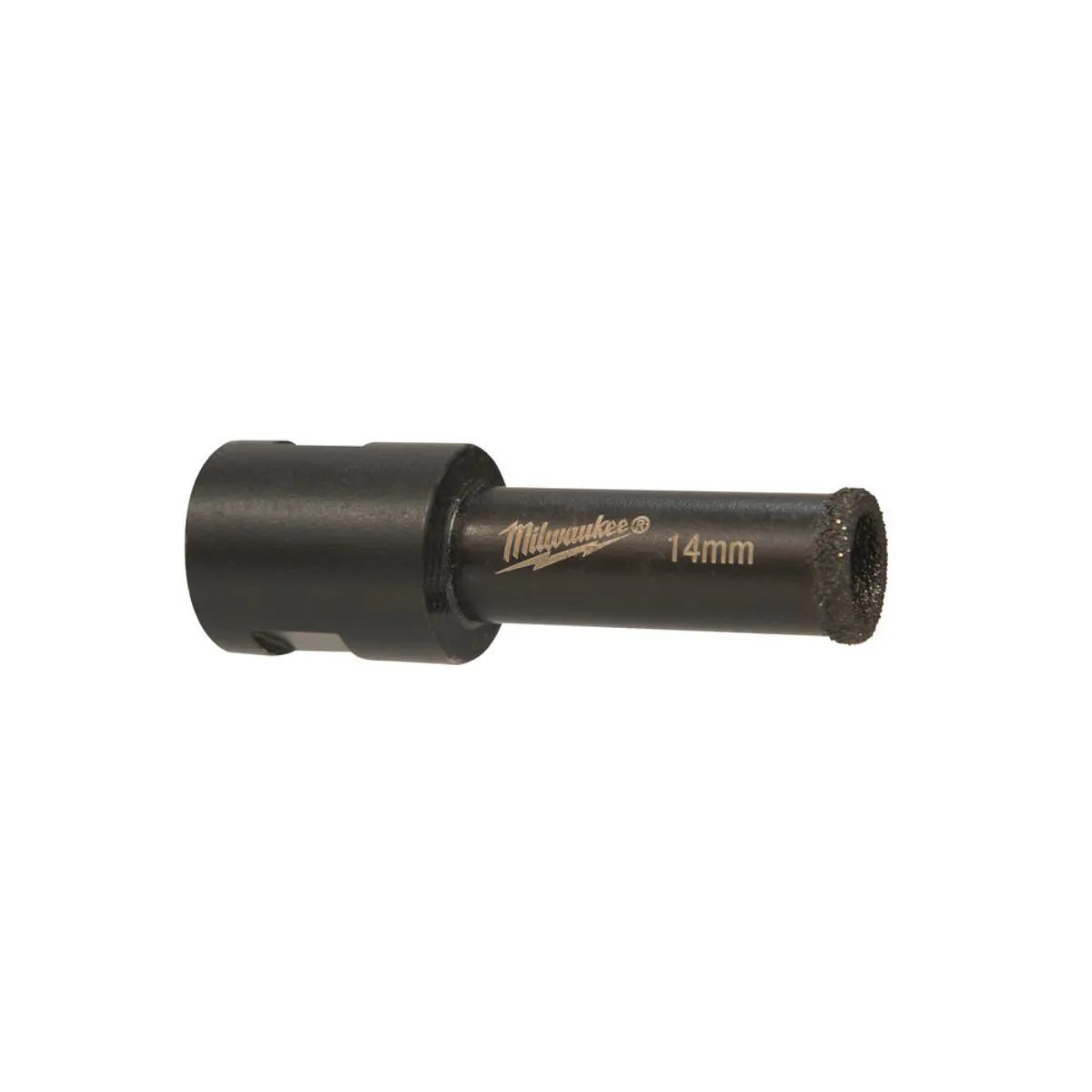
Porcelain tile drill bits are diamond-tipped cutting bits designed to create holes in hard ceramic tiles, porcelain tiles, terracotta, earthenware, stone, and similar cladding materials. They are essential for installing faucets, pipes, drains, electrical outlets, fasteners, decorative elements, and various fixtures in bathrooms, kitchens, hallways, patios, or commercial spaces. A properly selected core bit reduces the risk of tile cracking, glaze chipping, and inaccurate holes, which is particularly valuable for expensive cladding and visible installation areas.
Porcelain tile is a dense and hard material, so standard drill bits and ordinary attachments do not provide the necessary clean cut. The diamond coating on the cutting edge of the core bit cuts through abrasive action rather than impact. This achieves controlled drilling with less vibration and better tool guidance. In this section, you will find core bits with various diameters, shanks, and operating modes, designed for installers, tile setters, service technicians, and discerning DIYers.
What do the core bits for granite tiles include?
The range includes diamond core bits for small holes for dowels and fasteners, medium sizes for plumbing and electrical openings, as well as larger diameters for outlets, traps, faucets, and junction boxes. There are models designed for use with an angle grinder, electric drill, cordless drill, or drill press. The differences between them lie in the chuck, recommended RPM, cooling method, drilling depth, and the design of the diamond segment.
For thinner tiles, compact diamond core bits with a shallow working depth are often used, while for thicker porcelain tiles or stone, a sturdier construction with a durable cutting edge is more suitable. For clean holes on visible surfaces, look for bits with a uniform diamond coating, a stable body, and a precise diameter. For a series of holes in professional applications, cooling, drilling speed, and durability under continuous load are also important.
Applications in renovation, installation, and construction
Porcelain tile drill bits are used for finishing work, plumbing installations, electrical installations, installing bathroom fixtures, kitchen installations, and tiling in residential or public spaces. They help create precise round holes around pipe outlets, water meters, faucets, shower systems, siphons, and mounting points for shower screens, stands, shelves, and sanitary accessories. In electrical installations, they are useful for cable openings, brackets, and decorative elements when the material does not allow for use with a standard drill bit.
With tiles that have a glossy surface, a textured finish, or are large-format, pressure control is crucial for the final result. The diamond core bit must start cutting steadily, without slipping on the glaze. To achieve this, guides, templates, or a careful start at a slight angle are used, after which the tool is gradually straightened. The hammer mode of the drill is not used because the hard material can crack right at the start of the hole.
Main types based on operating method
| Type of core bit | Characteristics | Typical use |
|---|---|---|
| For dry drilling | Operates without continuous water cooling, typically at higher speeds | Quick-change mounting holes, operation with an angle grinder or drill |
| For wet drilling | Requires water cooling to limit heat build-up and dust | Longer drilling, hard porcelain tile, clean edge |
| With M14 shank | Attaches directly to an angle grinder with the appropriate thread | Professional tiling and installation work |
| With cylindrical or hexagonal shank | Fits into the chuck of a drill or screwdriver | Home repairs, maintenance work, smaller diameters |
How to choose the right core bit
The selection starts with the hole diameter. Small sizes are used for dowels and fasteners, medium diameters are needed for pipes and outlets, and larger core bits are required for siphons, brackets, and junction boxes. It is good practice to match the hole to the actual outer diameter of the pipe, fitting, or element that will pass through the tile, leaving sufficient clearance for installation.
Next comes the choice of chuck. M14-threaded core bits are convenient when working with an angle grinder because they mount directly and allow for high RPMs. Models for a drill or screwdriver are practical for lighter installations, small diameters, and working in confined spaces. For cordless tools, compatibility with the chuck and sufficient power are required to maintain a constant speed without excessive pressure.
The material and thickness of the tile influence the choice of operating mode. Dense porcelain tiles, technical porcelain tiles, and stone slabs place greater stress on the cutting edge. In such situations, wet drilling reduces overheating and dust generation, while dry core bits are convenient for quick installation when the tool and cutting edge are matched to the material's hardness. With very hard tiles, light pressure, the correct speed, and periodic cooling protect the diamond coating.
Diameter, Depth, and Precision
The diameter must match the specific installation task. Small core bits are suitable for anchors, screws, and fasteners; medium-sized ones for pipe passages and fittings; and large ones for plumbing openings, outlets, and junction boxes. Working depth is critical for thicker slabs, double-layer cladding, or drilling through an adhesive layer. For visible openings, centering accuracy and edge smoothness directly affect the aesthetics of the installation.
Machine Compatibility
Before purchasing, it is advisable to compare the chuck, speed, and size of the core bit with your existing machine. An angle grinder operates at high speeds and requires steady guidance, while a drill offers better control at slower speeds. A screwdriver is convenient for small holes, but with large diameters, the load on the motor and battery increases. With stands and guides, a more precise hole is achieved, especially with expensive slabs and serial work.
Safety and Care for Diamond Core Bits
When drilling into granite tiles, wear safety goggles and gloves, and maintain a stable working position. The tile must be well supported, and the drilling area must be free of dust and slippery debris. Do not use the hammer mode. Excessive pressure does not speed up cutting but leads to overheating, wear on the diamond layer, and the risk of chipping. Better results are achieved with a steady motion, controlled speed, and short pauses when the drill bit heats up.
After use, clean the core bit of ceramic dust, slurry, and adhesive residue. If used with water, it must be dried before storage. A worn or deformed cutting edge makes drilling difficult and increases the risk of damaging the tile. Storing it in a box or compartment protects the diamond layer from impacts with other tools and extends the bit's service life.
Diamond Core Bits for Porcelain Tile at Toolsbox.bg
Toolsbox.bg offers a selection of diamond core bits for porcelain tile for various installation tasks-from single-project home repairs to intensive professional use. Select the diameter, shank type, and operating mode based on the material, machine, and required precision. Browse the available items and equip your workshop or service kit with diamond core bits that will help you drill through hard tiles cleanly, safely, and with excellent control.