
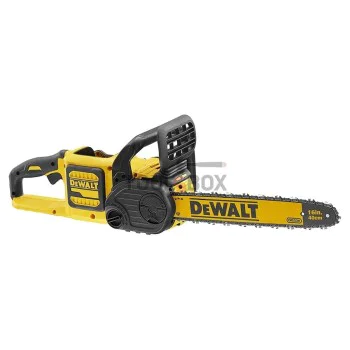
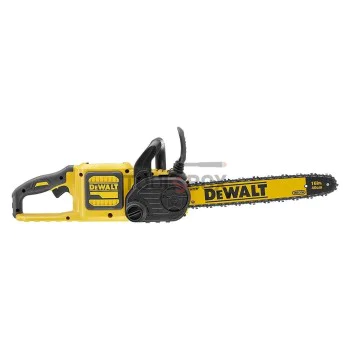
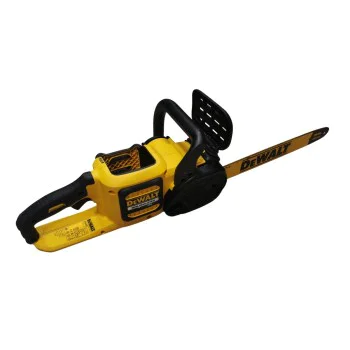
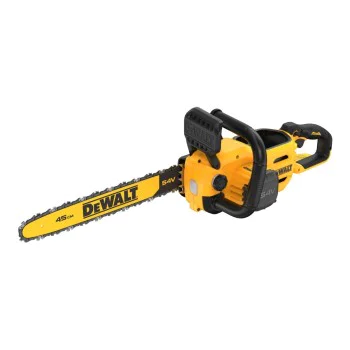
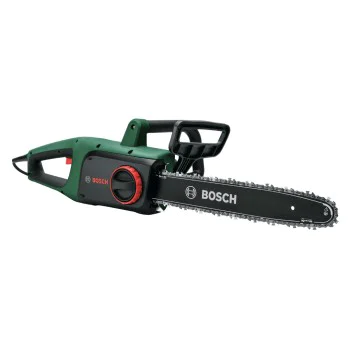
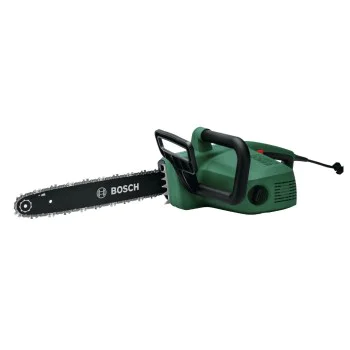
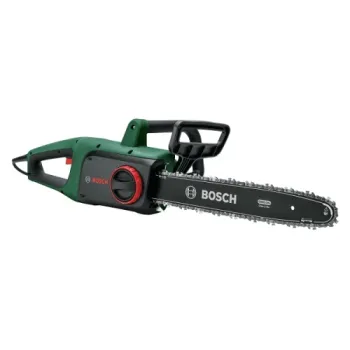
Chain saws
Chainsaws for cutting wood, branches, and lumber
Chainsaws are used wherever wood is worked with-in the yard, garden, forest, construction site, and workshop. They are machines for cross-cutting and rip-cutting logs, preparing firewood, pruning branches, shaping lumber, and maintaining green spaces. The chainsaw category includes models with different power sources, power ratings, bar lengths, and load capacities, so the choice depends on the frequency of use, the type of wood, and the required mobility.
Choosing the right machine saves time, reduces physical strain, and provides more precise control over the cut. For home use, lighter, easy-to-maintain models are typically preferred, while professional use requires more powerful machines with longer bars, a sturdy body, good ergonomics, and the capacity for extended operation.
Types by Power Source and Load
Different chainsaws are chosen primarily based on their power source. Gas-powered models are preferred for work away from the electrical grid and for cutting thicker logs. Electric models are convenient for the yard, workshop, and locations with access to an outlet. Cordless machines offer freedom of movement, lower noise, and easy starting, making them practical for garden maintenance and light repair work.
| Type | Power Source | Typical use | Key Features |
|---|---|---|---|
| Gas-powered chainsaws | Internal combustion engine | Forest, firewood, thick logs | High power, good runtime, requires fuel and maintenance |
| Electric chainsaws | Mains power | Yard, workshop, occasional cutting | Constant power, low noise, limited by the cable |
| Cordless chainsaws | Battery | Pruning, garden maintenance, quick jobs | Mobility, easy start, operation based on battery capacity |
Gas, electric, and cordless models
Gas-powered chainsaws are a strong choice for heavy-duty cutting, forestry work, and preparing large quantities of firewood. Key factors to consider include engine power, displacement, bar length, weight, anti-vibration system, and easy access to the filter, spark plug, and chain tensioner. They require the correct fuel mixture, periodic cleaning, and regular lubrication of the cutting mechanism.
Electric chainsaws are a good option for a farmyard, a vacation home, and a workshop. They start easily, produce no exhaust fumes, and are easier to maintain than gasoline-powered machines. When choosing one, consider the motor power, bar length, overload protection, comfort of the handles, and tensioning system.
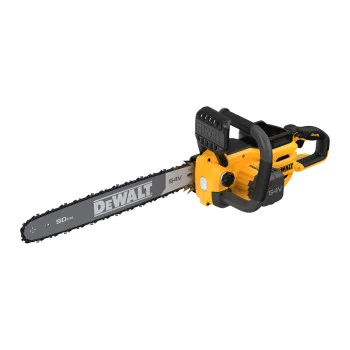
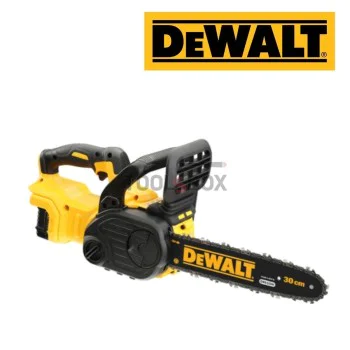
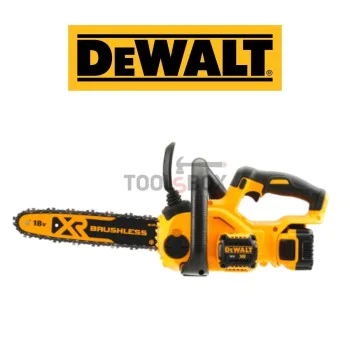
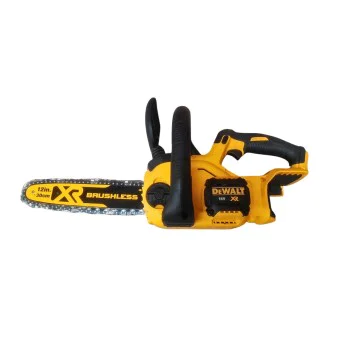
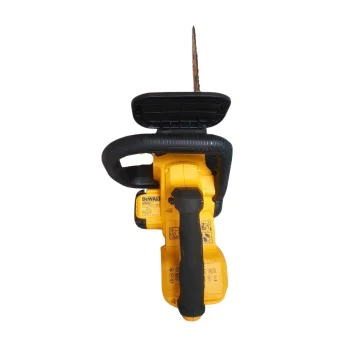
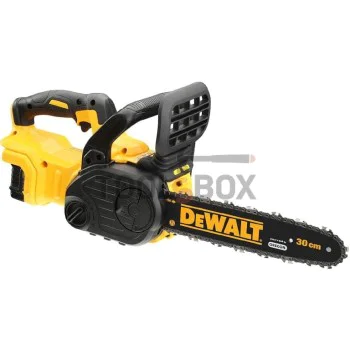
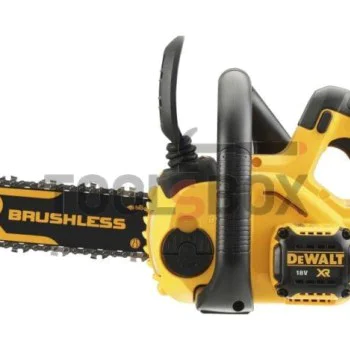
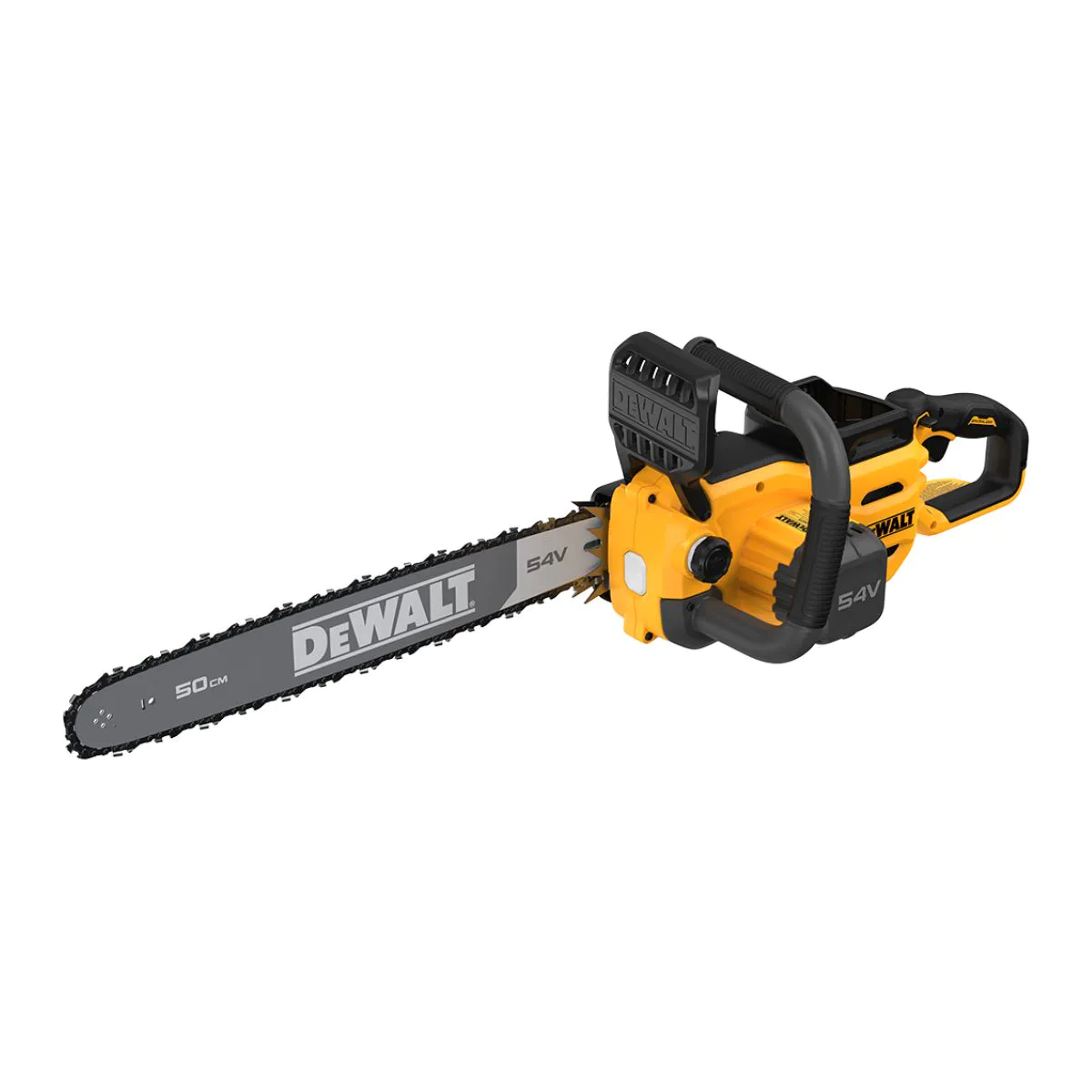
Cordless chainsaws are valued for tasks involving more movement-trimming branches, shaping trees, cutting lumber, and light work around the house. For these, battery voltage, capacity, compatibility with existing batteries and chargers, runtime on a single charge, and weight with the battery installed are important factors.
How to Choose a Chain Saw Based on the Task
When choosing a chainsaw, the key factors are the diameter of the wood, the frequency of cutting, and the work location. For branches, shrubs, and thin trees, a shorter bar and a lighter machine are sufficient. For logs and firewood, you need more power and a bar length appropriate for the diameter of the material. For professional work, look for a longer service life, reliable cooling, easy access to service points, and balanced weight.
- Power: affects cutting speed and the ability to work with hard or wet wood.
- Bar length: selected based on log thickness and required maneuverability.
- Weight and balance: determine comfort during prolonged use and when cutting above waist level.
- Chain: the pitch, link thickness, and number of links must match the bar and drive sprocket.
- Tensioning: a side-tensioning or keyless mechanism facilitates adjustment during operation.
- Lubrication: The automatic oil pump protects the bar and chain from overheating and rapid wear.
Bars, chains, and consumables
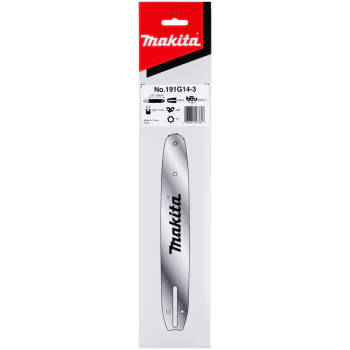
Good cutting depends not only on the machine but also on the cutting system. The guide bar must be straight, without heavily worn grooves, and the chain must be properly sharpened and tensioned. A dull chain strains the engine, heats up the guide bar, and leaves a rough cut. For maintenance, use chain oils, sharpening files, limiters, spare chains, guide bars, spark plugs, filters, and starter components for gasoline models.
Compatibility is crucial when selecting accessories. Check the bar length, chain pitch, groove depth, number of drive links, and mounting method. For battery-powered models, ensure the battery, charger, and platform are compatible with the manufacturer's specifications.
Safety and Maintenance During Operation
Chain saws operate at high chain speeds and require protective equipment. For cutting, you need gloves, safety goggles or a face shield, a hard hat when working with branches, ear protection, sturdy shoes, and work clothing with cut protection. The front chain brake, start button lock, chain catcher, and sturdy front handle are features that improve control over the machine.
Regular maintenance extends the machine's service life. After use, clean the sprocket cover, the guide bar channel, and the air filter on gasoline models. Check the chain oil level before cutting, and sharpen the chain at the first signs of slow cutting or fine dust instead of coarse chips.
Choosing a machine at Toolsbox.bg
Chainsaws at Toolsbox.bg can be selected based on power source, power, bar length, intended use, and required accessories. For yard maintenance, a lightweight electric or cordless model is a sensible choice, while for firewood and heavier workloads, a gasoline-powered machine with more power reserve is recommended. Choose a model that matches your actual tasks, existing equipment, and maintenance preferences to work faster, more comfortably, and more safely.