
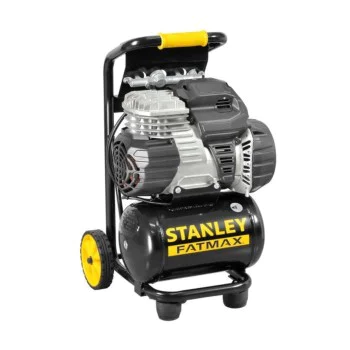
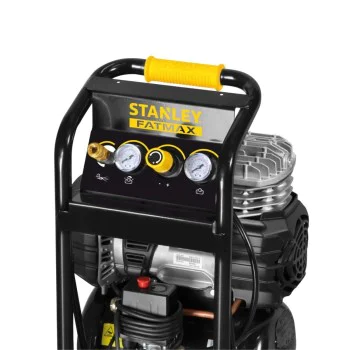
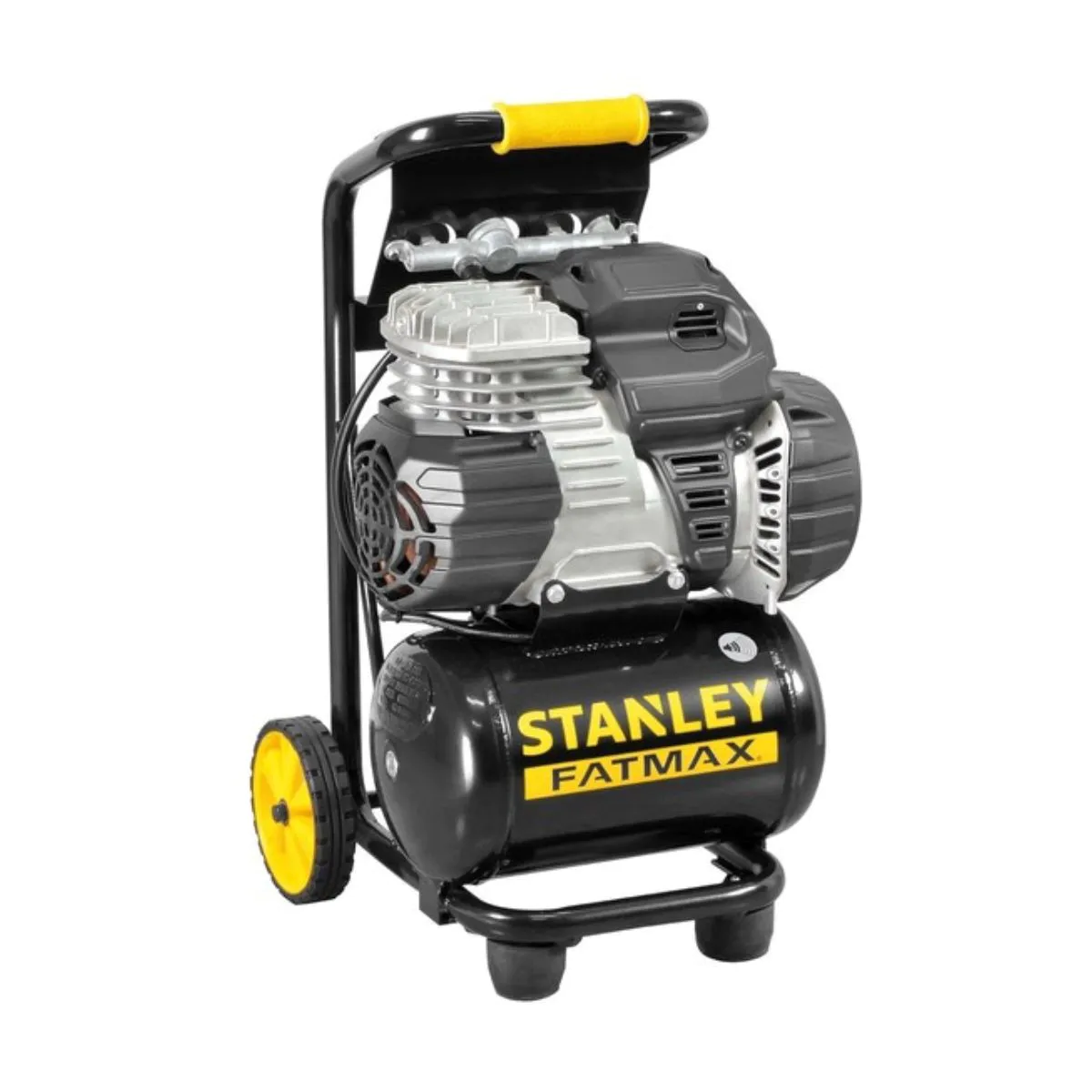
Reciprocating compressor
Piston air compressor for garages, workshops, and job sites
A piston compressor is a practical machine for producing compressed air, which is necessary when working with pneumatic tools, inflating tires, blowing out debris, painting, cleaning, performing installation operations, and carrying out technical maintenance. This type of compressor operates using a cylinder and piston that compress air into a receiver, from which the pressure is delivered to a hose, air gun, impact wrench, nail gun, pneumatic sander, or other tool. Thanks to their straightforward operating principle and variety of sizes, piston compressors are used in garages and home workshops as well as in service centers, construction crews, manufacturing facilities, and mobile repair teams.
In the piston compressor section, you will find machines with varying tank capacities, flow rates, operating pressures, drive types, power sources, and designs. The smaller models are convenient for occasional tasks and portability, while the larger versions with a bigger air tank maintain a more stable supply during heavy-duty work. When choosing, it makes sense to consider not only the maximum pressure but also the actual air flow rate, because pneumatic tools have different consumption rates.
What tasks is a piston compressor used for?
A piston compressor is used in a wide range of work activities where compressed air with controlled pressure is needed. In auto repair shops, it is used for inflating tires, blowing out parts, and powering pneumatic wrenches, ratchets, and grease guns. In woodworking and furniture shops, they assist with work involving nail guns, staple guns, blow guns, and finishing equipment. In repair and construction, the compressor is useful for removing dust from openings, preparing surfaces, spray painting, and operating various pneumatic tools.
For home use, more compact models are convenient for garages, bicycles, cars, yard equipment, and small repairs. Professional users typically look for a larger air tank, higher air flow, and durability under continuous use. When painting, a uniform air stream is needed; for an impact wrench, sufficient instantaneous flow is required; and for blowing, convenience, easy pressure adjustment, and the right nozzle are essential.
Types of Piston Compressors
Different models vary in design and purpose. Some are designed for mobility and short-term tasks, while others are intended for service work with more serious pneumatic tools. There are oil-lubricated and oil-free versions, direct-drive and belt-driven models, horizontal and vertical tanks, and single-cylinder and double-cylinder machines.
| Piston compressor type | Practical application | Distinctive features |
|---|---|---|
| Compact model with a small receiver | Garage, home, mobile repairs, pumping and blowing | Lighter weight, easy to carry, convenient for short cycles |
| Oil-lubricated piston compressor | Service, workshop, extended operation | Requires oil monitoring, performs well with regular maintenance |
| Oil-free piston compressor | Light assembly tasks, clean air flow, hobby activities | Easier maintenance, no oil in the air line |
| Vertical compressor | Workspaces with limited floor space | Saves floor space while maintaining a good receiver volume |
| Two-cylinder or belt-driven model | More intensive work with pneumatic tools | Higher flow rate and better air reserve for demanding operations |
Parameters for selecting a reciprocating compressor
When purchasing a piston compressor, it is advisable to compare the machine's technical specifications with your actual tasks. Working pressure is typically measured in bar and indicates the maximum pressure at which the compressor pressurizes the air in the receiver. Lighter models are sufficient for pumping and blowing, while pneumatic wrenches, grinders, and paint spray guns require a more substantial air supply.
- Air flow rate-measured in l/min-is critical for the operation of pneumatic tools. A tool with high air consumption requires a compressor with a higher actual flow rate.
- Tank capacity-a larger tank reduces the frequency of motor cycling and ensures longer operation without a drop in pressure.
- Motor power-affects the filling speed and the machine's ability to maintain pressure under load.
- Power supply-single-phase models are suitable for garages and standard workshops, while three-phase models are used in more demanding installations.
- Size and weight-wheels, a handle, and a compact design make it easy to move between work areas.
- Noise level-a key factor for indoor use and prolonged operation.
Compatibility with tools, hoses, and accessories
Proper compressor operation depends on a well-chosen air line. The hose must have sufficient inner diameter and length without restricting the flow to the tool. Quick-connect fittings, nozzles, pressure-reducing valves, filters, and moisture traps ensure a stable air supply and protect pneumatic tools from moisture, contaminants, and sudden pressure changes.
For painting, a moisture filter and regulator are often added to maintain cleaner air and more precise adjustment. For automotive service work, coiled or straight hoses, impact wrenches, air guns with pressure gauges, and blow guns are useful. When installing with a staple gun or nail gun, good compatibility between the tool's operating pressure and the compressor's setting is required.
Maintenance and Safe Operation
A piston compressor requires regular care to maintain stable operation. For oil-lubricated models, monitor the oil level and change the oil according to the manufacturer's instructions. Drain the receiver of condensation, as moisture accumulates during operation and affects the tank, hoses, and tools. Air filters should be cleaned or replaced when dirty, and connections should be checked for leaks.
For safety, the machine must be placed on a level surface with adequate ventilation around the motor and compressor head. The pressure gauges, pressure switch, and safety valve are components that provide pressure control. Do not operate with damaged hoses, loose connections, or unsuitable nozzles. When transporting the unit, wait for the pressure to drop, and for long-term storage, keep the tank dry and clean.
Piston compressor for professional and home use from Toolsbox.bg
Choosing a piston compressor starts with the tasks the machine will perform: pumping, blowing, painting, maintenance, installation, or working with pneumatic tools. Compare flow rate, pressure, tank capacity, power source, dimensions, and necessary accessories to select a model that fits your work style. Browse the offerings at Toolsbox.bg and choose a piston compressor for a workshop, service center, construction site, or well-equipped home garage.