
Schubler
Caliper for precise linear measurements in workshops, service centers, and on-site installations
A caliper is one of the most practical measuring tools for checking external dimensions, internal bores, steps, and depths. It is valued in metalworking, woodworking, machine repair, installation work, automotive service, part inspection, and home technical tasks where a tape measure or ruler does not provide the necessary precision. With the right caliper, measuring diameter, thickness, width, a groove, or a hole becomes quick, easy to read, and repeatable.
In this section, you will find models for various types of work-from classic vernier calipers to digital versions with displays and dial-type models. They differ in measurement range, resolution, reading method, body material, jaw shape, and additional features. When choosing, it is wise to consider accuracy, ease of reading the values, frequency of use, and the environment in which the tool will operate.
What does a caliper measure?
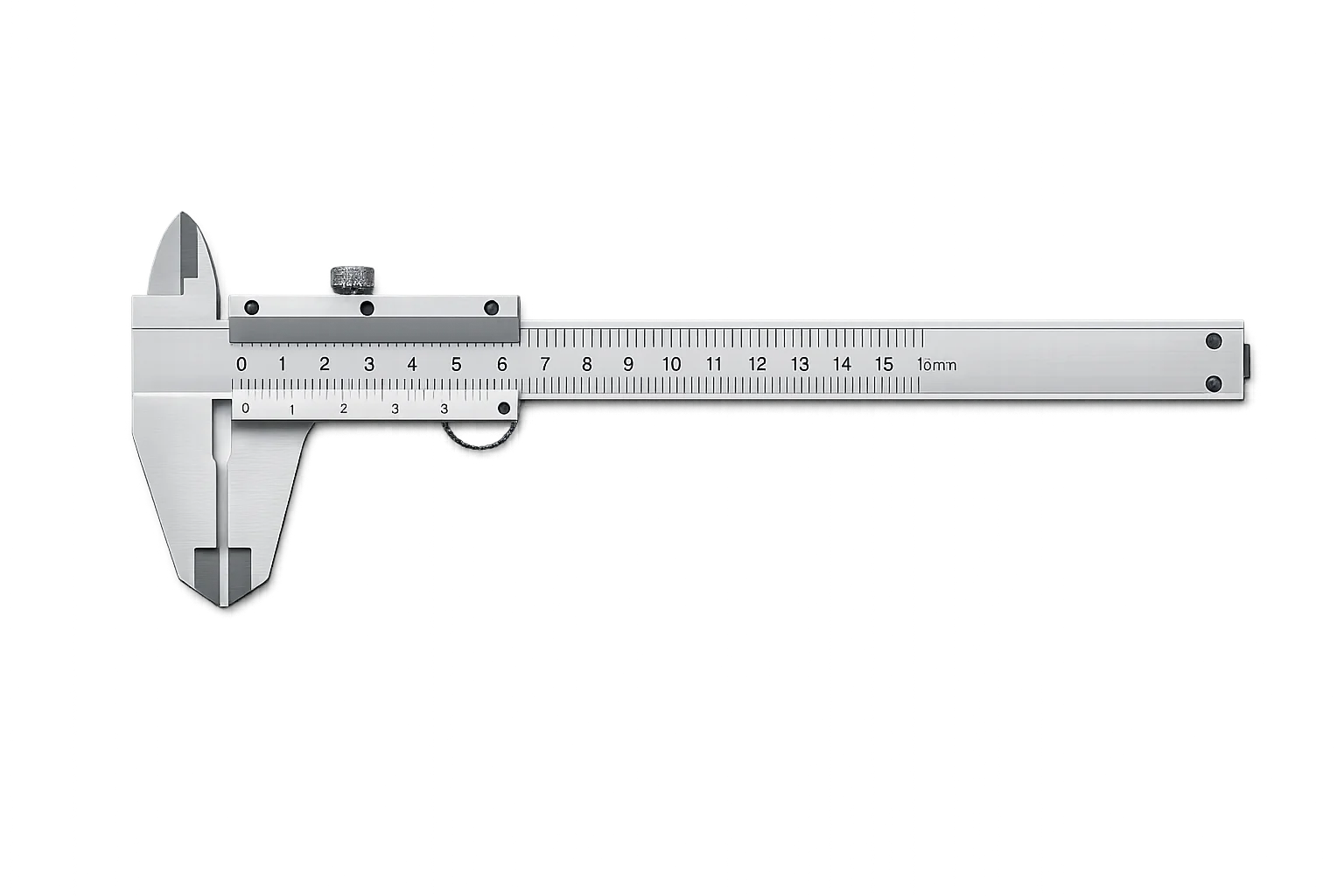
The caliper's design combines several measuring zones into a single tool. The outer jaws are used to measure the thickness, width, and outer diameter of parts. The inner jaws are used for holes, bushings, tubes, and sockets. The depth gauge at the rear allows for checking the depth of grooves, holes, and stepped parts. Some models feature a clearly defined area for measuring pitch, which is useful for setting up and inspecting machined surfaces.
This type of tool is suitable for both rough dimensional checks and more precise inspections of machine components. For professional use, models with a clearer scale, a metal body, and a smooth-running slide are often preferred. For a home workshop, a digital caliper can be a convenient choice due to its easy reading and quick switching between metric and inch values on models that support this feature.
Types of calipers and differences between them
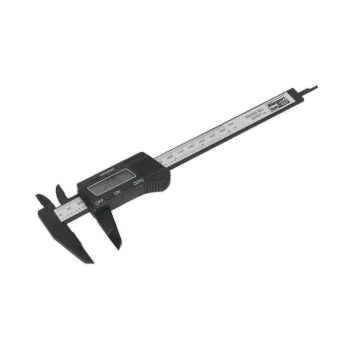
The different types of calipers differ primarily in their reading mechanism. The vernier caliper is mechanical, requires no battery, and is preferred by users who value classic readings and simple construction. The digital caliper displays the value on a screen and reduces the risk of error when reading the scale. The dial model uses a dial, which is convenient for serial checks and comparing small deviations.
| Caliper Type | Characteristics | Operation |
|---|---|---|
| Vernier | Mechanical scale, battery-free, sturdy metal construction on many models | Workshop, training, standard part measurements |
| Digital | Display, easy reading, zeroing at any position on compatible models | Quick checks, assembly, service, work with various units of measurement |
| Analog | Dial with smooth reading, good visibility of small changes | Batch measurements, dimensional control, part comparison |
Selecting a caliper based on range and accuracy
The measuring range is one of the first parameters to consider when purchasing. Models with a range of 0-150 mm cover a large portion of standard tasks in service centers, workshops, and at home. For larger parts, pipes, profiles, or machine components, look for options with a larger range, such as 200 mm, 300 mm, or more, when required for the specific task.
The resolution indicates the smallest value the tool can measure. Digital calipers often have a resolution of 0.01 mm, while vernier calipers have different graduations depending on the scale. Actual accuracy is influenced not only by the scale division but also by the condition of the jaws, the cleanliness of the workpiece, proper pressure, and the way the tool is held. For measurements related to the fitting of machine parts, bushings, bearings, or threaded components, the precision of the tool has a direct impact on the final result.
Material, construction, and ease of use
Calipers with a metal body and finely machined jaws are preferred for more intensive use. The smooth movement of the slide, the locking screw, and the clear scale facilitate control during repeatable measurements. For digital models, it is advisable to check the display size, the reset and unit-of-measurement switch buttons, as well as the protection of the electronic module when working in dusty or humid environments, provided such protection is specified by the manufacturer.
For construction and installation tasks, a sturdy model with a clear readout and a comfortable grip is often sufficient. In metalworking and maintenance, accuracy, stable caliper lock, and precise jaw geometry are more important. For electricians, model makers, and technicians working with small components, a compact size and a clear display can speed up the inspection of small parts.
Practical purchase criteria
- Measuring range: select based on the maximum size of the parts you work with.
- Reading method: vernier for classic mechanical work, digital for quick reading, dial for convenient tracking of deviations.
- Resolution and accuracy: important for machine parts, assemblies, bearings, bushings, and adjustments.
- Body material: metal versions are preferred for heavy-duty workshop use.
- Additional features: depth gauge, locking screw, zeroing, unit conversion, and protective case on applicable models.
Maintenance and Proper Use
The precision caliper requires clean measuring surfaces and careful storage. Before use, the jaws and the workpiece must be cleaned of chips, dust, oil, or material residues. Measurements should be taken with even pressure, without twisting or squeezing, which can deform a softer workpiece or result in an incorrect reading. After use, store the tool in a case or protective box, away from impact, moisture, and abrasive particles.
For digital calipers, it is helpful to monitor the battery and replace it in a timely manner to avoid unstable readings. For mechanical models, a clean scale and smooth movement of the slide are important for accurate readings. Regular care extends the tool's lifespan and maintains its accuracy during daily use.
Calipers for professional and home use
A properly selected caliper saves time when checking dimensions and reduces the risk of parts being misaligned. It is a practical addition to any set of measuring tools, whether you work in a service shop, production area, installation crew, or home workshop. Choose a model based on the required range, reading method, and frequency of use to get accurate results with every measurement.
Browse the selection at Toolsbox.bg and choose a caliper that suits your needs-whether for repairs, installation, service work, part machining, or dimensional control in the workshop.