
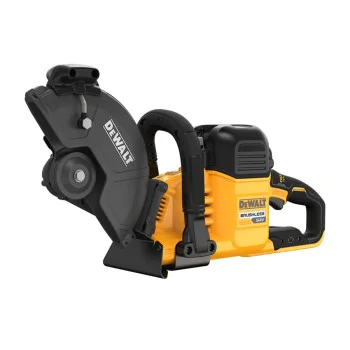
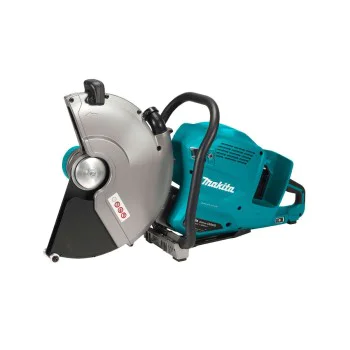
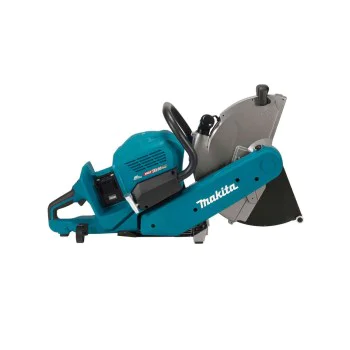
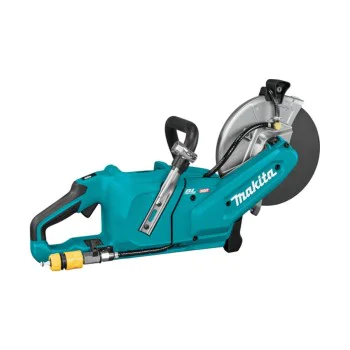
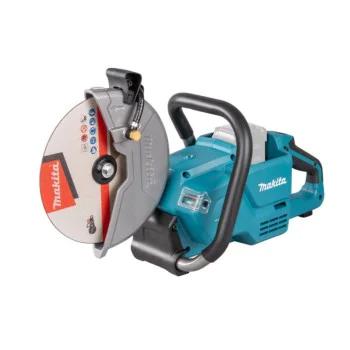
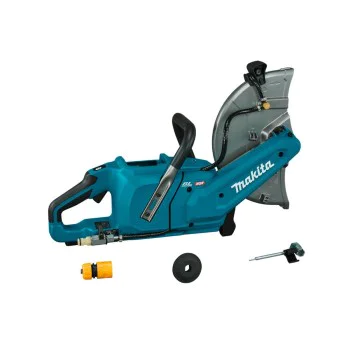
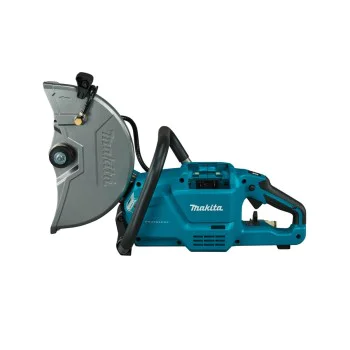
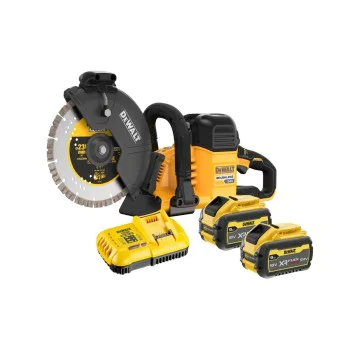
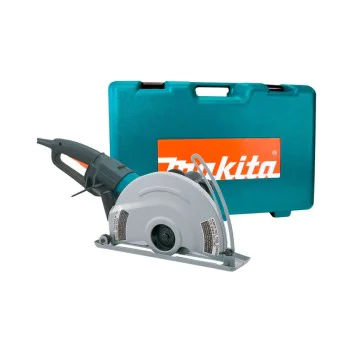
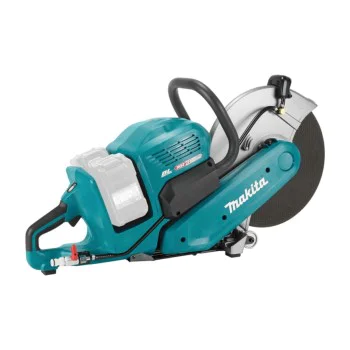
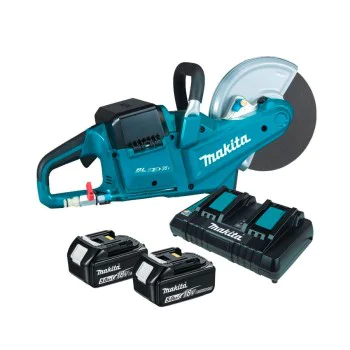
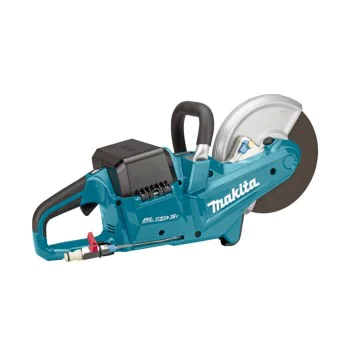
Machines for cutting concrete
Concrete cutting machines for precision work in construction and renovation
Concrete cutting machines are selected for tasks requiring a clean cut, controlled depth, and stable operation on hard mineral substrates. They are used in construction, renovations, plumbing and electrical installations, roadwork, joint cutting, removal of old flooring, and preparation of openings in concrete slabs, curbs, screeds, and masonry. Toolsbox.bg offers solutions for professional teams and demanding craftsmen who work with concrete, reinforced concrete, stone, brick, asphalt, or other similar materials.
Unlike standard cutting power tools, these machines are designed for higher loads, deeper cuts, and use with diamond blades. Concrete cutting machines vary in power, power source, design, maximum blade diameter, cutting depth, water cooling, and guidance method. The right choice reduces working time, preserves the blade, and provides better control over the cut line.
Applications for concrete, asphalt, and construction materials
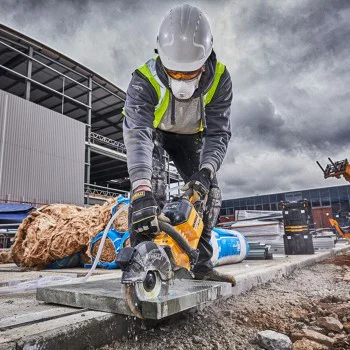
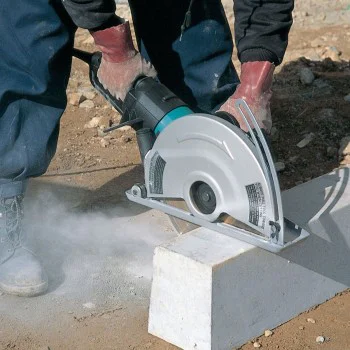
Concrete cutting machines are used for cutting channels, cutting slabs, removing sections of pavement, forming construction joints, and precisely separating elements during repairs. On construction sites, a powerful machine with a large blade is often required because the cut must be deep and even. For finishing work and installation of systems, compact models are more convenient as they are easy to maneuver and provide better access to tight spaces.
For outdoor work, both gasoline and electric models are available, while for indoor use, the choice often falls on electric machines with low emissions and the ability to connect to a dust collector or water supply. For wet cutting, water cools the diamond blade and reduces dust, while dry cutting is convenient for short operations and locations without a water source. In both modes, the right blade is crucial for the performance and longevity of the equipment.
Types of machines based on operating method
Concrete cutting machines are available in several design categories, each with its own operating logic. Hand-held floor saws and cut-off machines offer flexibility for vertical and horizontal cuts, when working on walls, curbs, and individual elements. Floor saws are designed for straight cuts on pavements, industrial floors, sidewalks, and road sections. Wall sawing systems are intended for more specialized tasks requiring rail guidance and high precision.
| Machine type | Working environment | Typical tasks |
|---|---|---|
| Hand-held cutting machine | Construction site, yard, repair area | Curbs, slabs, brick, local cuts |
| Floor groover | Flooring and industrial floors | Grout lines, straight lines, asphalt, concrete slabs |
| Water-cooled electric machine | Indoor spaces and sites with electricity | Cleaner cutting, dust control, installation work |
| Gas-powered cut-off saw | Outdoor construction sites | Intensive cutting without a mains power supply |
How to choose the right machine
When selecting concrete cutting machines, several parameters are considered: power, maximum blade diameter, maximum cutting depth, weight, ergonomics, and cooling system. A larger blade allows for a deeper cut but requires a more powerful motor and stable guidance. A lighter machine is convenient for frequent movement, while a heavier design provides better stability during long, straight cuts.
For repair crews that cut various materials throughout the day, a machine with easy blade changes and good dust protection is practical. For rough construction and infrastructure work, the priorities are power, a sturdy body, deep-cut capacity, and the ability to wet-cut. For home use, it is wise to pay attention to a comfortable grip, manageable weight, and a compatible blade size to avoid overloading the machine.
Blades, Consumables, and Compatibility
Concrete cutting machines work best with diamond blades selected according to the material and cutting mode. Blades for concrete, reinforced concrete, stone, and asphalt have different segments, hardness, and cooling. The wrong consumable overheats, wears out quickly, and leaves an uneven cut. Therefore, the diameter, mounting hole, maximum RPM, and recommended operating mode must match the machine's specifications.
Additional accessories for the machines include water kits, guide rails, safety guards, dust collector adapters, spare belts, filters, and service parts. Good compatibility between the machine, disc, and accessories facilitates work on the job site and protects the motor from excessive strain. For regular professional use, it is advisable to plan for spare consumables in advance, especially when working with reinforced concrete or abrasive surfaces.
Safety and Maintenance When Cutting Concrete
Cutting concrete generates dust, noise, vibrations, and sparks when coming into contact with rebar. Safety goggles, ear protection, gloves, a dust mask, and sturdy work clothing are required. Hold the machine with both hands, mount the blade in the specified direction, and keep the guard in place. When wet cutting, electrical connections must be protected from water, and for gasoline models, the work area must be well-ventilated.
Regular maintenance extends the life of concrete cutting machines and ensures a smooth cut. After use, it is advisable to clean the housing, air vents, and the area around the blade of dust and slurry. For gasoline models, check the filter, fuel system, and ignition; for electric models, check the cable, brushes, and condition of the switches. A worn or cracked blade should not be put back into service.
Concrete Cutting Machines at Toolsbox.bg
The selection of concrete cutting machines at Toolsbox.bg helps you find equipment for a specific task-from local repairs to heavy-duty work on a construction site. Browse the models, compare power, cutting depth, power source, and compatible blades, then select a machine that suits the material, workload, and working conditions.