
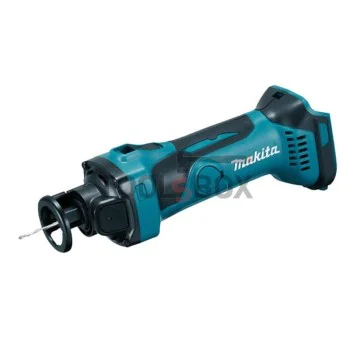
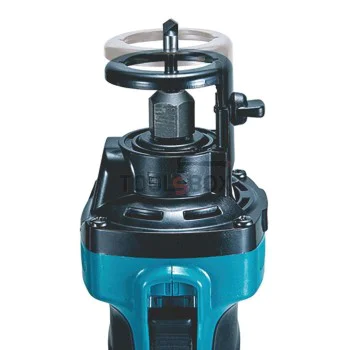
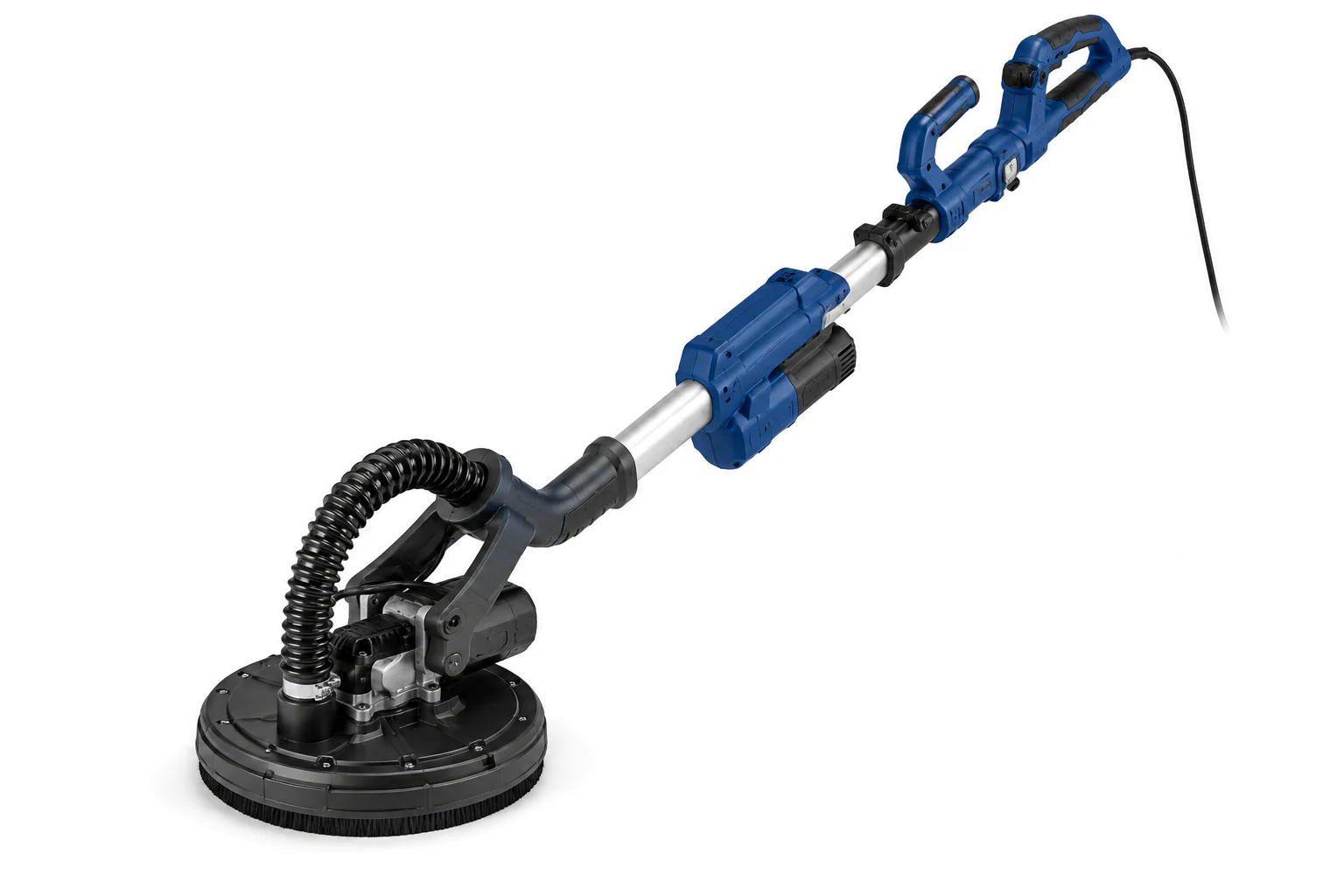
Router for plasterboard
Drywall cutter - precise cutting for drywall construction
A drywall cutter is a specialized power tool for cutting openings, channels, and contours in drywall panels during installation and repair work. It is used around electrical boxes, ventilation grilles, pipe penetrations, access panels, and other built-in elements where a hand knife or saw takes more time and often leaves rougher edges. The compact body, high speed, and thin cutting tips allow for controlled cutting along markings, templates, or already installed components.
In drywall construction, a clean cut eliminates the need for adjustments, reduces the risk of chipping the face paper, and facilitates the subsequent installation of accessories. That is why this type of machine is valuable for professionals installing partition walls, ceilings, and wall linings, but it also has a place in home renovations where a precise result with less manual work is desired.
Applications of a drywall cutter in installation and repair
A drywall cutter is used in the construction of interior drywall systems, during finishing work, and for adjustments around utilities. The machine is particularly convenient for cutting openings for outlets, switches, junction boxes, light fixtures, exhaust pipes, cable routes, and utility openings. When working on ceilings and walls, the low weight and slim body facilitate one-handed operation, while precise control over the cutting tip helps follow a pre-marked outline.
For installation crews, the tool reduces time spent on serial openings and repetitive operations. For home use, it provides a cleaner finish on individual tasks without the need for multiple hand tools. With the right bit selected, routing is smooth, with less pressure on the surface and better control in corners, around profiles, and near edges.
Differences between individual models
Each drywall router differs in power, RPM, power source, ergonomics, and bit-holding system. Corded models are practical for extended use in a workshop or on a job site with a reliable power supply. Cordless models offer more freedom when working at height, in rooms without electricity, or when frequently moving between different areas of the job site.
When choosing, the shape of the housing, the ease of use of the power button, the stability of the collet, the depth adjustment, and visibility of the cutting area are important factors. Some machines are designed for light repair tasks, while others are intended for more intensive professional work. During continuous milling, the comfort of the grip and effective motor cooling are immediately noticeable, especially during long workdays.
Bits, collets, and compatibility
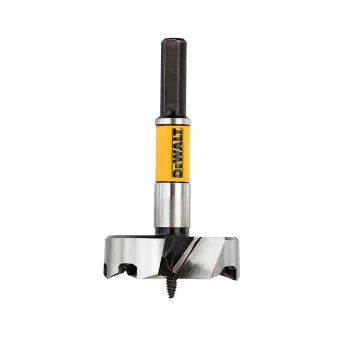
A drywall router works with drywall cutting bits selected according to the material, the thickness of the panel, and the desired contour. The bits differ in diameter, shape of the cutting edge, shank, and intended use. Thinner cutters are suitable for detailed openings and tight contours, while more robust models are used for longer cuts and more frequent use.
Compatibility between the machine's collet and the bit's shank is directly related to precision and safety. A securely tightened bit reduces vibrations and the risk of an uneven cut. When working with different surfaces and accessories, it is wise to have spare cutters on hand, because a worn-out cutter runs hotter, cuts more slowly, and can damage the edge of the material.
Choosing a drywall cutter based on the task
- Scope of work: for daily installation, look for a sturdy body, a secure collet clamp, and a comfortable grip; for occasional repairs, a more compact model may suffice.
- Power source: a corded tool is suitable for extended operations, while a cordless one facilitates cord-free work and frequent movement.
- Depth control: The depth stop helps ensure you cut only through the surface without damaging hidden wiring or structural elements behind it.
- Ergonomics: The slim body, low weight, and good visibility of the cutting edge make it easier to follow the line accurately.
- Dust extraction: Plaster produces fine dust, so safety goggles, a mask, and regular cleaning of the machine after use are required.
Safety and maintenance during operation
A drywall router operates at high speeds and requires a secure grip, a properly fitted bit, and a clean work area. Before changing consumables, disconnect the machine from the power source or remove the battery. Pressure on the surface must be even; excessive pressure strains the motor, heats up the cutter, and degrades the cut line. Safety goggles, gloves with good finger dexterity, and a dust mask are essential equipment for drywall work.
After finishing work, clean the housing, ventilation openings, and the area around the collet of plaster dust. Sharp and properly maintained cutting bits protect the machine from unnecessary strain and maintain a clean cut line. During more intensive use, it is advisable to monitor the condition of the chuck, cable, or battery, depending on the type of tool.
Drywall cutters for professional and home use
At Toolsbox.bg, you can select a drywall cutter based on your construction, renovation, or workshop needs. Browse models by power source, power output, ease of use, compatible consumables, and necessary accessories. This way, you'll choose a machine that fits your installation style and helps you achieve clean cutouts, precise contours, and a neater finish when working with drywall panels.