
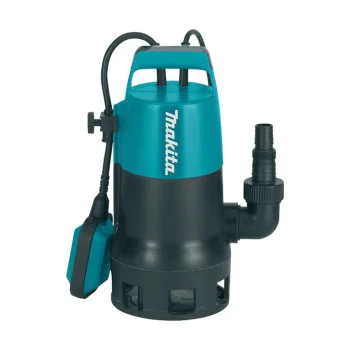
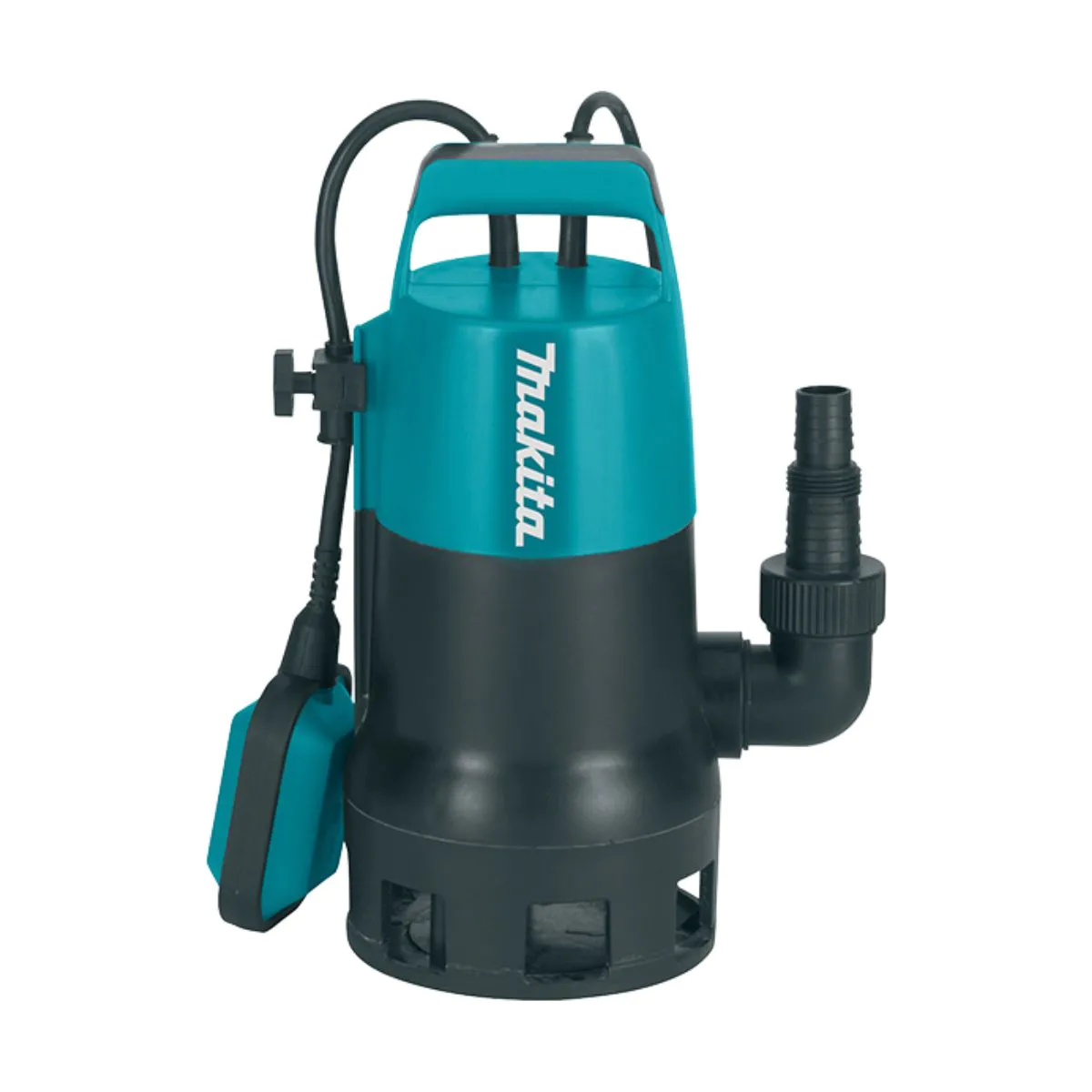
Pump for faecal water
Sewage pump for sewer systems, septic tanks, and manholes
A sewage pump is a practical machine for removing contaminated water containing organic impurities from septic tanks, sewer manholes, basements, utility rooms, and temporary construction sites. It is needed where a standard drainage pump is insufficient due to the denser environment and solid particles. Toolsbox.bg offers a selection of models for residential and professional use, with varying power, flow rate, head, impeller design, and installation methods.
A sewage pump is used for draining domestic sewage systems, pumping from collection tanks, servicing septic tanks, transferring wastewater, and emergency drainage of premises after flooding. When working with this type of liquid, a durable housing, the correct outlet diameter, a robust electric motor, and good protection for the cable and seals are required.
What Do Sewage Pumps Include
Sewage pumps are submersible or semi-submersible units designed to operate in environments containing sludge, organic waste, and larger debris. Some models feature a cutting mechanism that shreds softer contaminants before discharging them through a hose or pipe line. Others rely on a free-flow impeller with a larger clear opening, which allows contaminants to pass through without being shredded.
A sewage pump differs from a standard clean water pump in the design of the hydraulic components, the permissible particle size, the housing material, and the cooling method. For heavier-duty applications, models with a metal housing, reinforced base, and a motor with thermal protection are preferred. For less frequent household use, more compact models are often chosen, as they are easy to maintain and convenient to transport.
Main Applications
A sewage pump is used for maintenance of houses, vacation homes, small farms, workshops, service stations, and construction sites. For properties without a direct connection to a central sewer system, it assists in emptying septic tanks and collection vessels. During renovation and construction, it is used to remove heavily contaminated water from excavations, shafts, and temporary channels.
- Septic tanks and reservoirs-pumping of wastewater containing sludge and organic impurities.
- Sewer manholes-service during repairs, preventive maintenance, or emergency overflows.
- Basements and utility rooms-removal of dirty water following flooding or blockages.
- Construction sites-work in excavations, settling tanks, and temporary catchment areas.
- Yards and commercial properties-maintenance of local sewer systems.
How to Choose the Right Pump
When selecting a sewage pump, the key factors are the environmental conditions and the distance over which the liquid will be transported. Power is not the only consideration. Flow rate indicates how much water passes through per unit of time, while head indicates the height or distance the pump can overcome the resistance of the pipeline. Longer hoses, narrower pipes, and more bends require higher head.
The size of the permissible particles is another important criterion. For larger debris, a larger passage or a model with a cutting system is recommended. If the drain contains fibrous waste, paper towels, or soft organic matter, a sewage pump with a cutting mechanism reduces the risk of clogging. For water with finer sediment, a machine with a vortex or open-impeller impeller is often sufficient.
| Criterion | What to look for | Practical guideline |
|---|---|---|
| Power | Motor load | Higher power in dense environments and during prolonged operation |
| Flow rate | Amount of water pumped | Higher flow rate for large shafts and tanks |
| Head | Vertical and horizontal discharge | Higher pressure with a long hose or high discharge point |
| Particle passage | Permissible particle size | Greater passage for wastewater with solid impurities |
| Housing | Material and protection | Metal housing for heavy-duty use and abrasive environments |
Construction, materials, and compatibility
The housing of a sewage pump is most commonly made of cast iron, stainless steel, aluminum alloy, or impact-resistant plastic. Metal housings are more suitable for service and professional use, as they better withstand mechanical stress and prolonged exposure to aggressive environments. Plastic housings are lighter and easier to transport when the machine is used periodically.
Compatibility with hoses, quick-connect fittings, pipe adapters, and clamps is essential for the system to function properly. The outlet diameter affects flow rate and the risk of clogging. A narrower hose increases resistance and strains the motor, while an excessively long line reduces the actual flow rate. For stationary installation, it is advisable to include a check valve, ensure proper sealing of connections, and provide access for maintenance.
Float Switch, Protection, and Ease of Use
Many models of sewage pumps are equipped with a float switch that turns the machine on and off based on the liquid level. This reduces the risk of dry running and facilitates the maintenance of sumps and tanks. In tight spaces, a model with a compact design or adjustable float stroke is required.
For safe use, check the power cord, seals, handle, and the pump's stable positioning before starting. The pump should not be operated outside the manufacturer's specified operating conditions, and in the case of heavily contaminated water, it is advisable to clean it after each heavy-duty operation. Regular removal of deposits around the inlet and impeller extends the life of the seals and reduces the likelihood of blockages.
Accessories and consumables for a complete system
A sewage pump works best with a properly sized hose, sturdy clamps, adapters, fittings, and electrical protection. For mobile use, flexible hoses with the appropriate diameter and a smooth inner surface are convenient. For permanent installation, the piping system must be securely fixed, with a minimum number of sharp bends and a sufficient slope toward the discharge point.
When selecting a sewage pump, compare the specifications of the individual models with the actual requirements: sump volume, submersion depth, discharge height, type of waste, operating frequency, and installation location. Browse the options on Toolsbox.bg and choose a pump that suits your sewer system, intended use, and required capacity.