

Impact screwdrivers
Impact drivers for powerful tightening and loosening
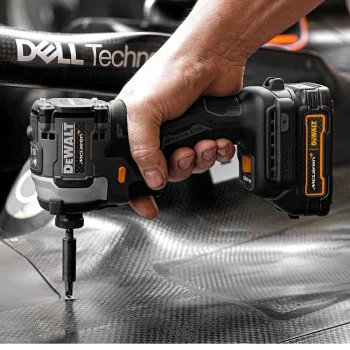
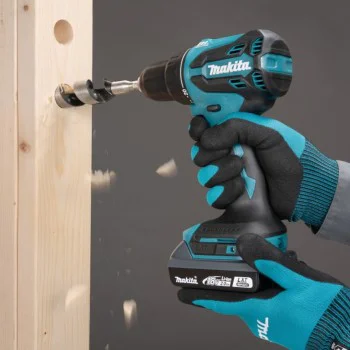
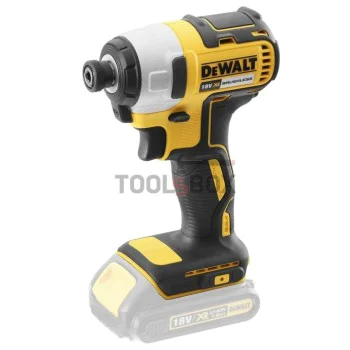
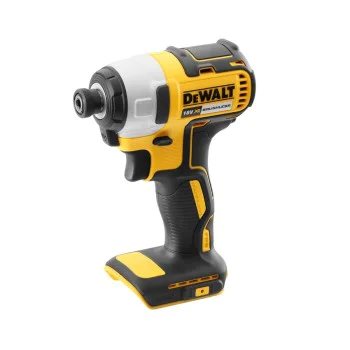
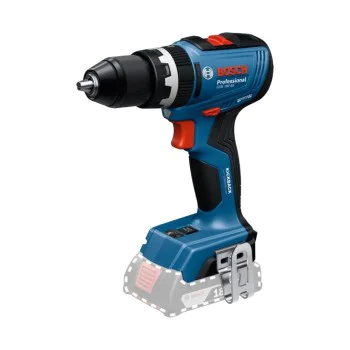
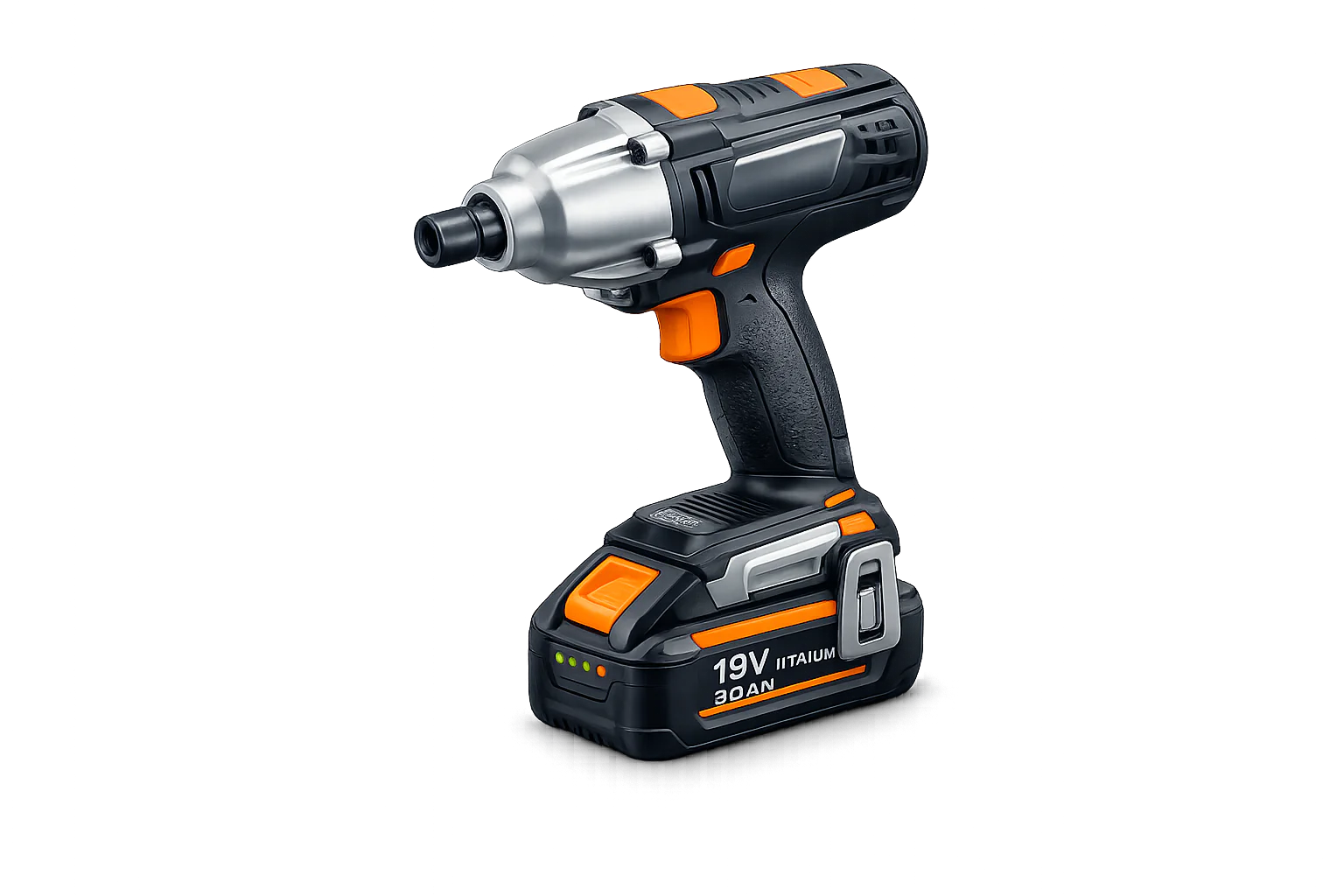
Impact drivers are used for quickly driving long screws, working with self-tapping fasteners, and removing tight fasteners during installation, repair, and construction work. These tools combine rotational motion with an impact mechanism in the direction of rotation, which helps overcome resistance in wood, metal profiles, and prefabricated structures. Unlike a standard screwdriver, the impact model puts less strain on the hand during heavy-duty tightening and maintains more stable control over the fastener.
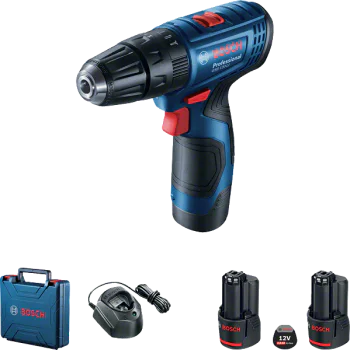
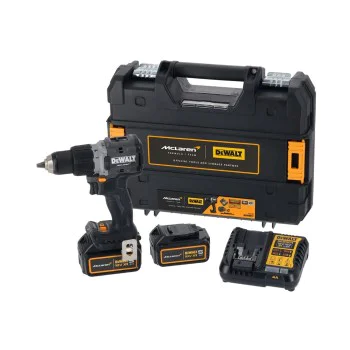
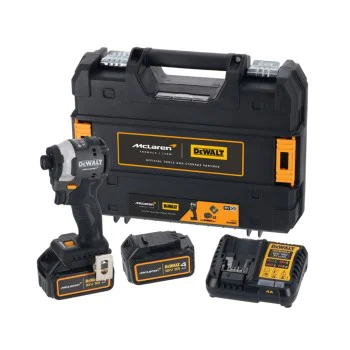
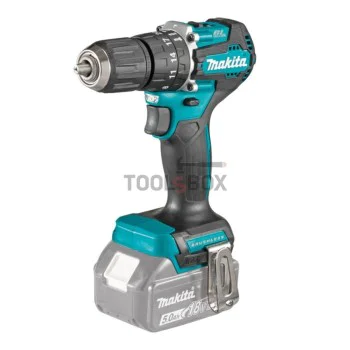
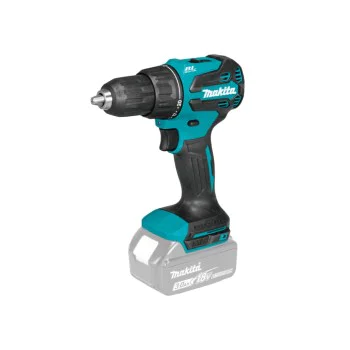
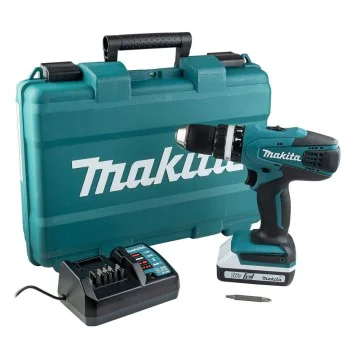
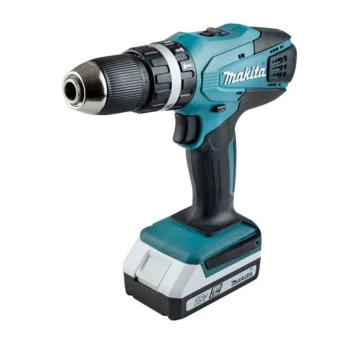
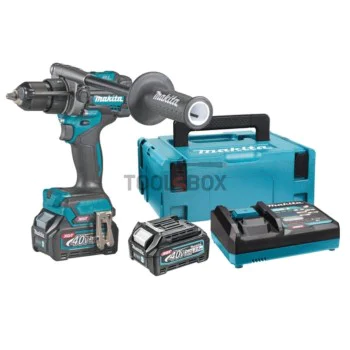
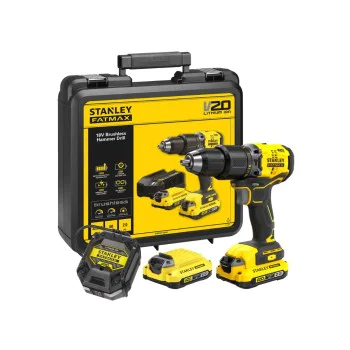
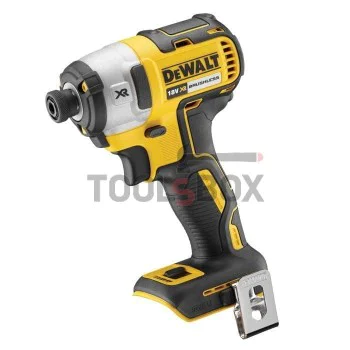
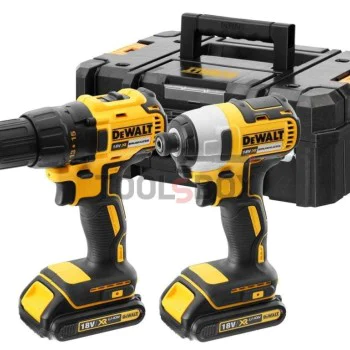
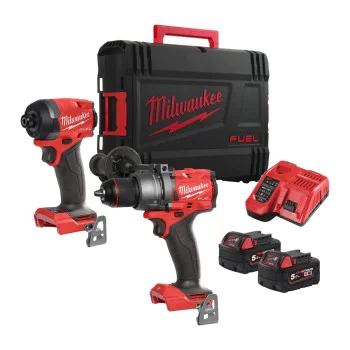
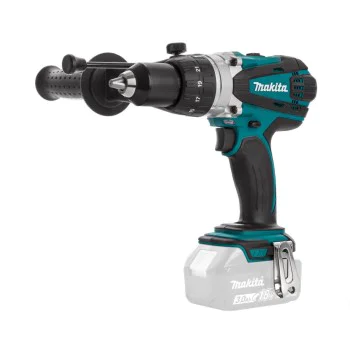
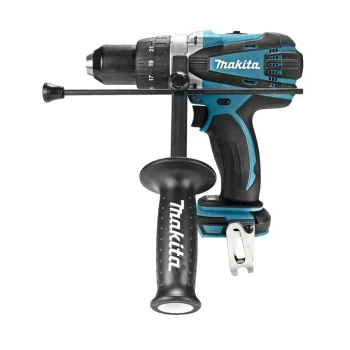
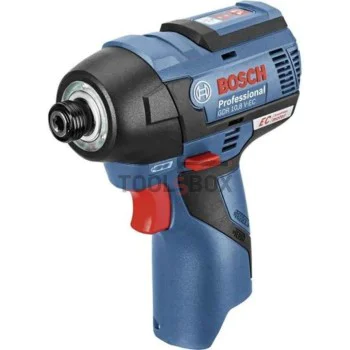
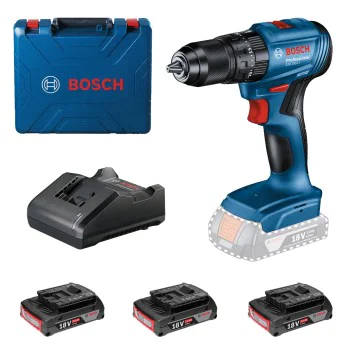
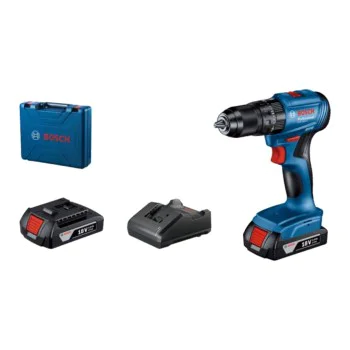
The range includes compact and more powerful machines for professional use, repair work, and home workshop equipment. Options include standalone models without a battery or charger, kits with batteries, models with varying torque levels, LED lighting, reverse, and electronic speed control. Thus, the tool is selected based on the frequency of use, the type of fasteners, and the available battery system.
Where impact drivers are used
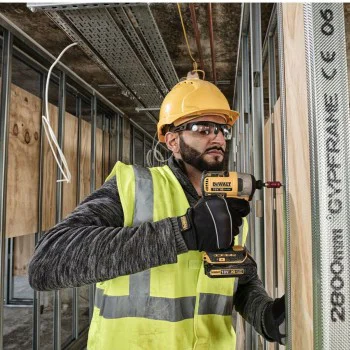
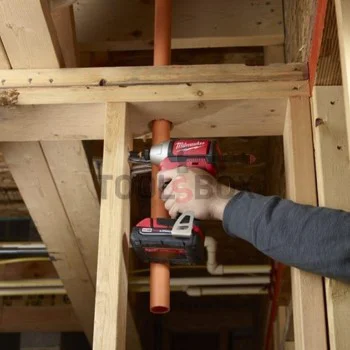
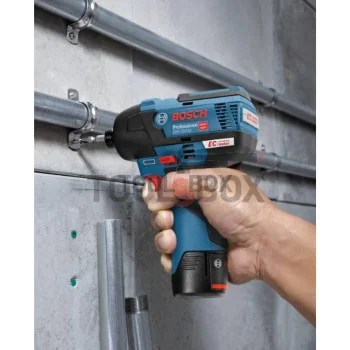
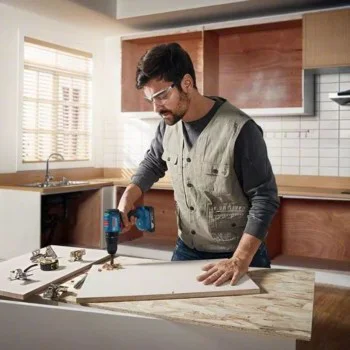
The impact driver is a valuable tool for building wooden structures, installing metal profiles, installing siding, assembling shelving, and repairing fences, sheds, decks, and other elements secured with screws or bolts. For construction and installation teams, the tool speeds up repetitive tasks, and for home use, it helps with heavier-duty jobs that a standard screwdriver struggles with.
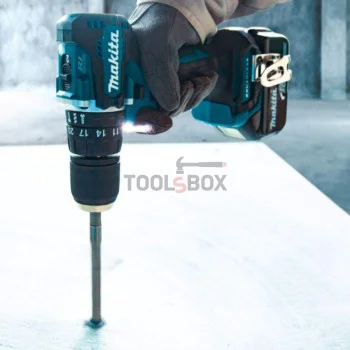
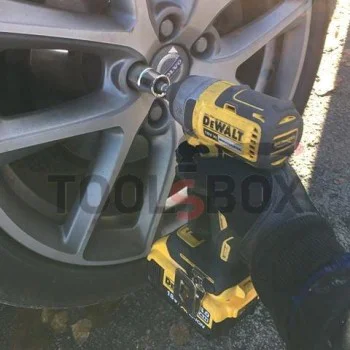
When working with wood, the impact mechanism helps drive long screws without requiring significant initial force. With metal profiles and sheet metal, the tool handles self-tapping screws well, provided the correct bit and appropriate speed are used. In a service setting, the impact driver is convenient for lighter bolted joints and removing fasteners, but for car wheels and heavy-duty bolting, a square-drive impact wrench is a more practical choice.
Differences Between Models
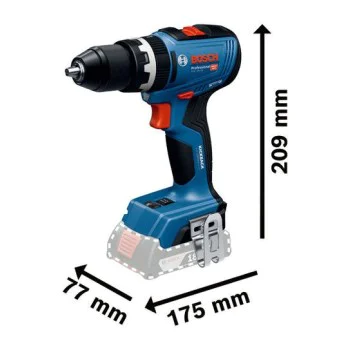
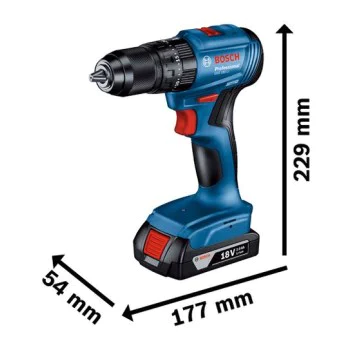
Impact drivers differ in torque, drive type, RPM, power source, weight, and control. More compact models are convenient for overhead work, in tight spaces, and when installing furniture, profiles, or accessories. More powerful models are preferred for long screws, harder materials, and extended work on a job site.
- Torque-a higher setting helps with long fasteners and harder materials, while a lower setting protects more delicate joints.
- RPM and impact rate-better speed control makes it easier to start the screw and reduces the risk of stripping the head.
- Chuck - many impact drivers use 1/4" hex bits, which are quick to change and hold securely under impact loads.
- Power source-cordless models offer freedom on the job site, and the choice of battery voltage and capacity affects power, weight, and runtime.
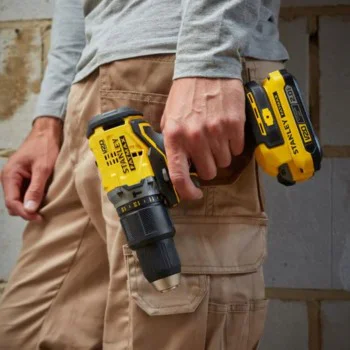
- Ergonomics-a well-balanced tool, rubberized grip, and low weight reduce fatigue during continuous use.
How to choose an impact driver
For installation tasks involving many fasteners, look for a tool with precise speed control and multiple operating modes. This provides better control when working with different screws and materials. For construction tasks involving long screws in wood, higher torque and a battery with sufficient capacity are required. For working in tight spaces, a short body, low weight, and good work area lighting are advantageous.
Compatibility with batteries you already own is a practical consideration. When using a cordless platform from a single brand, the standalone tool reduces the need for additional chargers and batteries. If you're starting a new set of tools, a kit with a battery and charger is a convenient way to get started for a workshop, installation team, or property maintenance.
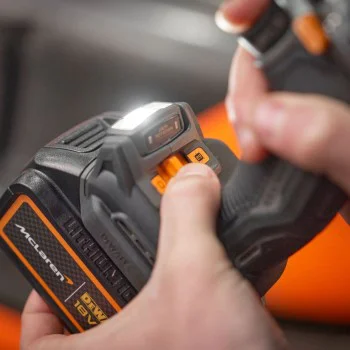
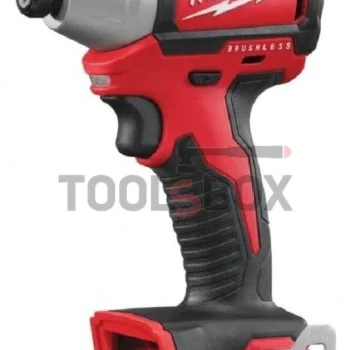
Also pay attention to the machine's electronics. Impact control modes, soft start, overload protection, and a charge indicator improve performance during heavy use. A brushless motor is preferred for more frequent use because it reduces brush wear and helps extend runtime on a single charge.
Bits, Sockets, and Compatibility
The right bit is just as important as the tool itself. Impact screwdrivers require impact-resistant bits, adapters, and holders designed for higher loads. Standard bits wear out quickly or break when used with an impact mechanism. For screws with Torx, Phillips, Pozidriv, or hex heads, select the correct profile and size to avoid damaging the fastener.
Magnetic holders and extensions are useful for driving screws deeper into wood. For bolts and nuts, adapters for sockets are used, but the tool does not replace an impact wrench in heavy-duty applications. For metal structures, check the screw size, material thickness, and the fastener manufacturer's recommendations to ensure a stable connection without overtightening.
Safe Operation and Maintenance
Impact drivers generate high torque in a short time, so a secure grip and the correct bit are crucial for clean work. Wear safety goggles when driving screws into metal, wood, or old structures where there is a risk of chips and flying debris. When working overhead, use bits with a secure grip, and when driving fasteners in succession, take short breaks to prevent the bit and fastener from overheating.
Maintenance is easy but should not be neglected. Clean the ventilation slots of dust, protect the tool from moisture and heavy impacts, and store the batteries according to the manufacturer's instructions. Regularly replacing worn bits protects the screw heads and reduces the load on the mechanism. This ensures that the impact driver maintains consistent performance during installation, repair, and construction tasks.
Impact Wrenches for Professional and Home Use
At Toolsbox.bg, you'll find impact drivers for daily installation work, construction repairs, service, maintenance, and home workshops. Compare power, torque, chuck, batteries, weight, and accessories to select a tool that suits your specific tasks and complements your existing tools. When properly paired with impact-resistant bits and precision fasteners, an impact driver saves effort and provides better control during difficult tightening tasks.