


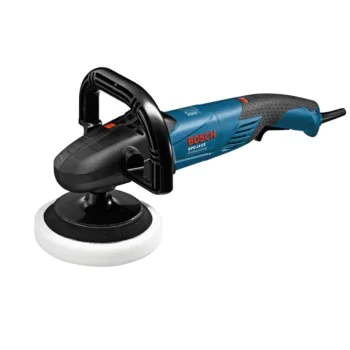
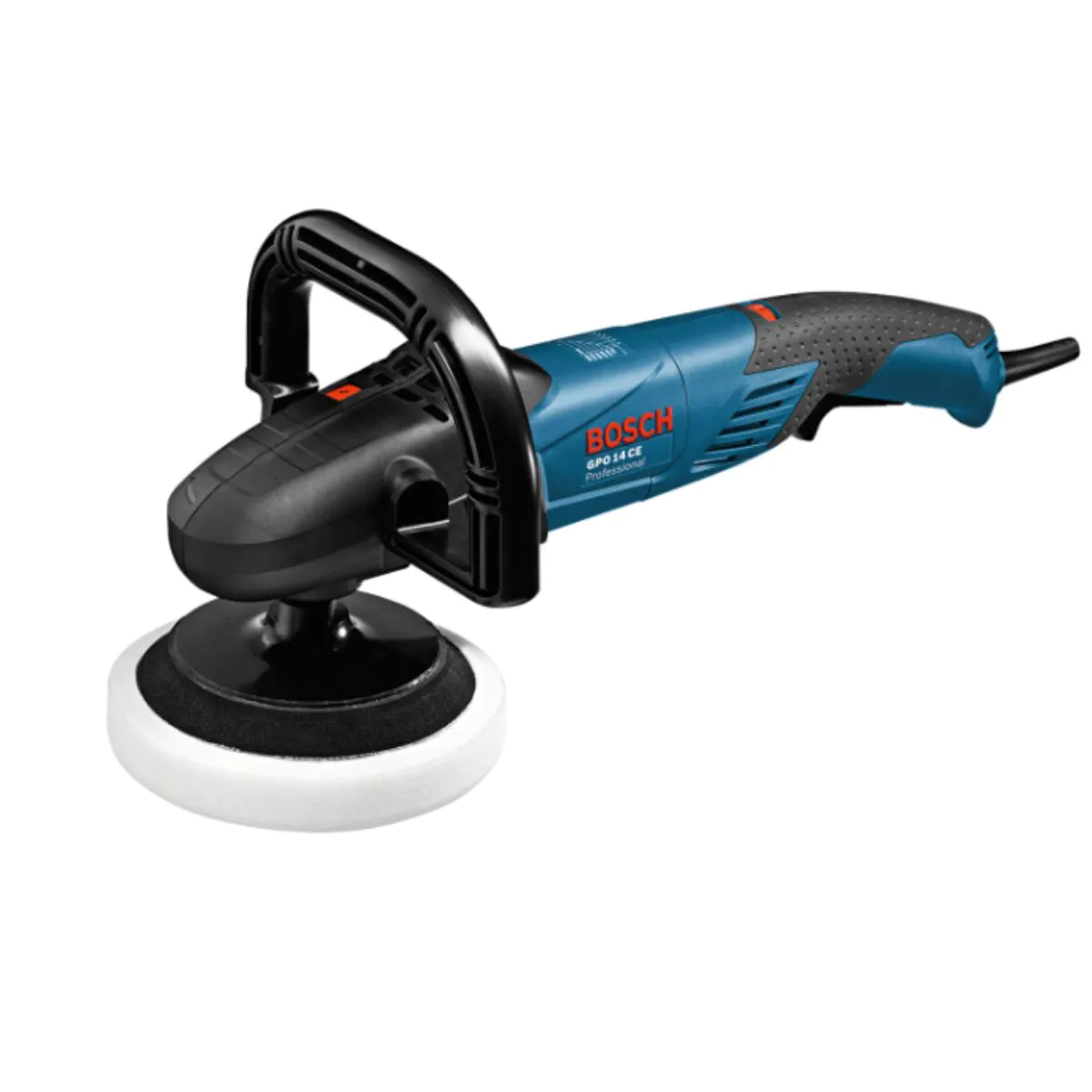
Polishing machine
Polishing machine for a precise finish and surface restoration
A polishing machine is used for smoothing, refreshing, and finishing varnish, paint, metal, wood, stone, plastic, and composite materials. It is useful for automotive detailing, furniture restoration, service work, workshop tasks, and fine finishing operations after sanding. Using the appropriate pad, sponge, wool pad, or polishing compound achieves various results-removing light scratches, restoring shine, applying wax, preparing parts, or fine smoothing before handing over the finished work.
A well-chosen polishing machine saves time and delivers a more uniform result compared to manual processing. The differences between individual models relate to the type of motion, power, speed, disc diameter, grip, weight, ergonomics, and compatible accessories. For smaller parts, better control is needed, while for large surfaces, consistent speed and comfort during prolonged use are key.
Where are polishing machines used?
Polishing machines are used in auto repair shops, detailing studios, paint shops, furniture workshops, metal workshops, and the garages of discerning DIY enthusiasts. For cars, they are used on paintwork, headlights, rims, decorative elements, and parts after repainting. For wood and furniture, they are used for the fine finishing of varnish, oil, or wax. For metal parts, they help achieve a smooth, glossy surface after preliminary preparation.
For professional use, models with stable RPM under load, a comfortable grip, speed control, and good compatibility with various pads are sought after. For home use, compact machines, easy operation, and the ability to work with popular accessory sizes are valued.
Types of polishing machines based on motion
The rotary polisher operates with a rotational motion and is preferred for more serious paint correction, oxidation removal, and processing of hard surfaces. It requires good control over pressure, speed, and movement across the surface, as it concentrates more energy in the contact area.
The eccentric polishing machine combines rotation and orbital motion. This type is suitable for even application of polishes, fine correction, finishing, and maintenance polishing. The orbital motion reduces the risk of streaks, holograms, and paint overheating, making it a good choice for more delicate tasks.
Cordless models offer freedom when working around a car, boat, furniture, or objects without convenient access to an outlet. Corded models are preferred for extended operations when constant power is needed for long work cycles.
| Machine Type | Nature of work | Typical tasks |
|---|---|---|
| Rotary | Intense rotary motion | Finishing of lacquer, metal, and hard coatings |
| Eccentric | Orbital motion with more even contact | Finishing, waxing, maintenance, detailing |
| Cordless | Free movement without a power cord | Mobile work, small areas, hard-to-reach spots |
How to choose a polishing machine
When choosing a polishing machine, consider the material being processed, the size of the area, and the desired result. For large hoods, doors, countertops, and panels, a larger pad diameter is more practical. For bumpers, sills, edges, headlights, and tight spaces, compact models with a smaller working area are more convenient. Speed control is valuable because different polishes, pads, and coatings require different operating speeds.
Power affects performance under load. More powerful machines maintain their pace on harder surfaces and when working with more aggressive consumables. The weight and shape of the body are important for control, especially on vertical panels and during extended sessions. A comfortable handle, smooth start, and easy accessory changes reduce fatigue and make the work more precise.
Accessories and consumables for good results
Every polishing machine works best with properly selected pads, sponges, backing pads, wool pads, microfiber discs, and polishing compounds. Harder sponges are for more serious correction, medium ones are for intermediate processing, and soft ones are used for finishing and applying protective products. The Velcro grip, disc diameter, and spindle thread must match the selected accessories.
When working with lacquer finishes, it is best to work on a clean surface and use an appropriate amount of compound. A dirty pad or an unsuitable disc leaves marks and slows down the work. For metal and wood, proper preparation is key-fine sanding, dust removal, and the correct sequence of abrasives and polishing compounds.
Safety and Maintenance
A polishing machine requires a steady grip and even movement across the surface. Excessive pressure raises the temperature and strains the motor. Always wear safety goggles, keep the cord away from rotating parts, and prevent the pads from coming into uncontrolled contact with sharp edges. After use, clean the ventilation openings, pads, and housing of dust and paste residue.
For professional use, a polishing machine with a durable housing, adjustable speed, and compatibility with various sizes of consumables makes daily tasks easier. For garage maintenance, a more compact model with convenient controls and standard accessories is sufficient. Browse the offerings at Toolsbox.bg and select a polishing machine based on the material, frequency of use, and desired finish.