
Silicone grease
Silicone grease for lubrication, protection, and maintenance
Silicone grease is a practical lubricant for parts that are subject to friction, moisture, dust, or periodic stress. It forms a thin protective layer on the surface and supports the smooth movement of seals, guides, sliders, hinges, joints, and small mechanisms. Unlike many mineral oils, the silicone base is gentle on a variety of rubber and plastic components when compatibility is specified by the manufacturer. That is why silicone grease is essential in service shops, workshops, garages, installation work, and equipment maintenance.
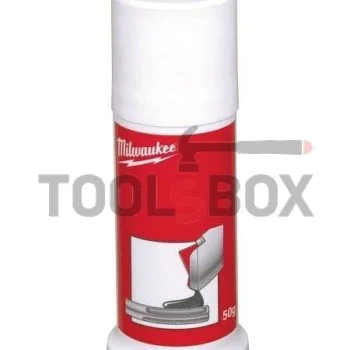
Toolsbox.bg offers options for various tasks-from small tubes for precision work to larger sizes for regular professional use. The grease is applied locally, adheres well to the treated area, and reduces wear when used correctly. It is valuable for repairs, preventive maintenance of machines and tools, as well as for servicing components exposed to water or temperature changes.
Where is silicone grease used?
Silicone grease is used on rubber seals, O-rings, valves, fittings, slide rails, rollers, covers, mechanical guides, and assemblies under moderate loads. In automotive maintenance, it is applied to door seals, covers, cable glands, and components where protection against sticking and drying out is needed. In the home and workshop, it is useful for minor repairs of plumbing connections, furniture with sliding parts, locking mechanisms, and equipment that is serviced periodically.
For power tools, hand tools, and machinery, silicone grease should only be used where the tool or component specifications permit it. For high-load gearboxes, high-speed bearings, or assemblies with specific requirements for lithium, graphite, or other lubricants, a material with the appropriate composition is required. This protects the components and prevents unwanted mixing of different lubricants.
Main Types and Packages
When selecting silicone grease, pay attention to the packaging format. Small tubes are convenient for precise application and repairing individual components. Cans and larger containers are practical for service teams and workshops where the grease is used regularly. Some products have a thicker consistency for better adhesion to vertical surfaces, while others are lighter and spread easily over small seals and fine joints.
| Criterion | Practical significance |
|---|---|
| Packaging | Small tube for a single repair or a larger package for service work |
| Consistency | Thicker grease for retention, softer grease for fine distribution |
| Material of the part | Rubber, plastic, metal, or composite assemblies as indicated on the label |
| Operating environment | Moisture, dust, temperature fluctuations, or intermittent motion |
How to choose the right silicone grease
Selection starts with the work environment. For seals and O-rings, look for a grease labeled as rubber-compatible. For plastic sliders and small mechanisms, check that the formulation does not adversely affect the material. For contact with water or outdoor use, look for options with good resistance to washout. For parts near electrical connections, refer to the manufacturer's data on electrical insulation properties.
Do not apply silicone grease in excessive amounts. A thin, even layer is sufficient to reduce friction and protect the surface. Before application, clean the part of old grease, dust, and abrasive particles. Mixing with other oils and greases is not recommended because it alters the behavior of the lubricating layer and affects the mechanism's operation.
Compatibility, Safety, and Storage
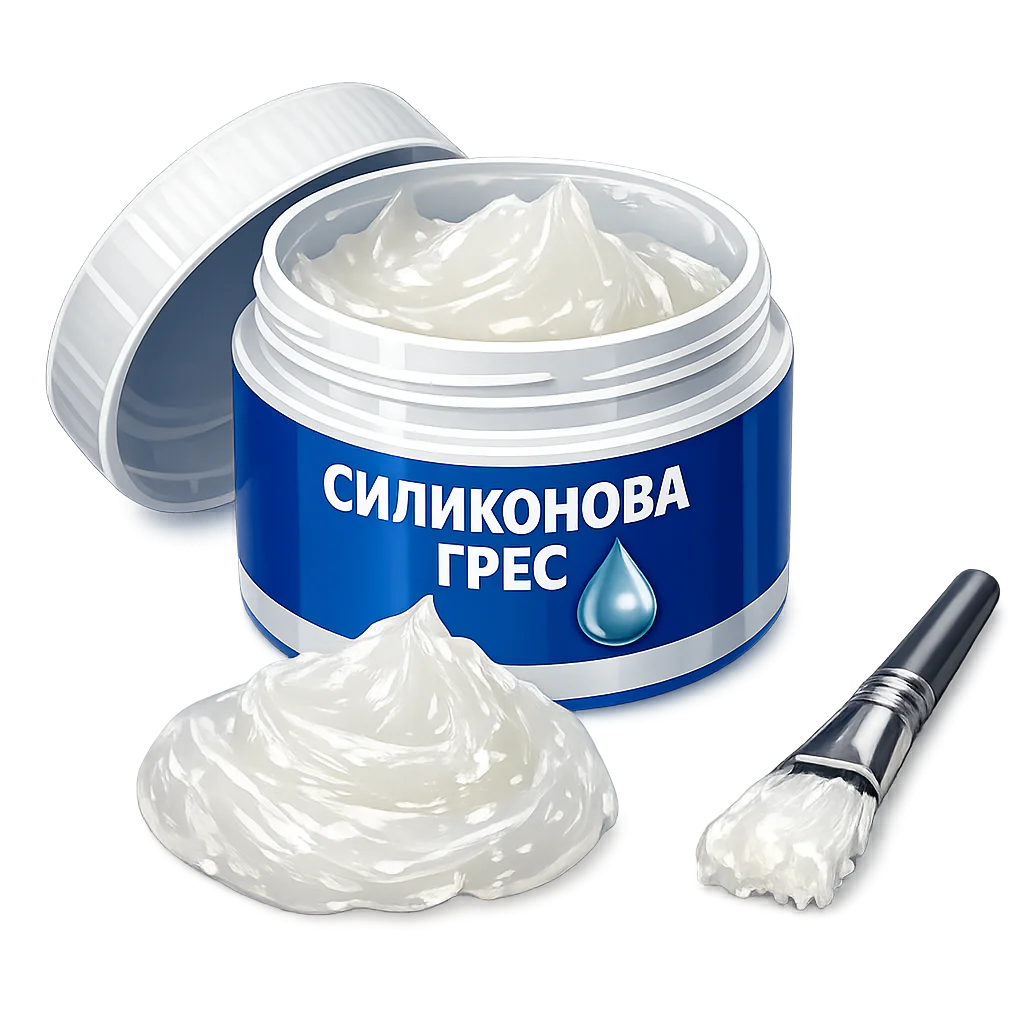
When working with silicone grease, follow the instructions on the packaging and the technical data for the specific product. Take into account the temperature range, contact with water, the type of surface, and the load. When installing seals, prevent contaminants from entering the grease, as solid particles accelerate wear. Apply with a clean tool, brush, spatula, or directly from the tube depending on the packaging type.
Store the sealant tightly closed, away from direct sunlight and sources of contamination. This preserves the consistency longer and keeps the material ready for the next maintenance. For professional use, it is advisable to keep different sizes on hand-a small one for on-site installation and a larger one for a workbench or service area.
Silicone grease for service, workshops, and home maintenance
Silicone grease is a small consumable with great importance for smooth movement, seal protection, and extending the service life of many components. It is useful for installation, repair, and maintenance of tools, machines, plumbing connections, automotive parts, and various equipment. Browse the available products on Toolsbox.bg and select the size and formulation based on the specific task, the material of the component, and the operating conditions.