
Gas cylinder
Gas cylinder for household, camping, and industrial use
A gas cylinder is a practical container for storing and transporting liquefied gas, which is needed for cooking, heating, camping, repair work, and operating gas-powered equipment. It powers gas stoves, heaters, burners, camping equipment, soldering irons, heaters, and other devices that require an autonomous energy source. With the right capacity, a compatible valve, and the correct accessories, a gas cylinder provides convenience at home, at the cottage, on a construction site, in a workshop, garage, or camping area.
This section features models for various loads and applications-from compact cylinders for portable gas equipment to larger containers for extended use. When selecting a cylinder, consider its capacity, the type of gas, the cylinder's construction, the valve type, the connection method to a regulator, hose, or appliance, as well as the conditions under which the cylinder will be transported, stored, and used.
Applications of gas cylinders
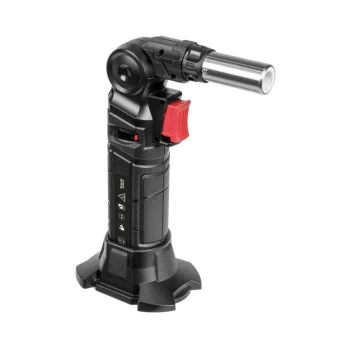
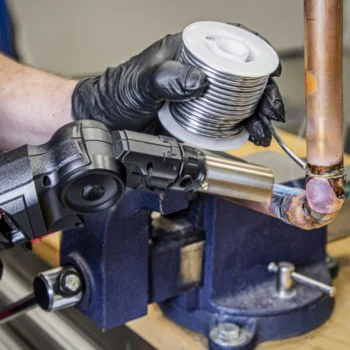
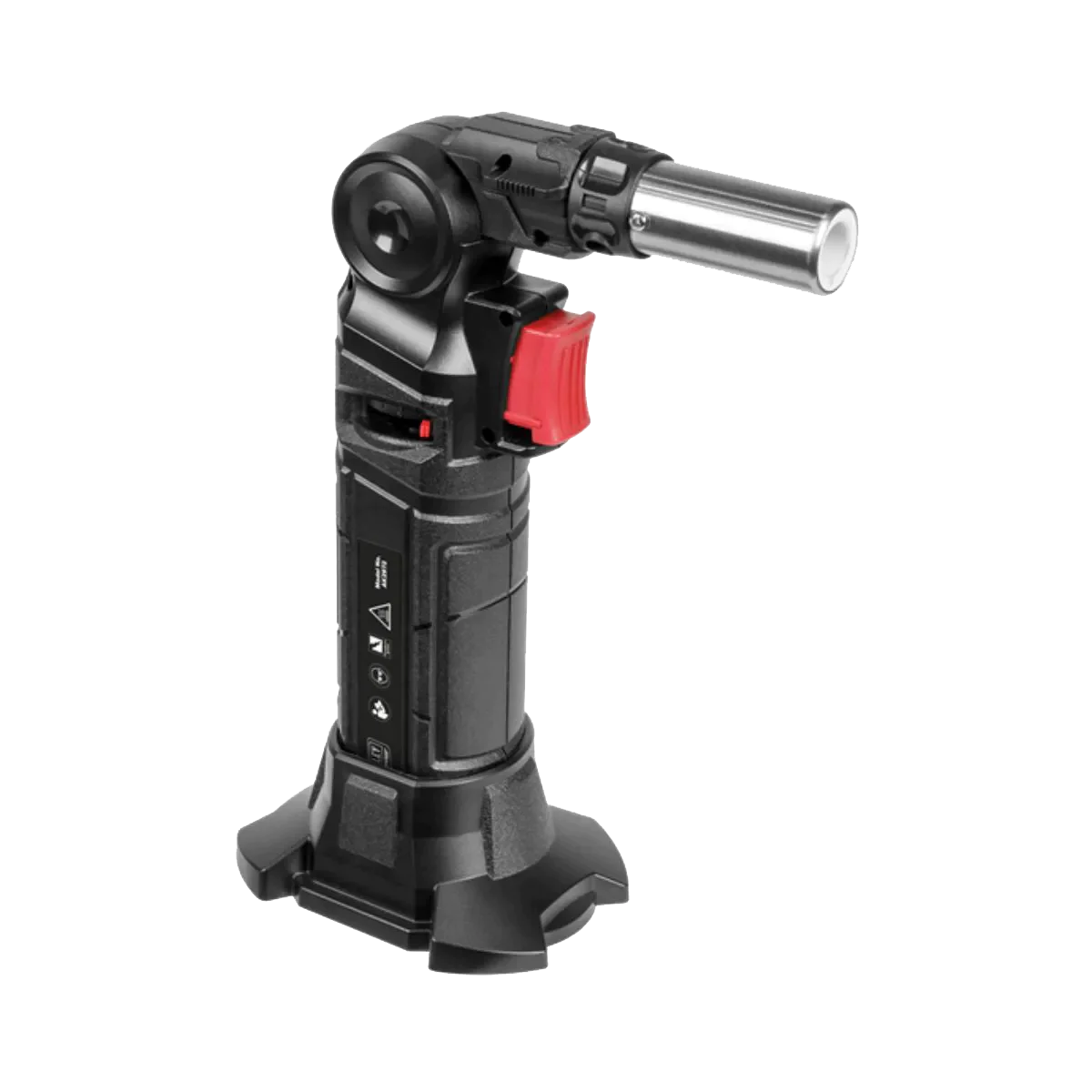
Gas cylinders are the preferred solution where an electrical power supply is unavailable or impractical. In household use, they are connected to gas stoves, barbecues, outdoor heaters, and heating appliances. For camping and fishing, compact models save space and allow for easy transport. During repair and installation work, the cylinder powers torches for heating, soldering, burning, defrosting, and other operations involving flame and controlled temperature.
For professional use, the cylinder's durability, ease of transport, and compatibility with various accessories are key factors. For home use, the key factors are easy connection, compact size, and compatibility with existing gas appliances. In all cases, the correct configuration with a pressure regulator, hose, and clamps is just as important as the cylinder itself.
Types of gas cylinders and differences between them
Gas cylinders differ in material, capacity, weight, valve type, and intended use. Steel models are common for both household and industrial use, as they are resistant to mechanical stress and are available in a variety of sizes. Smaller cylinders are easy to carry, while larger ones are practical for extended use with heaters, stoves, or burners.
In camping equipment, small cylinders and canisters are used for portable stoves and burners. They are selected primarily based on connection type, size, and compatibility with the specific appliance. For more serious gas equipment, a cylinder with adequate capacity and a secure connection to a pressure-reducing valve is required, which maintains the necessary operating pressure for the appliance.
| Type of gas cylinder | Characteristics | Typical applications |
|---|---|---|
| Compact cylinder | Small volume, low weight, easy to carry | Camping, picnics, short outdoor activities |
| Household gas cylinder | Larger capacity, connection to a pressure regulator | Cooking, heating, barbecue, cottage use |
| Work cylinder for burners | Compatible with hoses, regulators, and burners | Soldering, heating, burning, installation work |
How to choose the right gas cylinder
First, determine the appliance to be powered. Gas stoves, heaters, torches, and camping stoves have different requirements for pressure, connection, and flow rate. Next, select the cylinder capacity. Smaller cylinders are convenient for portable use and short outings, while larger ones reduce the need for frequent refills during longer use.
Valve compatibility is crucial for a safe and stable connection. Check the type of thread or connection, the required pressure regulator, the hose diameter, and the clamps. For high-consumption devices, it is important that the regulator's flow rate and the cylinder's capacity match the workload to prevent a drop in flame or interruption of operation.
- Capacity: Choose based on operating duration and portability needs.
- Gas type: Propane-butane is the most common choice for household appliances, heating, and camping equipment.
- Valve and connection: These must be compatible with the regulator, hose, and specific gas appliance.
- Weight and size: important for frequent moving, transport, and storage.
- Operating environment: For outdoor use, garages, workshops, or construction sites, stability and ease of use are key.
Accessories, compatibility, and safe operation
The gas cylinder works in conjunction with a pressure regulator, gas hose, clamps, seals, and sometimes adapters. These components must be compatible with the appliance and the type of cylinder. The pressure regulator controls the pressure to the appliance, the hose carries the gas, and the clamps ensure a secure connection. Improper connections, worn hoses, or missing seals increase the risk of leaks.
Before use, inspect the cylinder for visible deformations, corrosion, a damaged valve, or signs of impact. Store it upright, away from open flames, intense heat, and poorly ventilated areas. After connecting, check for leaks using a soapy water solution, not a flame. Filling, valve replacement, and service operations should only be performed at authorized locations where the cylinder is serviced according to established procedures.
Gas Cylinder for the Home, Cottage, Workshop, and Construction Site
A properly selected gas cylinder facilitates the use of gas appliances and provides freedom for activities far from the electrical grid. For the home and vacation home, practical models with a convenient capacity for cooking and heating are ideal. For camping, compact, lightweight solutions are preferred. For workshops, service centers, and construction sites, durability, secure connections, and compatibility with burners, hoses, and regulators are of greater importance.
Browse the selection at Toolsbox.bg and choose a gas cylinder that matches your appliance, work environment, and required operating time. This way, your gas equipment will be more convenient to use, easier to transport, and safer for daily use.