
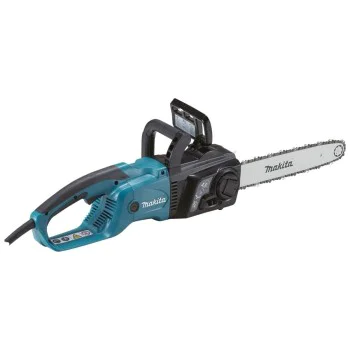
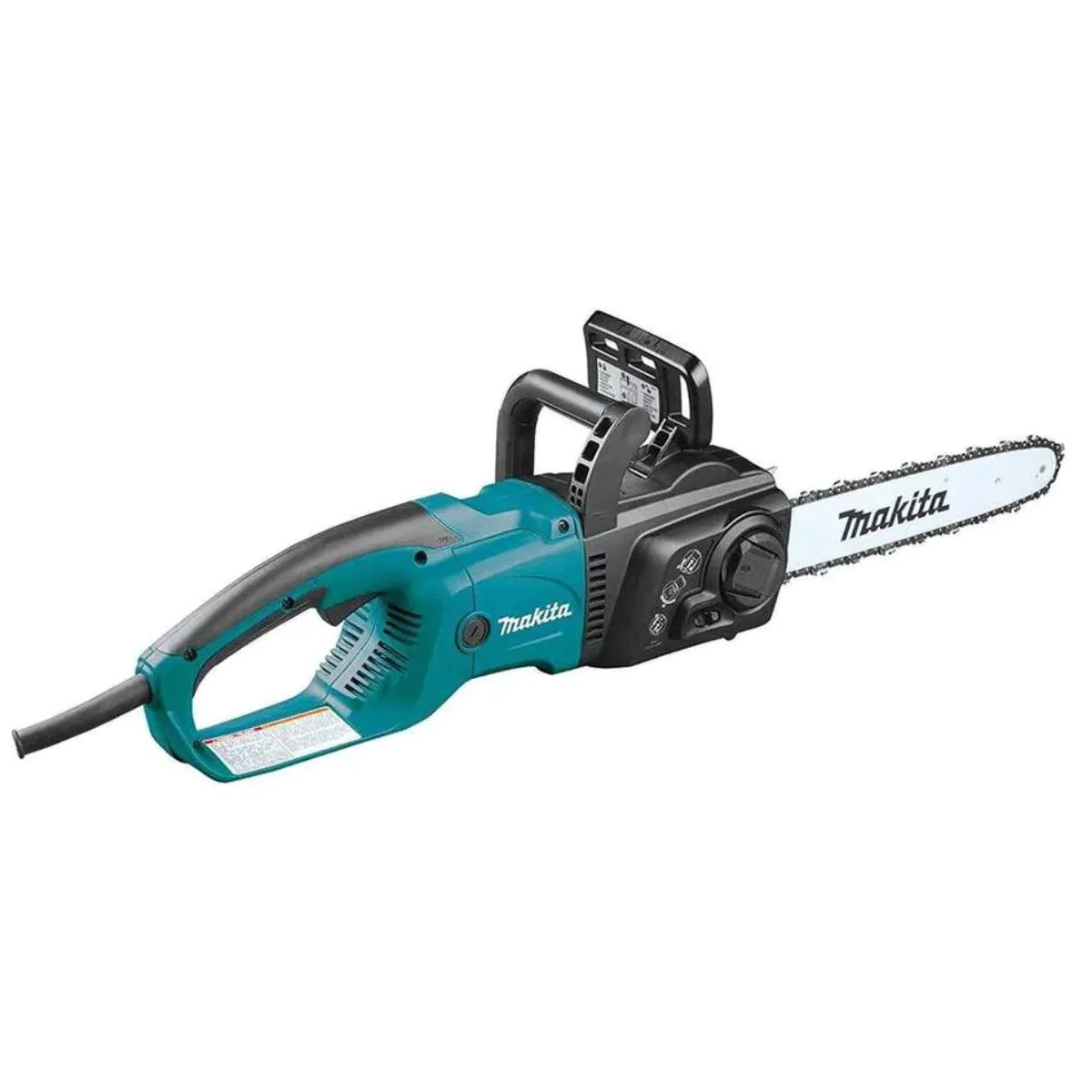
Electric wood cutters
Electric wood saws for clean and controlled cutting
Electric wood splitters are electric chain saws designed for cutting wood, branches, logs, and firewood. They are valued for yard and garden maintenance, preparing firewood, small construction projects, carpentry tasks, and property maintenance. Power from the electrical grid eliminates the need for fuel and makes starting easier, while the lower noise level makes them suitable for use near residential areas.
Electric chainsaws are a type of chainsaw, but they are distinguished by easier maintenance and cleaner operation compared to gasoline-powered models. They are a good choice for users seeking reliable cutting without the need to maintain an internal combustion engine. For professional crews, maintenance technicians, and demanding DIY enthusiasts, the electric chainsaw is a practical tool for tasks where a power source is available and continuous power is required.
Applications of Electric Wood Cutters
Electric wood saws are used for pruning fruit and ornamental trees, cutting dry branches, cutting beams, preparing firewood, and trimming shrubs with thicker stems. In repair and construction, they assist in processing wooden elements, pallets, formwork boards, and other solid wood materials. In a workshop or service center, they can be used for preliminary cutting before detailed processing with other machines.
These types of power tools are particularly convenient for repetitive cuts near a house, garage, shed, or outbuilding. The absence of exhaust fumes improves comfort when working outdoors and in well-ventilated indoor areas where a gas-powered saw is not suitable. For larger logs and intensive cutting, choose a model with higher power and a longer bar, while for branches and light tasks, the more compact machine offers better control.
Differences between individual models
Electric chainsaws differ in motor power, bar length, chain speed, weight, motor placement, and chain tensioning method. More powerful machines handle hard and thick wood more confidently, but are usually heavier. Lighter models are comfortable for working above waist level, for pruning, and for tasks requiring frequent changes in position.
The length of the bar directly affects the maximum cutting diameter. A short bar offers better maneuverability, while a longer one allows for processing larger logs. Chain speed is related to cutting speed and the cleanliness of the cut. Machines with keyless tensioning make adjustment easier with frequent use, while classic tool-based tensioning is a familiar and reliable solution for users who prefer standard mechanical adjustment.
| Criterion | Practical significance |
|---|---|
| Power | Affects performance when working with hardwood, logs, and during prolonged use. |
| Bar length | Determines ease of use with branches, beams, and logs of varying diameters. |
| Weight and balance | Important for control, hand fatigue, and safe operation of the machine. |
| Chain tension | Facilitates adjustment and maintenance during operation. |
| Chain lubrication | Reduces wear on the guide bar and chain during regular cutting. |
Selection based on the task and working environment
When choosing an electric chainsaw, consider the thickness of the material, the frequency of use, and the available power supply. For yard maintenance, seasonal pruning, and preparing small amounts of firewood, a lighter machine with a comfortable handle is sufficient. For larger volumes, thicker logs, and hardwood, it is advisable to opt for a more powerful model with a sturdy guide bar and a well-balanced body.
The cable and extension cord deserve attention when working outdoors. You need cables with the appropriate gauge and protection, suited to the machine's power and the distance to the outlet. Cutting with an extension cord that is too long or too thin can strain the motor and reduce performance. When working in a garden, it is helpful to keep the cable out of the cutting path and to ensure the area around the operator is clear of branches and obstacles.
Chains, Bars, and Maintenance
Electric chainsaws operate with a chain and bar that require regular care. A sharp chain cuts faster, reduces the load on the motor, and produces a cleaner cut. A dull chain produces dust instead of large chips, increased vibrations, and requires more force when cutting. Maintenance includes sharpening, proper tensioning, checking the oil level, and cleaning the area around the drive sprocket.
When purchasing, check the chain's compatibility with the bar: length, pitch, guide tooth width, and number of links. An incorrectly selected chain can reduce cutting stability and accelerate wear. Chain oil is a consumable that should not be replaced with unsuitable fluids, as lubrication protects the bar, chain, and drive components.
Safe Operation of an Electric Chainsaw
Working with electric chainsaws requires safety goggles, gloves, sturdy shoes, and clothing that won't get caught in the machine. The chain brake, hand guard, and stable front handle are important control elements. Hold the machine with both hands, and avoid cutting with the tip of the bar to reduce the risk of kickback.
Before starting, ensure the chain is properly tensioned, the bar is clean, and the oil reservoir has sufficient lubricant. During prolonged use, take breaks to let the motor cool down and inspect the chain. After finishing, clean the machine of wood chips and resin, and store the bar in a protective cover.
Electric chainsaws at Toolsbox.bg
The electric chainsaws at Toolsbox.bg are selected for various tasks in the yard, garden, workshop, and during repair work. You can compare models by power, bar length, weight, ease of tensioning, and required consumables. Browse the available options and choose a machine that suits the scope of work, type of wood, and power supply conditions.