

Stands
Stands for auto repair shops, garages, and workshops
Car service stands are used to securely support, secure, or position a vehicle, engine, tool, or individual part during repairs, installation, and maintenance. They are part of the equipment that makes work more organized and safer when performing oil changes, suspension maintenance, engine removal, transmission work, or preparing components for painting and welding. Choosing the right model facilitates access to the work area, reduces unnecessary strain on the technician, and helps ensure more precise task execution.
The section on service equipment stands includes various solutions for supporting raised vehicles, securing engines, working on transmissions, storing tires, holding parts, and performing auxiliary operations in the workshop. The models differ in load capacity, working height, locking type, construction, material, mobility, and mounting method. This allows every service center, garage, or technical area to choose based on the actual type of work, available space, and the machines and tools used.
Application of stands in the auto repair shop
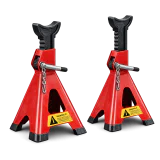
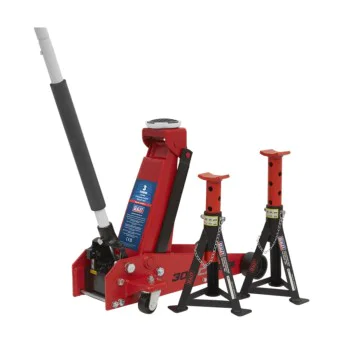
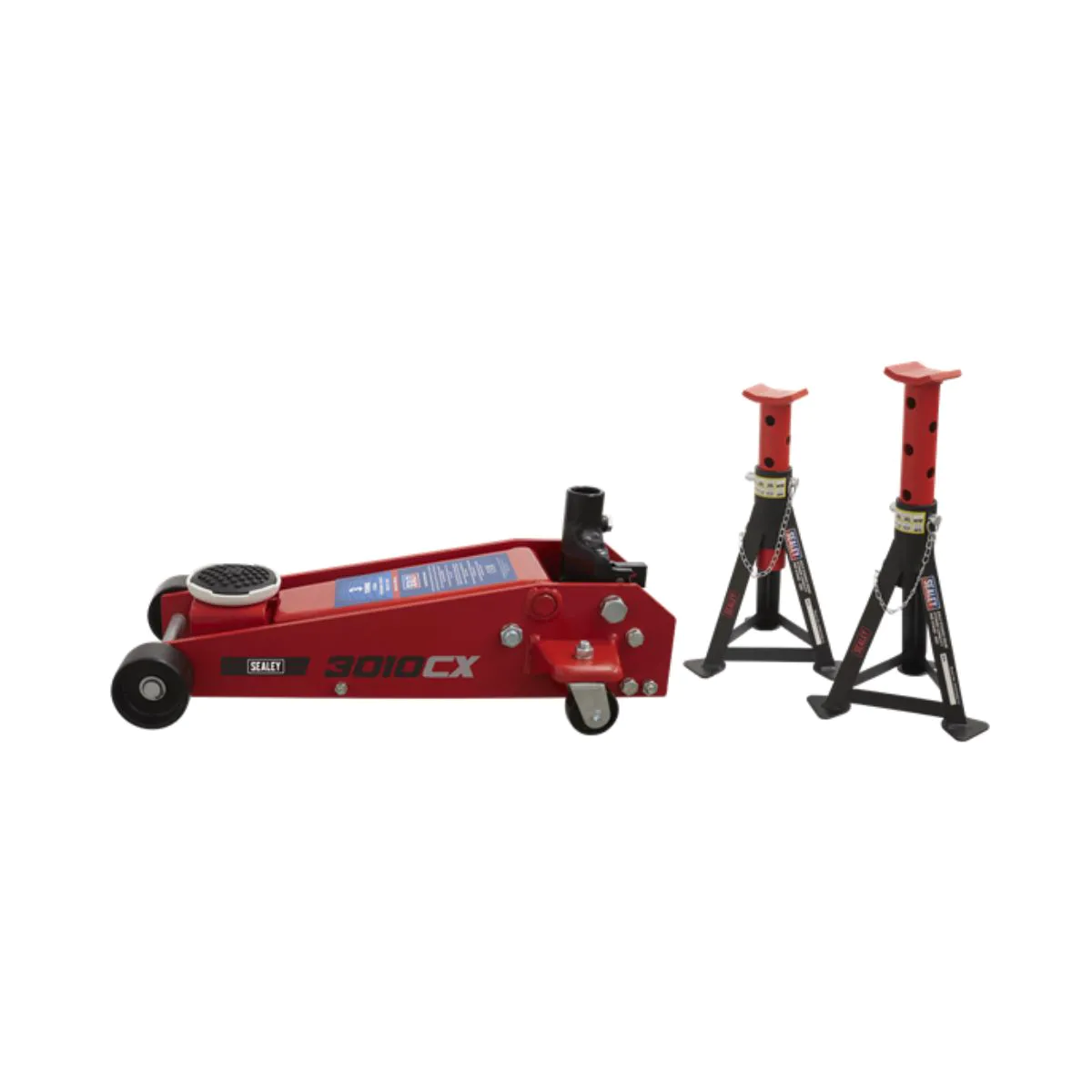
Car repair work requires a secure support for raised vehicles and a stable position for heavy components. Car stands are used for additional safety after lifting with a jack or lifting equipment. They do not replace the proper lifting procedure but serve as a stable support point when working under the vehicle or around the chassis.
Engine stands allow the engine to be secured outside the vehicle, which facilitates disassembly, inspection, repair, and installation of components. When working with transmissions, differentials, and other heavy assemblies, models with adjustable height and a support that holds the part in a controlled position are used. For painting, bodywork, and assembly tasks, work stands are needed to keep parts such as bumpers, doors, fenders, or panels stable during processing.
- For chassis repairs-supports with sufficient load-bearing capacity and reliable mechanical locking.
- For engine servicing-rotating or fixed solutions with mounting points on the engine block.
- For transmissions and assemblies-models with adjustable height, a wide base, and smooth positioning.
- For parts and bodywork-folding or stationary work stands for sanding, painting, and assembly.
- For storage-racks for tires, rims, tools, or service accessories.
Types of stands and differences between them
Different stands serve different purposes in the workshop. Some are designed to bear heavy static loads, others for precise positioning of an assembly, and still others for organizing consumables and accessories. Differences in design are not merely a matter of convenience but affect stability, safety, and work speed.
| Type | Purpose | What to Consider |
|---|---|---|
| Car jack stands | Supporting a vehicle after lifting | Load capacity, height range, support head shape, locking mechanism |
| Engine stands | Securing the engine during removal, repair, and assembly | Maximum load capacity, head rotation, mounting holes, frame stability |
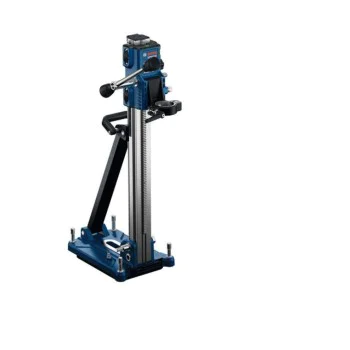
| Transmission stands | Positioning of gearboxes and heavy assemblies | Lifting stroke, drive type, platform size, wheels |
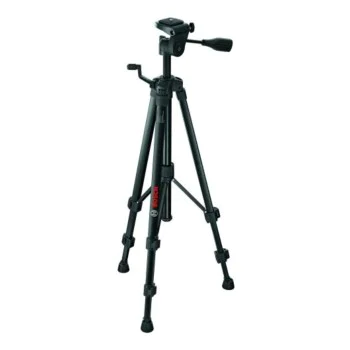
| Work supports for components | Support for body parts, tubes, profiles, and panels | Adjustment, folding, contact surfaces, floor stability |
| Storage racks | Organization of tires, rims, accessories, and tools | Size, capacity, material, portability |
How to choose the right stands
When purchasing stands, first assess the load and the task. For vehicle stands, the load capacity must correspond to the vehicle's weight and the method of operation. For engines and transmissions, consider not only the weight but also the center of gravity, mounting points, and the necessary freedom of movement around the unit. For parts with a large surface area but lower weight, models with a wide base and protective contact elements that safeguard the surface are more convenient.
Size is directly related to convenience. Low-profile solutions are practical for vehicles with low ground clearance, while taller ones provide more working space under the chassis. Adjustable models allow for customization to the specific task, while stationary designs are preferred for repetitive service tasks. For workshops with limited space, folding stands make it easier to tidy up after work is finished.
Material and construction affect durability. Steel designs are preferred for heavy-duty operations, while aluminum is valued when lower weight and easy portability are needed. Welds, base shape, the quality of the locking mechanism, and stability on the floor are parameters that deserve careful inspection even before purchase.
Compatibility, Safety, and Maintenance
The compatibility of stands with a specific job is determined by their dimensions, contact points, and method of attachment. For automotive stands, the head must fit securely into the vehicle's recommended support zones. For engine stands, the mounting brackets must align with the engine block's mounting points, and for transmission stands, the platform must hold the unit securely without lateral slippage.
Safe operation requires a level and sturdy surface, proper load distribution, and regular inspection of mechanical components. Do not work under a vehicle supported only by a jack. Jack stands should be placed symmetrically, without tilting and without lateral stress. For hydraulic models, monitor the condition of the seals, wheels, and lifting mechanism. For mechanical models, inspect the gear racks, pins, locks, and contact surfaces.
Maintaining stands is relatively easy, but should not be neglected. Clean them of oil, dust, and metal shavings, store them in a dry place, and prevent deformation of the frame or support parts. On mobile models, the wheels and bearings should move freely, and on folding designs, the hinges should be checked for play. This ensures the equipment remains ready for daily use.
Stands for professional and home use
Professional service shops operate under heavier loads and require stands that can withstand intensive use, frequent adjustments, and work with various vehicles. For a home garage, the key factors are compact size, easy storage, and sufficient load capacity for a personal car or motorcycle. For both types of users, the choice should be guided by safety, actual capacity, and ease of use.
Browse the jack stands available at Toolsbox.bg and choose a model that fits your service shop, garage, or workshop. Well-organized and properly selected equipment saves time during repairs, simplifies installation, and provides better control over every operation.