
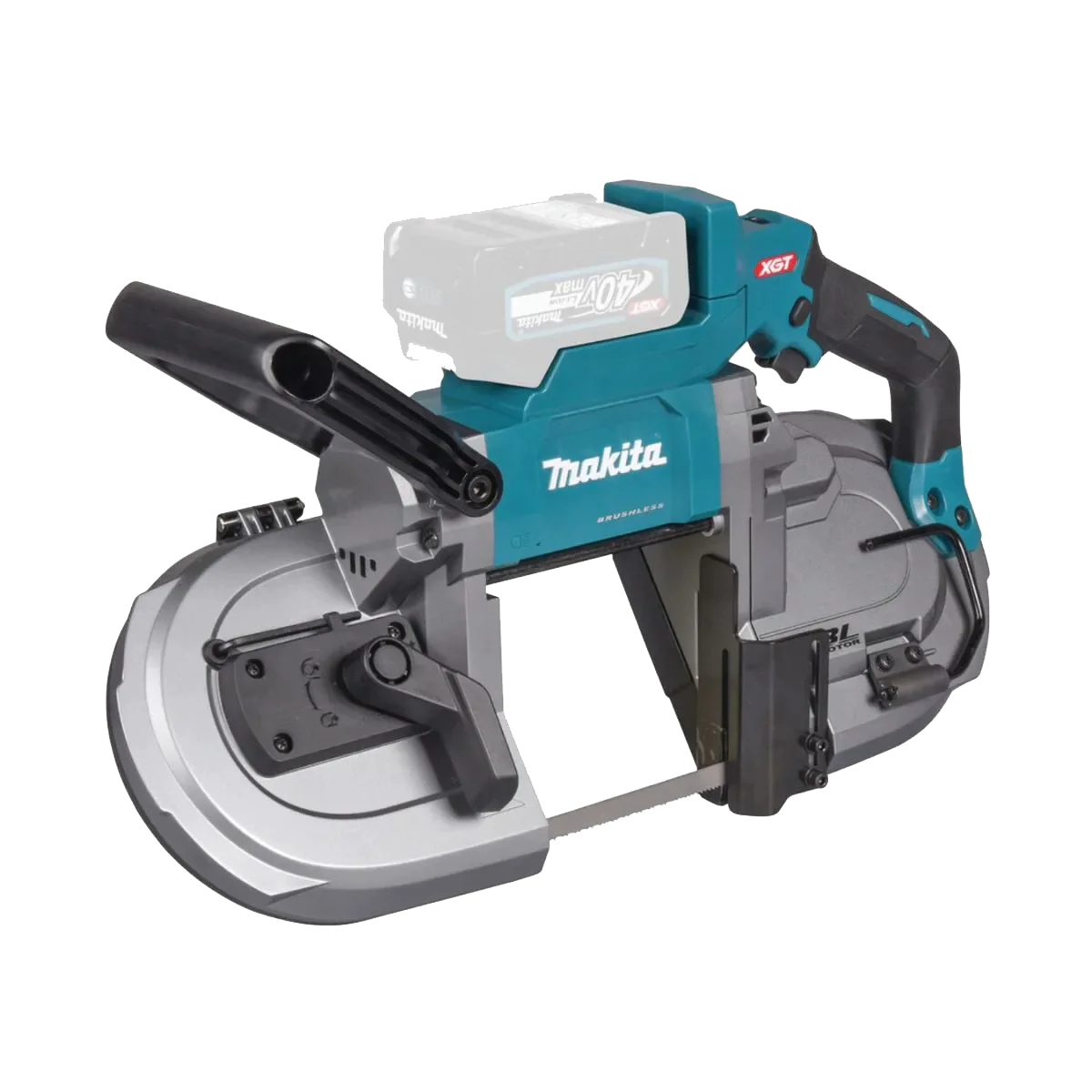
Banzig
Band saw for precision cutting of wood and wood-based panels
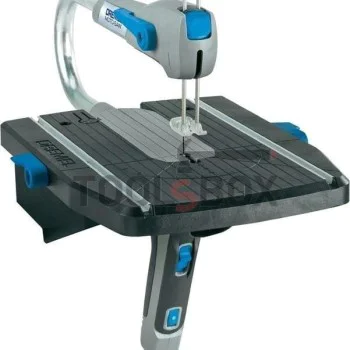
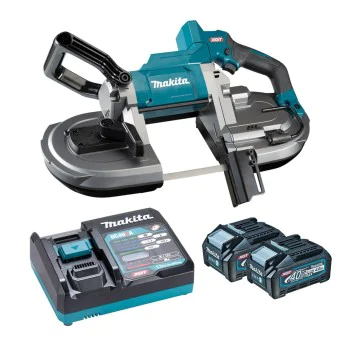
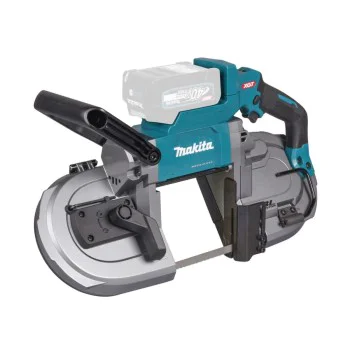
A wood band saw is a stationary woodworking machine for making straight, curved, and longitudinal cuts in solid wood, slats, planks, plywood, MDF, particleboard, and other wood-based materials. The band saw blade moves continuously between two wheels, allowing for smooth cutting with less material loss compared to many other methods. The machine is valuable for furniture makers, carpenters, workshops, installation teams, and discerning DIYers looking for better control when shaping parts.
In the band saw section, you'll find machines with various sizes, power ratings, cutting heights, table widths, and adjustment options. Choosing the right model depends on the type of workpiece, frequency of use, available workshop space, and the required cutting precision. More compact machines are suitable for hobby work, crafting small items, and repair work, while the more powerful models are designed for regular processing of thicker materials and longer workpieces.
What tasks is a band saw used for?
The band saw is used for cutting wood, cutting curves, shaping templates, cutting thin strips, making decorative elements, and preparing workpieces for subsequent planing, routing, or sanding. When working with solid wood, the machine helps achieve a more even cut and better line tracking, without sudden movements of the workpiece.
In furniture manufacturing, the band saw is useful for shaping legs for tables and chairs, curved parts for cabinetry, frames, profiles, and auxiliary templates. In woodworking shops, the machine is often used to prepare non-standard shapes where a circular saw does not provide sufficient freedom of movement. For home use, the band saw facilitates the making of shelves, boxes, decorative panels, toys, wooden blanks, and repair parts.
Differences Between Models
Band saw models differ in several technical parameters that directly affect performance. Motor power influences performance when cutting harder wood and thicker workpieces. The cutting height determines the maximum thickness of the material that passes under the guide. The throat width indicates the distance between the blade and the body, which is important when processing larger surfaces or wide workpieces.
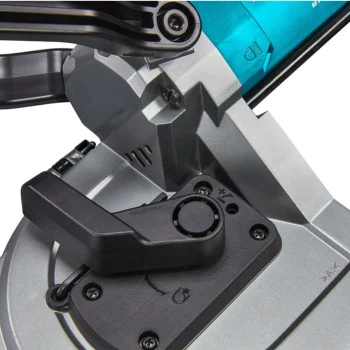
The worktable is also important. A larger, more stable table supports the workpiece better and makes it easier to guide along the markings. Some machines feature a tilting table for angle cuts, a rip fence, an angle stop, or a dust extraction port. These features are useful for making multiple cuts, preparing workpieces of the same width, and working in enclosed spaces where wood dust must be removed in a controlled manner.
Band saw blade and its importance
The cutting blade is the consumable that largely determines the machine's performance. Wide blades are suitable for straight and longitudinal cuts because they maintain a more stable direction. Narrow bands allow for smaller radii and are practical for curved cuts. The number of teeth, their pitch, and their geometry are selected according to the material and the desired cleanliness of the cut.
For rough cutting, bands with larger teeth are preferred, as they remove chips more easily. For fine details, thin panels, and decorative elements, bands with finer teeth are more suitable. When changing the band, it is necessary to ensure the correct dimensions, tooth orientation, and proper tension. This reduces vibrations, improves the cut line, and protects the motor.
How to choose a band saw for your workshop
When choosing a band saw, start with the material you work with most often. For thin strips, panels, and hobby projects, a more compact machine with a comfortable table and easy guide adjustment is sufficient. For solid wood, thicker workpieces, and regular use, it makes more sense to opt for a model with a greater cutting height, a more powerful motor, and a sturdier construction.
- Workpiece size: match the cutting height and throat width to your actual workpieces.
- Cut type: for straight cuts, look for a stable parallel guide, and for curves-good performance with narrow bands.
- Work surface: a wider surface makes it easier to guide flat pieces and long workpieces.
- Dust extraction: The dust extraction port keeps the work area cleaner and provides better visibility of the cutting line.
- Adjustments: Easy adjustment of the guides, tension, and table tilt saves time on various tasks.
For professional use, the stable stand, low vibration, precise guides, and convenient access to the blade are valuable. For home use, the compact size, easy portability, clear settings, and compatibility with readily available cutting blades are important.
Safe Operation and Maintenance
The band saw operates with a moving cutting band, so protective guards, the correct height of the upper guide, and stable feeding of the workpiece are essential for safe operation. The workpiece should be guided smoothly, without excessive pressure, and hands should be kept at a safe distance from the cutting line. For small workpieces, it is advisable to use auxiliary pushing devices.
Regular maintenance includes cleaning away chips and dust, inspecting the band for cracks or dull teeth, adjusting the guides, and checking the tension. A clean work surface, a properly centered band, and a well-adjusted parallel guide improve accuracy and reduce stress on the machine. When storing bands, it is best to keep them dry and protected from impact to prevent deformation.
Band saws from Toolsbox.bg for precise and convenient woodworking
Choosing a band saw is an investment in more precise, organized, and controlled woodworking. Browse the available models at Toolsbox.bg and select a machine based on the size of the workpieces, the type of cuts, the power, and the settings required for your workshop, service center, or home project.