
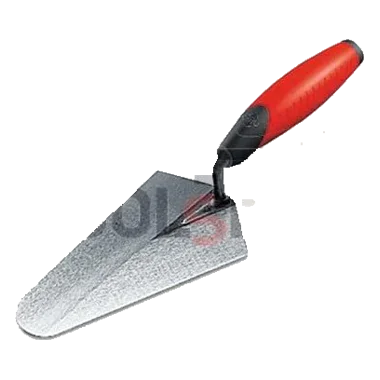
Mistry
Trowel for precision work with construction mixtures
A trowel is a hand tool used for scooping, applying, spreading, and shaping mortar, cement mixtures, adhesives, plasters, and joint compounds. It is an indispensable part of the hand tools used in masonry, repair, finishing, and installation work. A properly selected trowel facilitates control over the amount of material, hand movement, and the final appearance of the treated surface.
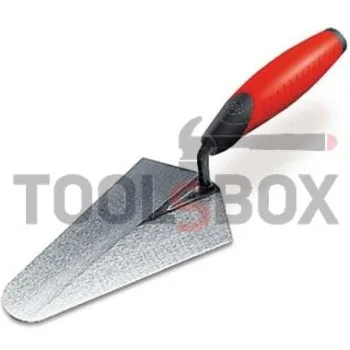
This section features models for various construction tasks-from classic bricklaying with bricks and blocks to minor repairs, filling holes, shaping joints, and applying mortar to small areas. The differences between the individual variants are evident in the size of the working surface, the shape of the blade, the thickness of the steel, the flexibility, and the type of handle. These details directly affect comfort, precision, and the strain on the hand during prolonged use.
Where is a trowel used in construction and renovation
A trowel is used for both rough and finishing operations. When laying bricks, aerated concrete, or concrete blocks, it is used to apply and spread the mortar onto the course. For plastering work, the tool helps transfer material from the bucket to the wall, fill in uneven areas, and shape corners. For home or workshop repairs, a trowel is convenient for local repairs on walls, floors, thresholds, and foundations.
Smaller models are preferred in tight spaces, around pipes, casings, sills, and corners. Medium-sized trowels are practical for daily work with standard amounts of mortar. Larger trowels hold more material and reduce the number of strokes when working on wider areas, but require a more stable grip and experience in portioning.
Differences between the main types
| Type of trowel | Typical use | Practical highlight |
|---|---|---|
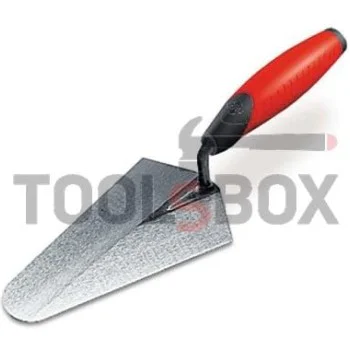
| Masonry trowel | Applying mortar to bricks, blocks, and stone | Sharp or pointed shape for more precise spreading |
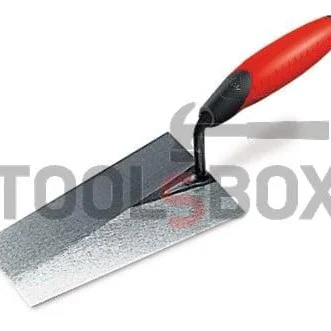
| Plastering trowel | Applying and shaping plaster and repair mixtures | Convenient working surface for transferring material |
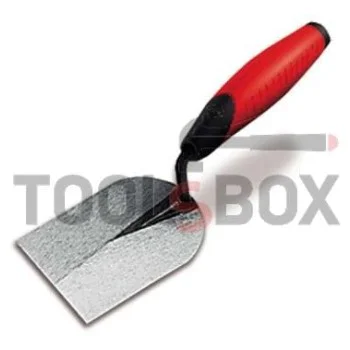
| Narrow trowel | Joints, corners, small repairs, and hard-to-reach areas | Better control for detailed work |
| Wide trowel | Holds a larger amount of mortar | Faster coverage of larger areas |
How to choose the right model
When choosing a trowel, consider several practical criteria. The size should match the type of work and the amount of mortar you'll be working with. For masonry and mortar application, look for a stable blade with sufficient surface area. For repairs, grouting, and tight spaces, a more compact tool offers better maneuverability.
The shape of the working surface also matters. A pointed trowel allows for more precise control of the material and comfortable work between elements. Wider and flatter versions are convenient for scooping and spreading. For tasks involving finer mixtures and finishing operations, the smoother surface of the blade facilitates even movement.
The blade material affects durability and maintenance. Stainless steel is easy to clean and resists moisture better. Carbon steel often offers good hardness but requires drying after use to limit corrosion. For any trowel, the connection between the handle and the working part must be stable, with no play and no sharp edges on the grip.
Handle, Balance, and Comfort
The handle is a detail that quickly becomes noticeable during longer shifts on the job site. Wooden handles provide a classic feel and a secure grip with dry hands. Plastic handles are easy to clean of mortar residue. Two-component handles with a softer zone reduce slippage and pressure on the palm. A well-balanced trowel does not put unnecessary strain on the wrist and allows for smooth movements when applying, scooping, and shaping.
The weight of the tool should be chosen based on the frequency of use. For professional use, it is advisable to choose a model with a comfortable grip and a stable working surface. For home use in repairs, filling cracks, or light masonry work, a compact trowel is often more practical, as it is easy to handle and does not take up much space in the toolbox.
Maintenance, Safety, and Long Service Life
After use, the trowel should be cleaned before the mixture hardens on the blade. Dried cement or adhesive makes subsequent use difficult and can damage the working surface. Washing with water, drying, and storing in a dry place keep the steel and handle in good condition. When cleaning, do not strike the blade against hard edges, as this may cause it to deform.
When working with construction mixtures, wear gloves, and when cutting, chiseling, or preparing a surface, wear safety glasses and other necessary protective gear. A trowel should not be used as a lever, chisel, or striking tool, unless the specific model is designed for such a task. This protects both the tool and the material being worked on.
Trowels for professional and home use from Toolsbox.bg
Choose a trowel based on the type of mixture, the size of the work area, and your preferred grip. For craftsmen, construction crews, and discerning DIYers, the right hand tool saves effort and provides precise control with every stroke. Browse the models at Toolsbox.bg and choose a trowel that suits your masonry, renovation, or finishing work.