




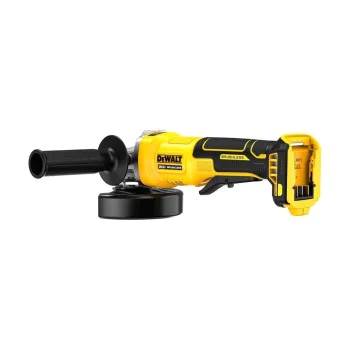
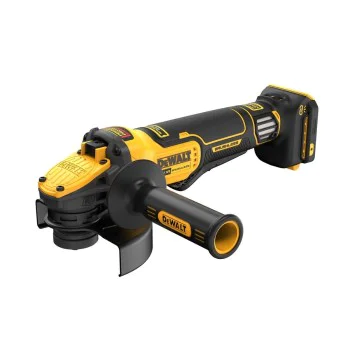
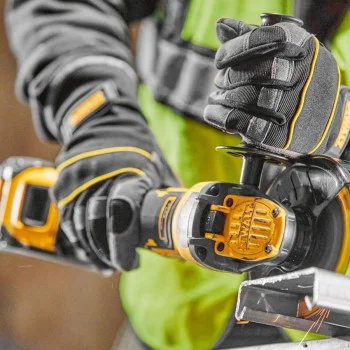
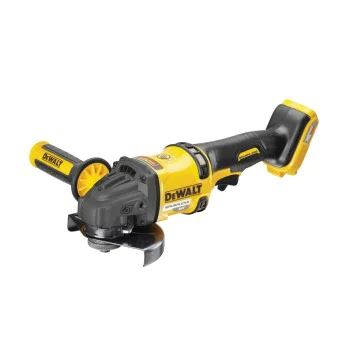
Cordless angle grinders
Why the Cordless Angle Grinder Is the Future
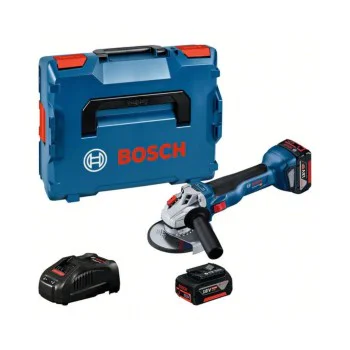
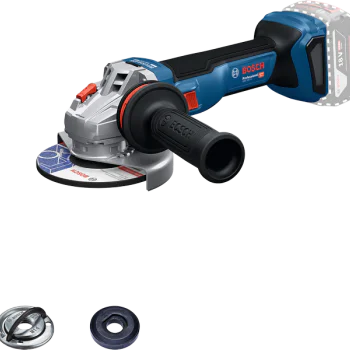
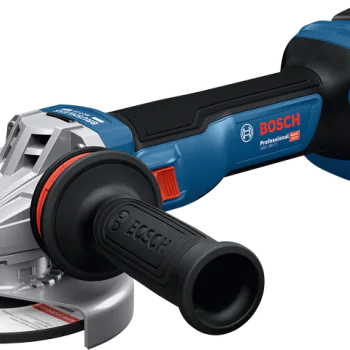
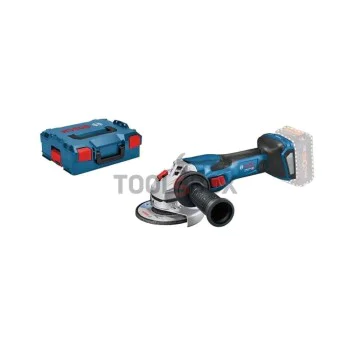
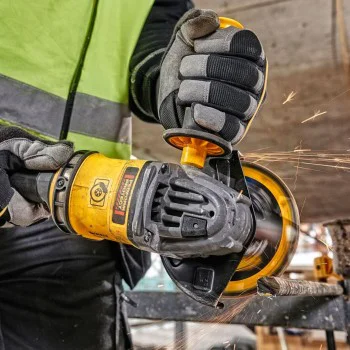
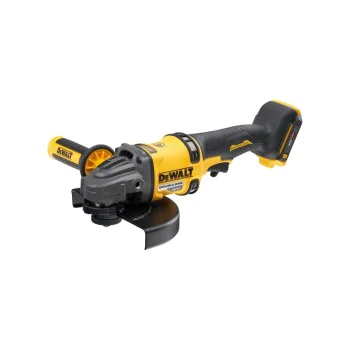
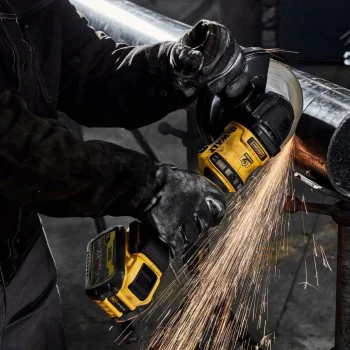
In the world of construction, renovation, and DIY projects, the cordless angle grinder has emerged as a symbol of innovation and freedom, transforming the way we work with materials. This tool, also known as an angle grinder or flex, offers flexibility and power without the constraints of cables, which sets it apart significantly from traditional models. As part of the broader category of grinding machines, the cordless angle grinder is designed to cut, grind, and polish surfaces such as metal, wood, and brick, serving professionals and hobbyists alike. Compared to a belt sander, which is limited to one-way processing, this tool ushers in a new era of mobility and adaptability. We'll explore why the cordless angle grinder is the future of processing, how it outperforms other tools, and provide you with the basics to prepare you for the next steps in using it, while examining the different types of cordless angle grinders.
Cordless angle grinder - freedom of movement
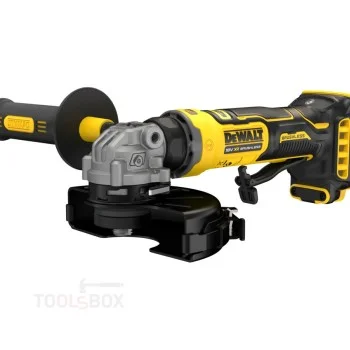
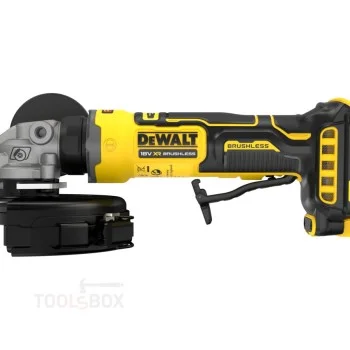
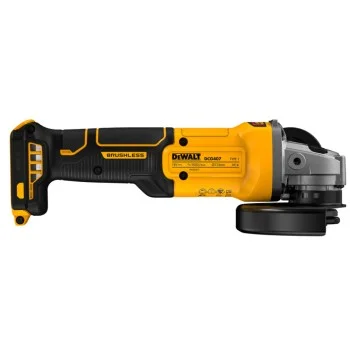
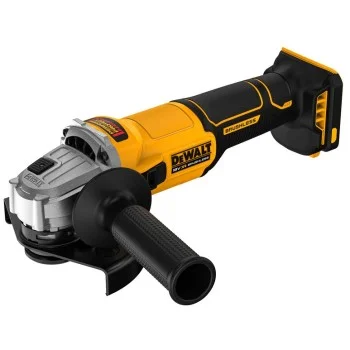
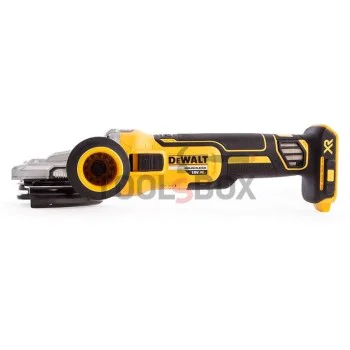
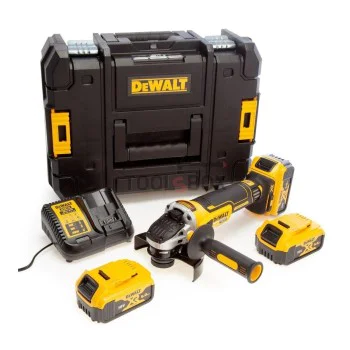
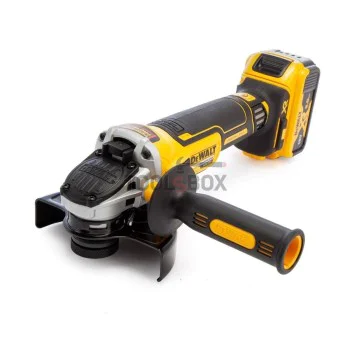
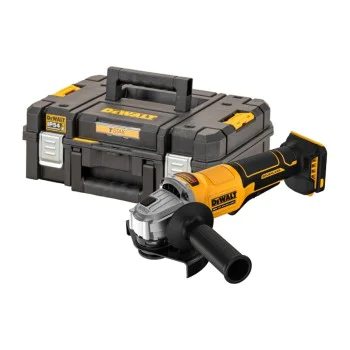
One of the biggest advantages of a cordless angle grinder is its independence from the power grid. Unlike corded models, which require a constant connection to a power source, this tool allows you to work anywhere-outdoors, in hard-to-reach places, or on construction sites without electricity. This portability makes it ideal for projects where cables would be a hindrance, such as roof installation or garden structures. Cordless angle grinder models that come with a battery and charger, such as the DeWALT DCG405N with the DeWALT DCB184 battery, offer added convenience with the inclusion of spare batteries, which extends runtime. This is particularly useful for long projects where interruptions for charging would slow down the process.
Professionals working on large sites appreciate this freedom, which frees them from dependence on stationary power sources, allowing them to move quickly between work zones. DIYers also benefit from this convenience during home renovations, where access to outlets may be limited. This mobility places the cordless angle grinder at the forefront of future trends in material processing.
Comparison with Traditional Models
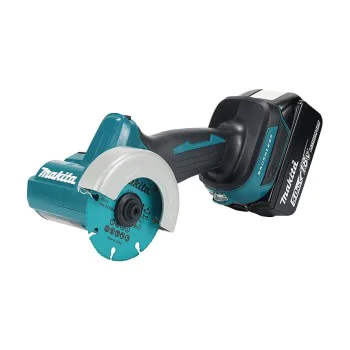
When comparing cordless angle grinders to corded versions, the difference in mobility is obvious. The corded angle grinder, which is part of the power tool lineup, offers higher power for extended use but is limited by the length of the cord and the need to be near an outlet. In contrast, a cordless angle grinder compensates for this with ease of portability and the ability to work in dynamic environments. Although battery runtime may be shorter-typically 20-40 minutes with intensive use, depending on the model-modern technologies, such as fast battery charging, address this issue. For example, models like the Makita DGA700Z with an 18+18V battery provide extended runtime, ideal for a variety of tasks.
A comparison with a belt sander highlights additional advantages. While a belt sander is specialized for one-directional processing of large surfaces, a cordless angle grinder (flex) offers versatility-cutting, sanding, and polishing with a single tool. This versatility makes it the preferred choice for projects requiring adaptability, such as car repairs or garden construction, which brings us to the need to understand how different types of cordless angle grinders can meet specific needs.
Technological Innovations
Cordless angle grinders are experiencing rapid development thanks to advances in battery technology. Lithium-ion batteries, used in models such as the Dewalt cordless angle grinder (e.g., DCG405N) or the Makita cordless angle grinder (e.g., DGA700Z), provide long-lasting power and fast charging, which improves performance. These innovations make the tool suitable for intensive use, such as cutting concrete or grinding metal sheets, without sacrificing mobility. A brushless cordless angle grinder, such as the DeWALT DCG406N, increases efficiency while reducing wear and heat.
Additional features, such as variable speed and electronic controls, allow for adaptation to different materials, setting it apart from more robust but less flexible grinders. This technological evolution highlights why the cordless angle grinder is considered the future of machining, prompting us to examine how it is applied in real-world conditions.
Real-World Applications
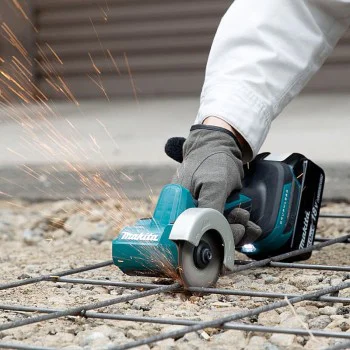
Cordless angle grinders are used in various environments, proving their versatility and adaptability to a wide range of tasks. In construction, they have established themselves as an indispensable tool, especially for working at heights or in open spaces where mobility is essential. For example, cutting rebar with a DeWalt cordless angle grinder (e.g., DeWALT DCS691N, 54V, 230mm) facilitates the construction of floor structures or the reinforcement of concrete walls, allowing builders to maneuver quickly and efficiently without being restricted by cables. Shaping brick walls becomes more precise with this tool, as it allows for cutting openings or leveling surfaces with diamond blades, saving time on complex architectural projects.
In the field of renovation, a cordless angle grinder demonstrates its versatility by making it easy to remove old paint from wooden or metal surfaces using abrasive discs. It is also ideal for polishing metal elements, such as doors or railings, giving them a new, shiny look with the right polishing discs. This functionality makes it the preferred choice for renovating interiors or exterior structures where a combination of cutting and finishing is required.
For home projects, a flex tool opens up a wide range of possibilities, especially in the garden, where trimming branches with a model like the Einhell AXXIO 18/125 Q (125mm) mini cordless angle grinder makes it easy to maintain plants or build wooden benches. This tool allows for quick shaping of branches or boards without the need for stationary equipment, which is ideal for gardening enthusiasts. Another popular use is building wooden shelves, where the angle grinder can cut slats with precision, smooth them out, and prepare them for assembly, saving effort compared to hand tools.
Compared to a belt sander, which excels at processing large wooden surfaces such as flooring or wide panels, cordless angle grinders offer greater adaptability for small and medium-sized tasks. It is capable of handling a variety of materials-from thin metal sheets to brick elements-and working in dynamic conditions, making it the preferred choice for projects requiring maneuverability and speed. For example, while a belt sander is ideal for smoothing large surfaces, an angle grinder allows for precise cutting of corners or shaping of details, making it indispensable for construction repairs where flexibility is needed.
This adaptability is also evident in professional settings, where a cordless angle grinder is used to quickly remove excess material during the assembly of metal structures or to smooth surfaces before painting. At home, it is used for renovating old doors or windows, where removing old paint and polishing metal parts is done with ease. Even in gardening projects, such as building wooden arches or pruning trees, this tool proves its versatility, allowing users to work without being limited by power sources.
Furthermore, a cordless angle grinder is highly portable, making it ideal for outdoor work or in places where traditional tools would be impractical. It is particularly useful for emergency repairs where speed and accessibility are paramount, such as roof maintenance or the construction of temporary structures. This ability to adapt to different environments and tasks underscores its role as an essential tool for modern craftsmen seeking solutions that combine power, precision, and mobility.
Theangle grinder's versatility is further enhanced by its ability to be used with various accessories, such as polishing or diamond discs, allowing for customization according to the specific requirements of each project. This feature sets it apart from more specialized tools like belt sanders, which are limited to specific applications, and makes it the preferred choice for people working on multiple tasks simultaneously. Whether it's construction, renovation, or gardening, a cordless angle grinder proves to be a reliable partner that adapts its capabilities to the user's needs.
Practical Tips for Getting Started with a Cordless Angle Grinder
To start using a cordless angle grinder effectively, follow these tips. First, check the battery charge level before working and carry a spare if possible-models like the DeWALT DCG405N with DCB184 are an excellent example. Second, use the appropriate disc-diamond for brick, abrasive for metal. Third, work in a well-ventilated area and wear protective gear, such as goggles and gloves. Fourth, practice on scrap materials to master the techniques.
Frequently Asked Questions About Cordless Angle Grinders
- How long does the battery last? It depends on the capacity-18V models, such as the Makita DGA700Z, run for 20-40 minutes with heavy use.
- Can I use it on wood? Yes, at low speeds and with a suitable disc, such as those for the BOSCH GWX 18V-10 SC.
- How do I maintain it? Clean it regularly and store the batteries in a cool place.
Now that we understand why the cordless angle grinder is the future and how it's changing the way we work, it's natural to ask what the different types are and how to choose a model that suits our specific needs.
Cordless Angle Grinder: Types
Now that we understand why the cordless angle grinder is the future of material processing, it's natural to ask what the different types are and how to choose a model that meets our specific needs. This tool, also known as a flex, falls under the category of grinders, but its variants offer unique features that make it suitable for a variety of tasks-from light DIY projects to professional construction challenges.
Categories of cordless angle grinders by power
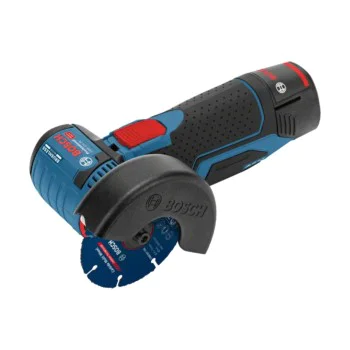
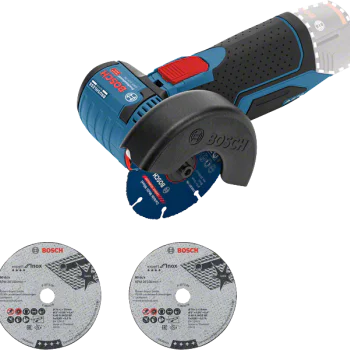
Cordless angle grinders vary in power, which is determined by the battery voltage-typically between 7V and 54V. Lower-voltage models, such as the BOSCH Easy Cut & Grind 7V cordless angle grinder, are ideal for light-duty tasks like polishing or cutting thin metal sheets. For more intensive applications, 18V models, such as the DeWALT cordless angle grinder (e.g., DeWALT DCG405N), offer balanced power for cutting wood or metal. Higher-voltage options, such as the DeWALT DCS691N 54V cordless angle grinder, are designed for heavy-duty tasks like cutting concrete or thick metal plates, making them the preferred choice of professionals.
These power levels allow for adaptation to various projects, with the more powerful models providing stability during prolonged use, while the lighter mini cordless angle grinder, such as the Einhell TE-AG 18 Li-Solo (115mm), is perfect for precise work in tight spaces.
Cordless angle grinder disc size and intended use
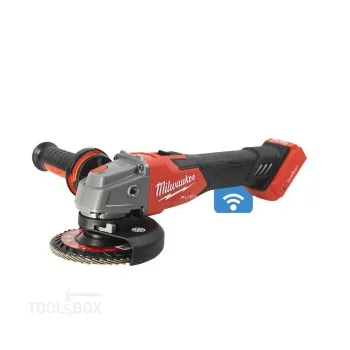
Disc size is another key factor when choosing a cordless angle grinder. Models with a 115mm diameter, such as the BOSCH GWS 180-Li SOLO cordless angle grinder, are compact and suitable for fine work, such as edge shaping or rust removal. Larger discs, such as the 180mm disc on the Makita (Makita DGA700Z) or the 230mm disc in the Milwaukee M18 FLAG230XPDB-0 cordless angle grinder, are designed for cutting thicker materials or large surfaces, such as concrete walls or metal structures.
This wide variety makes the angle grinder a versatile tool capable of replacing many other grinding machines, which prompts us to consider how to choose a model based on our specific requirements.
Choosing a cordless angle grinder based on the project
The choice of a cordless angle grinder depends on the type of project. For light-duty tasks at home, such as building wooden shelves, a mini cordless angle grinder like the Kielder KWT-013-02 (18V, 115mm) is sufficient, thanks to its light weight and maneuverability. For construction projects requiring the cutting of bricks or rebar, models like the Bosch cordless angle grinder (e.g., BOSCH GWX 18V-10 PC SOLO, 125mm) offer the necessary power and durability.
Professionals prefer brushless models, such as the DeWALT DCG406N brushless cordless angle grinder, which ensure a longer tool life and consistent performance. This flexibility allows everyone to find the right tool, which brings us to the need to understand what is required for preparation.
Popular cordless angle grinder models and their specifications
Among the most sought-after models are those that combine power and lightness. The DeWALT cordless angle grinder (e.g., DCG405N, 18V, 125mm) is known for its balanced design and brushless motor, ideal for cutting and grinding. The Makita cordless angle grinder (e.g., DGA700Z, 18+18V, 180mm) offers high energy efficiency, suitable for professional tasks. A Bosch cordless angle grinder, such as the GWX 18V-10 SC SOLO (125mm), impresses with its precision during delicate operations.
These models demonstrate how the angle grinder (flex) has evolved, offering solutions for different skill levels, which prepares us to move on to learning how to work with them.
Practical tips for choosing an angle grinder
To choose the ideal cordless angle grinder, consider the following. First, determine the material-for metal and brick, choose a high-voltage model, such as the DeWALT DCS691N (54V). Second, check the disc size-125mm for versatility, 230mm for heavy-duty tasks. Third, test the tool on scrap materials to get a feel for how it handles. Fourth, opt for brushless models, such as the Milwaukee M18 FLAG230XPDB-0, for longer life.
Pros and Cons of Cordless Angle Grinders
Now that we've identified the types of cordless angle grinders and learned how to choose the right model, it's time to delve into the pros and cons of this tool. A cordless angle grinder, also known as an angle grinder or flex, is part of the grinding machine category, offering a unique combination of mobility and functionality. Compared to traditional corded models and specialized tools like belt sanders, it offers both significant advantages and certain limitations. We'll analyze the strengths and weaknesses of cordless angle grinders, which will help us understand what's needed for their proper setup and safe use.
Cordless Angle Grinder - Advantages
One of the biggest advantages of a cordless angle grinder is its portability. Its independence from the electrical grid allows for work outdoors, in hard-to-reach places, or on construction sites without access to power outlets. Models like the DeWalt cordless angle grinder (e.g., DeWALT DCG405N, 18V, 125mm) with a lightweight design make it easy to carry, which is ideal for projects such as roof installation or garden construction. This flexibility makes it a preferred choice over corded versions, which are limited by the length of the cord.
Another advantage is its versatility. A cordless angle grinder can cut, grind, and polish using different discs, unlike a belt sander, which is designed for a single type of operation. For example, a brushless cordless angle grinder, such as the Makita DGA700Z (18+18V, 180mm), delivers consistent power and durability, suitable for a variety of materials-from brick to metal. This adaptability saves time and resources, making it indispensable for dynamic tasks.
Ergonomic design also plays an important role. Models like the Makita cordless angle grinder feature anti-vibration handles that reduce fatigue during prolonged use, which is particularly useful for repair work or detailed finishing. This feature sets it apart from heavier grinders that require a stationary position.
Disadvantages of a cordless angle grinder
Despite their advantages, cordless angle grinders also have certain disadvantages. One of the main drawbacks is runtime, which depends on battery capacity. 18V models, such as the BOSCH GWX 18V-10 PC SOLO (125mm), typically provide 20-40 minutes of runtime during intensive use, which may be insufficient for long projects compared to corded models. This requires planning and carrying a spare battery.
Another limitation is power. Although a brushless cordless angle grinder, such as the DeWALT DCG406N, offers high efficiency, it still does not reach the levels of corded models when working with extremely hard materials, such as thick concrete. This makes it less suitable for heavy-duty industrial tasks where the stable power of the mains is preferred.
Battery weight can also be a challenge. While a mini cordless angle grinder, such as the Einhell TE-AG 18 Li-Solo (115mm), is lightweight, more powerful models with larger batteries, such as the Milwaukee M18 FLAG230XPDB-0 (230mm), can strain the arm during prolonged use, requiring careful handling.
Comparison with Corded Models of Cordless Angle Grinders
When comparing a cordless angle grinder to corded versions, its mobility is an undeniable advantage. Corded models offer continuous power but are limited by the cord, which makes working in open spaces difficult. In contrast, a cordless angle grinder (flex) provides freedom of movement, which is particularly useful for projects such as roof or garden repairs. However, corded models remain more effective for tasks requiring sustained power, such as cutting thick metal sheets.
This balance between mobility and power underscores the importance of choosing the right model, which leads us to the need for training in how to use this tool.
Comparison with a belt sander
A comparison with a belt sander also reveals advantages and disadvantages. A belt sander is specialized for one-directional processing of large surfaces, such as wooden floors, but cannot cut or adapt to different materials as well as a cordless angle grinder. The latter is lighter and more portable, making it ideal for repair tasks in tight spaces, while a belt sander is more stable but less maneuverable.
This contrast highlights that a cordless angle grinder (flex) is more suitable for a variety of projects, while a belt sander is limited to specific applications, which sets the stage for us to explore what is needed to prepare it.
Practical Tips for Balancing the Pros and Cons of a Cordless Angle Grinder
To use a cordless angle grinder effectively, follow these tips. First, plan your work around battery life-carry a spare, such as the DCB184 for the DeWALT DCG405N. Second, avoid overloading lighter models, such as the Einhell TE-AG 18 Li-Solo, with heavy materials. Third, use brushless models, such as the Makita DGA700Z, for longer battery life. Fourth, work in short sessions to reduce fatigue from the weight.
After analyzing the pros and cons of a cordless angle grinder (flex), it became clear that its effectiveness depends on proper preparation.
Cordless angle grinder - preparation for work
After analyzing the advantages and disadvantages of a cordless angle grinder, it became clear that its effectiveness depends on our careful preparation. This tool, also known as an angle grinder or flex, is part of the grinding machine category, offering flexibility for cutting, grinding, and polishing materials such as metal, wood, and brick.
Required Equipment
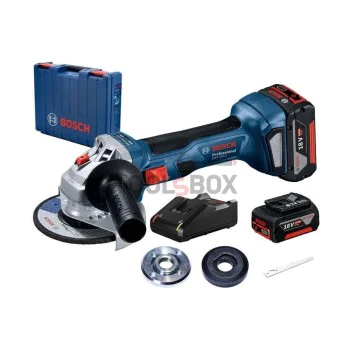
To start working with a cordless angle grinder, you must first be equipped with the appropriate accessories. The main component is the tool itself, with models featuring different specifications-for example, a DeWalt cordless angle grinder (e.g., DeWALT DCG405N, 18V, 125mm) or a Makita cordless angle grinder (e.g., Makita DGA700Z, 18+18V, 180mm)-which offer flexibility for various tasks. A key component is a cordless angle grinder with a battery and charger, such as the DeWALT DCG405N with a DeWALT DCB184 battery, which includes a spare battery for extended operation.
The discs are also essential. For cutting bricks or concrete, you need diamond discs, while abrasive discs are suitable for metal or wood. Models such as brushless cordless angle grinders (e.g., BOSCH GWX 18V-10 PC SOLO, 125mm) support a variety of discs, which increases their functionality. In addition, you'll need a wrench for changing discs and adapters if the tool requires special attachments.
Safety Equipment
Safety is a priority when working with a cordless angle grinder (flex). Wearing safety goggles is mandatory to protect your eyes from flying debris, especially when cutting metal. Gloves protect your hands from vibrations and burns, while a respirator mask reduces the risk of inhaling dust generated during the grinding process. Earplugs are also recommended, as noise levels can be high with high-powered models, such as the Milwaukee M18 FLAG230XPDB-0 (230mm).
These safety measures are particularly important. Appropriate clothing, without loose ends, completes the preparation.
Checking the Battery
Check the battery condition before starting work. Cordless angle grinders rely on lithium-ion batteries that vary in voltage-18V models, such as the Einhell AXXIO 18/125 Q (125mm), offer balanced endurance, while 54V variants, such as the DeWALT DCS691N (230mm), are suitable for heavy-duty tasks. Make sure the battery is fully charged, and bring a spare if you plan on a long session. Models with fast charging, such as those that come with included chargers (e.g., the DeWALT DCG405N with DCB184), are particularly useful for continuous operation.
This step is crucial, as a depleted battery can reduce efficiency.
Preparing the Workspace
Preparing the work area is also important. Clear the area of flammable materials, as an angle grinder generates sparks when cutting metal. Make sure you have a stable surface to avoid unevenness, especially when working with models like the Milwaukee M18FHSAG125XB-0X (125mm). Good lighting and ventilation are essential to clearly see the cutting line and reduce the amount of dust you inhale.
Compared to a belt sander, which is used on flat surfaces, a cordless angle grinder requires more attention to stability due to its mobility, which underscores the importance of preparation before starting work with the angle grinder.
Inspecting the Tool
Before you begin, inspect the tool. Check that the cordless angle grinder is in good condition-the disc should be securely fastened, and the housing should be free of damage. Models such as brushless cordless angle grinders (e.g., DeWALT DCG406N) have fewer mechanical parts, which reduces the risk of damage, but still require checking the battery and power contacts. Test the tool at low speed on a small piece of material to ensure it runs smoothly.
Practical Tips for Preparation
To prepare a cordless angle grinder effectively, follow these tips. First, fully charge the battery and check its capacity-models like the Makita DGA700Z (18+18V) support extended runtime. Second, choose a disc based on the material-diamond for bricks, abrasive for metal. Third, organize your workspace to avoid hazards. Fourth, test the tool on scrap materials to ensure its stability.
Once we have prepared the necessary equipment and the workspace we will use for working with a cordless angle grinder, the next task is to set it up correctly.
Basics of Working with a Cordless Angle Grinder - Setup and Safety
Once we have prepared the necessary equipment and workspace for the cordless angle grinder, the next step is to set it up correctly and familiarize ourselves with the basic safety measures. This tool, also known as an angle grinder or flex, is part of the grinding machine category, offering flexibility for cutting, grinding, and polishing.
Setting Up the Tool
Setting up a cordless angle grinder starts with checking the battery. Models with different voltages, such as the DeWalt cordless angle grinder (e.g., DeWALT DCG405N, 18V, 125mm) or Makita cordless angle grinders (e.g., Makita DGA700Z, 18+18V, 180mm), require a fully charged lithium-ion battery to ensure optimal performance. Make sure the battery is securely fastened and that the indicator shows sufficient charge, especially for high-voltage models such as the DeWALT DCS691N (54V, 230mm).
Next, adjust the guard, which should be positioned to deflect debris away from the operator. This step is crucial for brushless cordless angle grinders, such as the BOSCH GWX 18V-10 PC SOLO (125mm), where high RPMs can generate more dust and sparks. If the tool has adjustable speed settings, adjust them according to the material-low for wood, high for metal-to avoid overheating or uneven results.
Pre-use inspection
Before turning on a cordless angle grinder (flex), perform a visual inspection. Check that the disc is securely fastened and undamaged-for example, the abrasive discs for the Milwaukee M18 FLAG230XPDB-0 (230mm) must be free of cracks. Test the tool at low speed on a small piece of material to ensure it vibrates evenly, which is especially important for models with brushless motors, such as the DeWALT DCG406N.
Also check the stability of the handles, especially on models with a larger diameter, such as the Makita DGA700Z (180mm), where an ergonomic grip is essential. This check reduces the risk of accidents and prepares the tool for safe operation.
Basic Safety Precautions
Safety is a priority when working with a cordless angle grinder. Wear safety goggles to protect your eyes from flying debris, especially when cutting metal with models such as the Einhell AXXIO 18/125 Q (125mm). Gloves protect your hands from vibrations and burns, while a respirator mask reduces the risk of inhaling dust generated during the grinding process. Earplugs are recommended, as noise levels can be high with high-powered models like the DeWALT DCS691N (230mm).
Hold the tool with both hands, using the auxiliary handle, especially when cutting hard materials. Compared to a belt sander, which produces more dust but is more stable, a cordless angle grinder requires more attention to your grip to prevent slipping.
Work in a safe area
Keep the work area free of flammable materials, as an angle grinder (flex) generates sparks when cutting metal. Ensure the area is well-lit and ventilated so you can clearly see the cutting line and reduce the amount of dust you inhale. Larger-diameter models, such as the Milwaukee M18 FLAG230XPDB-0 (230mm), require even more space due to the disc's reach.
Avoid working in rainy weather or wet conditions unless the tool is waterproof, such as some versions of the BOSCH GWX 18V-10 SC SOLO (125mm). This precaution is key to preventing damage and injuries.
Practical Tips for Setup and Safety
To set up and use your cordless angle grinder safely, follow these tips. First, fully charge the battery-models like the DeWALT DCG405N with DCB184 support fast charging. Second, adjust the guard to direct debris, especially with the Milwaukee M18FHSAG125XB-0X (125mm). Third, wear protective gear and work from a stable position. Fourth, test the tool at low speed to check stability.
Techniques for Cutting with a Cordless Angle Grinder
Once we have set up the cordless angle grinder and taken the necessary safety precautions, we should learn how to use it to cut various materials. This tool, also known as an angle grinder or flex, is part of the grinding machine category, offering cordless flexibility and power.
Basic Principles of Cutting
Cutting with a cordless angle grinder (flex) requires an understanding of the basic principles. The tool operates with a rotating disc that removes material through abrasive action. Models such as the DeWalt cordless angle grinder (e.g., DeWALT DCG405N, 18V, 125mm) or a Makita cordless angle grinder (e.g., Makita DGA700Z, 18+18V, 180mm) offer adjustable speeds that must be set according to the material. Low speeds are suitable for wood to prevent splitting, while high speeds are necessary for hard materials such as brick or metal.
The process begins by marking the cutting line with chalk to ensure accuracy. Hold the tool with both hands, using the auxiliary handle, and maintain light but steady pressure to prevent the blade from jamming.
Cutting Metal
Cutting metal with a cordless angle grinder requires a special approach. Use an abrasive disc suitable for metal and set high speeds on models like the Milwaukee M18 FLAG230XPDB-0 (230mm), which ensures a fast and clean cut. Start at one end of the material, move evenly, and avoid excessive pressure to prevent warping or overheating.
For thicker sheets, such as steel plates, work in several steps, first making a shallow cut and then deepening it. This technique is particularly useful with a brushless cordless angle grinder, such as the DeWALT DCG406N, which maintains constant power, making it easier to work on hard surfaces.
Cutting Wood
When cutting wood, set the cordless angle grinder (flex) to low speed to avoid burning or splitting. Use a blade designed for wood and work slowly, following the line you marked beforehand. Models with a smaller diameter, such as the Einhell AXXIO 18/125 Q (125mm), are ideal for fine work, such as shaping wooden slats or shelves.
For greater stability, use a stabilizer or water for cooling, especially when cutting thicker boards.
Cutting bricks and concrete
Cutting brick or concrete requires a diamond blade and high power. Models like the Makita cordless angle grinder (Makita DGA700Z, 180mm) or the DeWALT DCS691N (54V, 230mm) are suitable due to their durability. Set the speed to high and work in short sessions to prevent the tool or blade from overheating.
Use water for cooling to reduce dust and extend the life of the blade, especially when cutting concrete walls. This technique is more effective with a brushless cordless angle grinder, such as the BOSCH GWX 18V-10 PC SOLO.
Practical Cutting Tips
To master cutting with a cordless angle grinder, follow these tips. First, mark the line with chalk and use water when cutting hard materials, such as with the DeWALT DCG405N. Second, adjust the speed-low for wood, high for metal and brick. Third, work in small increments. Fourth, maintain a steady position.
Common Challenges and Solutions
A common challenge is the blade getting stuck, especially when cutting metal. Use light pressure and check the blade's sharpness. Another issue is vibration-if the tool shakes, tighten the grip and use anti-vibration models.
Grinding and Polishing with a Cordless Angle Grinder
Now that we've mastered cutting techniques with the cordless angle grinder, we should learn how to use it for grinding and polishing various surfaces. This tool, also known as an angle grinder or flex, is part of the grinding machine category, offering cordless flexibility and power.
Basic Principles of Sanding
Sanding with a cordless angle grinder (flex) requires selecting the right disc and controlled movement. The tool uses abrasive discs that remove rough surfaces or level materials. Models such as the DeWalt cordless angle grinder (e.g., DeWALT DCG405N, 18V, 125mm) or the Makita cordless angle grinder (e.g., Makita DGA700Z, 18+18V, 180mm) offer adjustable speeds that should be set to low levels for delicate tasks, such as rust removal, or medium levels for more aggressive wood sanding.
The process begins by marking the area to be treated and applying light pressure to avoid deep marks. Hold the tool steady with both hands.
Secrets to Effective Sanding
One of the key secrets is choosing a disc with the right grit. For rough sanding of metal or concrete, use a disc with a low grit, while for finishing wood surfaces, choose a finer abrasive. A brushless cordless angle grinder, such as the BOSCH GWX 18V-10 SC SOLO (125mm), maintains a constant speed, which facilitates even sanding without loss of power.
Another important aspect of working with a cordless angle grinder is the motion. Work in circular or back-and-forth motions, depending on the material, and avoid long sessions in one spot to prevent overheating. Use water for cooling when working on hard surfaces.
Polishing Techniques
Polishing with a cordless angle grinder requires a special polishing disc and low RPMs. This technique is ideal for metal surfaces or automotive parts, such as removing scratches. Models like the DeWALT DCG406N with a brushless motor provide smooth movement, which is key to a streak-free shine.
Apply polish evenly and work in small sections, maintaining light pressure.
Comparison with a belt sander
A belt sander is effective for one-directional processing of large wooden surfaces, but it cannot compare to a cordless angle grinder for fine tasks. The latter allows for precise sanding and polishing with the right disc, while a belt sander is limited to rough processing.
This contrast highlights the angle grinder's (flex) advantage in versatility, which prompts us to explore additional techniques.
Practical Tips for Sanding and Polishing
To master sanding and polishing with a cordless angle grinder, follow these tips. First, choose a disc with the appropriate grit-coarse for the start, fine for the finish, such as the BOSCH GWX 18V-10 SC SOLO. Second, set a low speed for polishing, especially with the DeWALT DCG405N. Third, work in short sessions to avoid overheating.
Common Challenges and Solutions
One common challenge is uneven sanding, which can be resolved by checking the disc with a pattern. Another is scratching during polishing-reduce pressure and use a polishing compound. If the tool overheats, take breaks, especially during long sessions.
Comparison with a belt sander: When to choose each tool
Now that we've mastered the techniques for sanding and polishing with a cordless angle grinder, we should compare its capabilities with other tools, such as a belt sander. This tool, also known as an angle grinder or flex, is part of the grinding machine category, offering cordless flexibility and power.
Key Design Differences
Cordless angle grinders (flex) and belt sanders differ significantly in design and purpose. Cordless angle grinders come in various diameters-for example, the DeWalt cordless angle grinder (DeWALT DCG405N, 18V, 125mm) or the Makita cordless angle grinder (Makita DGA700Z, 18+18V, 180mm)-is compact and portable, using a rotating disc for cutting, grinding, and polishing. This versatility allows it to work with various materials and in tight spaces.
On the other hand, a belt sander is designed with a long abrasive belt that moves continuously, making it ideal for one-directional processing of large surfaces. This design makes it more stable but less maneuverable, which distinguishes it from an angle grinder (flex) and limits its applications.
Advantages of a cordless angle grinder
One of the key advantages of a cordless angle grinder is its versatility. Models such as the brushless cordless angle grinder (e.g., BOSCH GWX 18V-10 SC SOLO, 125mm) allow for cutting, grinding, and polishing with a single tool, unlike a belt sander, which is limited to rough work. This adaptability makes it ideal for projects requiring a change of tasks, such as repairing metal structures or shaping wooden details.
Mobility is another advantage. A cordless angle grinder can be used outdoors or in hard-to-reach places, which is impossible with a belt sander that is tied to a stationary position. For example, the Milwaukee M18 FLAG230XPDB-0 (230mm) makes it easier to work at heights or in gardens where cords would be a hindrance.
Advantages of a belt sander
A belt sander outperforms a cordless angle grinder in certain aspects. It is specialized for uniform sanding of large surfaces, such as wooden floors or metal panels, thanks to the continuous movement of the belt. This feature makes it more effective for tasks requiring one-directional processing than an angle grinder (flex), which is better suited for fine details.
Its stability is also an advantage during prolonged use. Unlike a cordless angle grinder, which may require breaks to recharge the battery, a belt sander provides constant power when plugged in, which is useful for large construction sites.
Disadvantages of a cordless angle grinder
Despite its advantages, the cordless angle grinder has limitations. Battery runtime-typically 20-40 minutes for models like the DeWALT DCG405N-may be insufficient for long tasks compared to a belt sander, which runs continuously when plugged in. This requires planning and carrying a spare battery.
Power may also be lower on lighter models, such as the Einhell AXXIO 18/125 Q (125mm), making it less suitable for heavy-duty materials, where a belt sander offers greater stability.
Disadvantages of a belt sander
A belt sander has its own weaknesses. Its lack of flexibility limits its use to one-way processing, making it ineffective for cutting or fine work, for which a cordless angle grinder (flex) is more suitable. Additionally, it is heavier and less portable, making it difficult to work in tight spaces or outdoors.
This design also generates more dust, requiring additional safety precautions compared to an angle grinder that can be fitted with a guard.
When and Which Angle Grinder to Choose
The choice between a cordless angle grinder and a belt sander depends on the project. For small to medium-sized tasks, such as cutting sheet metal or shaping wooden shelves, a cordless angle grinder, like the Makita DGA700Z, is ideal because of its versatility. Brushless models, such as the DeWALT DCG406N, are particularly useful for long-duration work requiring consistent power.
For large areas, such as leveling wooden floors or preparing walls, a belt sander is more effective because it ensures uniformity. In professional settings, combining two tools can be optimal-a belt sander for rough work and a cordless angle grinder for finishing.
Practical Tips for Combining Tools
To use both tools effectively, follow these tips. First, use a belt sander to prepare large surfaces, then switch to a cordless angle grinder for fine details with the BOSCH GWX 18V-10 SC SOLO. Second, adjust the angle grinder's speed according to the material after rough sanding. Third, keep the work area clean to avoid mixing dust particles. Fourth, plan for battery life, especially for long projects.
Cordless Angle Grinder Applications in DIY Projects
Now that we've compared a cordless angle grinder to a belt sander and learned when to use each tool, it's time to apply this knowledge to real-world projects. This tool, also known as an angle grinder or flex, falls under the category of grinding machines, offering cordless flexibility and power. For DIY enthusiasts, a cordless angle grinder opens the door to creative and practical projects around the house-from building furniture to garden structures.
Ideas for DIY Projects with a Cordless Angle Grinder
A cordless angle grinder is ideal for a variety of home projects. One popular idea is building wooden shelves. With a model like the DeWALT cordless angle grinder (e.g., DeWALT DCG405N, 18V, 125mm), you can cut slats with precision, smooth them out, and shape them according to your design. Another option is creating decorative metal elements, such as frames or stands, where the angle grinder makes it easy to cut and polish steel rods.
For gardening enthusiasts, trimming branches or building wooden benches is easy with a Makita cordless angle grinder (e.g., Makita DGA700Z, 18+18V, 180mm). This tool allows for cordless operation, which is ideal for outdoor use. Projects such as refurbishing old furniture by removing rust or paint are also possible with the right disc.
Practical examples
One practical example is building a wooden table. Start by cutting the boards with a cordless angle grinder, using low speed to prevent splitting. Then use a model like the Einhell AXXIO 18/125 Q (125mm) to smooth the edges before assembling the structure. This approach saves time compared to a belt sander, which is better suited for large areas.
Another example is repairing a metal fence. With a brushless cordless angle grinder, such as the BOSCH GWX 18V-10 SC SOLO (125mm), you can cut out rusted sections, smooth the surface, and polish it to give it a fresh look. This versatility sets the angle grinder apart from more specialized tools.
Techniques for Using a Cordless Angle Grinder in Home Projects
To succeed in home projects with a cordless angle grinder, use these techniques. First, mark the materials with chalk to ensure precision when cutting with the DeWALT DCG405N. Second, set low speeds for wood and high speeds for metal, especially with the Makita DGA700Z. Third, work in short sessions to preserve battery life. Fourth, use water for cooling when cutting hard materials.
These techniques highlight the tool's versatility, which prepares us for more complex applications.
Comparison with a belt sander in a DIY context
In DIY projects, a belt sander is useful for leveling large wooden surfaces, such as flooring, but is ineffective for cutting or fine work. A cordless angle grinder (flex) overcomes this limitation, allowing for a combination of cutting and sanding with a single model, such as the Einhell AXXIO 18/125 Q. This contrast makes the cordless angle grinder the preferred choice for small and medium-sized projects at home.
Combining two tools can be effective-a belt sander for rough prep and a cordless angle grinder for finishing details, such as wood trim.
Tools and materials for DIY projects
In addition to a cordless angle grinder, you'll need additional tools. Use drill bits for assembling shelves after cutting with the DeWALT DCG405N. Polishing compounds are necessary for metal surfaces, especially when using the Makita DGA700Z. Wood and metal materials should be selected according to the project, such as boards for garden benches.
Frequently Asked Questions About DIY Projects
- Can I use it on wood? Yes, at low speed and with the right blade.
- How long does it take for a small project? It depends on the battery-20-40 minutes.
- How do I avoid scratches? Use a fine disc and light pressure.
Professional Application: Cordless Angle Grinder in Construction
Now that we've explored how a cordless angle grinder can transform your home projects, let's see how it's used in professional settings, such as construction. This tool, also known as a battery-powered angle grinder or flex, is part of the grinding machine category, offering cordless flexibility and power. Compared to a belt sander, which is limited to one-directional operation, the cordless angle grinder has established itself as an indispensable tool on construction sites, where mobility and adaptability are essential.
Cordless angle grinders and their role in construction projects
A cordless angle grinder plays a key role in construction due to its ability to process various materials. High-voltage models, such as the DeWalt cordless angle grinder (e.g., DeWALT DCS691N, 54V, 230mm), are ideal for cutting concrete and rebar, which facilitates the construction of walls or floor structures. Professionals prefer them for quickly removing excess material or preparing surfaces for cladding, thereby accelerating construction processes.
This tool is particularly useful on outdoor sites where access to electricity is limited. An angle grinder (flex) allows for work at heights or in hard-to-reach areas, such as roofs or basements, which sets it apart from more stable but less portable grinders.
Cordless angle grinder and its application in cutting hard materials
Cutting hard materials, such as bricks and concrete, is one of the main tasks where a cordless angle grinder (flex) demonstrates its power. Models like the Makita cordless angle grinder (Makita DGA700Z, 18+18V, 180mm) with a diamond blade are perfect for creating holes in walls or trimming concrete slabs. The process requires high RPMs and water for cooling to reduce dust and extend the blade's lifespan.
Compared to a belt sander, which is not suitable for cutting, a cordless angle grinder offers precision and speed, which is essential for urgent construction repairs.
Cordless Angle Grinder and Grinding Metal Structures
Grinding metal structures is another area where a cordless angle grinder proves its worth. Models like the Milwaukee M18 FLAG230XPDB-0 (230mm) with an abrasive disc are ideal for removing rust or preparing surfaces for welding. Brushless models, such as the DeWALT DCG406N brushless cordless angle grinder, provide consistent power, which facilitates uniform processing of steel beams or frames.
This flexibility allows for quick adaptation to various tasks, surpassing the limitations of a belt sander, which cannot process metal with such ease.
Cordless angle grinder applications in installation work
Installation work benefits from the mobility of a cordless angle grinder. When working at heights, such as installing roofs or stairs, models like the DeWALT DCS691N (54V, 230mm) make it easy to cut materials without the need for cables. This tool is particularly useful when installing metal structures or wooden elements in open spaces.
Compared to a belt sander, which requires a flat surface, a cordless angle grinder (flex) offers freedom of movement, which is key in dynamic construction conditions.
Practical Tips for Professional Use of a Cordless Angle Grinder
To use a cordless angle grinder effectively in construction, follow these tips. First, mark the cutting line with chalk. Second, set the speed to high for hard materials and use water for cooling. Third, work as a team on large projects to coordinate tasks. Fourth, keep the tool clean to prevent overheating.
Frequently Asked Questions About Construction
- Can I use it on concrete? Yes, with a diamond blade and water.
- How long does the battery last when cutting? 20-40 minutes with 18V models, such as the Milwaukee M18 FLAG230XPDB-0.
- How can I reduce dust? Use water and a dust guard with the BOSCH GWX 18V-10 SC SOLO.
Cordless Angle Grinder Maintenance: Care for a Long Life
Now that we've explored how a cordless angle grinder enhances construction projects, we should learn how to maintain it to extend its lifespan. This tool, also known as an angle grinder or flex, is part of the grinding machine category, offering cordless flexibility and power.
Cleaning the Tool
Regular cleaning is the first step toward a long life for your cordless angle grinder (flex). After each use, remove dust and debris from the body and ventilation openings, especially on models like the DeWalt cordless angle grinder (e.g., DeWALT DCG405N, 18V, 125mm), where dust can accumulate when cutting concrete. Use a dry brush or compressed air to prevent moisture from entering, which can damage the electronic components.
With a brushless cordless angle grinder, such as the Makita DGA700Z (18+18V, 180mm), cleaning the motor is easier due to the absence of brush parts, but the ventilation openings also require attention. This care prevents overheating and extends the tool's service life.
Battery Care
The battery is the heart of a cordless angle grinder, and its maintenance is essential. Lithium-ion batteries used in models such as the Milwaukee M18 FLAG230XPDB-0 (230mm) should be stored in a cool, dry place to prevent overheating or leakage. Avoid letting them run completely dry-recharge them when the indicator shows about 20% charge, especially with more powerful models like the DeWALT DCS691N (54V).
Regularly checking the contacts and terminals is also important to ensure a stable connection. This practice extends battery life, which is key to uninterrupted operation.
Replacing and Maintaining Discs
Discs are a critical part of an angle grinder (flex), and their maintenance affects safety and efficiency. Check the discs before each use for cracks or wear-for example, the abrasive discs for the BOSCH GWX 18V-10 SC SOLO (125mm) should be smooth and free of defects. Use a replacement wrench to swap them out when the grit wears down, especially when cutting hard materials.
With a brushless cordless angle grinder, such as the DeWALT DCG406N, proper disc replacement reduces the load on the motor, which extends the tool's overall lifespan. Store them in a dry place to prevent corrosion.
Checking the Mechanical Parts
Regular inspection of mechanical parts is important for a cordless angle grinder. Inspect the handles and the power switch to ensure there is no looseness. For models with a larger diameter, check the stability of the auxiliary handle, which is essential when cutting.
This check prevents vibrations and improves control.
Maintenance of Electrical Components
The electrical components of a cordless angle grinder, especially in a brushless cordless angle grinder (e.g., Makita DGA700Z), require special care. Avoid exposure to moisture, which can damage the battery or motor. Clean the contacts with a soft cloth to maintain conductivity, and avoid abruptly turning the tool on or off, which can strain the electronic controls. This maintenance is easier with brushless models, as they have fewer moving parts.
Practical Maintenance Tips
To keep your cordless angle grinder in good condition, follow these tips. First, clean the tool after each use with a dry brush, especially when cutting concrete. Second, store the batteries in a cool place. Third, check the discs regularly and replace them when necessary. Fourth, avoid moisture around the electrical components.
Frequently Asked Questions About Cordless Angle Grinders
Now that we've learned how to maintain a cordless angle grinder to extend its lifespan, let's address some frequently asked questions that can help users operate it with greater confidence. This tool, also known as a battery-powered angle grinder or flex, is part of the grinding machine category, offering cordless flexibility and power.
How do I set up a cordless angle grinder?
Setting up a cordless angle grinder is the first step toward effective work. Check that the battery is fully charged-models such as the DeWalt cordless angle grinder (e.g., DeWALT DCG405N, 18V, 125mm) with a lithium-ion battery require at least 20-30 minutes of charging before use. Adjust the guard to direct debris to the side, and set the speed according to the material-low for wood, high for metal. Brushless models, such as a brushless cordless angle grinder (e.g., Makita DGA700Z, 18+18V, 180mm), offer automatic speed control, which simplifies the process.
Test the tool at low speed on a small piece of material to ensure it runs smoothly, which is especially important when cutting with the Milwaukee M18 FLAG230XPDB-0 (230mm).
How long does the battery last?
Battery runtime depends on the model and intensity of use. A standard 18V model typically lasts 20-40 minutes when cutting metal, while more powerful versions, such as the DeWALT DCS691N (54V, 230mm), can run for up to an hour on light tasks. A cordless angle grinder with a battery and charger, such as the DeWALT DCG405N with DCB184, includes a spare battery, which extends runtime to 60-80 minutes.
To extend battery life, avoid fully discharging it and store it in a cool place. This information is key for planning longer projects.
Can I use a cordless angle grinder on different materials?
Yes, a cordless angle grinder is versatile and suitable for various materials. For wood, use low speeds with an appropriate disc. For metal and brick, set it to high speeds with a diamond or abrasive disc, especially with a Makita cordless angle grinder (Makita DGA700Z). Compared to a belt sander, which is limited to wood and metal surfaces, an angle grinder offers greater adaptability. This flexibility makes it the preferred choice for a variety of tasks.
How to Ensure Safety When Working with a Cordless Angle Grinder
Safety is essential. Wear safety goggles, gloves, and a dust mask, especially when cutting concrete with models like the Milwaukee M18 FLAG230XPDB-0 (230mm). Hold the tool with both hands and avoid loose-fitting clothing to prevent injuries. Adjust the guard to direct debris, which is especially important for safety.
What should I do if the battery runs out while I'm working?
If the battery runs out, replace it with a spare if you have one-for example, a cordless angle grinder with a battery and charger (e.g., DeWALT DCG405N with DCB184) includes an extra battery. If you don't have a spare, stop working and charge the battery for 20-30 minutes, depending on the model. This planning is key to uninterrupted work.
Avoid overcharging, which can damage the battery, and use original chargers.
How does the price of a cordless angle grinder vary?
The price of a cordless angle grinder depends on its specifications-models with higher voltage or brushless designs, such as the Milwaukee M18 FLAG230XPDB-0, are typically more expensive. However, the quality and durability justify the investment. For budget-friendly options, models like the Einhell TE-AG 18 Li-Solo (115mm) offer affordability without compromising on essential features.
This aspect is important for consumers considering a purchase, which brings us to the next topic.
Can I find a used cordless angle grinder?
Yes, a used cordless angle grinder can be an option for beginners or for light-duty tasks. Check the condition of the battery and the disc to ensure they are in working order.
History of the Cordless Angle Grinder: From Cords to Batteries
Now that we've answered the frequently asked questions about cordless angle grinders, let's trace how they've evolved over time. This tool, also known as a battery-powered angle grinder or flex, is part of the grinding machine category, offering cordless flexibility and power. Compared to the belt sander, which has remained faithful to traditional designs, the cordless angle grinder is the result of a long process of innovation driven by advancements in battery technology.
The early days of the angle grinder
The history of the angle grinder (flex) began with the advent of power tools in the mid-20th century. The first models were corded, powered directly from the mains, and were limited by the length of the cord. These tools, classified as grinders, were primarily designed for cutting and rough grinding of metal, making them the predecessors of today's cordless angle grinders. During this period, they were heavy and unwieldy, which limited their use in dynamic environments.
Over time, manufacturers began experimenting with more compact designs, but dependence on electricity remained a major drawback, prompting a search for alternatives.
The Rise of Battery Technology
A breakthrough in the development of cordless angle grinders came with the advent of portable batteries. In the second half of the 20th century, lithium-ion batteries began to replace older nickel-cadmium versions, offering longer life and fast charging. This enabled the creation of the first battery-powered angle grinders, which provided freedom of movement. 18V models, such as the DeWalt cordless angle grinder (e.g., DeWALT DCG405N, 125mm), marked the beginning of this evolution, making the tool accessible for construction sites without electricity.
This innovation made it possible to work in hard-to-reach areas, such as roofs or gardens, overcoming the limitations of belt sanders, which are dependent on a stationary position.
Key Cordless Angle Grinder Brands and Their Impact
Key brands have played a decisive role in the evolution of the cordless angle grinder. Makita cordless angle grinders, such as the Makita DGA700Z (18+18V, 180mm), introduced dual batteries for extended runtime, which changed the approach to professional tasks. DeWalt cordless angle grinders, with models such as the DeWALT DCS691N (54V, 230mm), popularized high-voltage versions suitable for heavy-duty materials.
Brushless cordless angle grinders, such as the BOSCH GWX 18V-10 SC SOLO (125mm), marked a new milestone by reducing wear and heat thanks to the brushless motor. These developments from DeWALT, Makita, and BOSCH have driven the shift toward cordless solutions, distinguishing angle grinders from more stationary grinders.
The Shift Toward Mobility
With the advancement of battery technology, cordless angle grinders have become lighter and more portable. 12V models, such as the BOSCH GWS 12V-76 Professional, offered compactness for light-duty tasks, while 54V variants, such as the DeWALT DCS691N, provided power for industrial needs. This evolution enabled work outdoors and in dynamic environments, overcoming the limitations of corded models and belt sanders.
Mobility and compactness also led to the creation of mini cordless angle grinders, such as the Einhell TE-AG 18 Li-Solo (115mm), suitable for precision work, which expanded the application of battery-powered angle grinders.
Historical Challenges
In the early years, cordless angle grinders faced challenges such as limited runtime and low battery power. These issues were overcome with the advent of lithium-ion technology and brushless motors, which improved efficiency. Compared to belt sanders, which remain dependent on the power grid, cordless angle grinders have adapted to the needs of modern builders.
This progress underscores the importance of innovations that prepare us for future trends.
Practical Tips from a Historical Perspective
To take advantage of the evolution of cordless angle grinders, follow these tips. First, opt for models with lithium-ion batteries, such as the DeWALT DCG405N. Second, use brushless versions, such as the Makita DGA700Z, for longer battery life. Third, plan your tasks according to battery life. Fourth, keep the tool clean to maintain its reliability.
Future Trends: What to Expect from Cordless Angle Grinders
Now that we've traced the history of the cordless angle grinder and its evolution, let's look to the future and what innovations we can expect from this tool. This tool, also known as a battery-powered angle grinder or flex, is part of the grinding machine category, offering flexibility and power without cords.
Innovations in Battery Technology
One of the biggest trends in the future of cordless angle grinders is the improvement of battery technology. Lithium-ion batteries, used in models such as the DeWalt cordless angle grinder (e.g., DeWALT DCG405N, 18V, 125mm), already offer long runtime and fast charging. In the future, even more efficient batteries with higher capacity are expected to extend runtime to several hours, such as those in the DeWALT DCS691N (54V, 230mm). This will make cordless angle grinders (flex) even more attractive for professional tasks. This advancement will reduce the need for frequent recharging.
Development of brushless motors
Brushless cordless angle grinders are already a reality with models like the Makita DGA700Z (18+18V, 180mm) and the Milwaukee M18 FLAG230XPDB-0C (230mm), but future versions will go even further. Brushless motors reduce wear and heat, increasing the tool's lifespan and efficiency. The introduction of smarter systems that automatically adjust power based on the material is expected, which will make working with hard surfaces like concrete easier.
This technology will set the cordless angle grinder apart from traditional grinders, making it even more efficient.
Automation and Smart Features
Automation is the next frontier for cordless angle grinders. Future models may include sensors to detect overload or automatically shut off in case of danger, similar to the features of the DeWALT DCG406N. Smart apps linked to the tool will allow for real-time monitoring of the battery and RPM, which will improve management on professional projects.
This intelligence will make it a competitor to specialized tools, such as belt sanders, in automated environments.
Eco-friendly innovations
Environmental sustainability is becoming a priority, and cordless angle grinders will follow this trend. Future batteries may be made from sustainable materials, reducing the carbon footprint compared to corded models. Models like the Milwaukee M18 FLAG230XPDB-0C, with more efficient motors, are already paving the way for greener solutions, making them a preferred choice. This focus on sustainability will boost the popularity of cordless angle grinders in the future.
Practical Tips for the Future
To take advantage of upcoming trends in cordless angle grinders, follow these tips. First, invest in models with lithium-ion batteries, such as the DeWALT DCG405N. Second, opt for brushless models, such as the Makita DGA700Z, for longer life. Third, keep an eye on new technologies. Fourth, keep the tool clean to preserve its future performance.
Frequently Asked Questions About the Future
- Will there be longer-lasting batteries? Yes, an increase in capacity is expected with new models, such as the DeWALT DCS691N.
- What smart features can I expect? Automatic adjustments and real-time monitoring are currently in development.
- Will they be more eco-friendly? Yes, future models will use sustainable materials.
Master Class on Using a Cordless Angle Grinder
Now that we've traced the evolution and future trends of cordless angle grinders, it's time to bring everything we've learned together in a master class on using this tool.
Key Skills
Our journey began with understanding why cordless angle grinders are the future, continued with choosing the right model and analyzing its pros and cons. We learned how to prepare it, set it up safely, and apply techniques for cutting, grinding, and polishing. Its professional applications in construction, maintenance, and answers to frequently asked questions rounded out your knowledge, while its history and future trends revealed the path of this tool. Now you're ready to use a cordless angle grinder for any task, from DIY home projects to industrial challenges.
Models such as the DeWalt cordless angle grinder (e.g., DeWALT DCG405N, 18V, 125mm) and the Makita cordless angle grinder (e.g., Makita DGA700Z, 18+18V, 180mm) demonstrate how this tool combines power and portability, while a brushless cordless angle grinder, such as the Milwaukee M18 FLAG230XPDB-0C (230mm), highlights the future of efficiency.
Final Tips
To become a master at using a cordless angle grinder, follow these final tips. First, invest in a high-quality cordless angle grinder model that comes with a battery and charger, such as the DeWALT DCG405N with DCB184, so you have backup power. Second, practice techniques on different materials-cutting with the Milwaukee M18 FLAG230XPDB-0, sanding with the BOSCH GWX 18V-10 SC SOLO (125mm), and polishing with the Makita DGA700Z. Third, keep the tool clean and check the battery regularly to maintain its longevity. Fourth, experiment with new applications, such as garden projects or car repairs, to expand your skills.
These guidelines will help you turn every project into a success by using the full potential of a cordless angle grinder.
Key Lessons from Each Stage
From the first steps of preparation to professional applications, each stage has taught us something valuable. Preparation highlighted the importance of safety, setup-the role of attention to detail, and techniques-the tool's versatility. Maintenance showed us how care extends its lifespan, while history and future trends revealed its evolution. Now you can combine these skills for customized solutions, surpassing the limitations of a belt sander.
Models like the DeWALT DCG405N and Makita DGA700Z are examples of how technology has made belt sanders accessible and effective for everyone.
Frequently Asked Questions About the Master Class
- How can I improve my skills? Practice on different materials at low speeds.
A cordless angle grinder is more than just a tool-it's the key to creativity and efficiency. Whether you're a builder, a craftsman, or a hobbyist, it gives you the freedom to work anywhere and rise to any challenge. With the skills you've acquired and the models available, you're ready to turn any task into a masterpiece. Get started today and let a cordless angle grinder take you to new heights in the world of woodworking!
Cordless Tools
The world of cordless tools is growing rapidly, offering mobility, efficiency, and flexibility for professionals and hobbyists alike. It encompasses numerous categories, each with unique applications-from cutting and grinding to lighting and diagnostics. These tools, including cordless angle grinders-also known as angle grinders or flexes-and other specialized models, are part of the broader category of grinding machines.
Cordless Screwdrivers and Drills: The Perfect Choice for Every Craftsman
Cordless screwdrivers and drills are the foundation of any workshop, serving as an indispensable tool for DIYers and professionals alike. These tools combine practicality and efficiency, allowing for quick and precise fastening of materials, as well as drilling into wood, metal, and plastic with ease and accuracy. They are designed to meet a variety of needs-from light tasks, such as assembling furniture or securing shelves, to more complex construction challenges-making them a versatile choice for anyone who values quality and convenience.
18V models offer balanced power, ideal for installation tasks such as installing cabinets or repairing wooden structures. These tools are compact and easy to handle, making it easier to work in tight spaces or on projects requiring high precision. Their lightweight design reduces fatigue, allowing for extended use without compromising performance, making them a favorite among those working on home or small professional projects.
For more demanding construction projects, higher-voltage versions, such as those with 54V, provide additional power sufficient for drilling through concrete or working with thicker metal sheets. These models are particularly useful for building renovations, foundation work, or the installation of heavy structures, where stability and durability are essential. Their portable design allows for work outdoors or in areas without easy access to electricity, which sets them apart from traditional corded tools and makes them ideal for dynamic construction environments.
In addition to practicality, cordless screwdrivers and drills offer the advantage of mobility. Freedom from cords makes it easier to move between different areas of the worksite, which is particularly useful for projects in gardens, garages, or remote construction sites. This feature makes them preferable to traditional models, which are limited by the length of the power cord and require constant proximity to an electrical outlet. Models with lithium-ion batteries offer long-lasting power and fast charging, allowing users to continue working without significant interruptions, especially for tasks requiring repeated use.