

-350x350h.jpeg.webp "Random Orbital Sander - Bosch, GEX 40-150, L-BOXX, 060137B201")
-350x350h.jpeg.webp "Random Orbital Sander - Bosch, GEX 40-150, L-BOXX, 060137B201")
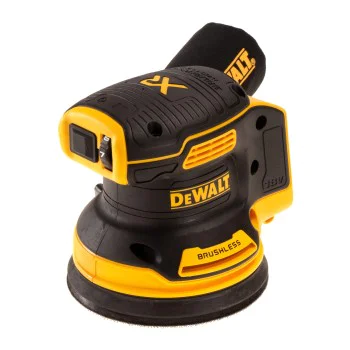
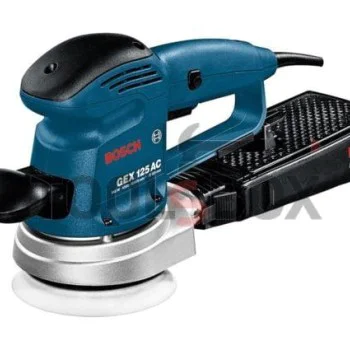
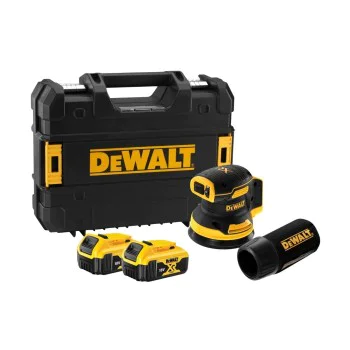
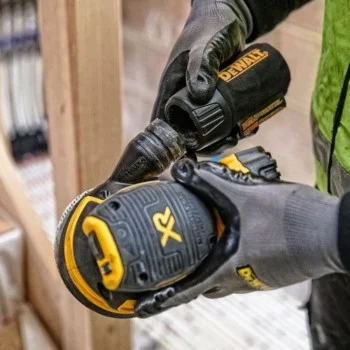
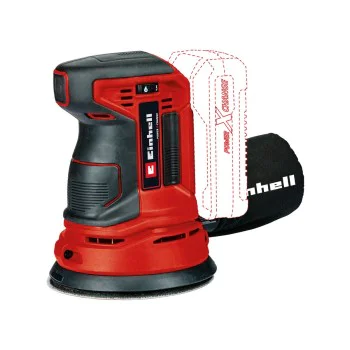
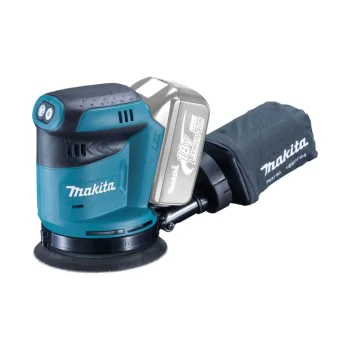
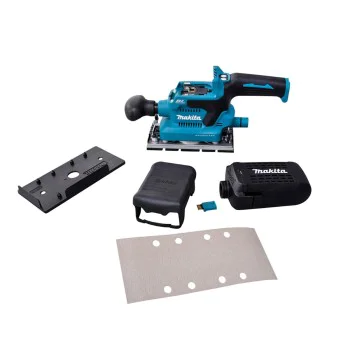
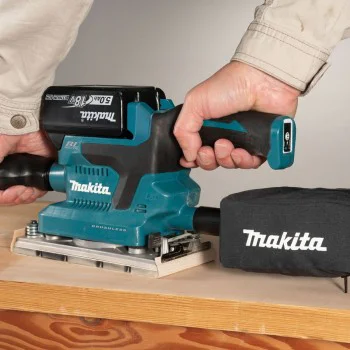
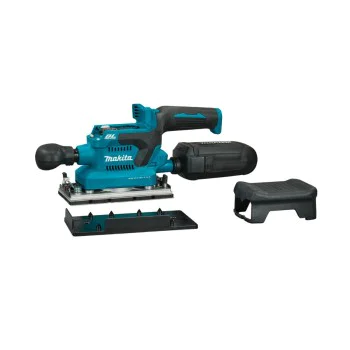
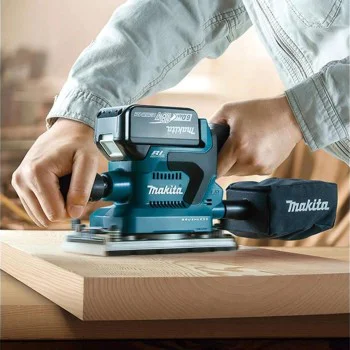
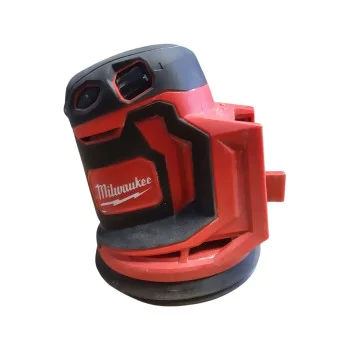
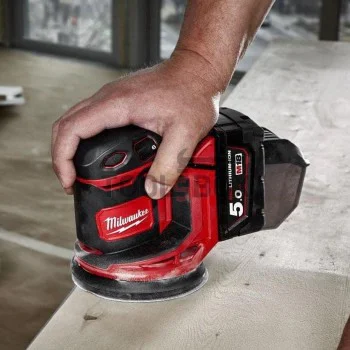
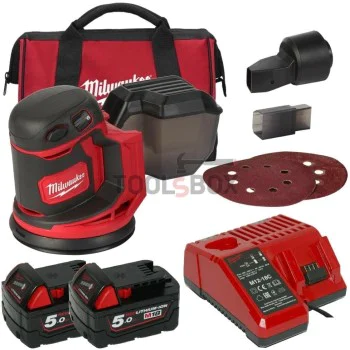
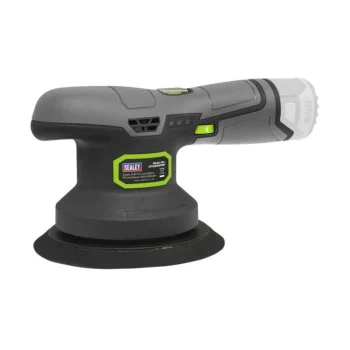
Eccentric Grinder
Random-orbit sander for even sanding and a smooth finish
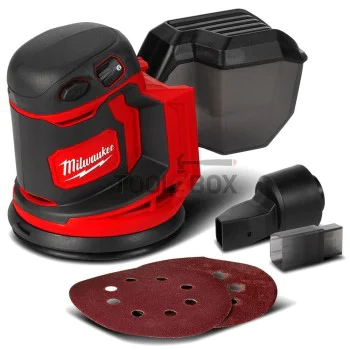
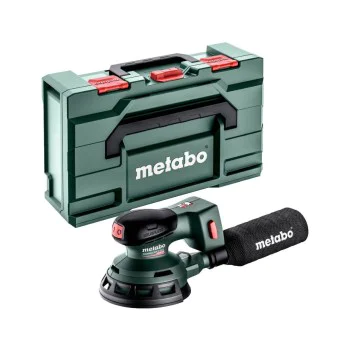
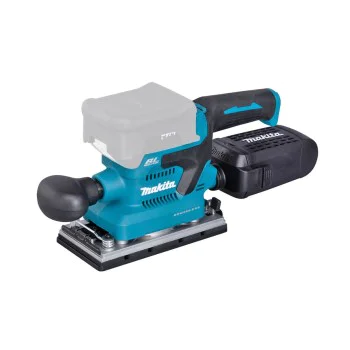
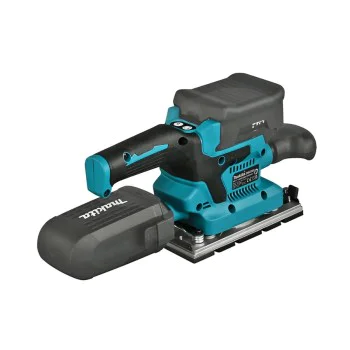
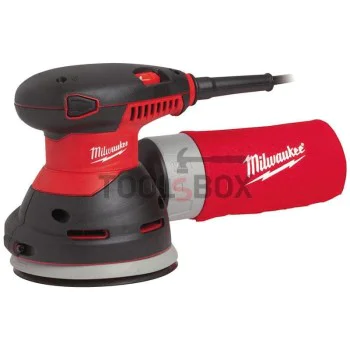
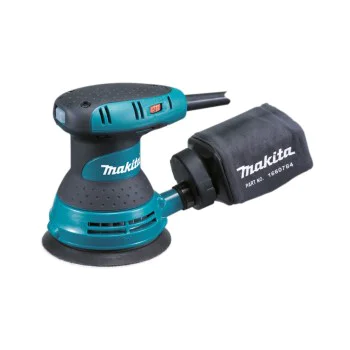
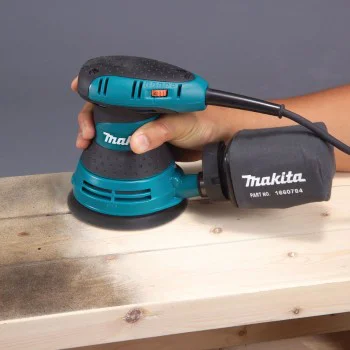
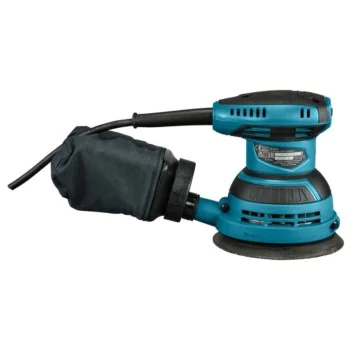
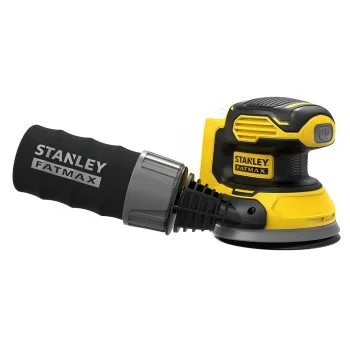
An eccentric sander is a sanding machine designed for precise finishing of wood, metal, varnish, paint, putty, and composite surfaces. The sanding pad's motion combines an orbital path with rotation, which reduces visible marks and makes it easier to achieve a clean, even finish. This type of power tool is valued in woodworking shops, auto repair shops, furniture manufacturing, construction and renovation projects, and home maintenance, where good control over the material and consistent results are sought during various stages of sanding.
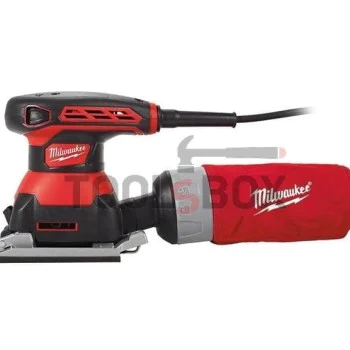
Unlike belt sanders, which aggressively remove material in a straight line, an orbital sander operates more gently and with greater control. The machine is useful both for intermediate sanding between coats of varnish and for surface preparation before painting, smoothing edges, removing old coatings, and finishing details with more complex shapes. With the right choice of sandpaper and speed, a random orbital sander can handle a wide range of tasks related to fine and medium sanding.
Where is an orbital sander used?
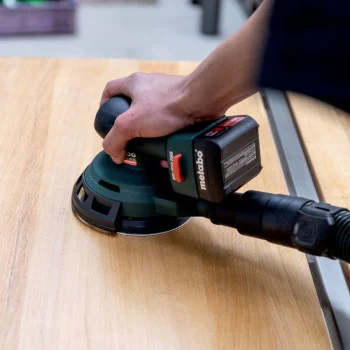
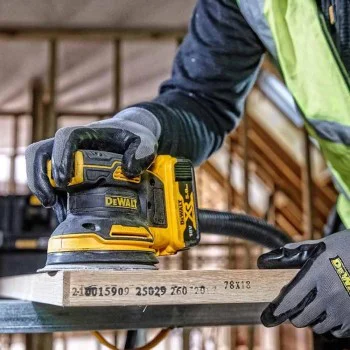
An eccentric sander is used for preparing wooden countertops, doors, steps, furniture, beams, window frames, and decorative elements. When working with wood, the machine helps level the surface, remove minor imperfections, and prepare the surface for oil, stain, varnish, or paint. For metal elements, it is used for rust removal, sanding, puttying, and smoothing before the final finish.
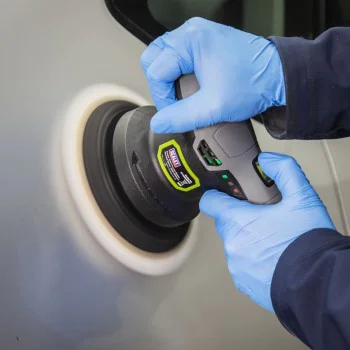
In auto repair work, a random-orbit sander is useful for working with putty, primer, and paint coatings. For renovation projects, it is used on walls, plaster, and painted surfaces, provided the machine size and abrasive are appropriate for the specific task. For professionals working on-site, cordless models offer freedom to work without being tethered, while corded machines are preferred for prolonged, heavy-duty use in a workshop.
Types of machines and differences between models
Different models vary in power, pad diameter, eccentric stroke, speed control, weight, body shape, and dust collection system. More compact machines are convenient for fine operations, overhead work, and processing smaller parts. More powerful models are a better choice for larger surfaces, extended use, and faster material removal.
The diameter of the sanding pad directly affects performance and control. Common pad sizes are 125 mm and 150 mm. The smaller diameter makes it easier to maneuver around edges and tight spaces, while the larger one covers more area on countertops, doors, and panels. The stroke of the sander also affects the finish: a shorter stroke produces a finer finish, while a longer stroke removes more material in less time.
Corded or cordless random orbit sander
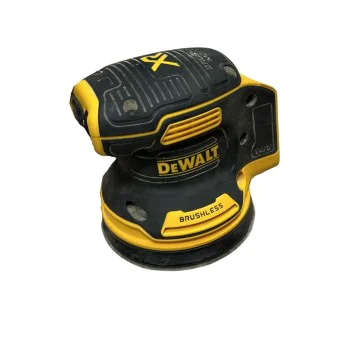
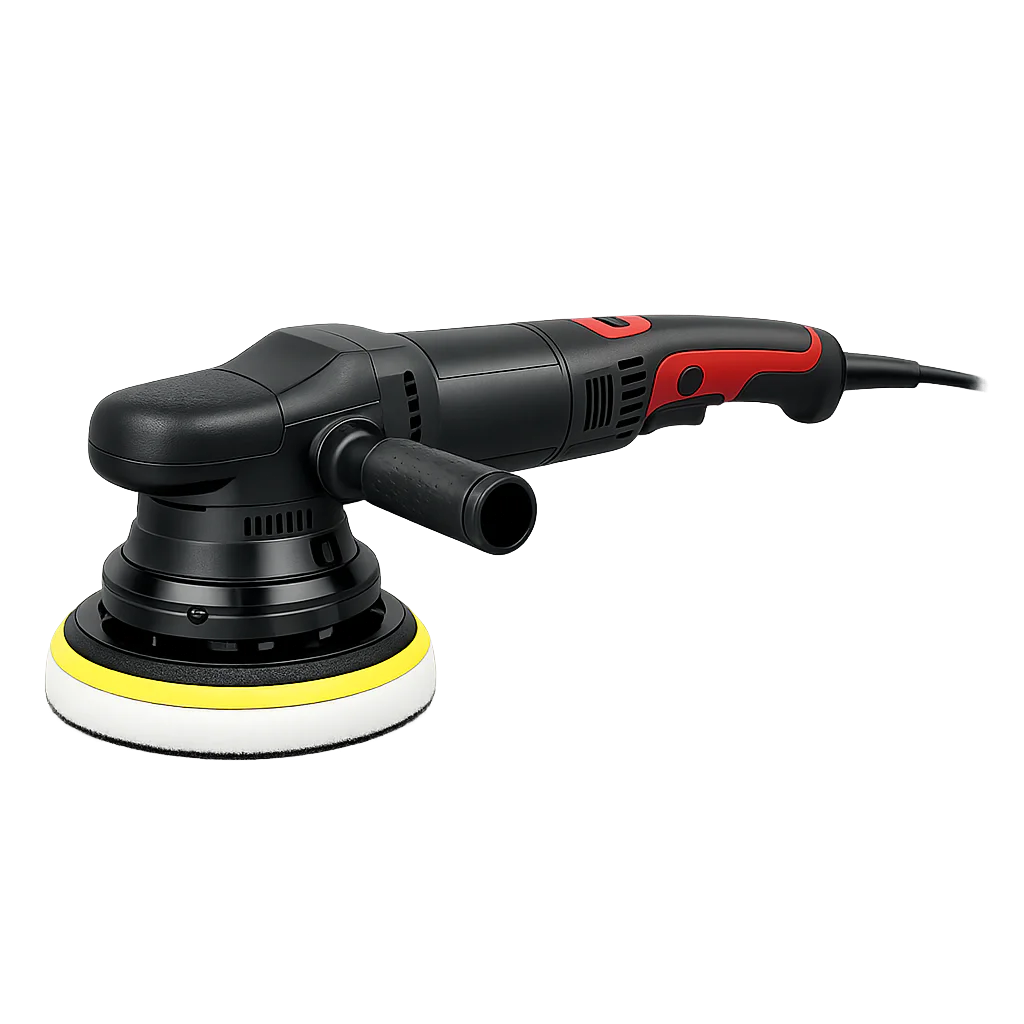
A corded random orbit sander is a practical choice for workshops, service centers, and long runs of operations, as it maintains consistent power during extended use. The cordless version is convenient on construction sites, during installation, and for tasks far from an electrical outlet. When choosing a cordless tool, it is wise to consider the battery voltage, capacity, compatibility with existing batteries and chargers, as well as the expected duration of use.
What to Look for When Choosing an Orbital Sander
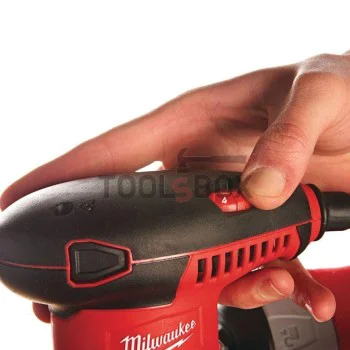
The choice starts with the material and the scope of work. For occasional home use, a compact tool with a comfortable grip and variable speed control is often sufficient. For professional use, you need better cooling, a durable housing, a stable base, high-quality electronics, and the ability to connect to a vacuum cleaner. Vibration control is important during longer operations, as it reduces fatigue and helps guide the tool more precisely.
- Power and speed: higher power helps with harder materials and extended use, while speed control protects delicate surfaces.
- Disc diameter: 125 mm for better control and 150 mm for faster processing of large areas.
- Eccentric stroke: a shorter stroke for fine finishing operations, a longer stroke for faster material removal.
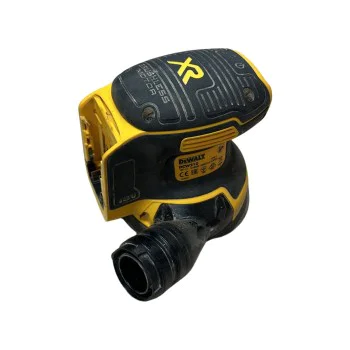
- Dust collection: a dust bag, dust container, or vacuum connection keeps the work area cleaner and extends the life of consumables.
- Ergonomics: rubberized grips, an auxiliary handle, and low weight help during extended use.
Consumables and compatibility
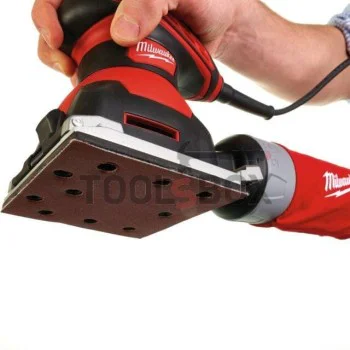
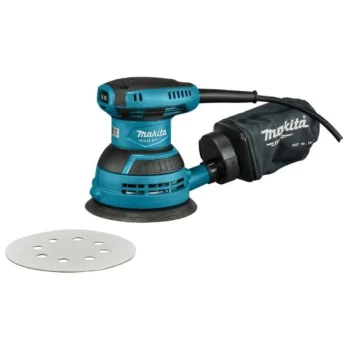
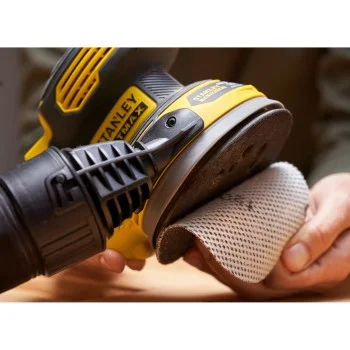
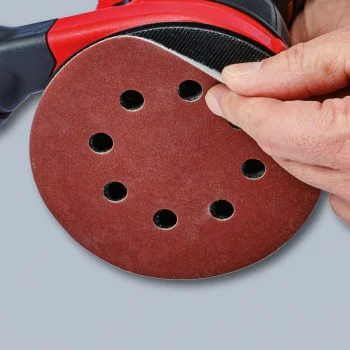
The random-orbit sander works with round sanding discs, most often secured with Velcro. The abrasive is selected based on the material and the stage of processing. Coarse grits are for removing old coatings and leveling, medium grits are for preparation, and fine grits are for a smooth finish before varnishing or painting. The holes in the sanding disc should align with the holes in the backing pad to ensure effective dust collection.
Backing pads are available in various hardnesses. Softer pads follow gentle curves better and reduce the risk of edge sanding, while harder pads maintain a flat surface on flat parts. When the backing pad is worn, the discs' grip weakens, vibrations increase, and the quality of the finish declines. Regularly replacing the sanding pad also protects the material from overheating and marks.
Operation, Safety, and Maintenance
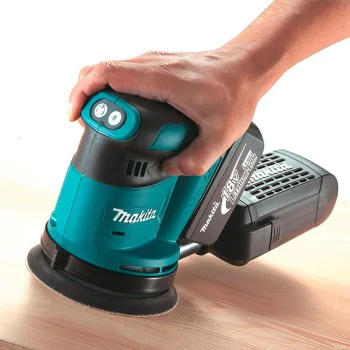
When working with a random-orbit sander, place the machine on the surface before turning it on and move it smoothly without applying heavy pressure. Excessive pressure does not speed up the process but strains the motor, wears out the abrasive, and can leave circular marks. For a clean finish, the motion should be even, and the grit of the sandpaper should be changed gradually from coarse to fine.
For safe operation, safety goggles are required, as well as ear protection for noisier operations and a dust mask when working with powdery materials. Dust from varnish, paint, wood, and metal should not accumulate around the work area. Clean the ventilation openings, empty the dust container, and check the condition of the cord, battery, pad, and disc attachment. This ensures the machine operates reliably and delivers consistent results for every subsequent task.
Choose an eccentric sander based on your needs
Toolsbox.bg offers a selection of random orbit sander models for repair, installation, maintenance, woodworking, and demanding home use. Browse the machines by power source, disc size, power, dust collection, and compatible accessories to find a solution that matches the pace and type of work in your workshop or on-site.