
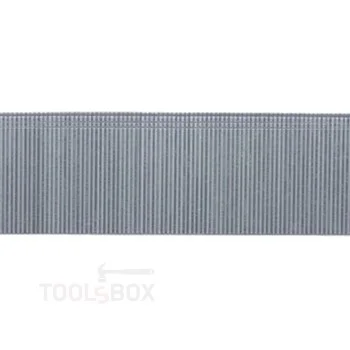
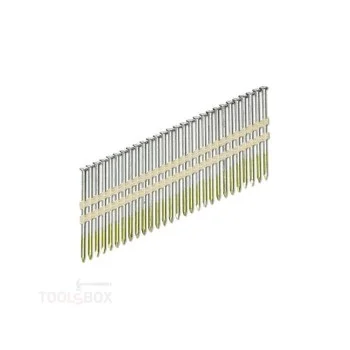
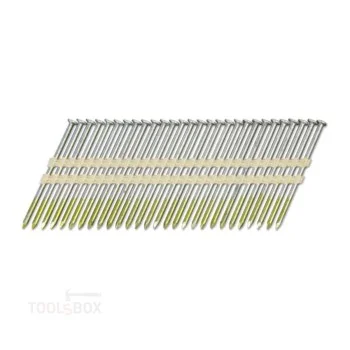
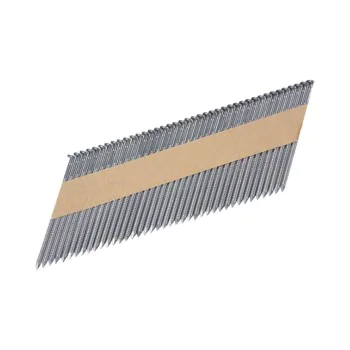
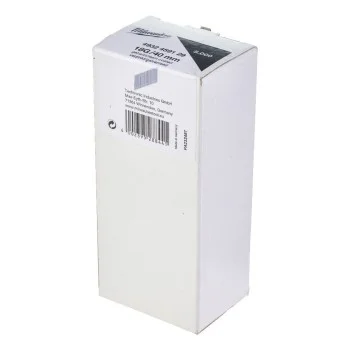
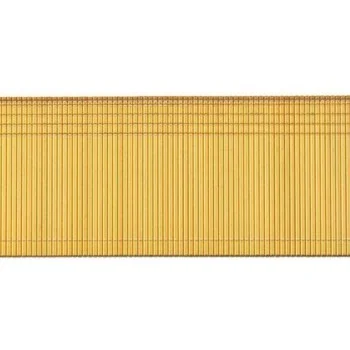
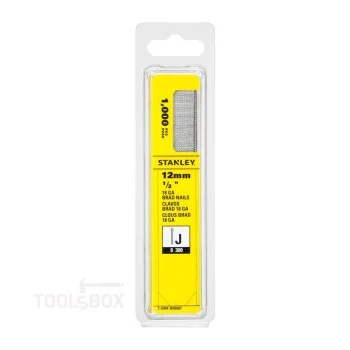
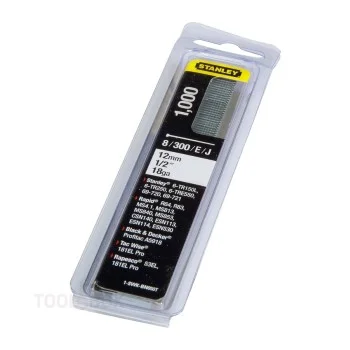
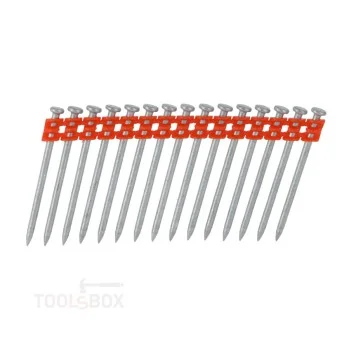
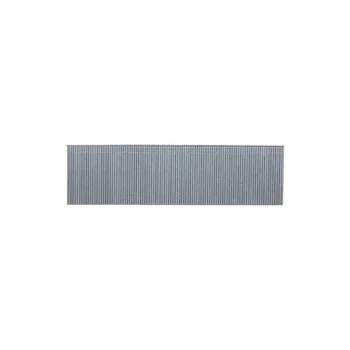
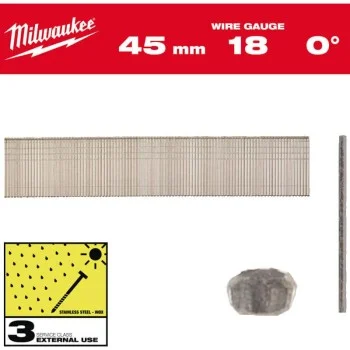
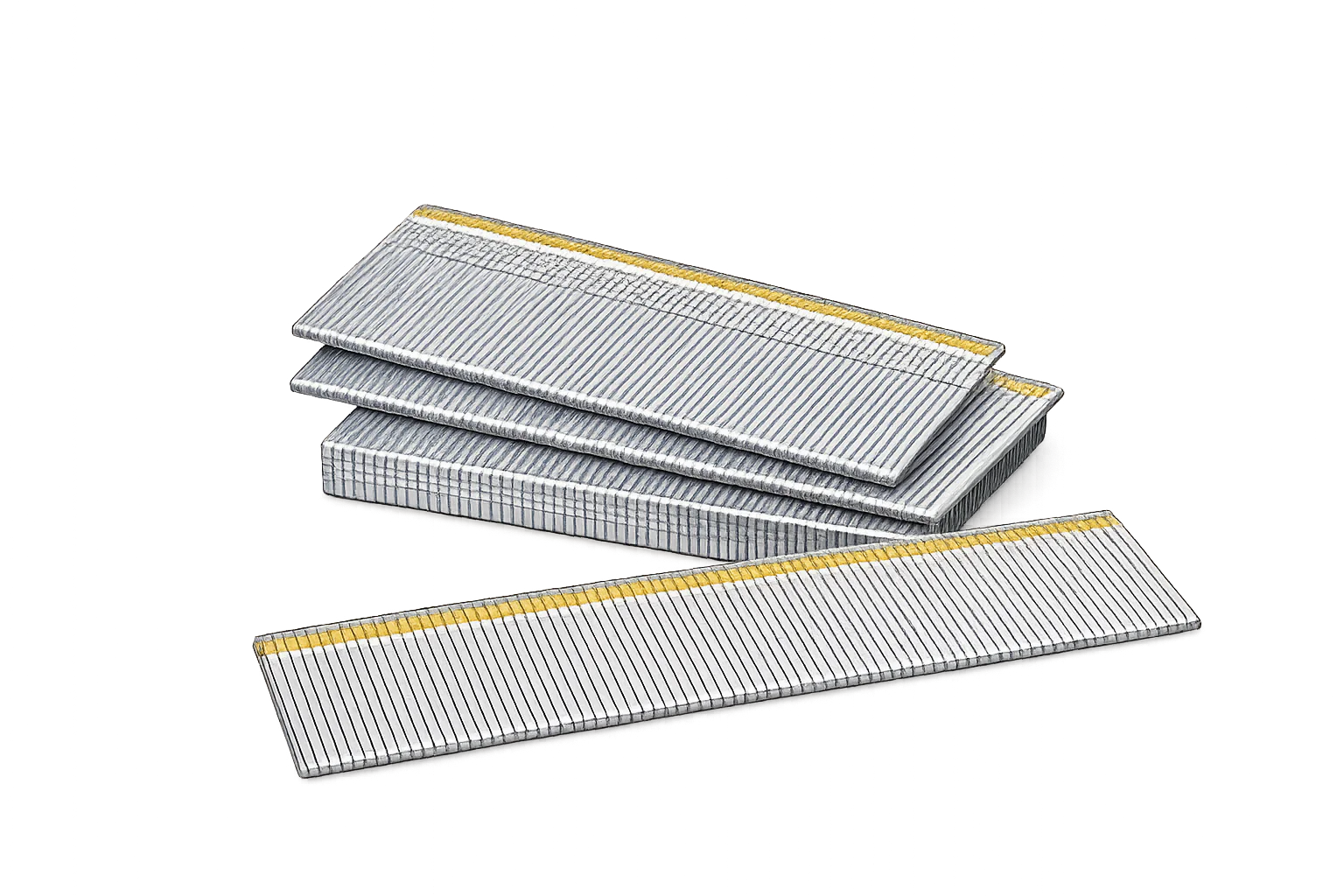
Nails for a tucker
Nails for a nail gun for precise and clean installation
Nails for nail guns are consumables used for mechanical fastening in carpentry, furniture making, finishing, and installation work. They are loaded into the nailer magazine and allow for quick driving with uniform depth, without unnecessary damage to the surface. The range includes options for electric, cordless, and pneumatic nailers, with varying lengths, profiles, coatings, and strip configurations.
When working with wood, MDF, particleboard, plywood, thin strips, or decorative elements, the right fasteners directly affect the strength of the joint and the appearance of the finished piece. Therefore, nails are selected based on the tool, the material, the required penetration depth, and the degree of visibility after installation.
Where are staple gun nails used?
Nails for nail guns are used for fastening baseboards, moldings, wainscoting, frames, furniture backs, decorative profiles, cladding panels, wooden crates, and thin structural elements. In renovation and construction, they save time during repetitive tasks, and in furniture manufacturing, they provide uniform fastening without the need for pre-drilling.
The fine nails with small heads are valued in finishing work where the mark on the surface must remain minimal. Longer variants are preferred for fastening thicker components or when working with denser wood. For temporary fastenings, jigs, and workshop assemblies, sizes are selected that hold securely without splitting the material.
Staples for Staplers - Sizes, Profiles, and Types
Different nail guns work with specific types of strips, gauges, and nail lengths. When selecting nails for a nail gun, it is necessary to check the machine's specifications against the markings on the consumables. Even a slight discrepancy in the cross-section or width of the strip can lead to jamming, double feeding, or uneven driving.
- Length: selected based on the thickness of the workpiece and the substrate. Shorter nails are for thin strips and decorative elements, while longer ones are for a more secure hold in solid substrates.
- Gauge and cross-section: thinner nails leave a smaller mark, while thicker ones provide greater mechanical strength to the joint.
- Head: A small head is easier to hide in the wood, while a more prominent head holds thin panels and boards more securely.
- Coating: Galvanized or other types of coated nails are suitable for areas at risk of moisture or for components that will be exposed to a variable environment.
- Strip arrangement: The strip must fit the nailer's magazine in terms of shape, width, and feed angle.
Compatibility with electric, cordless, and pneumatic nailers
Nails for nailers are selected according to the specific machine model. Electric and cordless nailers often use finer fasteners for finishing work, while pneumatic models are designed for more intensive professional use and longer lengths. The specifications in the nailer's technical manual serve as a guide for the permissible length, head type, gauge, and strip type.
The wrong size strains the mechanism, increases the risk of jamming, and worsens the nailing result. Properly selected nails for a nailer feed evenly, enter the material cleanly, and reduce the need for corrections after installation. When working with harder wood or near an edge, it is advisable to test on a scrap piece to assess the depth and risk of splitting.
Nails for a nail gun based on the material and the task
The base material determines both the length and the thickness of the nail. For soft wood and thin paneling, finer sizes are sufficient, as they do not leave rough marks. For MDF, particleboard, and coated panels, clean driving without swelling around the hole is desired. For solid wood, fasteners with good penetration and sufficient holding depth are required.
| Task | Recommended specifications |
|---|---|
| Installation of baseboards and trim | Fine nails with a small head and a length appropriate to the profile thickness |
| Furniture components and backs | Straight strip, precise gauge and size, compatible with the tacker |
| Wainscoting and paneling | Nails with clean penetration and coating suitable for the work environment |
| Workshop joints | Size that holds securely without splitting the piece |
Material, coating, and appearance of the fastener
Properly selected tacker nails help achieve a clean finish, especially on visible wood elements. Steel nails are a common choice for dry indoor environments, while coated nails are valuable in more humid environments or for parts subjected to heavier loads. For decorative work, nails that sink evenly and allow for easy filling or subsequent painting are preferred.
In serial production, the uniformity of the strip is essential for a consistent driving rhythm. Cleanly shaped tips penetrate more easily, and the correct geometry reduces unwanted bending. This keeps the fastener stable and allows the machine to operate with fewer interruptions.
Practical guidelines for use and storage
- Check the nail size against the hammer's specifications.
- Adjust the driving depth according to the hardness of the material and the thickness of the workpiece.
- Wear safety goggles, especially when working near edges and knots in the wood.
- Keep the strips dry and free of debris to ensure proper feeding.
- Clean the tacker magazine if dust, resin, or small debris accumulates.
Toolsbox.bg offers nail gun nails for various machines, sizes, and installation tasks. Select the right type of fastener based on your nail gun, the material, and the load on the joint to achieve a clean, stable, and professional-looking result for every job.