
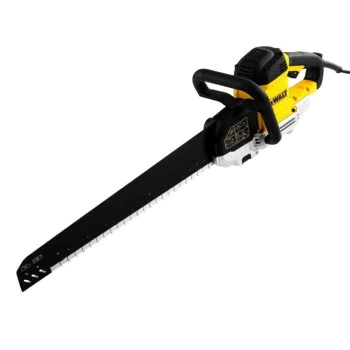
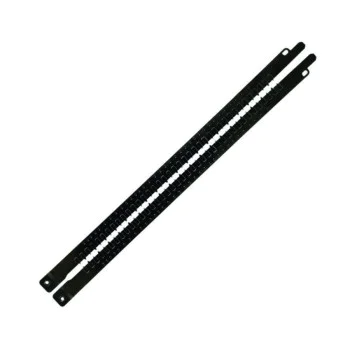
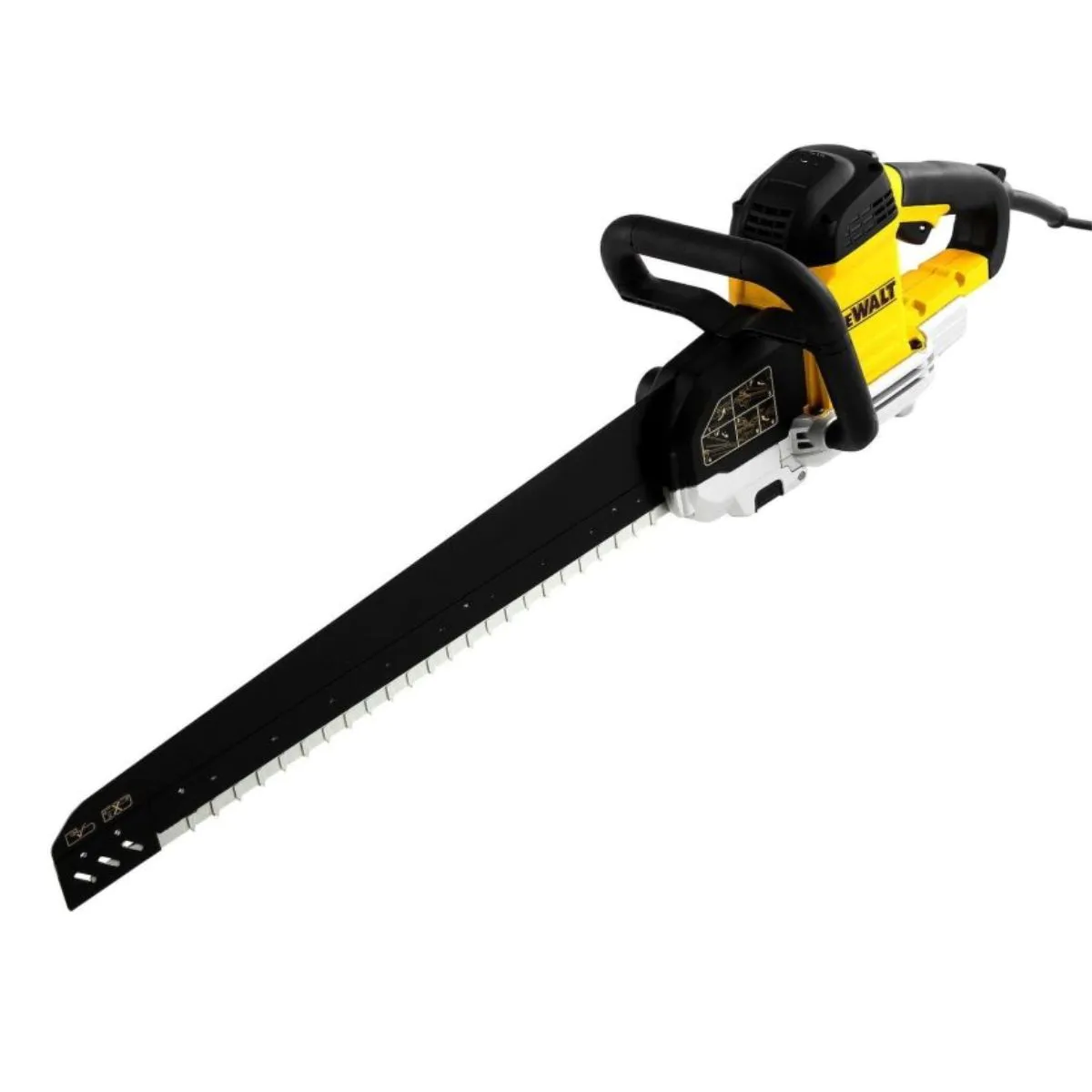
Machines for cutting bricks
Brick-cutting machines for precise cuts in masonry
Brick cutting machines are specialized equipment for clean, controlled, and repeatable cutting of masonry materials. They facilitate the shaping of bricks during the construction of walls, chimneys, facades, partition structures, repair work, and finishing work, where manual cutting would take more time and increase material waste. A properly selected machine reduces chipping along the edges, maintains consistent part sizes, and facilitates more precise installation.
This class of equipment includes bench-top, stationary, and portable models designed to work with ceramic bricks, solid and hollow bricks, clinker elements, masonry blocks, and similar building materials according to the manufacturer's specifications. Brick cutting machines differ in power, blade diameter, maximum cutting depth and length, feed type, water cooling capability, and ease of transport.
What does brick-cutting equipment include?
Brick-cutting machines typically operate with a diamond cutting disc that moves through the material in a smooth, even motion. With lighter models, the focus is on mobility and convenience for on-site repair work. Heavier stationary models are designed for continuous operation, larger workpieces, and batch cutting at a fixed angle.
Some machines feature water cooling. This reduces dust, cools the blade, and helps achieve a cleaner cut in hard materials. Dry cutting requires a good dust extraction system, the right blade, and personal protective equipment. The guide rail, work table, clamping supports, and angle adjustment are critical for accuracy, especially when cutting narrow pieces, wedge-shaped elements, or repeating dimensions.
Applications in construction, renovation, and installation
Brick-cutting machines are used in new construction, renovations, cladding work, and maintenance of masonry structures. When building walls, they help shape end rows, make adjustments around door and window openings, and handle details around columns, beams, and utility runs. For facade and decorative solutions, a precise cut is essential for visible edges, corners, and joints between individual surfaces.
For professional use, the stability of the base, the capacity under continuous load, and the quick adjustment of working dimensions are important. For home use and one-off repairs, compact machines are more convenient, as they are easy to transport and do not take up much space in a workshop or garage. For both types of work, a good match between the machine, the blade, and the material protects the tool and improves the final result.
Criteria for selecting a machine
When choosing brick-cutting machines, it is helpful to consider several technical and practical factors. Power affects performance when cutting hard and dense materials. The blade diameter and machine design determine the cutting depth. The working length is essential for larger blocks and for elements that are cut diagonally. Weight and size are related to transport, storage, and stability during operation.
| Criterion | Practical significance |
|---|---|
| Blade diameter | Determines the maximum cutting depth and compatible accessories. |
| Motor power | Ensures smooth cutting with harder bricks and during prolonged operations. |
| Work table and guides | Ensure precision, repeatability, and stable positioning of the workpiece. |
| Water cooling | Reduces dust and disc heating during wet cutting. |
| Transport and installation | Affects ease of use at various job sites. |
Blades, consumables, and compatibility
Brick cutting machines work best with a diamond blade properly selected for the specific material. Blades for ceramic bricks, clinker, or concrete elements differ in segment type, bond hardness, and operating mode. An unsuitable blade leads to slow cutting, overheating, wear, and chipping of the edges. Before purchasing, it is advisable to consider the blade's bore, permissible RPM, diameter, and recommended mode-wet or dry cutting.
Additional accessories are often sought for these machines: spare diamond blades, water pumps, hoses, guides, supports, stands, and cleaning supplies. With regular use, maintenance includes cleaning the water system, removing sludge, inspecting the cable, checking the guides, and monitoring disc wear. This ensures the machine maintains its precision and operates more reliably for future tasks.
Safety When Cutting Masonry Materials
Working with brick-cutting machines requires stable placement of the equipment, proper securing of the workpiece, and adherence to the manufacturer's instructions. The cutting disc is selected according to the material and is not subjected to lateral loads. Eye, ear, and respiratory protection is required for dry cutting, and for wet cutting, the work area must be kept clear of accumulated slurry. Good organization around the machine reduces the risk of slipping, the workpiece getting jammed, and unplanned work interruptions.
At Toolsbox.bg, you'll find brick-cutting machines for various construction and renovation tasks-from compact solutions for occasional use to more robust models for heavy-duty professional work. Review the specifications, match them to the material and scope of your projects, and select equipment that suits your workflow.