
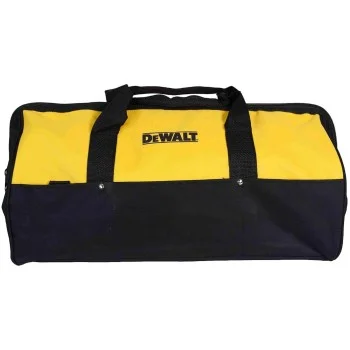
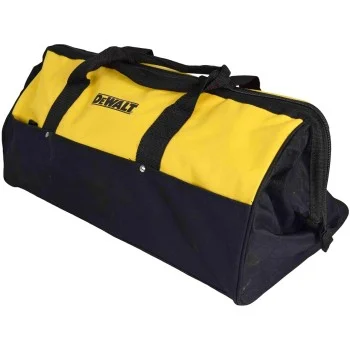
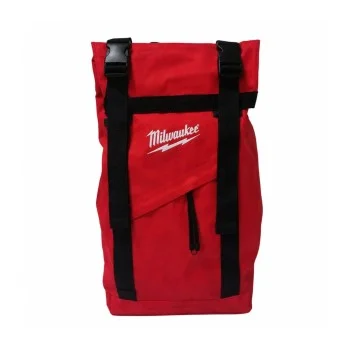
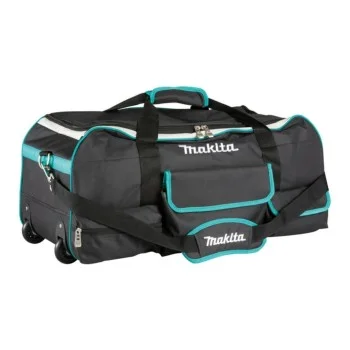
Tool bag
Tool Bag for Organized and Mobile Work
A tool bag is a practical solution for transporting, storing, and quickly accessing hand tools, small power tools, consumables, and installation accessories. It is particularly convenient for technicians, installers, craftsmen, service teams, and discerning DIYers who work on various sites or want to keep their workspace organized. Instead of carrying tools loosely in a box, backpack, or ordinary bag, a well-chosen tool bag keeps the contents organized, reduces search time, and facilitates transport between the workshop, car, construction site, and home.
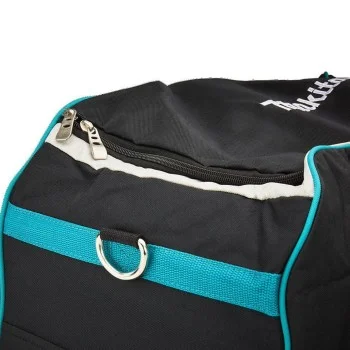
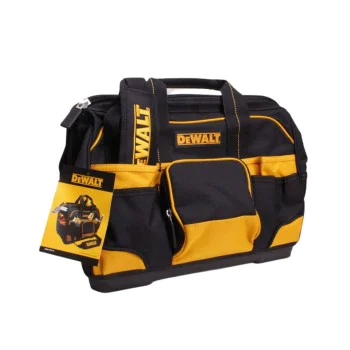
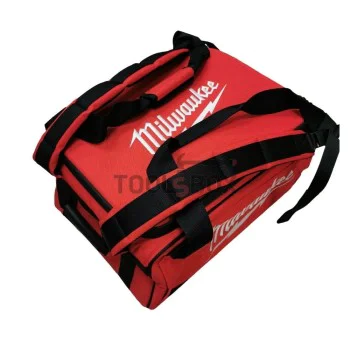
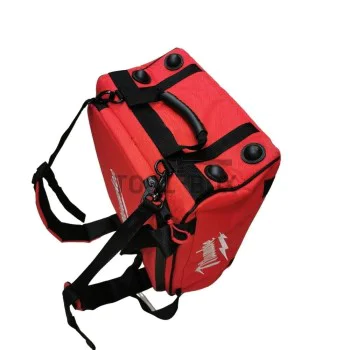
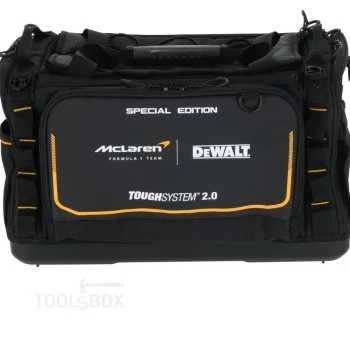
These bags vary in volume, shape, pocket layout, material, base, closure method, and load capacity. Some models are compact and lightweight, designed for a basic set of screwdrivers, pliers, wrenches, and measuring tools. Others are more spacious, with reinforced handles, a shoulder strap, and multiple internal compartments for a larger set of tools and accessories. This way, a tool bag can be selected based on the specific job, frequency of transport, and type of equipment.
Practical Applications in Repair, Installation, and Maintenance
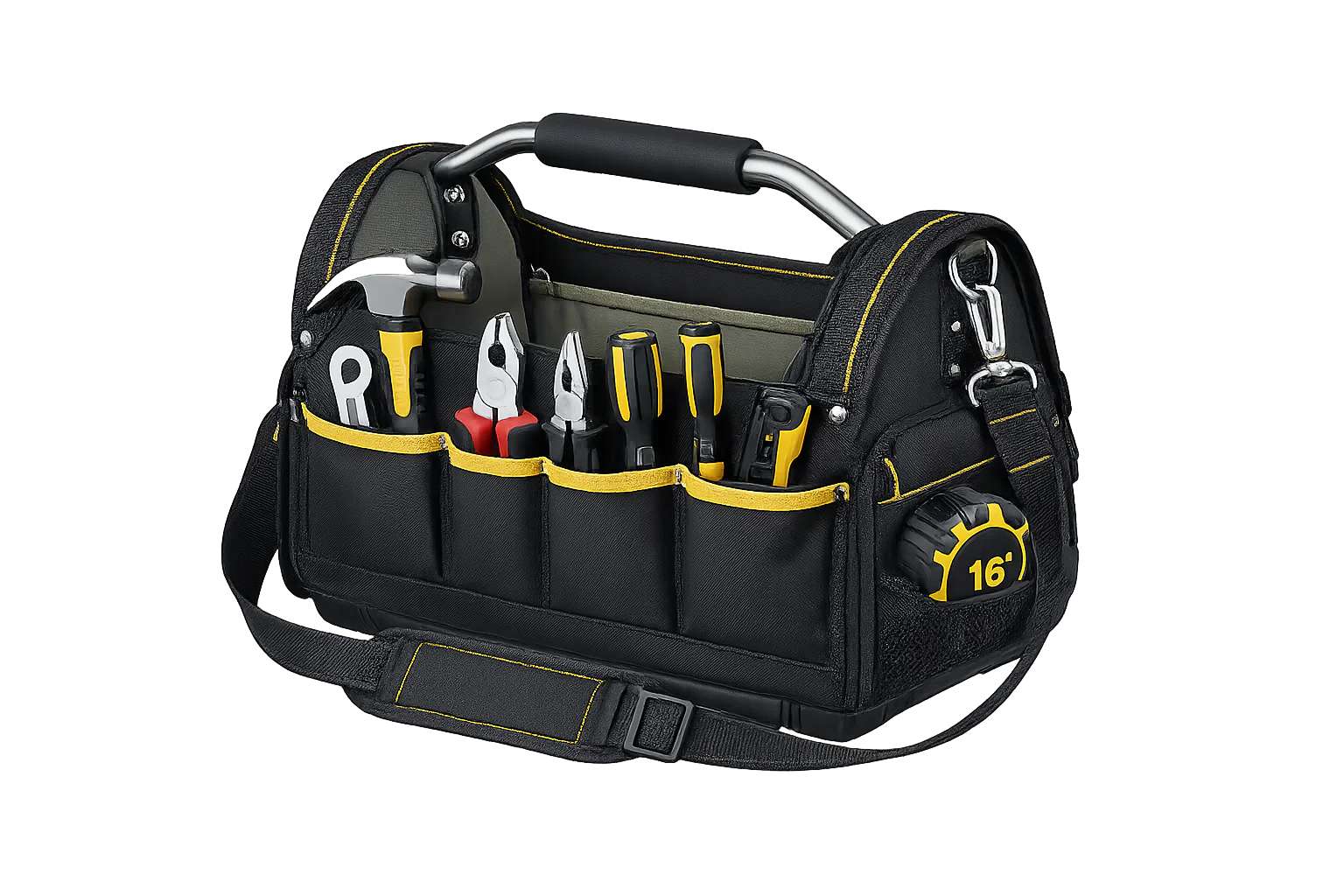
A tool bag is most valuable where the job requires mobility and quick response. For electrical work, plumbing, finishing repairs, furniture assembly, machine maintenance, or equipment servicing, tools must be protected and easy to find. The separate pockets allow for the organization of screwdrivers, bits, pliers, utility knives, tape measures, levels, sockets, dowels, and screws, preventing them from getting mixed up in a single compartment.
In a workshop, the bag can serve as a mobile kit for quick tasks outside the main tool cabinet. For construction and installation teams, it is convenient for carrying from floor to floor or between separate rooms. For home use, it helps keep basic hand tools in one place without taking up as much space as a hard case or metal box.
Main types and differences between models
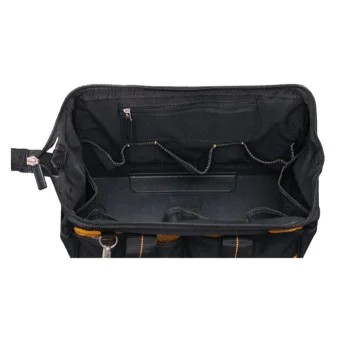
Different designs suit different work styles. A compact tool bag is ideal for a small set of tools and short site visits. An open-top tool bag provides quick access to the contents, as the tools are immediately visible. Zippered models provide better protection against items scattering during transport and are convenient for carrying in a car. A tool bag with multiple pockets is valuable when working with small parts, bits, measuring tools, and accessories that need to be separated by size or purpose.
| Bag type | Practical application | What to check |
|---|---|---|
| Compact model | Quick repairs, home kit, light installations | Number of pockets, comfort of the handles, interior volume |
| Open model | Working with constant access to tools | Stability, wall rigidity, visibility of compartments |
| Zippered model | Transportation in a vehicle, warehouse, service operations | Zipper quality, reinforced seams, anti-slip protection |
| Model with a rigid bottom | Dusty, damp, rough-floored, or construction environments | Bottom material, wear resistance, stability under load |
How to choose a tool bag based on the job
When choosing, first consider what set of tools you'll be carrying. For screwdrivers, pliers, wrenches, a tape measure, and small accessories, a smaller bag with well-organized pockets is sufficient. For power tools, chargers, batteries, drill bits, discs, and heavier accessories, it makes more sense to choose a larger model with reinforced handles, a stable base, and a wider opening.
Every tool bag should be comfortable for the way you actually carry it. Handles are important for short trips, while an adjustable shoulder strap makes it easier to carry for longer periods, especially when your hands need to stay free. When working on a construction site, a hard or waterproof bottom protects the contents from dirt and reduces wear when placed on concrete, plaster, or rough surfaces.
- Capacity and size-choose based on the longest tool and the number of accessories you carry daily.
- Material-heavy-duty fabric, polyester, and reinforced areas withstand friction and stress better.
- Organization-external and internal pockets help separate small parts, consumables, and measuring tools.
- Base - The rigid base maintains the bag's shape and makes it more stable when placed on a surface.
- Closure - a zipper, flap, or open design is chosen based on the need for protection or quick access.
Materials, Durability, and Safety During Transport
A tool bag with reinforced seams, sturdy handles, and a well-shaped bottom is better suited for daily use. Heavy metal tools put strain on the corners, seams, and areas around the handles, so these elements deserve careful inspection. Sharp tools such as utility knives, chisels, drill bits, and hacksaws should be kept in separate pockets, pouches, or bit boxes to prevent damage to the fabric and other contents.
A tool bag with a rigid bottom is helpful for heavier sets because it distributes the load more evenly and retains its shape when carried. For automotive service work, it's practical for the bag to stand stably and not tip over while moving. For work in dusty environments, a model with a more enclosed design protects accessories and measuring tools from contamination.
Organization and Maintenance of the Tool Bag
Good organization extends the bag's lifespan and saves time on the job site. Heavier tools should be placed low and close to the center, while small consumables should be separated into pockets or small organizers. Regularly removing loose screws, shavings, and dust reduces wear on the interior. After working in a damp environment, the fabric should be allowed to dry before the bag is stored for an extended period.
With the right size and reasonable load, a tool bag retains its convenience for daily use and remains a practical part of every craftsman's equipment. Browse the options at Toolsbox.bg and choose a model that suits your tool set, work environment, and carrying style.