
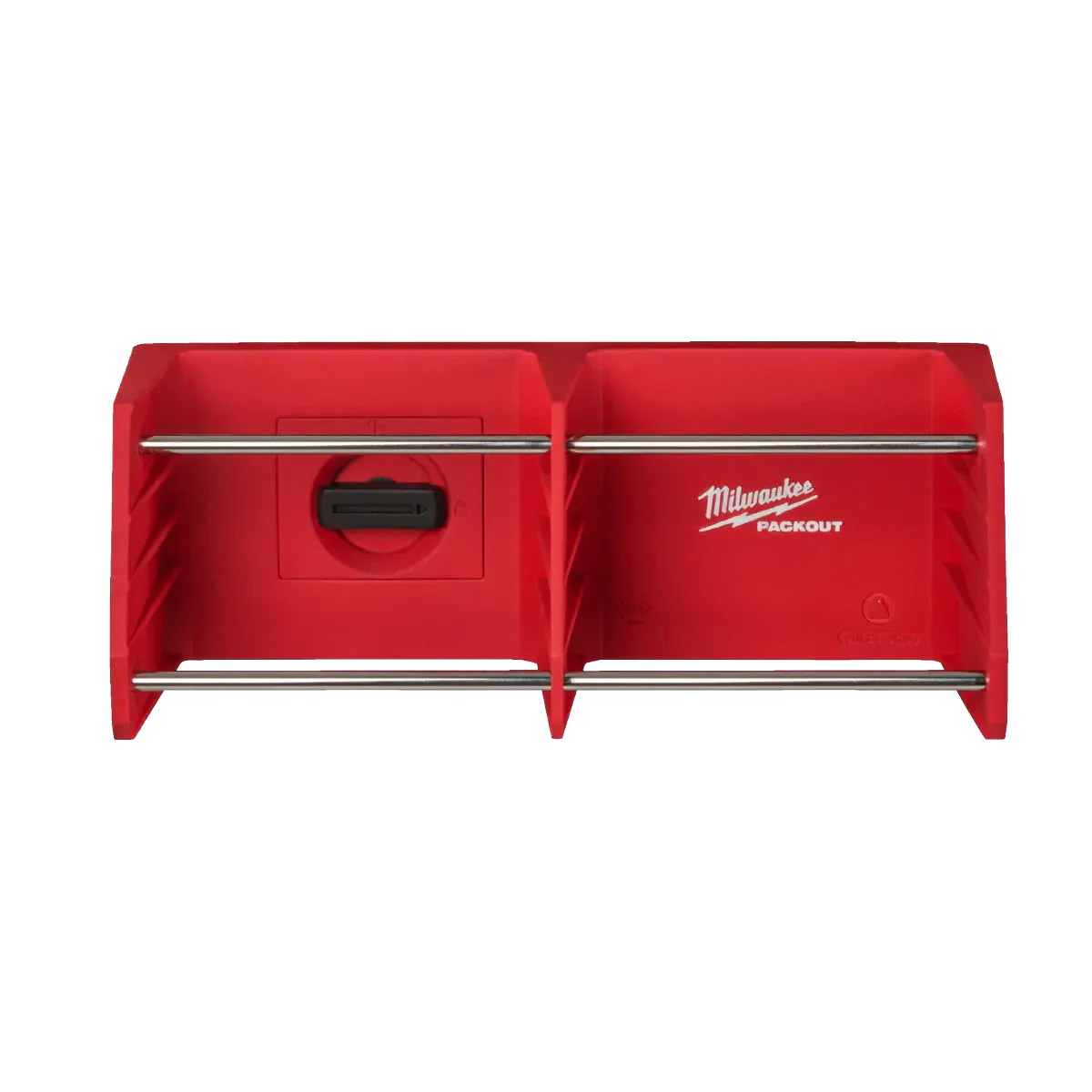
Shelving
Shelving for auto repair shops, workshops, and warehouses
Shelving for auto repair shops, workshops, and warehouses keeps the work area organized and ensures quick access to tools, spare parts, oils, consumables, and accessories. In a service setting, every minute spent searching for a gasket, filter, fastener, or hand tool delays the repair, which is why well-chosen storage systems are an essential part of the practical equipment in any workshop, garage, or storage room.
This product group includes metal racks of various heights, widths, depths, number of shelves, and load capacities. Some models are designed for compact storage of lighter consumables, while others accommodate heavier components, boxes of parts, power tools, or service accessories. This keeps the workspace organized, aisles clear, and inventory easily visible.
Use of shelving in auto repair shops and workshops
Shelving is used in any area where materials and equipment need to be organized. In a car repair shop, they can hold filters, brake pads, belts, fasteners, chemicals, sprays, cordless tools, and boxes of sockets. In a workshop, they are convenient for hand tools, measuring instruments, grinding discs, drill bits, paints, adhesives, and repair materials. In a garage or home workshop, they help organize garden equipment, car accessories, spare tires, extension cords, and seasonal items.
In a high-volume repair shop, shelving facilitates zoning: parts reception, ongoing repairs, a consumables warehouse, an area for heavy components, and a space for mechanics' personal tools. This way, every item has a designated place, and inventory management becomes easier.
Types of shelving based on construction and load capacity
Different shelving units vary in material, assembly method, shelf type, and load capacity. Metal models are often preferred for service areas due to their durability under daily use and ease of cleaning. Shelves can be made of metal, MDF panels, or other durable materials, with the choice depending on the nature of the stored items.
| Type | Use | Advantage |
|---|---|---|
| Lightweight metal shelving | Boxes, small parts, consumables, accessories | Compact dimensions and quick repositioning within the room |
| Medium-duty shelving | Tools, oils, spare parts, service materials | Good capacity for workshops and warehouses |
| Heavy-duty racks | Heavy parts, larger boxes, equipment | Higher load capacity and stability |
| Boltless systems | Spaces with frequent layout changes | Faster assembly and rearrangement of shelves |
How to choose the right shelving
When purchasing shelving, the first step is to determine what will be stored on them. For boxes of lightweight consumables, a more compact design is sufficient, while for metal parts, power tools, and bulky boxes, a model with a higher shelf load capacity is needed. It is good practice to leave some headroom in the load capacity, because over time the warehouse fills up with new parts and accessories.
The dimensions of the room also matter. Tall racks make use of vertical space, but access to the upper levels must remain safe. Deeper shelves accommodate large boxes and parts, while shallower ones are convenient for small items that need to be visible from the front. The width is selected based on the walls, doors, aisles, and workbenches in the workshop.
- Load capacity: Check the permissible load for each individual shelf and for the entire structure.
- Number of shelves: more levels ensure better organization of parts, tools, and supplies.
- Shelf material: metal is suitable for heavy items, while shelves are practical for boxes and packaging.
- Assembly: bolted systems provide a stable connection, while boltless systems are installed more quickly.
- Finish: Powder-coated metal components are easy to clean and suitable for service areas.
Organization, Safety, and Maintenance
Well-organized racks reduce the risk of heavy objects falling and facilitate movement around the vehicle, lift, or workbench. It is advisable to place heavy parts on the lower levels and lighter consumables and packaging higher up. When storing liquids, oils, and chemicals, shelves must be protected from spills, and containers should be kept upright and clearly labeled.
Installation on a level surface is important for stability. For tall structures or when loaded with heavy items, securing the unit to a wall increases safety. Regularly checking the connections, shelves, and leveling prevents the equipment from warping and extends its service life. Clean shelves and proper load distribution keep the work area more organized.
Shelving for professional and home use
Shelving units are suitable for both professional auto repair shops and home garages, storage rooms, workshops, or company service areas. For a busy repair shop, it's best to look for models with higher load capacity, a sturdy metal frame, and the ability to organize items clearly by category. For home use, compact shelving units that hold tools, car accessories, boxes of fasteners, and seasonal equipment are often sufficient.
In larger storage areas, multiple sections can be combined to separate spare parts, consumables, and machinery. This creates an organized system that streamlines daily work and reduces the need to move heavy items unnecessarily.
Choose shelving for your workspace
At Toolsbox.bg, you'll find shelving for service shops, workshops, garages, and warehouses in various sizes, load capacities, and designs. Compare models based on your space, the type of items being stored, and the load to equip your workspace with a practical system that promotes order, safety, and easier maintenance.